

Newark, NJ, leaders Introduce Historic Ordinance to Protect Community Health and Climate
New measure would stop fossil fuel expansion and address major sources of air pollution
Contacts
Newark City Council President Larry Crump introduced the Ports for People: Newark Fossil Free Future Ordinance, a critical policy that will protect public health, clean air and the long-term well-being of frontline communities. Newark is a vital economic hub with major port and industrial activity, but these same operations are also a significant source of harmful pollution that threatens residents’ health, environment and future.
Right now, fossil fuel facilities are releasing cancer-causing air toxics and particulate matter into the air. These emissions contribute to high rates of asthma, heart disease and other serious illnesses, disproportionately impacting low-income, Black and Brown communities. Cities worldwide are transitioning off fossil fuels and Newark has shown leadership towards a cleaner future.
“We applaud Newark’s first steps to tackle port and shipping pollution. Newark has an opportunity to end major fossil fuel expansion and prioritize the health and future of frontline communities,” said Altorice Frazier, port campaigner, Northeast at Pacific Environment. “We thank President Crump for introducing this and urge the city council to adopt this important policy.”
Fossil fuel pollution is harming Newark
Newark residents experience elevated levels of asthma and respiratory illness. These pollutants can affect the lungs, immune, nervous and reproductive systems, as well as major organs like the heart, liver and kidneys. While the 80% rate or a combined hazard quotient of 0.8 is below the official risk threshold (1.0), it is still high compared to other areas in New Jersey, putting the Newark community closer to potential harm that could be pushed over the limit if more pollution is added.
“This ordinance is not just about zoning codes or finance rules. It’s about protecting the health of Newark residents,” said Dr. Leah Owens, ports and policy analyst at South Ward Environmental Alliance. “Fine particles called particulate matter enter the bloodstream, causing systemic inflammation in vital organs. This is how pollution becomes disease, and how zoning decisions become life-or-death issues for our community.”
Expanding fossil fuel infrastructure locks the community into decades of pollution and carbon emissions, worsening the climate crisis. These burdens fall disproportionately on Black, Brown and low-income neighborhoods. Over the past four years, Newark residents have organized, litigated, and mobilized to stop a proposal by the Passaic Valley Sewerage Commission to build a fourth gas-fired power plant in the Ironbound. Designated as an overburdened community under New Jersey’s Environmental Justice Law, the Ironbound already faces disproportionate pollution, truly underscoring why Newark must prevent further fossil fuel expansion and protect its most vulnerable communities.
“For decades, the Ironbound community has been forced to shoulder the health and environmental costs of fossil fuel infrastructure they did not choose,” said Alejandra Torres, assistant director of organizing and advocacy at the Ironbound Community Corporation. “This ordinance is a critical step toward stopping further fossil fuel expansion, honoring New Jersey’s Environmental Justice Law, and ensuring that Newark’s frontline communities can breathe clean air and thrive.”
“This ordinance is about protecting families and putting children’s health first in Newark. Parents have been clear for years that pollution is affecting our neighborhoods and our kids,” said Erica Beverett, lead organizer, Parents Engaging Parents. “This policy is an important step toward clean air and a healthier future.”
“New Jersey has made a lot of promises via executive orders about reducing greenhouse gases and reaching 100% clean energy by 2035, but we’ve still got a long way to go to make these goals a reality. The Newark Fossil Free Future ordinance is a concrete step in that direction, as it would prevent further buildout of fossil fuel infrastructure in Newark, helping the State move away from reliance on fossil fuels and into a cleaner future,” said Casandia Bellevue, Senior Associate Attorney, Earthjustice Community Partnerships Program.
Ports for People: Newark Fossil Free Future Ordinance
The ordinance, if passed, will:
- Stop public funding for polluting infrastructure and prevent taxpayer dollars from being used for new or expanded fossil fuel facilities
- Halt fossil fuel expansion of major sources of air pollution by amending land-use codes to prohibit new or expanded fossil fuel facilities within city limits
- Advance environmental justice by reducing pollution burdens in frontline communities and improving long-term health outcomes
Benefits: A clean, healthy future for Newark
Passing this ordinance will:
- Protect public health by preventing toxic emissions from future fossil fuel facilities
- Improve air quality for residents
- Support the transition to zero-emission infrastructure and create opportunities for clean energy jobs
Why clean ports are needed
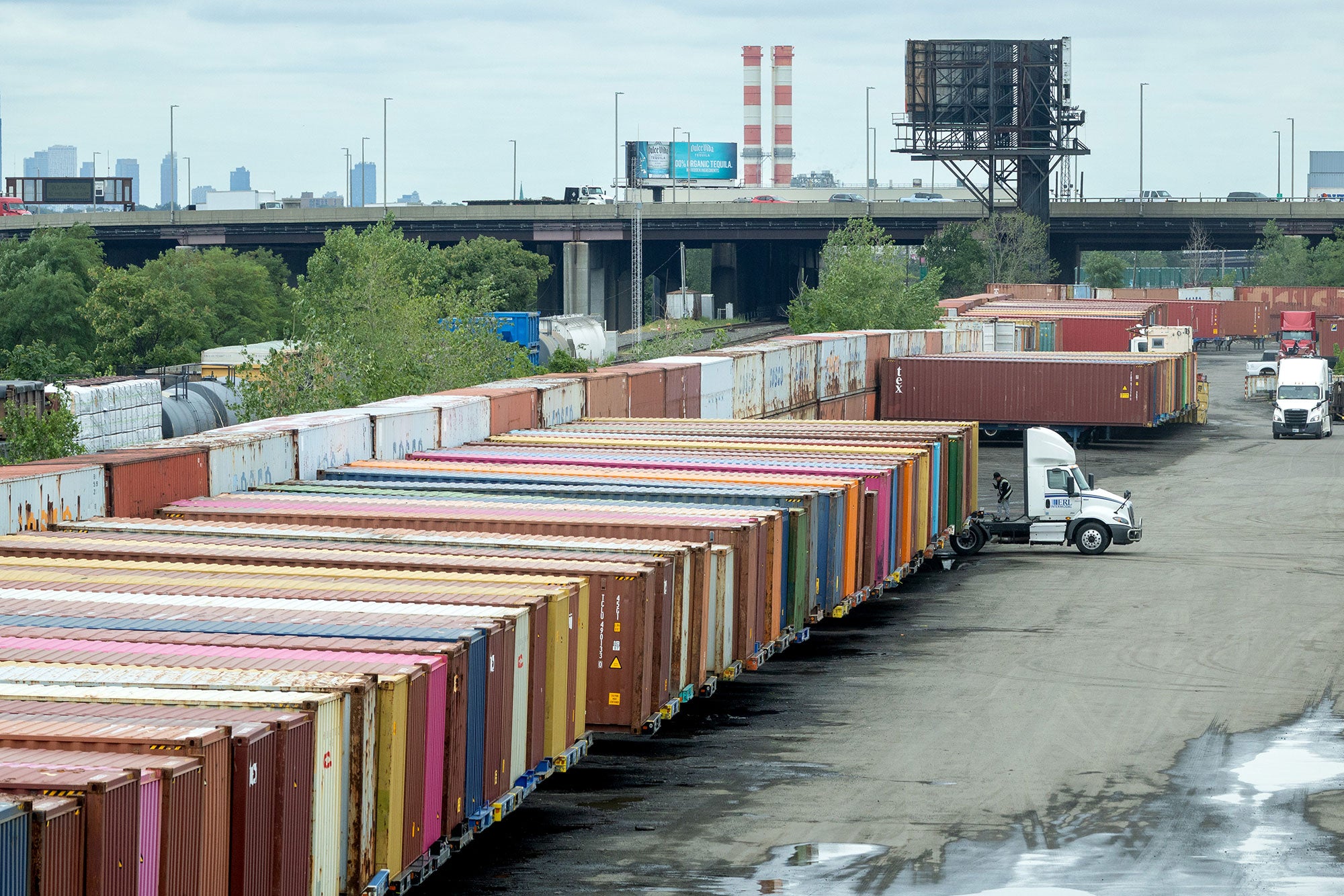
About 31 million people in the U.S. live within three miles of a port. These are predominantly frontline and fenceline communities that already face disproportionate pollution burdens. Ships burn heavy fuel oil, the dirtiest fuel on Earth. The result is toxic air filled with carcinogens, sulfur oxides, nitrogen oxides, and particulate matter. People living near ports are exposed to pollution that increases asthma, heart disease, and premature mortality. Globally, shipping emissions were projected to cause 265,000 premature deaths in 2020.
Additional Resources
About Earthjustice
Earthjustice is the premier nonprofit environmental law organization. We wield the power of law and the strength of partnership to protect people's health, to preserve magnificent places and wildlife, to advance clean energy, and to combat climate change. We are here because the earth needs a good lawyer.