Library Search

In the News: The Guardian July 27, 2026

U.S. environmental groups urge EPA to reject new PFAS to cool datacenters

Adriana Antezana, Scientist, Toxic Exposure & Health Program: “We’re worried that the EPA may interpret ‘priority review’ as ‘priority approval’, and we need to remind them that the executive order has no bearing on assessing health risk.”
document July 20, 2026

Comments on EPA’s Proposed Rule to Repeal Federal Restrictions on Four PFAS

In May 2026, the Environmental Protection Agency proposed a plan to repeal federal restrictions on four PFAS, also known as forever chemicals, in drinking water. Earthjustice and over 100 signatories…
document July 20, 2026

Comments on EPA’s Proposed Rule to Extend the Compliance Deadline for the PFOA and PFOS Maximum Contaminant Levels

In May 2026, the EPA proposed a plan to allow drinking water systems to delay compliance standards for PFOA and PFOS. Earthjustice and over 100 other signatories submitted comments in…
In the News: Milwaukee Journal Sentinel June 16, 2026

Environmental groups call for more protections at PCB, PFAS cleanup sites

Debbie Chizewer, Managing Attorney, Midwest Office: “Nobody was really making sure that Tetra Tech was doing the job in a way that was safe for the workers and for any nearby public.”
Press Release June 9, 2026

Earthjustice Statement: 2026 NYS Legislative Session

Bills to rein in energy-hogging data centers, protect drinking water, and boost solar await Governor Hochul’s signature
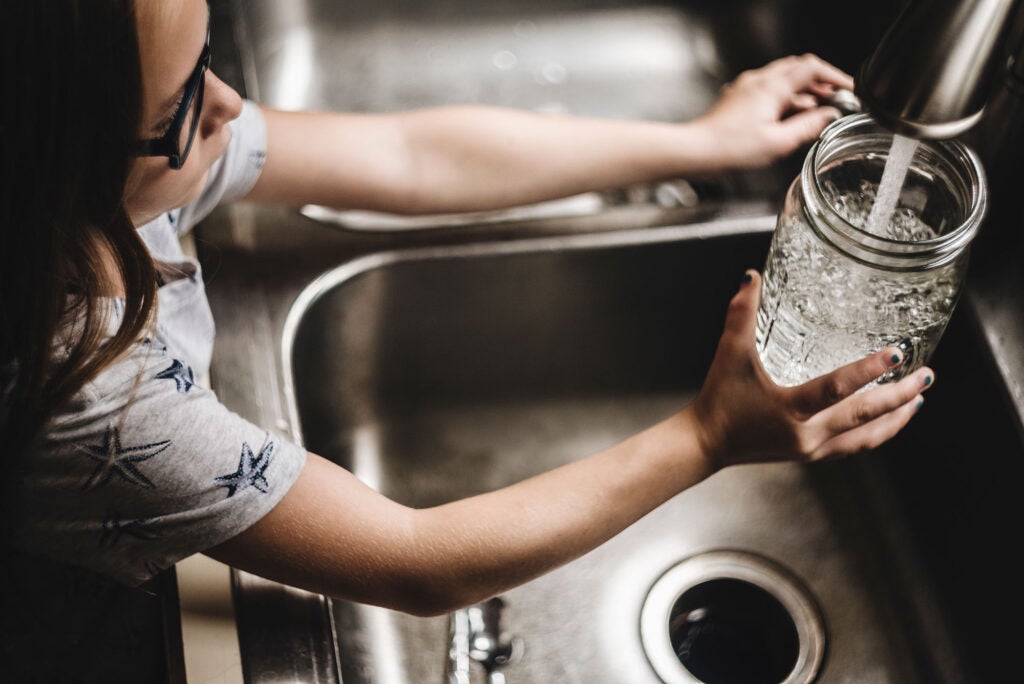
Drinking water is one of the most common routes of exposure to PFAS. PFAS have polluted the tap water of at least 16 million people in 33 states and Puerto Rico, as well as groundwater in at least 38 states.
(Yipeng Ge / Getty Images)
Update May 22, 2026

EPA Backtracks on First-Ever Limits on Forever Chemicals

The EPA's plans would jeopardize the drinking water of up to 105 million people across the U.S.
Almost everyone in the U.S. has traces of PFAS in their body because the chemicals have contaminated the air, soil, and water — including the drinking water for approximately 200 million people nationwide. (Cavan Images)
From the Experts May 18, 2026

The EPA Says It’s Tough on Forever Chemicals, So Why Is Zeldin Weakening PFAS Rules?

PFAS rollbacks raise serious questions about whose side the agency is on.
Drinking water is one of the most common routes of exposure to PFAS. PFAS have polluted the tap water of at least 16 million people in 33 states and Puerto Rico, as well as groundwater in at least 38 states.
(Yipeng Ge / Getty Images)
Press Release May 18, 2026

Trump EPA Proposes to Eliminate and Delay Protections from Toxic Forever Chemicals in Drinking Water

The plan would weaken protections for up to 105 million people nationwide
Press Release April 2, 2026

EPA Busca Atribuirse el Mérito por Lista de Vigilancia de Contaminantes Mientras Desmantela Protecciones Existentes

Mientras afirma promover la salud, la EPA está eliminando las protecciones contra sustancias químicas tóxicas presentes en el aire, los alimentos y el agua
Almost everyone in the U.S. has traces of PFAS in their body because the chemicals have contaminated the air, soil, and water — including the drinking water for approximately 200 million people nationwide. (Cavan Images)
Press Release April 2, 2026

Zeldin’s EPA Seeks Credit for Contaminant Watchlist While Rolling Back Existing Protections

While claiming to promote health, the EPA is removing protections from toxic chemicals in air, food, and water
A spreader applies sewage sludge to a farm field in Wellston, Okla. (Joshua A. Bickel / AP)
Press Release March 31, 2026

Conservation and Law Groups Support Challenge of EPA’s Failure to Regulate PFAS in Sewage Sludge Used as Fertilizer

EPA fails to protect farmers, truck drivers, and families from the harm of toxic sludge
document March 31, 2026

U.S. Court of Appeals: EPA Amici Curiae PFAS Sewage Sludge

Conservation Law Foundation (CLF) and partner organizations, including the Kentucky Resources Council (KRC) and Earthjustice, have filed briefs in support of an appeal challenging the EPA’s failure to protect communities…
Environmental Protection Agency scientists sort samples for experimentation as part of drinking water and PFAS research at the EPA Center For Environmental Solutions and Emergency Response in Cincinnati. (Joshua A. Bickel / AP)
From the Experts February 19, 2026

They Got U.S. Cleaner Air and Water. Now This Administration Is Driving Them Away.

Closing EPA labs means dirtier air, unsafe water, and sicker communities.
(Wesley Tingey / Unsplash)
feature February 13, 2026

La administración Trump y sus mentiras sobre MAHA

Lo que está en el reporte, lo que la comisión MAHA recomienda — y lo que la administración Trump está haciendo realmente
(Wesley Tingey / Unsplash)
feature January 16, 2026

The Trump Administration’s MAHA Lies

On PFAS, pesticides, food additives, and more — what the MAHA commission said in their report, what the MAHA commission recommends and what the Trump administration is actually doing
Isocycloseram, a “forever chemical” insecticide that falls into the class of highly persistent PFAS, was approved for use on a host of food crops, including tomatoes, oranges, and more. (Colby Winfield / Unsplash)
Press Release January 15, 2026

Lawsuit Challenges Trump EPA’s Latest Approval of ‘Forever Chemical’ Pesticide

Isocycloseram was approved for use on golf courses, lawns, and a host of food crops
Press Release December 18, 2025

CO Air Quality Control Commission OK’s Rule to Rein in Air Pollution from Landfills

Groups hope rule will incentivize waste diversion and composting in Colorado
In the News: The Southern Maryland Chronicle December 9, 2025

Concerns raised about ‘forever chemicals’ in data centers

Jonathan Kalmuss-Katz, Attorney, Toxic Exposure & Health Program, Earthjustice: “If you want to build these data centers, it [can’t] come at the expense of public health. If that message comes clearly from federal, state and local regulators, then these kinds of companies … that claim to be at the forefront…