

This is our last chance to speak directly to EGLE and urge them to protect the Great Lakes.
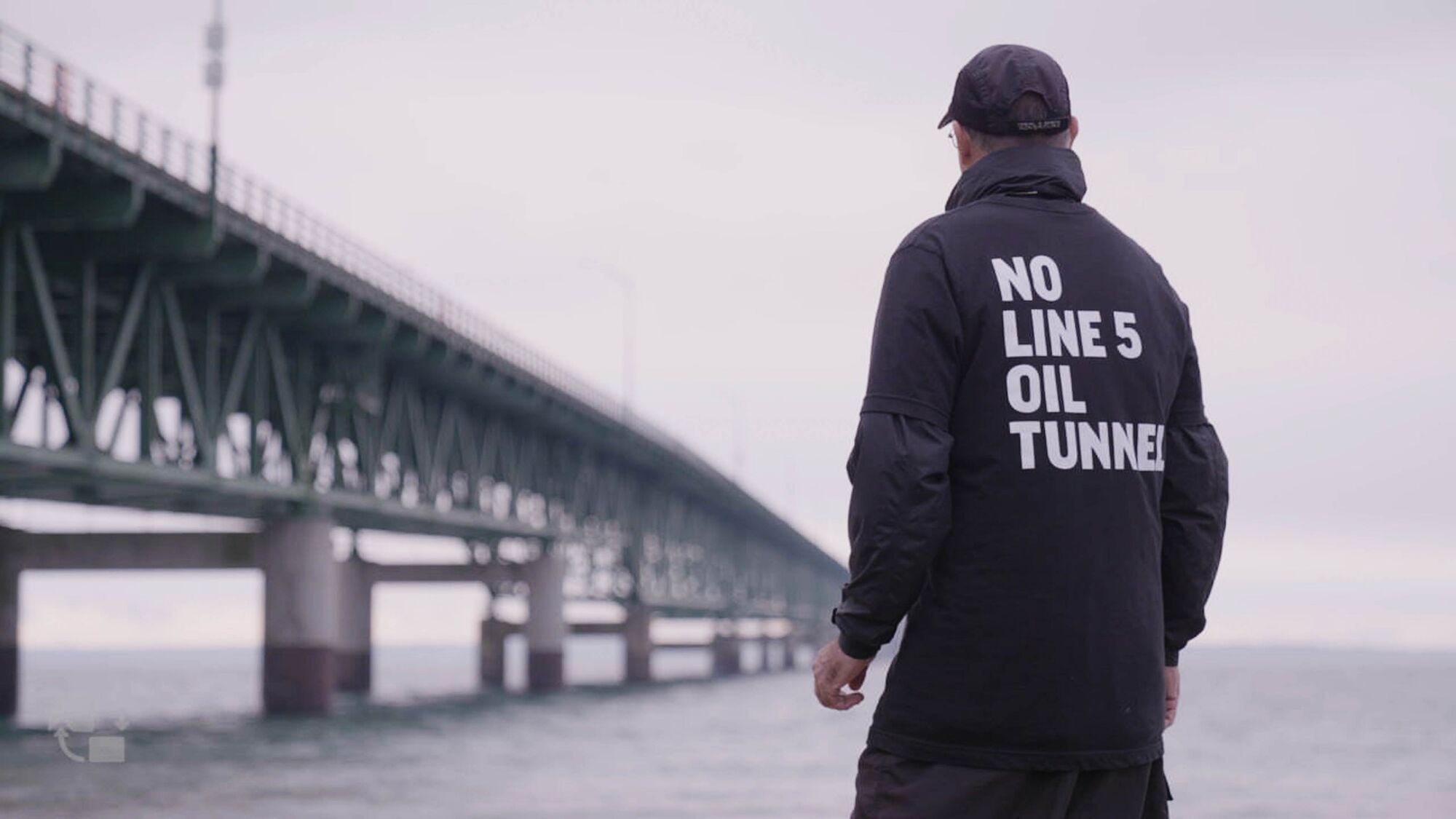
On Thursday, June 18, 2026, Michigan’s Department of Energy, Great Lakes, and Environment (EGLE) will hold a virtual public hearing on Enbridge’s proposed tunnel project that would keep oil pumping through the aging Line 5 pipeline.
This hearing will include a short informational session followed by the public hearing where statements will be entered into the public record.
This is our last chance to speak directly to EGLE and urge them to protect the Great Lakes.
Earthjustice and the Native American Rights Fund (NARF) represent the Bay Mills Indian Community in opposing the tunnel project, which threatens the economic and cultural survival of Indigenous communities across the region.
Public comment helps show that communities across the country are paying attention and demanding accountability.
You do not need to be a lawyer, scientist, or policy expert to participate. Personal stories and community concerns matter.
Quick Start: How to Participate
Step 1: Register for the EGLE hearing
- Pleaser register early. Speaking slots may fill up.
EGLE Virtual Public Hearing
Thursday, June 18, 2026
5:00 p.m. CT / 6:00 p.m. ET
Step 2: Prepare your public comment
Your public comment can be short and simple. You can:
- Read directly from prepared notes
- Speak conversationally
- Share personal concerns
- Use the talking points below
- Combine personal experience with broader concerns
Public comment is likely to be limited to just a few minutes, but even a short statement can make a difference. A good rule of thumb:
- 1 minute ≈ 150 words
- 5 minutes ≈ 750 words
Step 3: Deliver your public comment virtually
You can speak from:
- Your computer
- Your phone
You do not need to stay for the entire hearing.
During the hearing:
- You will likely wait in a virtual queue until your name is called
- Your microphone will be muted until it is your turn
- You may simply read your prepared remarks aloud
Step 4: Send us your public comment
Once you prepare your public comment, please send us a copy so we can better understand how supporters are engaging and help track participation.
We are incredibly thankful for your effort in this work. Thank you.
We’ll send reminders and additional details as the hearing approaches.
What Enbridge is Proposing
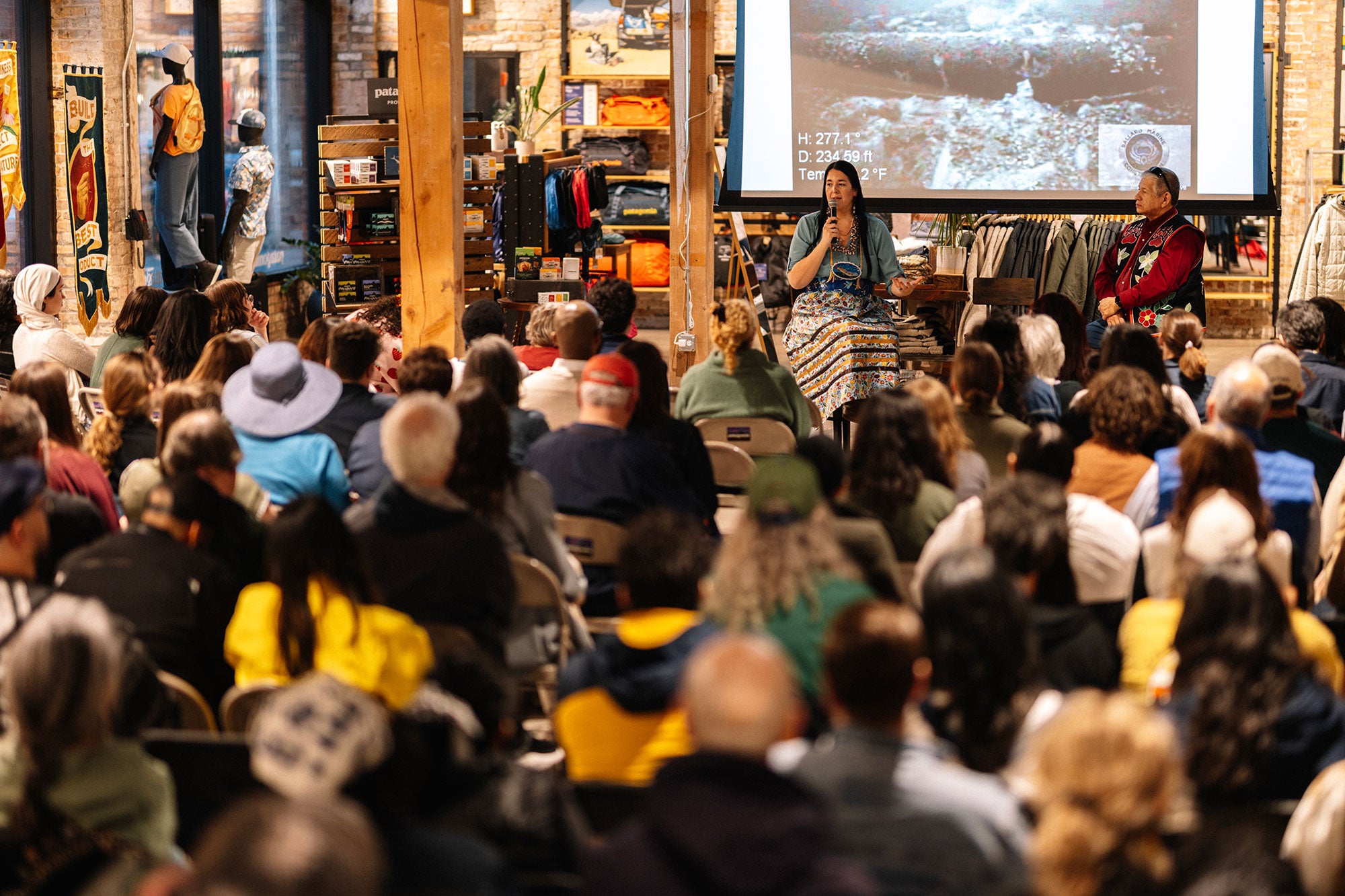
Enbridge is proposing to build a massive underground tunnel below the Straits of Mackinac to house a replacement section of its Line 5 pipeline, keeping oil pumping through the Great Lakes for another 99 years.
Among other impacts, the tunnel project would:
- Disturb Indigenous cultural sites
- Destroy wetlands, wipe out fish and bird species, and interrupt recreation and tourism income on both sides of the Straits
- Ruin the views at Headlands International Dark Sky Park, McGulpin Lighthouse, and Colonial Michilimackinac Historic State Park
- Add close to 300 trucks to local roads every day for six years
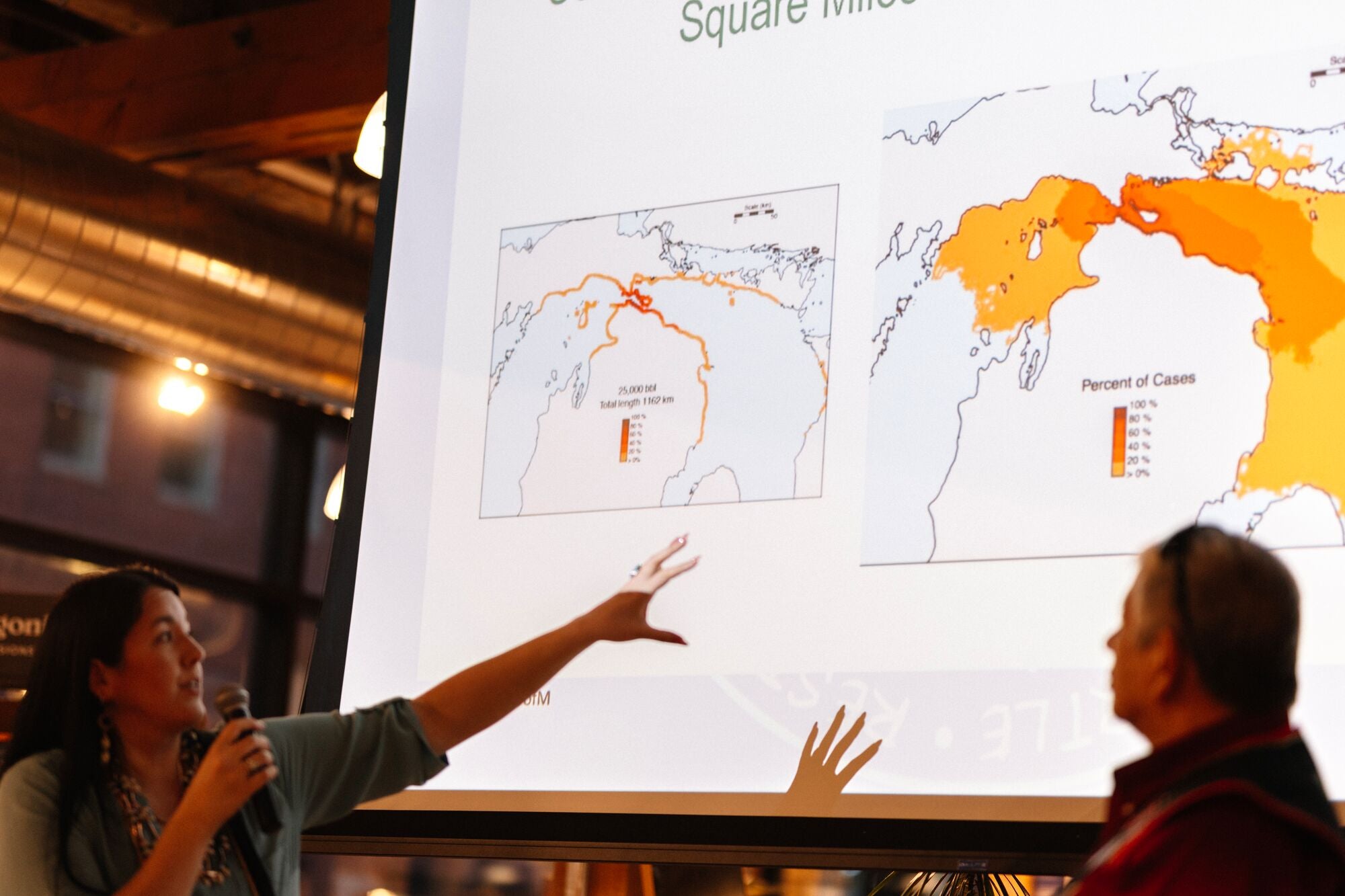
- Risk the spill of drilling fluid, petroleum, and other discharges into the Straits
- Prolong the risk of an oil spill anywhere along the 645-mile length of Line 5 for another century
- Lead to a net increase of 27 million metric tons of CO₂ emissions each year
Why Your Public Comment Matters
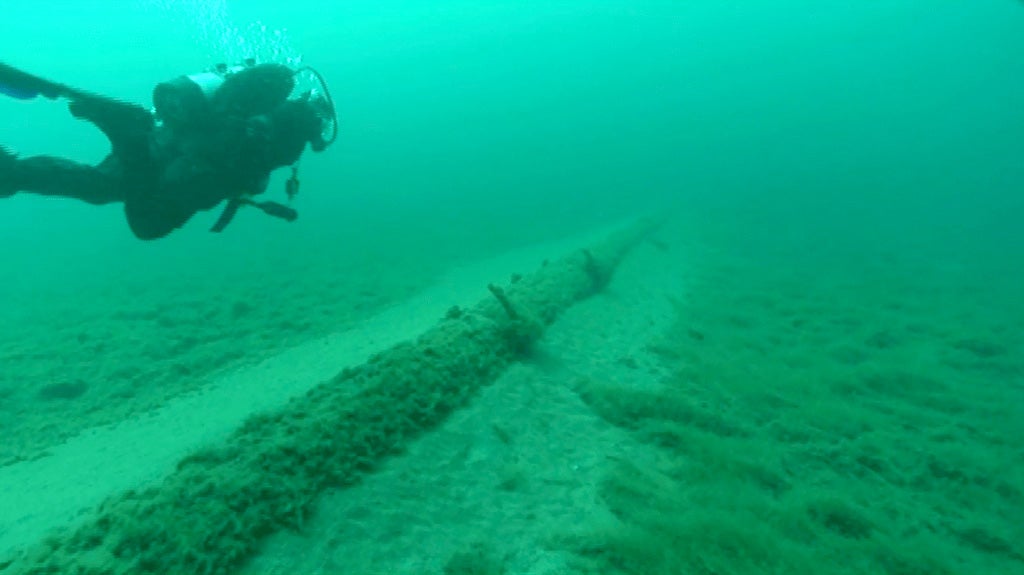
Public comment helps:
- Demonstrate widespread opposition to the tunnel project
- Build a strong public record
- Show EGLE that communities are paying attention
- Elevate the experiences and concerns of people affected by the project
- Push back against industry pressure
Key Talking Points
- The NPDES permit would authorize the withdrawal and discharge of up to 5 million gallons per day of cooling water from the Straits of Mackinac to allow the construction of the tunnel.
- The oil tunnel would mean at least six years of noisy, dusty, and unsightly construction at the Straits of Mackinac, a sacred site for Anishinaabe tribes.
- It will destroy wetlands, wipe out fish and bird species, and interrupt recreation and tourism income.
- Spills could occur at every stage of construction and operation of the tunnel.
- Running a hazardous liquids pipeline through a confined underground tunnel has never been implemented anywhere else in the world, and the center of the Great Lakes is no place for an experiment.
- Approving the tunnel would directly undermine EGLE’s mission “to protect Michigan’s environment and public health” by extending the risk of an oil spill and facilitating millions more metric tons of carbon emissions each year.
- Michigan doesn’t need Line 5. The pipeline delivers most of its oil and gas back to Canadian consumers, and Enbridge’s own experts have said that shutting down Line 5 would have little impact on gas prices or fuel supplies in Michigan.
- I urge you to take a stand for the people of Michigan and for the Great Lakes by rejecting this NPDES permit.
Tips for a Strong Public Comment
Make it personal.
You do not need technical expertise for your public comment to matter. You can talk about:
- Concerns about drinking water
- Harms to fisheries
- Pollution in the Great Lakes
- Injustice to Tribal communities
- Your concern for future generations
- Why clean water matters to you
Keep it simple.
A clear and sincere statement is often more powerful than a highly technical one.
End with a clear ask.
Examples:
- “I urge you to take a stand for the people of Michigan and for the Great Lakes by rejecting this NPDES permit.”
- “EGLE must protect communities, not corporations.”
- “Please deny this permit.”
Sample public comment structure:
Public comment should flow like this:
“Hi, my name is [name], in [my state].
“I am concerned about [list the reasons you are personally worried — examples can include: the health of my children, harms to fish, contaminated sources of drinking water, going boating or swimming, etc.].
“Thank you for listening. [End with a clear ask]”
A Few Final Reminders
You are speaking on your own behalf, not on behalf of Earthjustice.
- You do not need to be an expert to participate.
- Short public comment still matters.
- Personal stories and concerns are powerful.
- Register early because speaking slots may fill up.
Thank you for speaking up for clean water, healthy communities, and tribal sovereignty.
Earthjustice’s Midwest office works to partner with and support communities and Tribes fighting for environmental and climate justice. We also aim to protect our region’s precious places and wildlife, and build sustainable energy and climate solutions.