

Summer 2026
Program Report
The Boundary Waters Canoe Area Wilderness in Minnesota. Earthjustice is defending this vast, pristine habitat from toxic mining.
Brad Zweerink / Earthjustice
In this report
The Trump administration is still striving to undercut environmental protections. At the same time, its allies are putting key regulations and laws under threat from federal agency decisions, congressional actions, and lawsuits.
With your partnership, we’re meeting these challenges head-on, on every front:
- Our 200-plus attorneys fight in courts and other venues to represent the public interest.
- Our more than 60 communications specialists educate the public everywhere from Alaska to Puerto Rico.
- And a team of over 20 policy experts from our sister organization Earthjustice Action work on Capitol Hill to advocate for stronger laws every day.
By wielding the full force of the law, the public, and politics, we will defend our natural world and advance our vision of a thriving, safe future for all. Your support helps to empower this work.
Thank you for being part of this fight.
Clean Energy and a Safer Climate
Earthjustice is advancing progress toward a safe, sustainable climate by ensuring the U.S. is supporting — rather than obstructing — the public’s use of clean energy technologies, such as electric vehicles (EVs).
Related to that, we are also ensuring that governments can meet the public’s demand for strong regulations against climate pollution.
We are also working to address the supply side of the fossil fuel industry by directly challenging dangerous oil and gas projects, such as those in the Gulf of Mexico.
Despite dangerous, pro-fossil fuel decisions by the Trump administration and its allies, our nation’s transition to 100% clean energy is still underway. This is crucial, as shifting away from fossil fuels is key to slowing climate change and limiting its associated harms.
Victory
$5 billion for EV charging stations
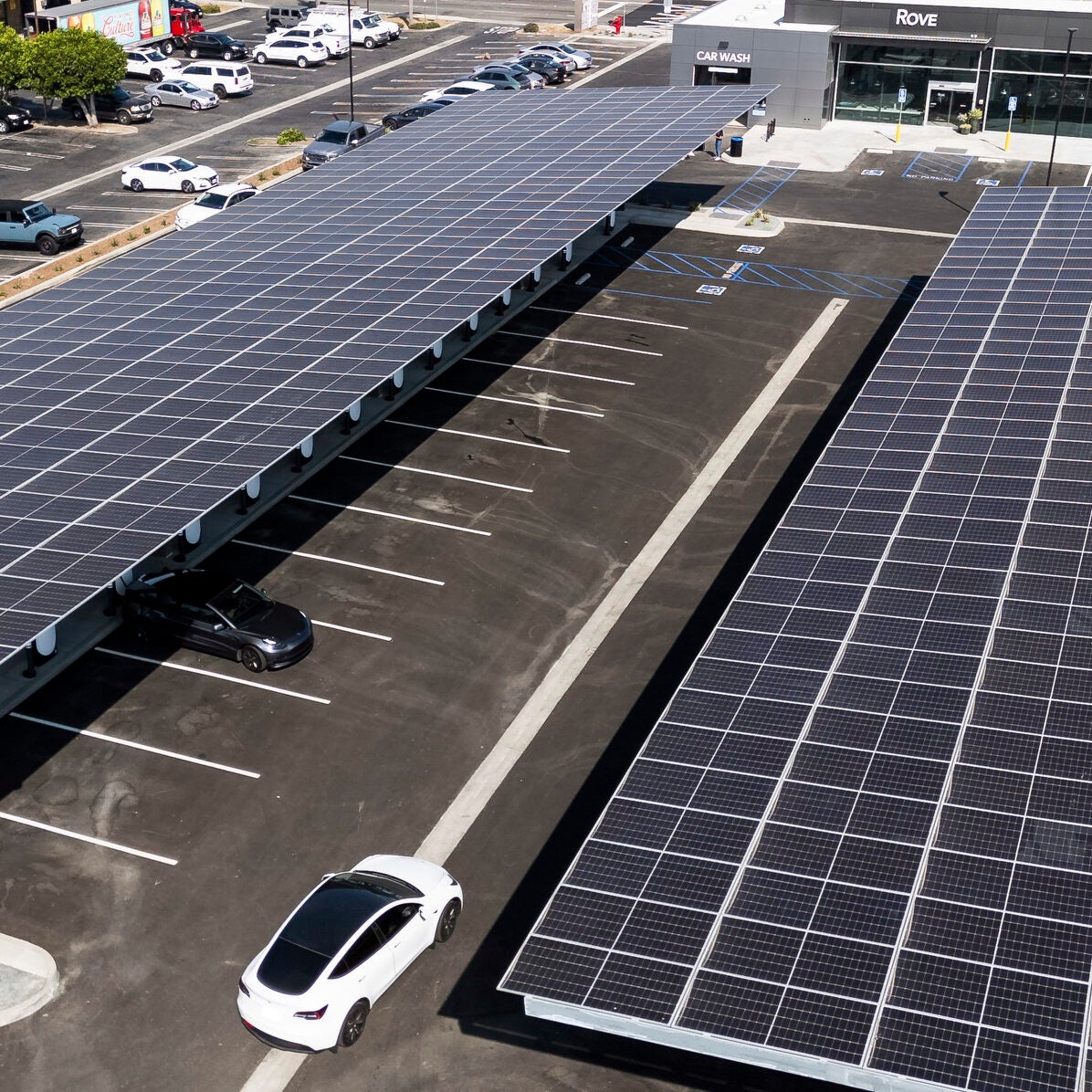
After Congress allocated $5 billion to build out a nationwide network of EV chargers, the Trump administration illegally froze those funds. As a result, Earthjustice joined a lawsuit filed by 17 states (led by Washington, Colorado, and California) to challenge the administration.
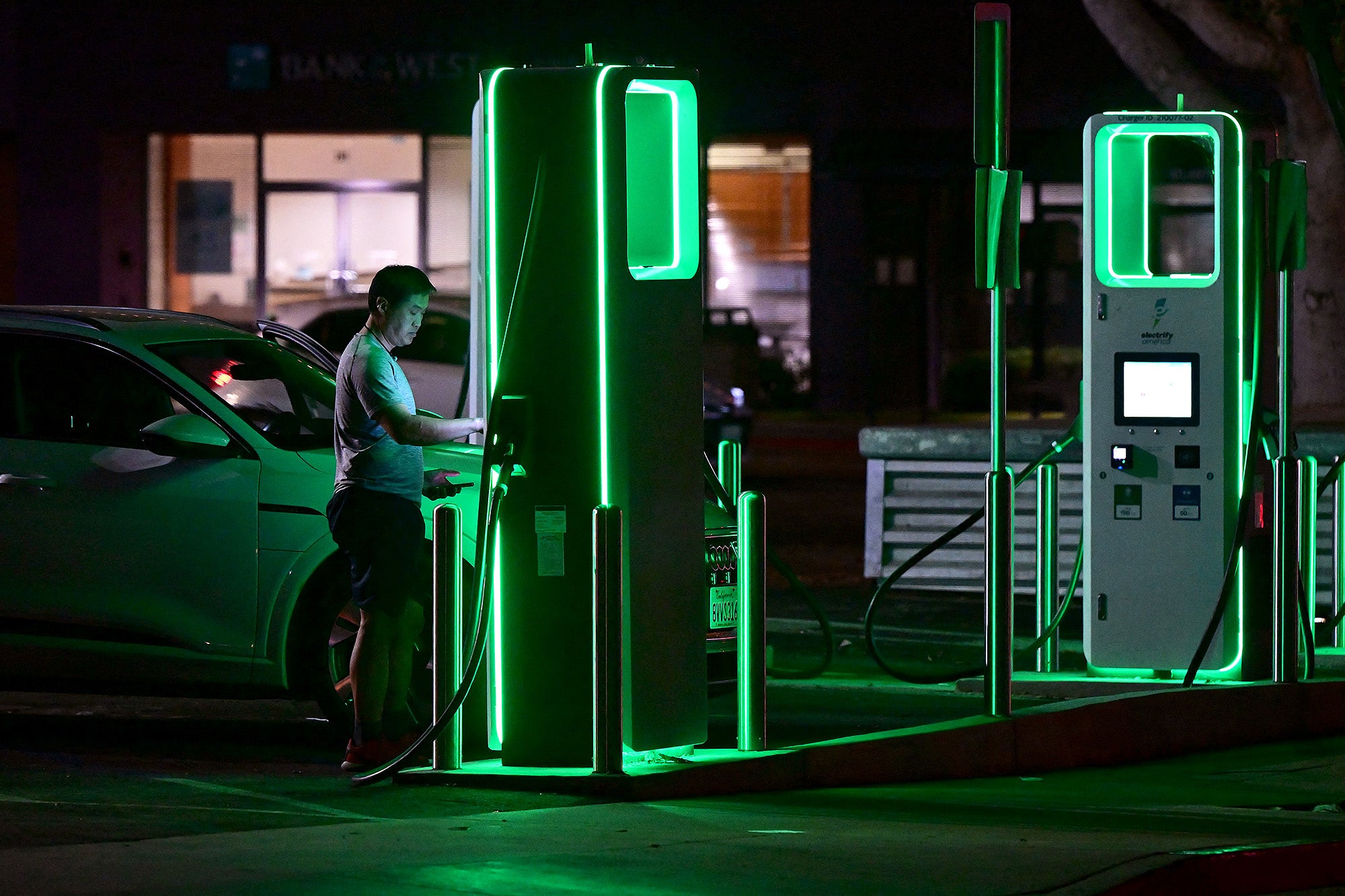
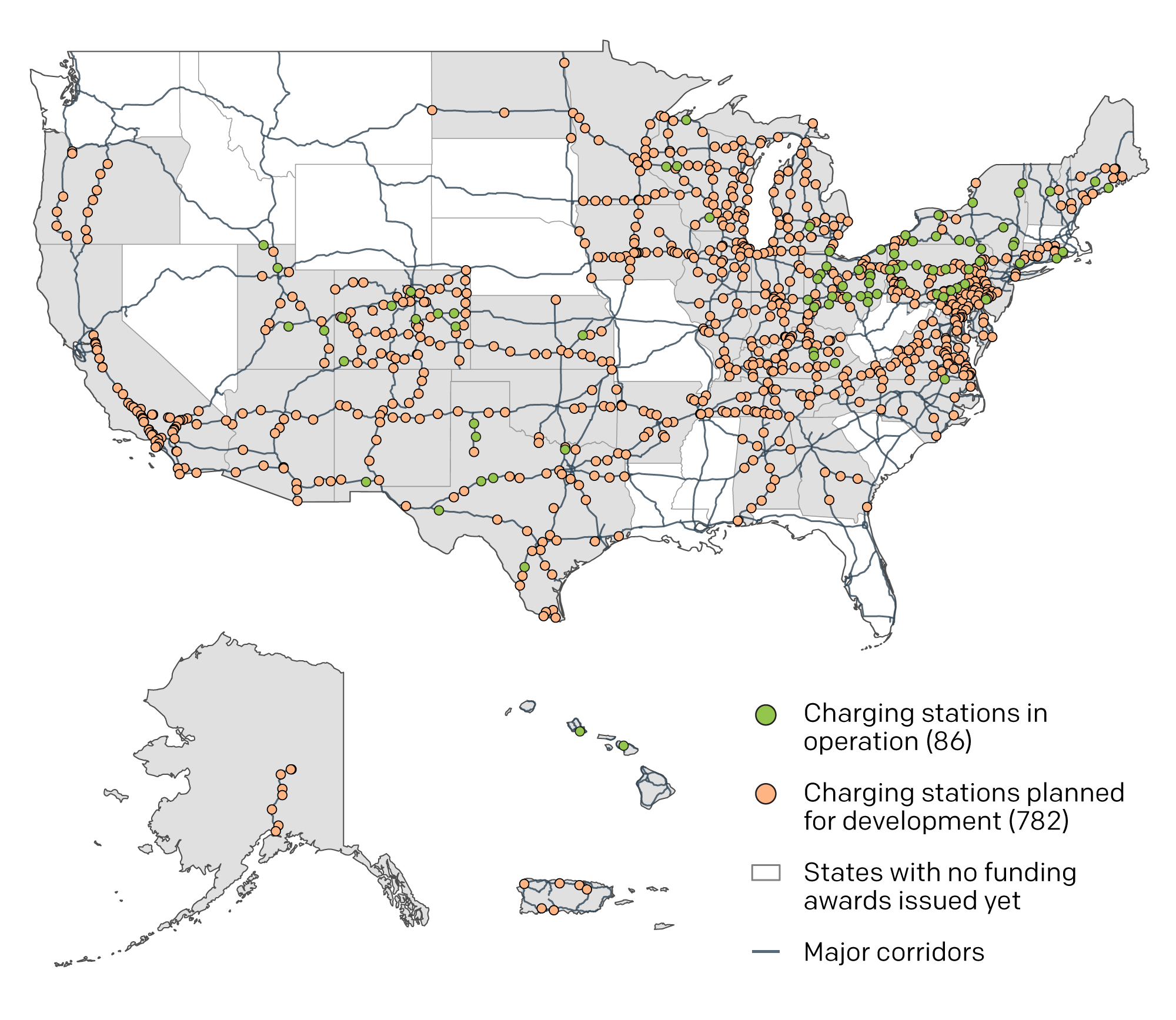
In a big win this year, a federal judge ruled against the Trump administration and unfroze the funding. Now, states and other jurisdictions can access the $5 billion in National Electric Vehicle Infrastructure Formula Program (NEVI) funding to build EV charging stations every 50 miles on major corridors across the nation.
The court also permanently barred the Trump administration from withdrawing states’ funds, canceling implementation plans, or otherwise interfering with NEVI.
All 50 states, as well as Washington, D.C., and Puerto Rico, submitted plans to use program funds. NEVI can help to facilitate the use and adoption of EVs, which in turn may reduce the massive greenhouse gas emissions from the transportation sector.
Lawsuit Filed
Ultra-deepwater Oil Drilling
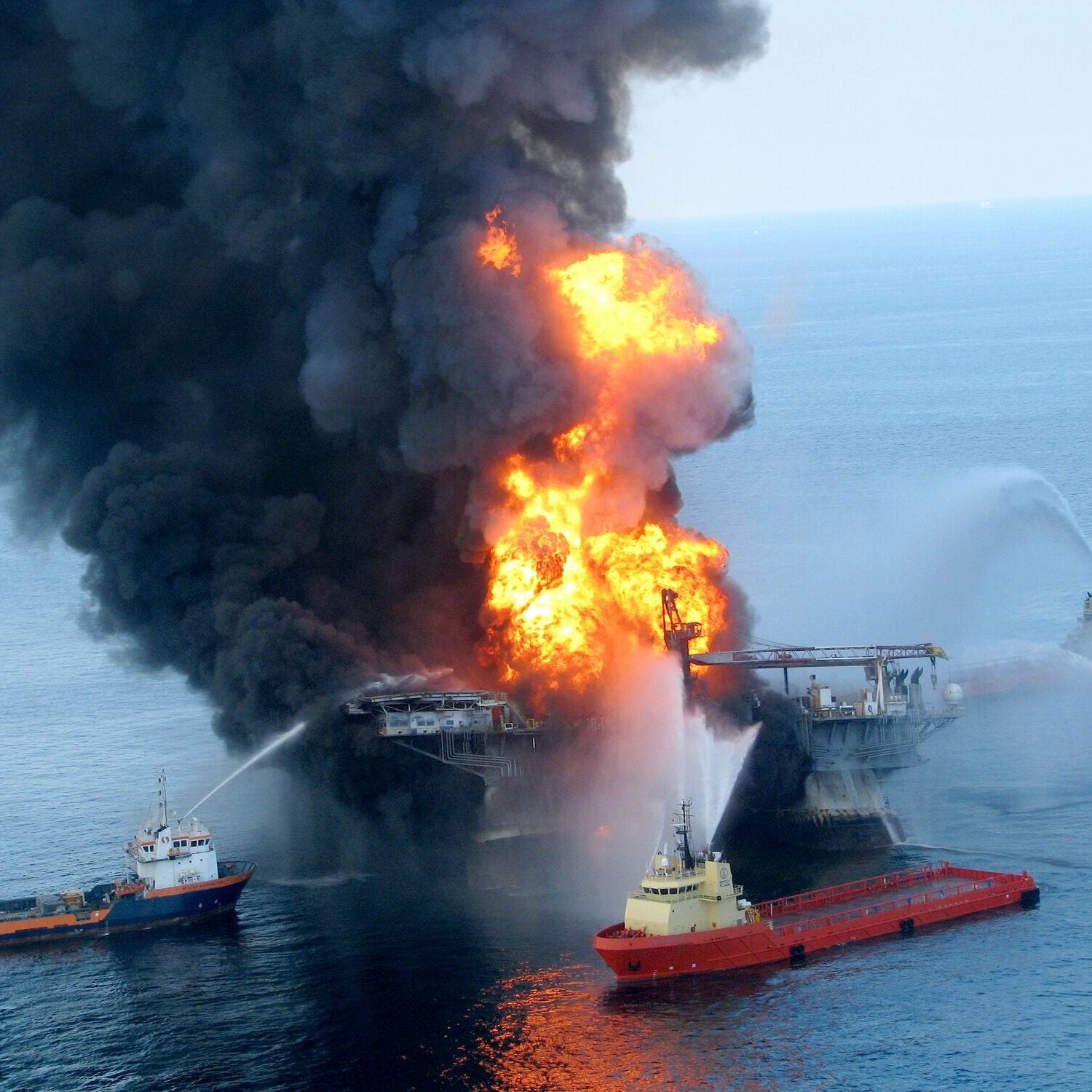
On behalf of Gulf and environmental groups, we sued the Trump administration in April 2026 over its approval of BP’s new oil drilling project in the Gulf of Mexico. This is a high-pressure, high-temperature, ultra-deepwater oil drilling project known as Kaskida.
A fossil fuel industry association reports that a project like Kaskida is six times more likely to experience the type of incident that caused BP’s Deepwater Horizon oil spill in 2010.
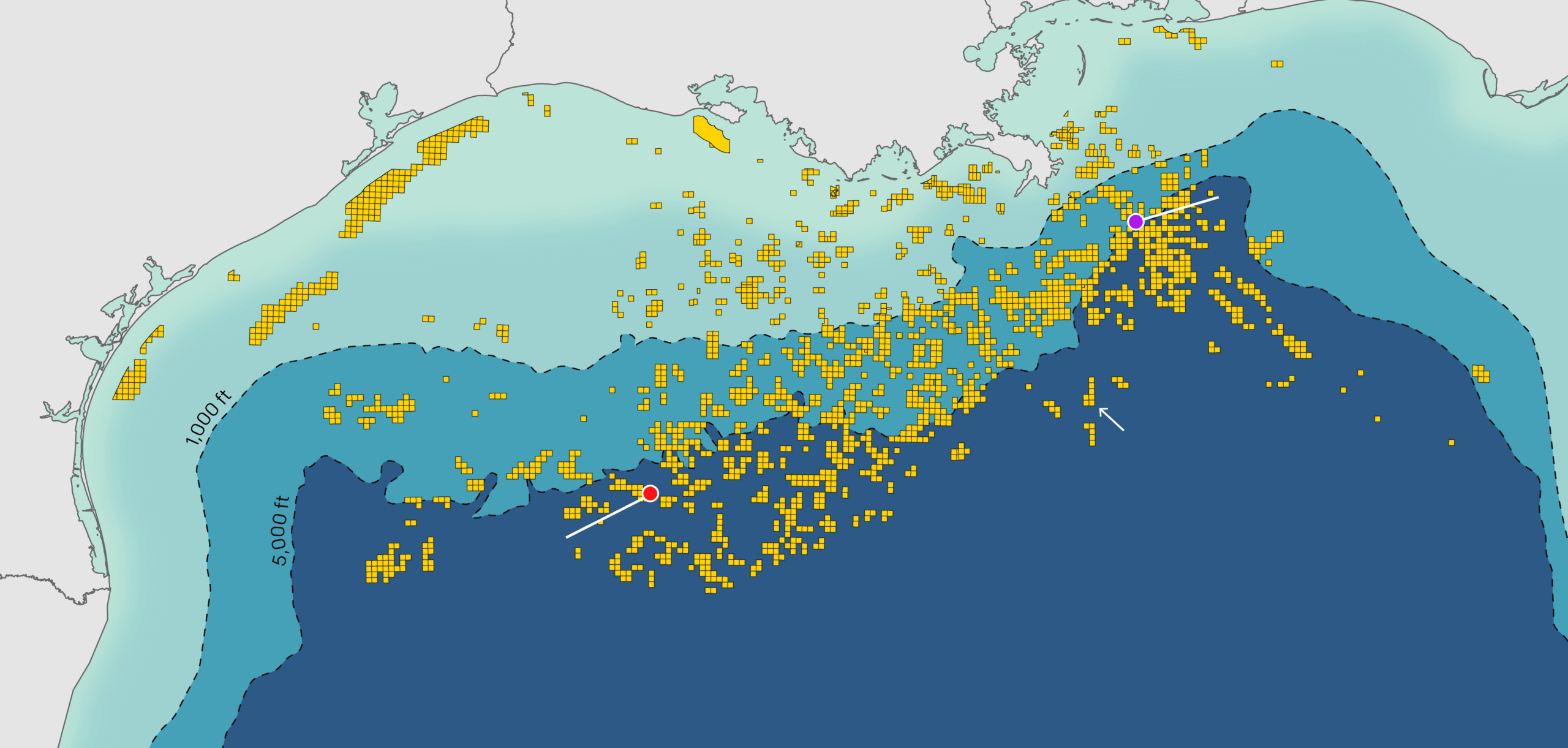
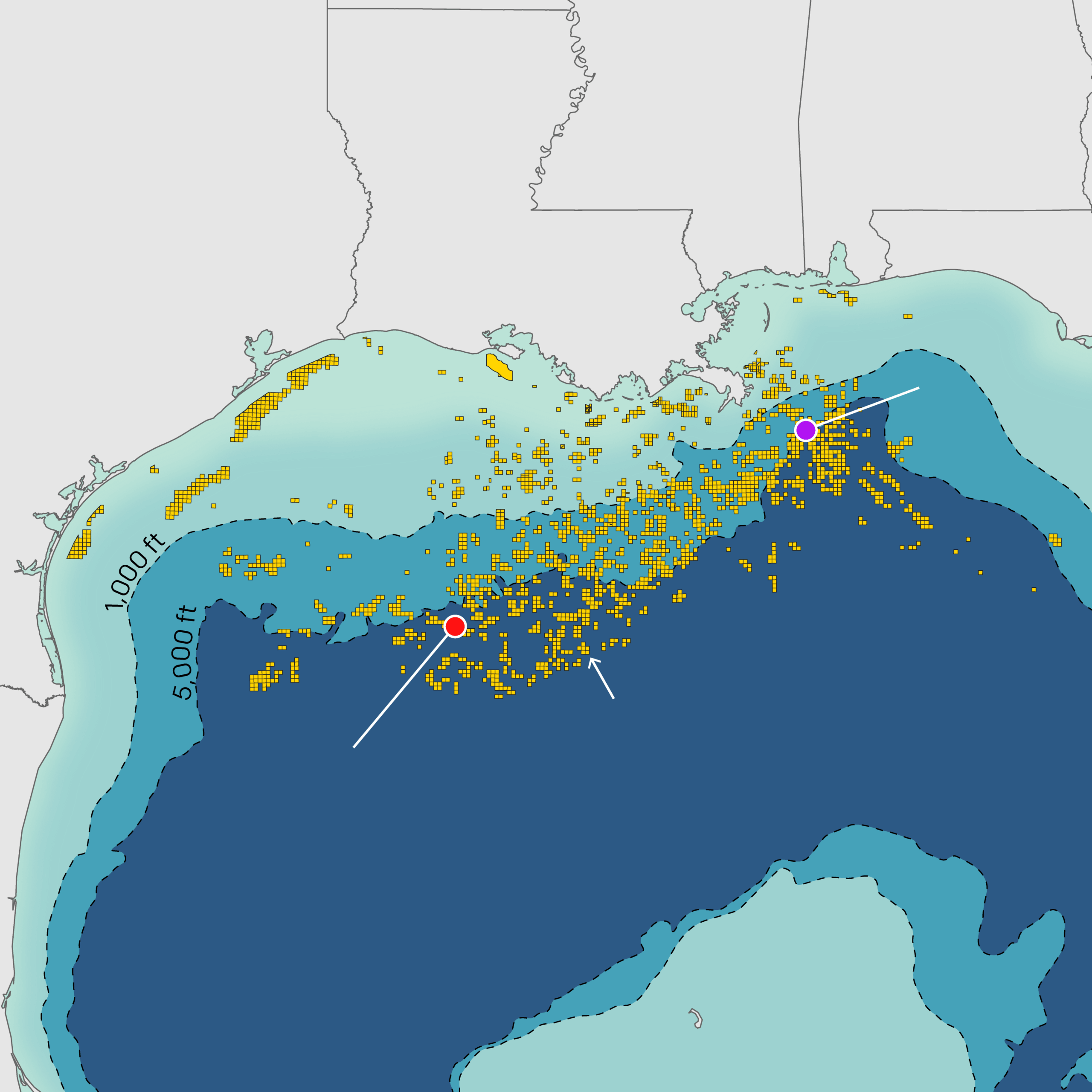
Oil companies target deeper, riskier waters in the Gulf of Mexico
BP’s Kaskida offshore oil drilling project is part of an alarming trend of companies pursuing leases in ever deeper public waters since the 2010 BP Deepwater Horizon disaster.
Shallow
water wells
Deepwater
wells
Ultra-deepwater wells

0 –
1,000 ft
1,000 –
5,000 ft
Deepwater
Horizon
5,000 ft
Kaskida
6,200 ft
5,000 –
12,000 ft
Deepwater Horizon
5,000 ft
Kaskida
6,200 ft

0–1,000 ft
1,000–5,000 ft
5,000–12,000 ft
Shallow
water wells
Deepwater
wells
Ultra-deepwater
wells
The latest leases go to at least 2034. Lease terms are usually extended for decades.
Deepwater Horizon
Kaskida
As of Feb. 27, 2026, there are nearly 2,000 active offshore lease blocks. Most are in deepwater and ultra-deepwater, where accidents and spills are much more likely to occur.
Source: Active lease polygons, BOEM, 2/27/2026. Depth bathymetry, GEBCO_2020 Grid.
Deepwater Horizon
Kaskida
As of Feb. 27, 2026, there are nearly 2,000 active offshore lease blocks. Most are in deepwater and ultra-deepwater, where accidents and spills are much more likely to occur.
Source: Active lease polygons, BOEM, 2/27/2026. Depth bathymetry, GEBCO_2020 Grid.
While the Trump administration reviewed plans for Kaskida, members of the public — including more than 37,000 Earthjustice supporters who were rallied by our communications team — submitted tens of thousands of comment letters.
Meanwhile, our policy advocacy team helped to secure a congressional letter urging the administration to reject this dangerous project. These actions likely helped push the administration to withhold approval for Kaskida’s initial plans. But in March 2026, the administration approved revised plans from BP.
We cannot afford to make this mistake again. We’re committed to fighting the approval of this or any reckless oil project.

Lawsuit Filed
The Endangerment Finding and Climate Action
As part of a broad coalition of environmental and health groups, we sued the EPA in February 2026. We are challenging the Trump administration’s rollback of the “endangerment finding” and its repeal of carbon pollution standards for vehicle emissions.
Back in 2009, the EPA officially recognized that greenhouse gases endanger public health and welfare by driving climate change. From this “endangerment finding” came federal regulations limiting emissions from power plants, vehicles, and other polluting sources.
For nearly 20 years, these regulations have safeguarded public health and the environment, spurred manufacturers to make cleaner cars, and helped align the U.S. with global climate commitments.
We’re working to ensure the administration does not ignore scientific consensus and the reality that people across the country are living with deadly heat, wildfires, floods, and toxic air caused by fossil fuel pollution.
Three Questions for Laura Thoms, Director of Enforcement
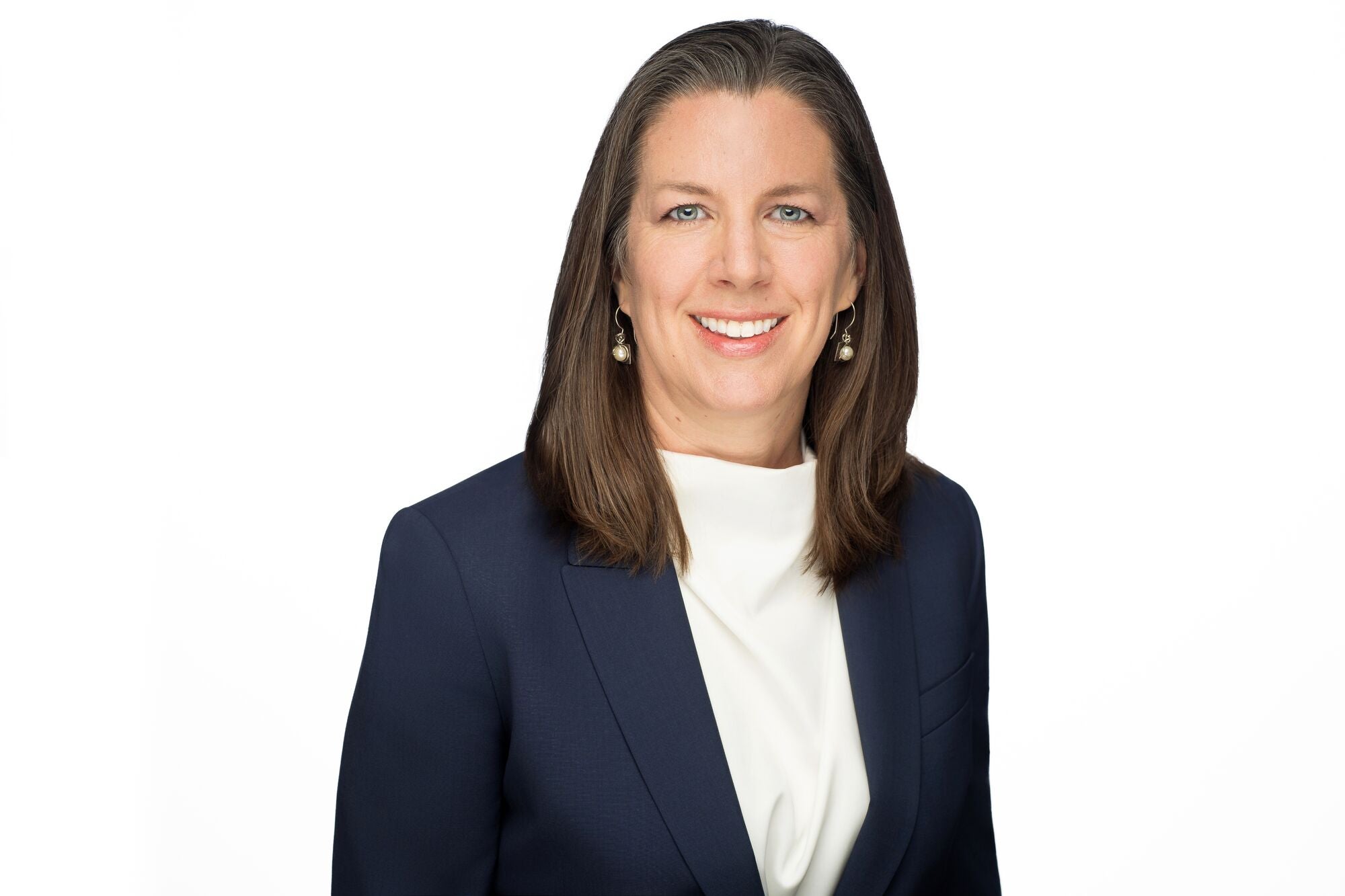
Laura Thoms spent nearly two decades with the U.S. Department of Justice’s Environmental Enforcement Section before joining Earthjustice to lead our new enforcement team.
What is “enforcement”?
The practice of holding companies accountable for following the law.
Without enforcement, environmental laws are just requests. Companies can dump toxic waste in our rivers, release more soot and smog, spew cancer-causing chemicals into the air, and basically cut every corner that saves them a dollar but costs the rest of us in medical bills, lower property values, and premature deaths.
Is the federal government still doing enforcement work?
In its first year, the current Trump administration filed only 16 civil environmental enforcement cases — a historic low.
For comparison, the previous Trump administration brought an average of 91 enforcement cases each year. This isn’t a dip. It’s a collapse.
What is Earthjustice doing?
We’ve launched two marquee enforcement actions against major polluters:
- Against xAI for powering its data center with unpermitted gas turbines that emit hundreds of tons of harmful pollutants into the air
- Against a large plastics company discharging microplastics into waterways
With these actions, our goal is to not only achieve cleaner air and water, but also deter future bad actors.
These cases are just the start. While the administration bends over backward to help corporations escape their legal obligations, Earthjustice is ramping up our own enforcement work to protect communities and ensure that environmental laws are worth more than the paper they’re written on.
Justice and Health for All
Every community deserves access to clean air, clean water, and safe foods and products.
Earthjustice is working to drive forward new solutions to protect public health and to hold polluting and extractive industries accountable for their impact on people’s lives.
Victory
The Nation’s First Congestion Pricing Program
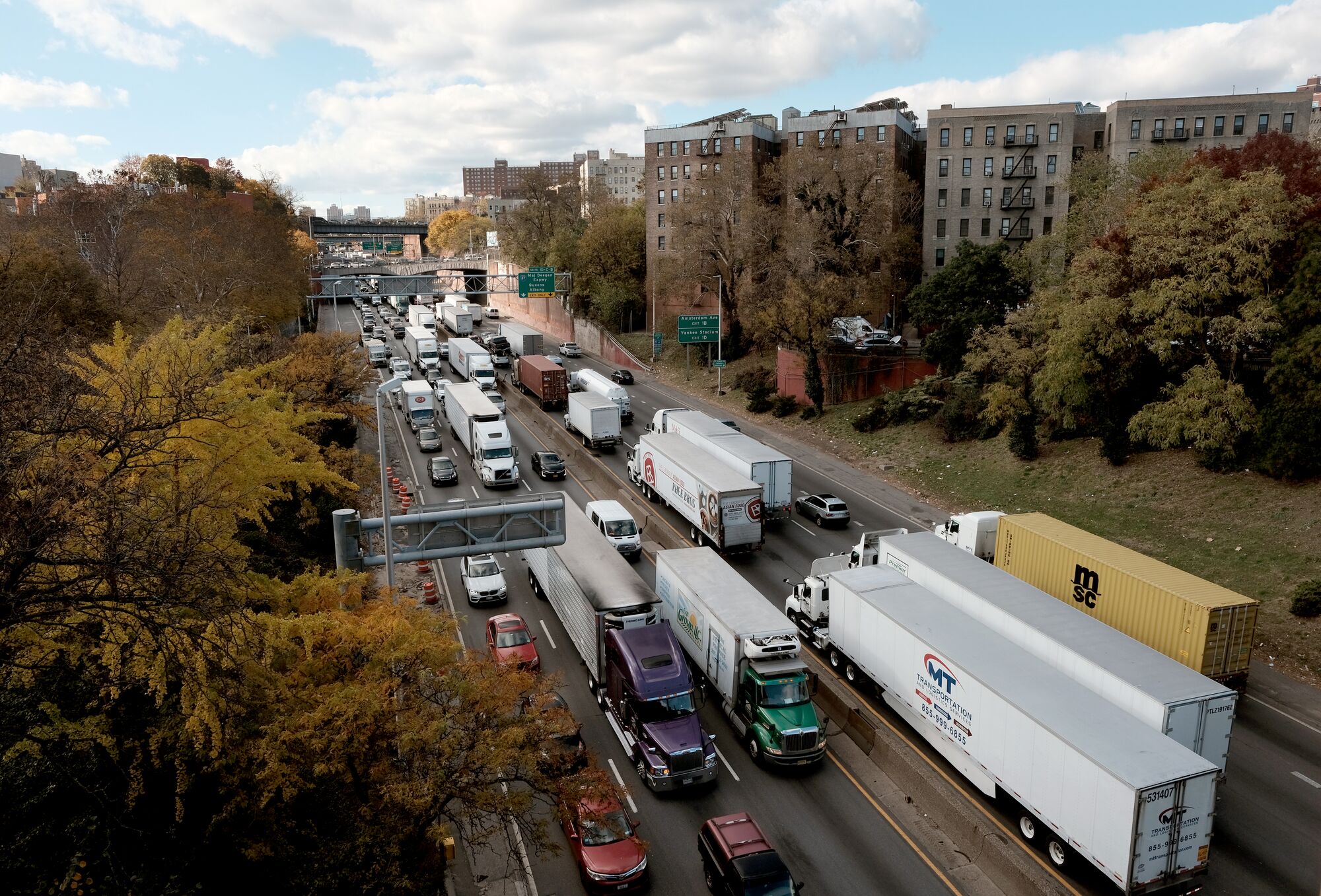
In New York City, polluting traffic fumes are one of the city’s largest sources of greenhouse gases. They were also linked to illnesses like asthma and heart disease and over 1,000 premature deaths each year.
However, since launching its congestion pricing program in January 2025, the city has reduced its infamous gridlock traffic and improved air quality as far out as into the suburbs.


On top of that, communities are benefiting from faster commutes, safer streets, and hundreds of millions of dollars to fund public transit improvements. The congestion pricing program charges most vehicles a $9 toll during peak hours to enter Manhattan’s central business district. This successful program can serve as a model for cities across the country.
It’s also a useful case study of our multi-pronged approach:
The Power of the Law, the Public, and Politics
Litigation
When the Trump administration made a last-ditch effort to block the program, we went back to court to help defend it.
We celebrated a win in March 2026 as the court shut down the administration’s attack on congestion pricing, which remains in effect and continues to protect New Yorkers’ health and improve transit.
Alexander Spatari / Getty Images
Communications
Growing public support was key to building the political will for congestion pricing.
Through regular outreach to local and national media, we helped to get the word out about the program and its benefits.
Nydia Gutierrez / Earthjustice
Policy
Our team worked with coalition partners when Gov. Hochul attempted to stop the program, making the case for this first-in-the-nation initiative and encouraging legislators to hold the line.
Patrick Dodson for Earthjustice
Victory
Protecting Consumers from Greenwashing in the Beef Industry
We took Tyson Foods to court to challenge its claims to be net-zero by 2050 and to have a Climate Smart Beef Program. Tyson is the second largest meat producer in the U.S. and the world.
In November 2025, we settled the case on terms that will prevent Tyson from making the same or similar claims for a period of five years unless those claims can be substantiated by an expert agreed to by both our client and Tyson.
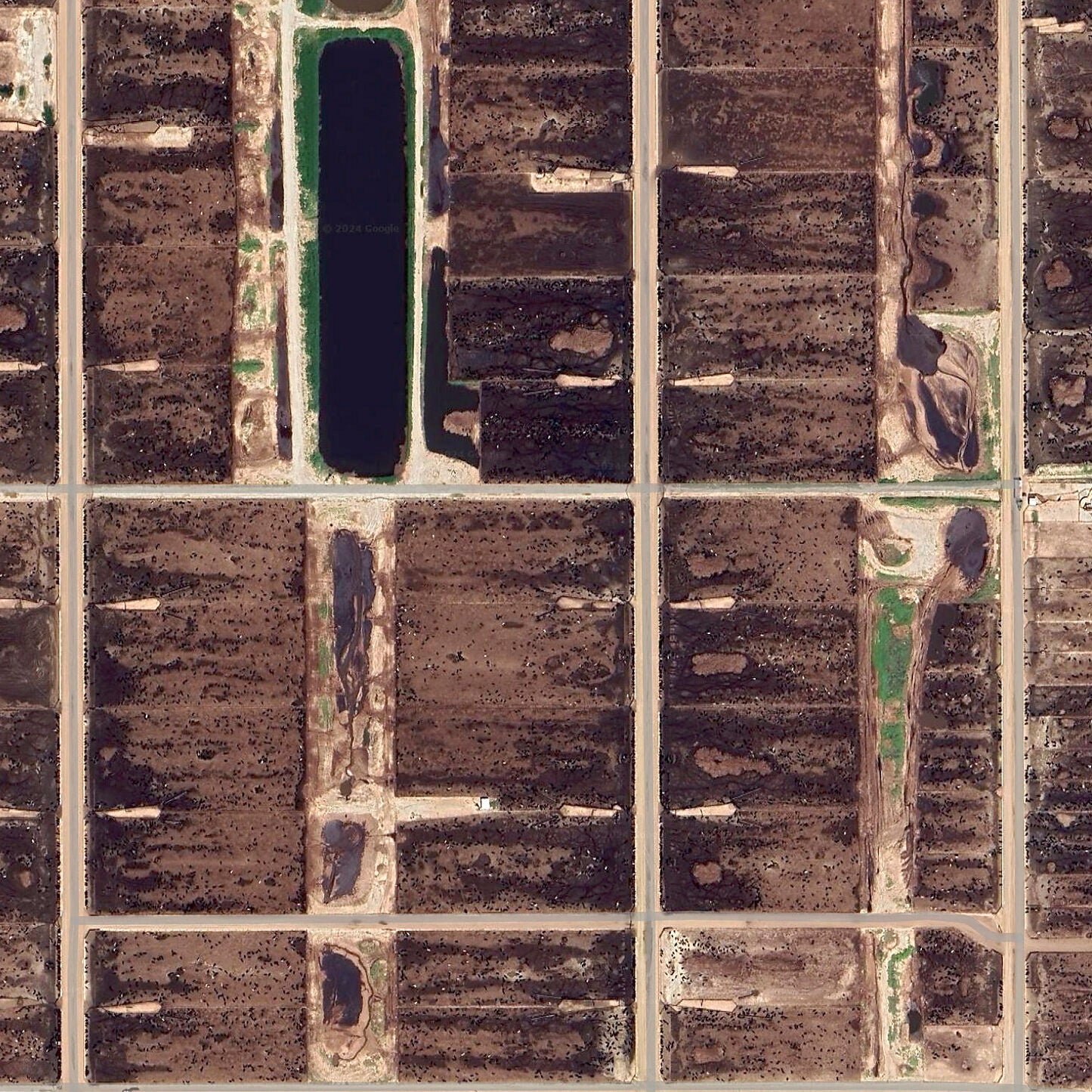

It’s simply not possible for a company with emissions of the complexity, size, and scale of Tyson’s — on par with entire nations — to achieve its claims without substantial changes to its operations, which we alleged Tyson was far from doing.
This settlement is a tremendous victory in our efforts to increase transparency into the true climate impact of industrial meat production and to protect consumers from false and misleading greenwashing claims.
Lawsuit Filed
Data Centers, AI, and Public Health
We are suing xAI, an artificial intelligence (AI) company founded by Elon Musk, on behalf of the Mississippi State Conference of the NAACP and the national NAACP, in partnership with the Southern Environmental Law Center.
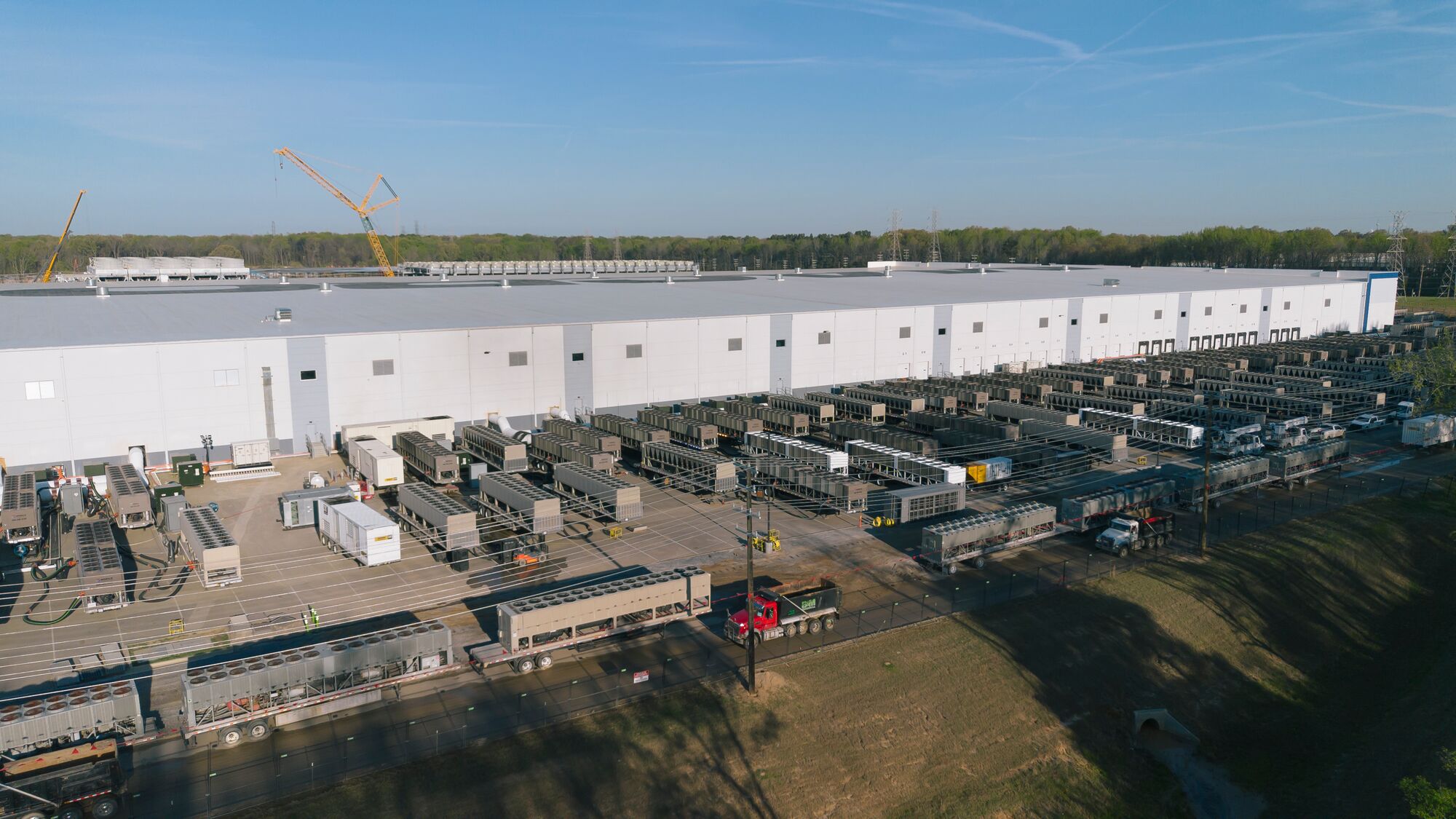
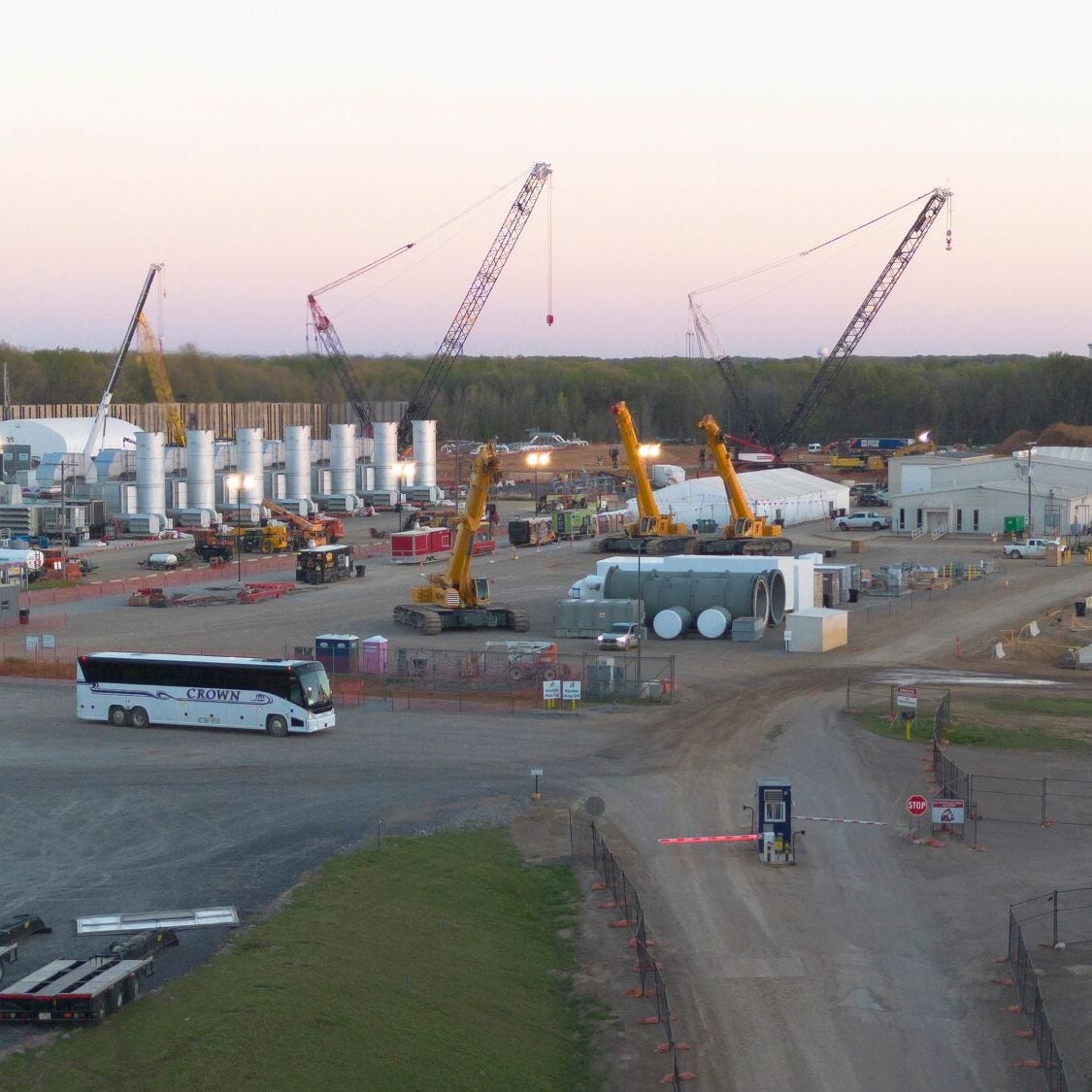
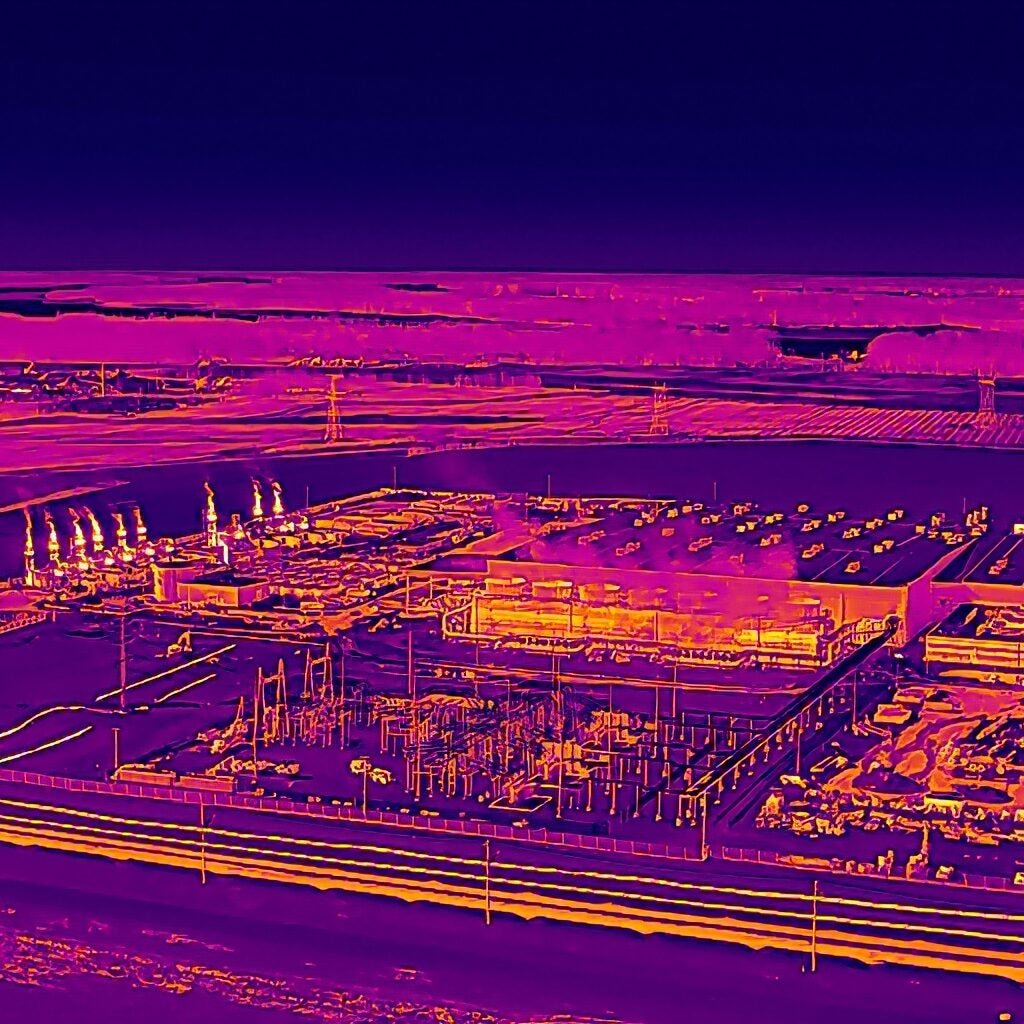
Last year, xAI installed 27 massive methane gas-fueled turbines in Southaven, Mississippi — effectively building a new power plant. This powers xAI’s new Colossus 2 data center, which in turn powers Grok, an AI chatbot.
Data centers like Colossus 2 are enormous facilities that run 24/7 to facilitate crypto mining, such as Bitcoin, and AI. They require huge amounts of energy and water to power computers and their cooling systems. In fact, one data center for generative AI can use as much electricity as a small city.
Though the power plant for Colossus 2 can generate as much energy as a conventional power plant, xAI failed to obtain an air permit for it. Now, the plant is polluting the air in North Mississippi and Memphis, Tennessee, with toxic smog-forming pollution and fine particulate matter. xAI’s power plant could also release up to 19 tons of carcinogenic formaldehyde into the air.
By flouting the law, xAI forces communities to live with increased risks of asthma, respiratory diseases, heart problems, and cancer. As enforcement has practically stopped under this administration, we are working with communities to fill that gap and taking xAI to court to hold it accountable.
A Thriving Web of Life
The rich diversity of life on our planet is in decline.
Extractive and polluting industries are worsening this crisis by prioritizing short-term profits that lead to habitat destruction and harm to entire ecosystems.
From protecting irreplaceable habitats and species at risk of extinction to defending the bedrock laws that environmental lawyers depend on for this work, we are working on every front to preserve the web of life upon which we all depend.
Ongoing Work
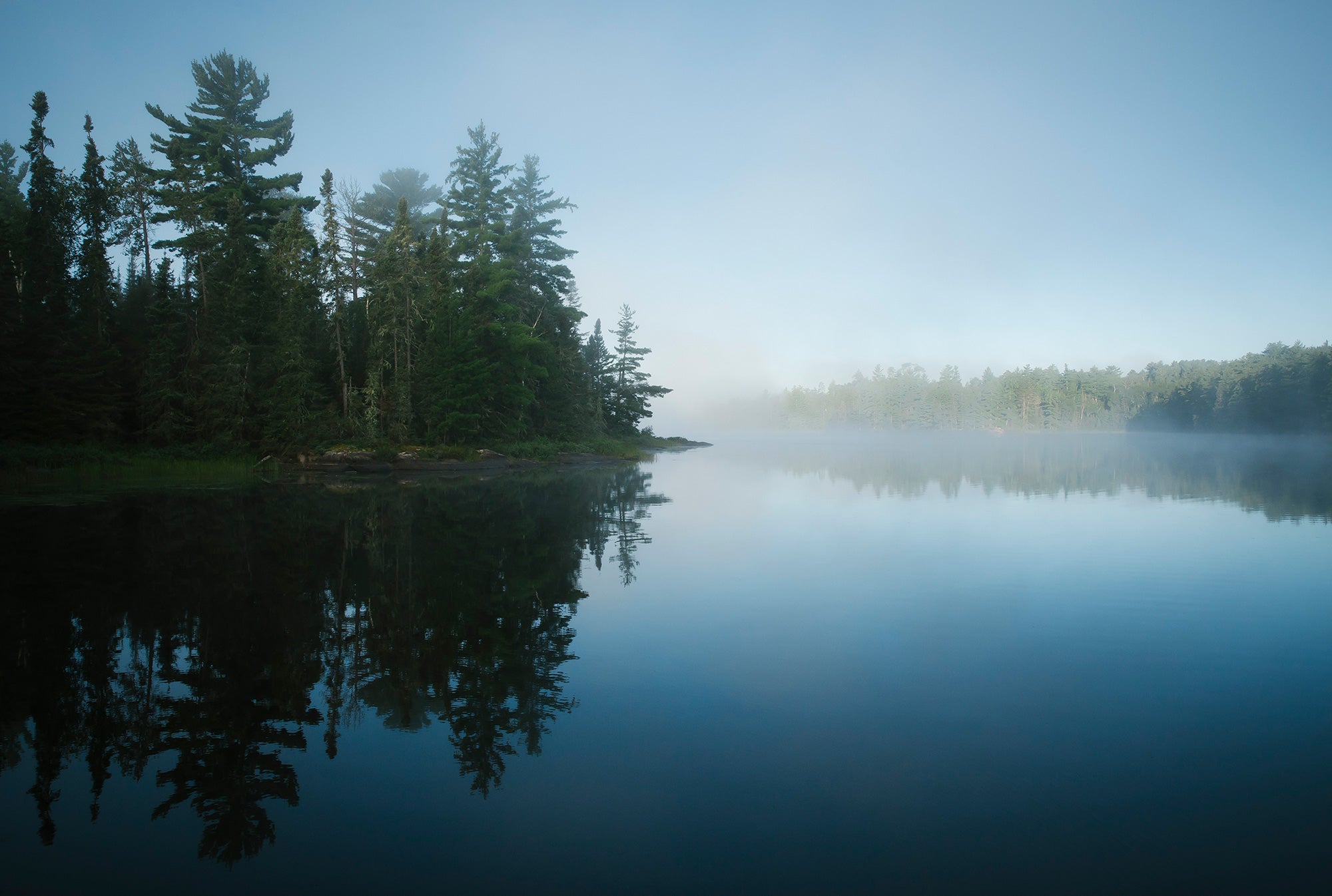
The Boundary Waters
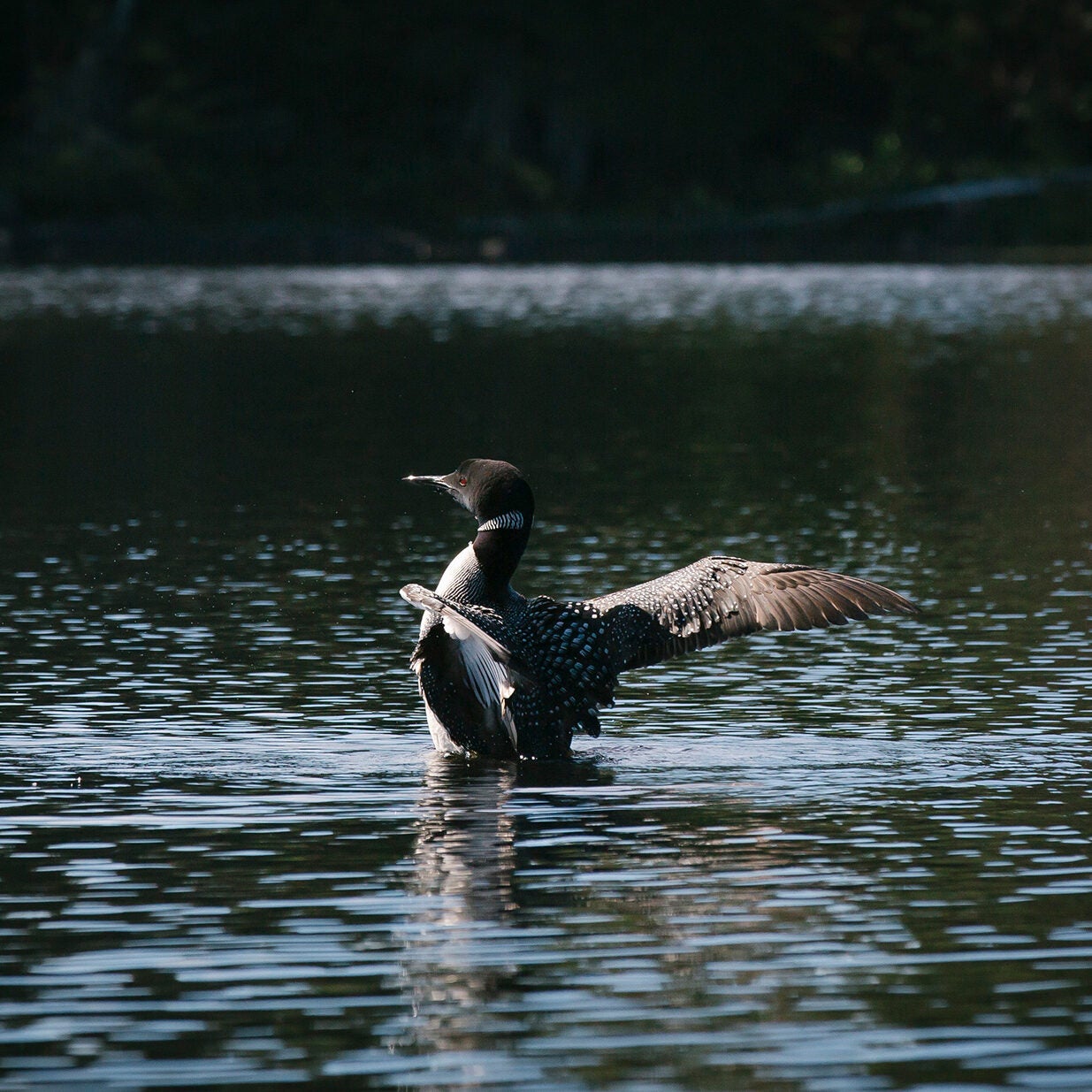
In northern Minnesota, a vast network of thousands of clear lakes and 1,200 miles of rivers and streams define the Boundary Waters Canoe Area Wilderness. The Boundary Waters are also a vital habitat for wolves, moose, loons, and hundreds of other species.
This thriving ecosystem is a target for sulfide-ore mining, which produces sulfuric acid that can permanently contaminate waterways with highly toxic pollution.
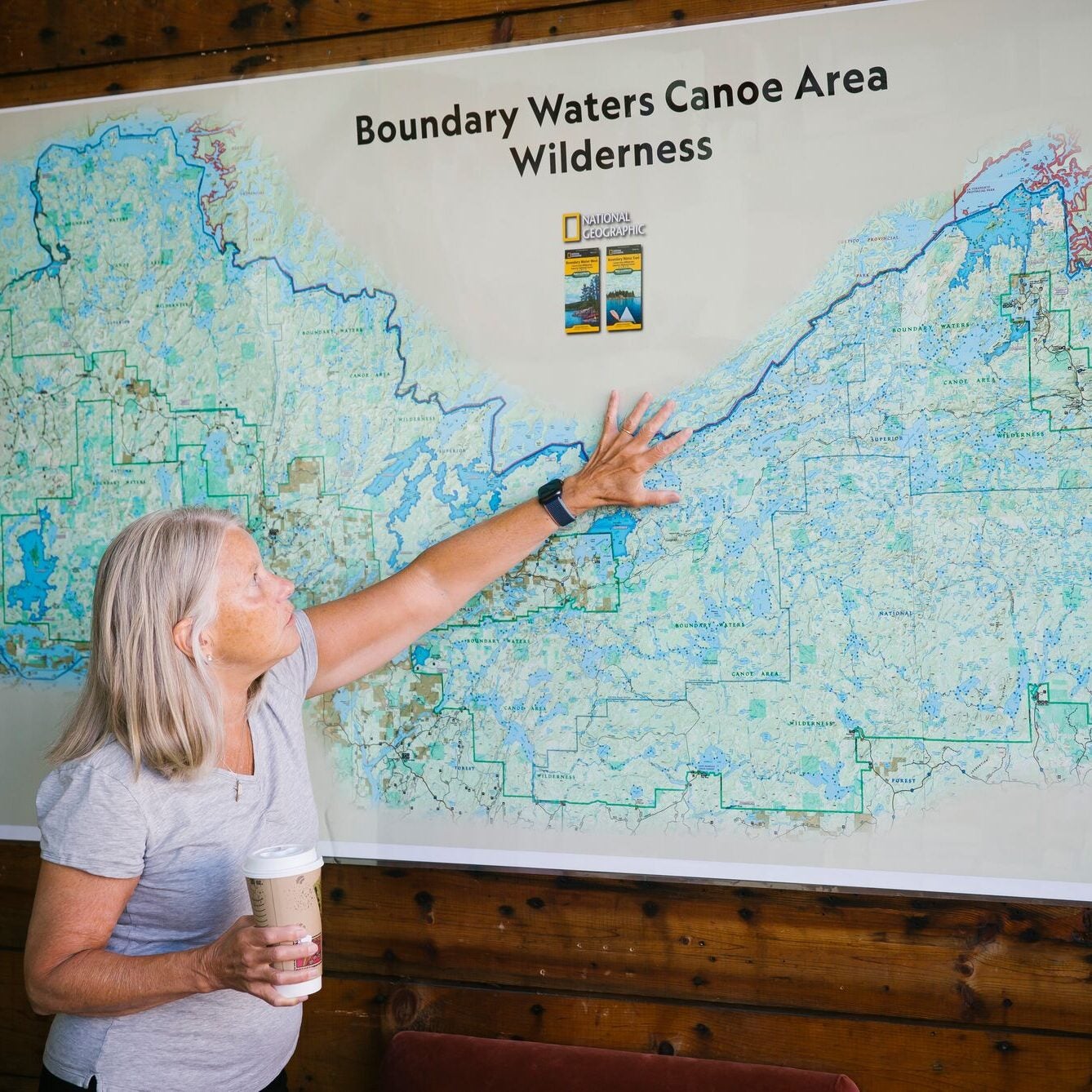
With a coalition of conservation groups, local businesses, and others, we pushed the federal government to cancel leases for the Twin Metals mining company and enact a 20-year mining ban to protect the Boundary Waters.
Congress stripped away that mining ban in April 2026, despite pushback from Earthjustice and our partners. Now, the Trump administration and its allies are attacking on multiple fronts to open the door to these mining proposals.
We are working relentlessly to counteract the full array of threats:
The Power of the Law, the Public, and Politics
Litigation
We’re preparing to go to court as needed to challenge the administration’s lawless attempt to restore Twin Metals’ mining leases
Jim Brandenburg / Minden Pictures
Communications
Prompted by our action alert, over 30,000 Earthjustice supporters contacted their senators to urge them to vote no on the resolution in Congress to undo the 20-year mining ban.
Policy
Our sister organization Earthjustice Action was part of a coalition of 80 organizations (representing millions of members) that sent a letter to congressional leadership urging them to vote no on the resolution to undo the 20-year mining ban.
Earthjustice Action’s policy team also continues to advocate in Washington, D.C.
Architect of the Capitol
Victory
Restoring the Endangered Species Act to Its Pre-Trump Strength
The first Trump administration launched a series of unprecedented attacks against the Endangered Species Act (ESA), allowing the near-total destruction of federally protected species’ critical habitat, among other harms.
Our attorneys and partners moved quickly to take the administration to court in 2019.
Seven years later, in March 2026, our persistence paid off when a federal court struck down the administration’s attacks and restored the ESA protections that were in place before Trump first took office — the same ones that led the ESA to have a 99% success rate at preventing extinction.

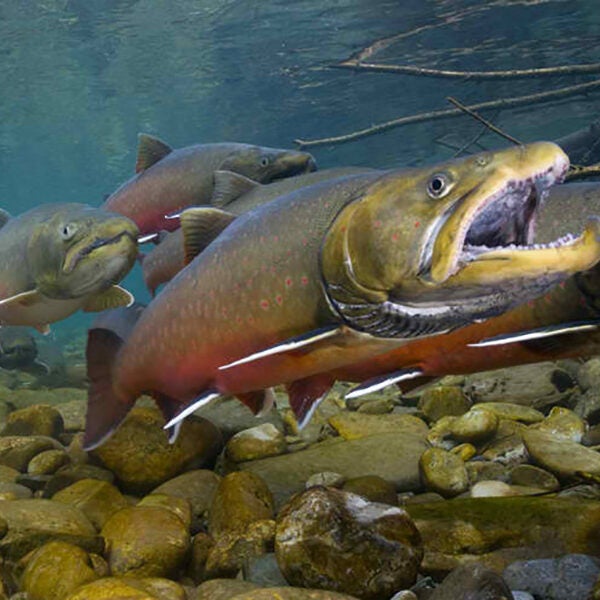
Over one-third of plants and animals in the U.S. are at risk of extinction.
To address this immense threat, Americans need a strong ESA. But as this law has protected imperiled species from the worst impacts of fossil fuel, logging, and other destructive projects, the Trump administration has been overtly hostile to it.
While there will be more long fights ahead to protect the ESA from the administration’s barrage of attacks, thanks to supporters like you, we aren’t going anywhere.
Working on All Fronts
We are combating threats from the administration, members of Congress, the courts, and polluters all at the same time.
Partners like you have made it possible for Earthjustice to build the capacity needed to engage in wall-to-wall defensive campaigns, even as we continue to drive progress forward. We are beyond grateful for your support.