

Trump Administration Proposes Regulations to Rubber Stamp Drilling in Alaska’s Western Arctic
The regulations proposed at the request of the oil industry seek to greenlight potentially massive new oil development in sensitive areas of the Western Arctic
Contacts
Elizabeth Manning, Earthjustice, emanning@earthjustice.org
Today, the Trump administration released a proposed rule to speed up permitting of new oil and gas projects in the Western Arctic by eliminating environmental reviews and gutting the public comment process. The administration is implementing the rule at the request of the Alaska Oil and Gas Association, which submitted a petition asking for the regulations in May.
The public has 60 days to comment on this proposed rule.
The move seeks to give the oil industry free reign to pursue projects without the public process and environmental review long afforded by the National Environmental Policy Act requirements. Under these rules new projects in the Western Arctic including in Teshekpuk Lake, the Colville River and other special areas that have long been off limits to development could be fast-tracked. The rule aims to require Interior to approve new projects as massive as Willow within a 60-day limit of the oil company submitting its application, without any additional environmental study or public process.
In addition to proposing to shield future development projects from environmental review and public input, Interior is also shielding the impact of this proposal from public input. It has made only part of its analysis of this new rule public and has made no commitment even to disclose the environmental effects of the new rule to the public until it adopts the rule.
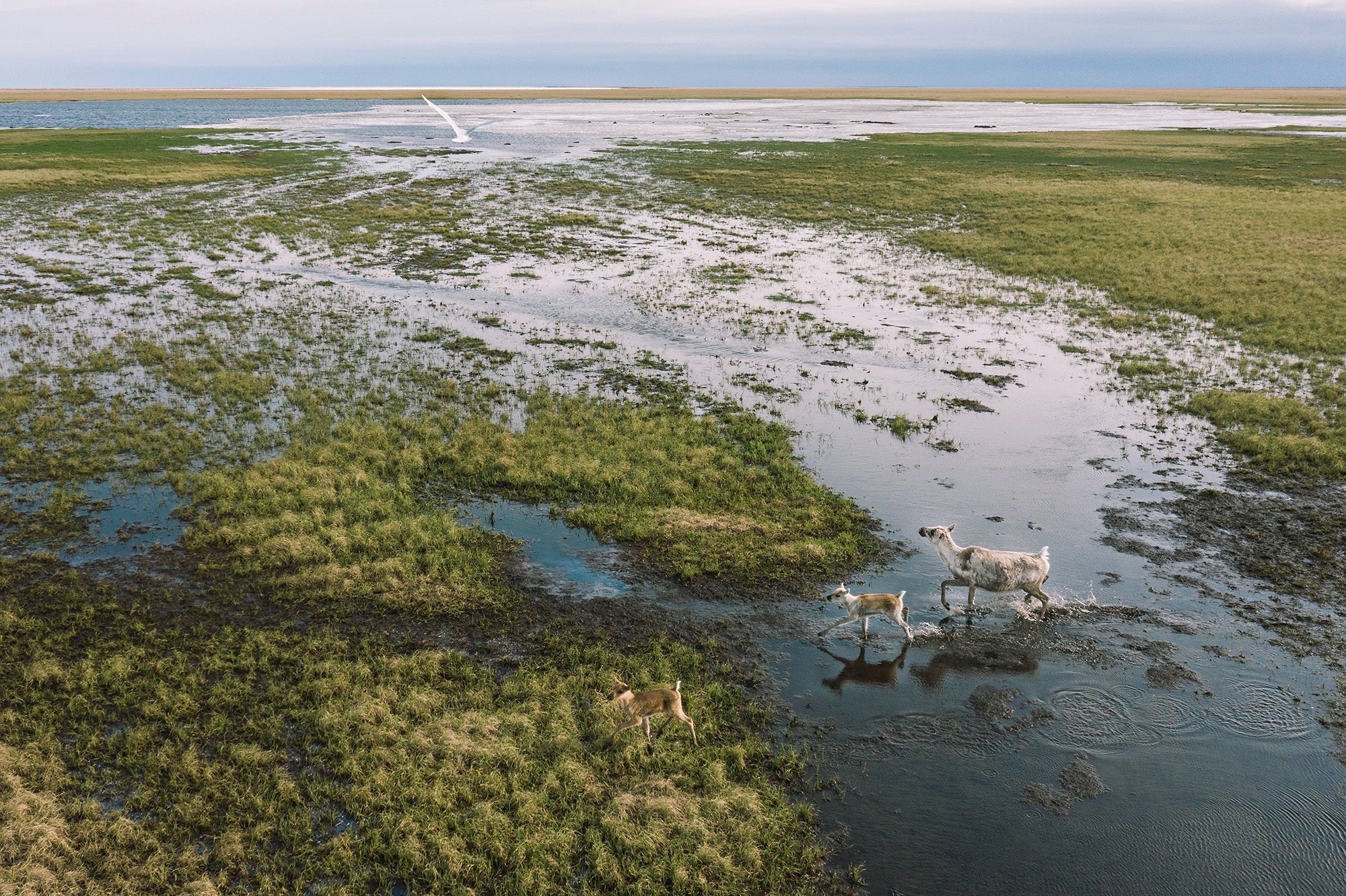
The Western Arctic is the largest single piece of public land largely still untouched by development in the United States. It provides vital habitat for polar bears, caribou, and migratory birds from around the globe, and supports local Indigenous communities. It is also facing unprecedented threats from climate change.
Simultaneously, according to news reports, the Department of Interior is currently also working on what is known as a “categorical exclusion” to similarly skip legally required environmental review and public comment to greenlight oil and gas exploration activities in the Western Arctic. Activities covered under the categorical exclusion could include seismic testing and drilling for exploration, as well as the construction of ice roads, airstrips and other infrastructure, plus the transportation of heavy equipment across sensitive Arctic tundra.
If these new regulations proposed by the oil industry and the categorical exclusion are both finalized, it would allow oil companies to pursue exploration and development drilling with no new environmental reviews or public input.
“What we’re seeing here is a concerted attack by the Trump administration to greenlight oil and gas drilling in the Western Arctic while ignoring the harm it will cause to these irreplaceable public lands and also the government’s obligation to protect these lands for wildlife and future generations,” said Earthjustice Attorney Erik Grafe. “These are large-scale, industrial activities that cause permanent damage to sensitive Arctic ecosystems, nearby communities, and the climate. The administration’s proposal flaunts basic environmental laws meant to protect land, wildlife, and people and allow for fully informed decision making.”
These proposed management changes follow a series of actions taken by the Trump administration since January 2025 to maximize oil and gas drilling in the Western Arctic. These actions include repealing protections for Special Areas, changing the management plan for the Western Arctic to allow oil and gas drilling on 82% of the 23-million-acre National Petroleum Reserve-Alaska, and then holding a lease sale in March 2026 auctioning off more than a million acres of ecologically sensitive lands in the Western Arctic to oil companies.
Background
The 23-million-acre Reserve in the Western Arctic is one of the most biologically, ecologically, and culturally significant tracts of public land in the United States. Its diverse habitats range from tundra and wetlands to mountain foothills, grassy uplands, riparian areas, and river deltas. The region is home to iconic and imperiled wildlife species like polar bears and seals that depend on sea ice. It provides globally significant habitat for millions of migratory birds and for Alaska’s massive caribou herds.
The Naval Petroleum Reserves Production Act of 1976 recognized the importance of the Western Arctic for wildlife and migratory birds including animals protected under the Endangered Species Act, and for the cultural practices and food security of Indigenous communities. The act requires the BLM to assure adequate mitigation of harm from oil and gas activities, and “maximum protection” of the fragile tundra, birds, wildlife and other unique resources within the Reserve when it allows exploration or drilling in special areas. When Congress authorized leasing and oil extraction in 1980, it again directed the federal government to assure the protection of the Western Arctic’s ecological and cultural resources.
Additional Resources
About Earthjustice
Earthjustice is the premier nonprofit environmental law organization. We wield the power of law and the strength of partnership to protect people's health, to preserve magnificent places and wildlife, to advance clean energy, and to combat climate change. We are here because the earth needs a good lawyer.