Some of the Great Wild and Special Places the Senate Permitting Bill Puts on the Chopping Block
Americans have been able to enjoy the sights and histories of Chaco Canyon, the Boundary Waters, Bears Ears, and the Arctic Refuge for years. Now, the Senate permitting bill could threaten these and other special places.
Chaco Canyon. Boundary Waters. Bears Ears. The Arctic National Wildlife Refuge. Americans cherish these and other special places for their breathtaking vistas, priceless natural resources, and immense cultural significance. For decades, the federal government has protected these special places from being unnecessarily polluted, damaged, or harmed by new industrial projects like pipelines, roads, mines and oil and gas fields. The Senate’s new permitting bill could undermine those protections for decades, blocking future efforts to defend and reform these places.
Buried within more than 400 pages of dense legislative text, the bill includes provisions that would make it difficult, and perhaps impossible, for a future administration to protect these special places from the oil, gas, and mining developments the Trump administration is actively trying to pursue. The bill’s “project certainty” provisions would make it harder for a future administration to undo or reform leases or mining claims the Trump administration authorizes across special places like Chaco Canyon, the Arctic National Wildlife Refuge, Bears Ears, and in the Boundary Waters.
Here’s how the Senate permitting bill, if it becomes law, could make decisions to develop these special places much harder to reverse.
- Oil and gas leasing around Chaco Canyon could be virtually impossible to undo. The Trump administration is currently in the process of revoking a 2023 order from the Biden administration that withdrew the 336,000 acres of public land surrounding Chaco Canyon from oil and gas leasing. If and when that revocation is finalized, it will effectively open up the Chaco area for oil and gas leasing. Under the permitting bill, the leases that will almost certainly be issued under the Trump administration after the revocation would be very difficult for a new administration or court to set aside. The leases would likely qualify as a “federal authorization or permit” under the bill’s “project certainty” provisions. As such, BAAJA would prevent any future administration from acting to “revoke, rescind, withdraw, terminate, suspend, amend, or alter” the leases. While the bill includes a few narrow exceptions to its bar against reversing or reforming a previously issued lease, they are unlikely to apply here. Even if a court ruled that the leases were issued in violation of an environmental law, the permitting bill’s certainty language would likely not allow BLM to revoke or withdraw the leases unless the court “required” BLM to do so.
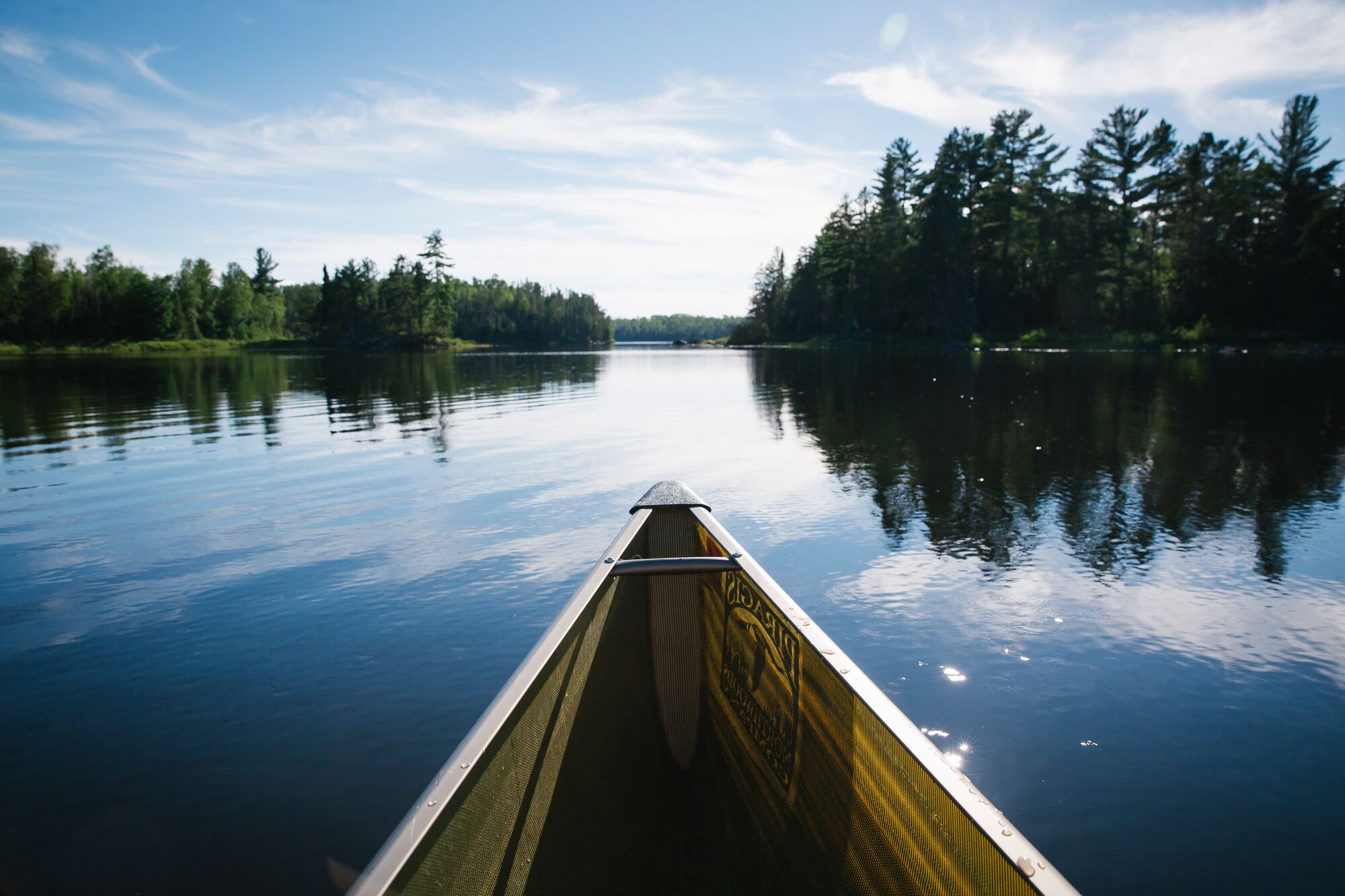
- The Boundary Waters could be locked out of future protections. The Boundary Waters, America’s most visited wilderness, is threatened by the proposed Twin Metals Mine, an industrial sulfide-mining complex. Sulfide-ore mining is an inherently dangerous and risky type of mining because it produces sulfuric acid, which can contaminate waterways with dangerous acidic leachate, sulfate, and heavy metals – all of which can be highly toxic to humans, plants, and animals. The Trump administration is likely to reinstate leases that allow the Twin Metals Mine to move forward, and the permitting bill could pose a barrier to efforts by a future administration to revoke or even amend those leases. A future administration that seeks to re-establish science-backed protections for the Boundary Waters that were unlawfully undone by the Trump administration may run straight into the “project certainty” language, preventing efforts to preserve and protect the wilderness area.
- The Arctic Refuge’s entire coastal plan would be open to oil and gas leasing. The Trump administration has adopted a management plan for the Arctic Refuge that opens the entire coastal plain to oil leasing, with minimal restrictions on seismic surveying, oil drilling, and surface development. It has also held two lease sales and issued 11 leases in habitat that is critical to threatened polar bears and caribou, and it is likely to approve exploration permit applications soon and potentially even development permits before it leaves office. The “project certainty” provisions could prohibit efforts by any future administration to reform the decisions the Trump administration has made and will make to advance and permit oil drilling in this irreplaceable wildlife refuge.
- Mining and oil and gas leases could proceed in Bears Ears National Monument. President Obama designated the Bears Ears National Monument in 2016 in response to the advocacy of five tribes with longstanding and deep cultural ties to the area – Zuni, Hopi, Navajo, Uintah Ouray Ute, and Ute Mountain Ute – and with broad regional and national public support. The Monument includes “one of the densest and most significant cultural landscapes in the United States,” with some artifacts dating as far back as 13,000 years. In July 2026, President Trump shrunk the Monument a second time after attempting to shrink it in 2017, leaving only 10% of its original acreage. Mining prospectors have since filed at least 72 claims on the now-unprotected lands. Former Monument lands will also be vulnerable to oil and gas leasing. The permitting bill could prevent a future president from restoring the Monument’s status or taking other actions that would protect the area. Approval of mining-related activities like excavations, roads, and toxic piles of mine tailings would also be difficult to reverse because of the bill’s certainty language, no matter the harm the activities would cause.
Americans have been able to enjoy the sights and histories of these and other special places because the federal government has worked hand in hand with state, Tribal, and local communities to protect them. The project certainty provisions within the permitting bill may render irreversible the Trump administration’s flawed and lawless decisions to develop these special places and many others like them. Congress must reconsider the enormous implications of what such provisions would do to our iconic outdoor landscapes and shared American heritage.
Established in 1989, Earthjustice's Policy & Legislation team works with champions in Congress to craft legislation that supports and extends our legal gains.
Siham Zniber
Associate Director, Policy & Legislation, Earthjustice
szniber@earthjustice.org