

Protecting the ‘Aquarium of the World’ From a Gas Industry Takeover
The fossil fuel industry wanted to turn the Gulf of California, home to thousands of marine species, into a gas hub — and lost. We partnered with environmental advocates in Mexico to stop them.
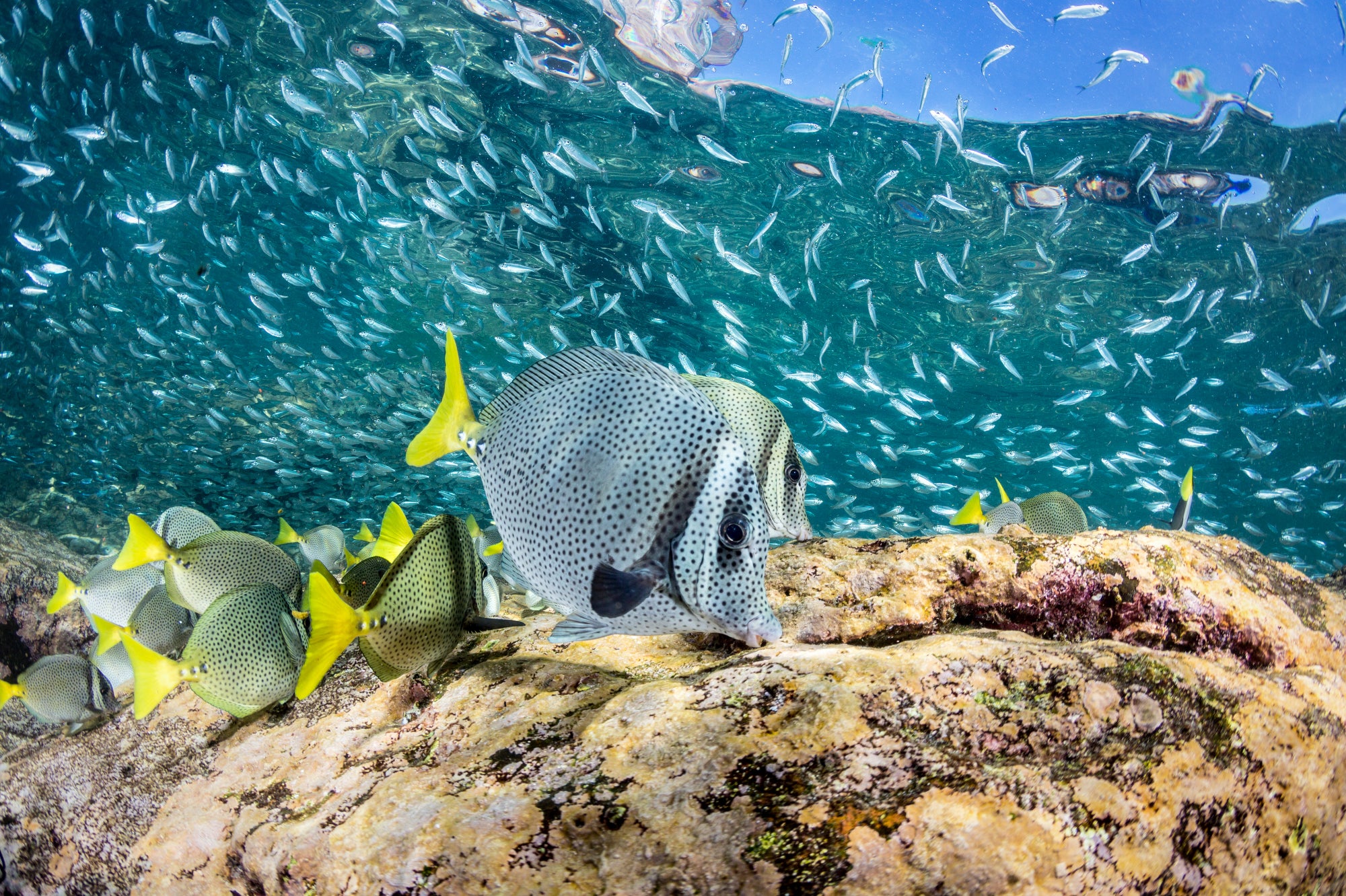
In a narrow strip of ocean south of the California-Mexico border, humpback whales converge alongside playful dolphins, sea lions, and thousands of other marine species.
The Gulf of California is an UNESCO-recognized biodiversity hotspot in northwest Mexico. A third of the world’s marine mammals make their home here, including the largest animal in the world: the blue whale. The ocean conservationist Jacques Cousteau once called the Gulf “the aquarium of the world.”
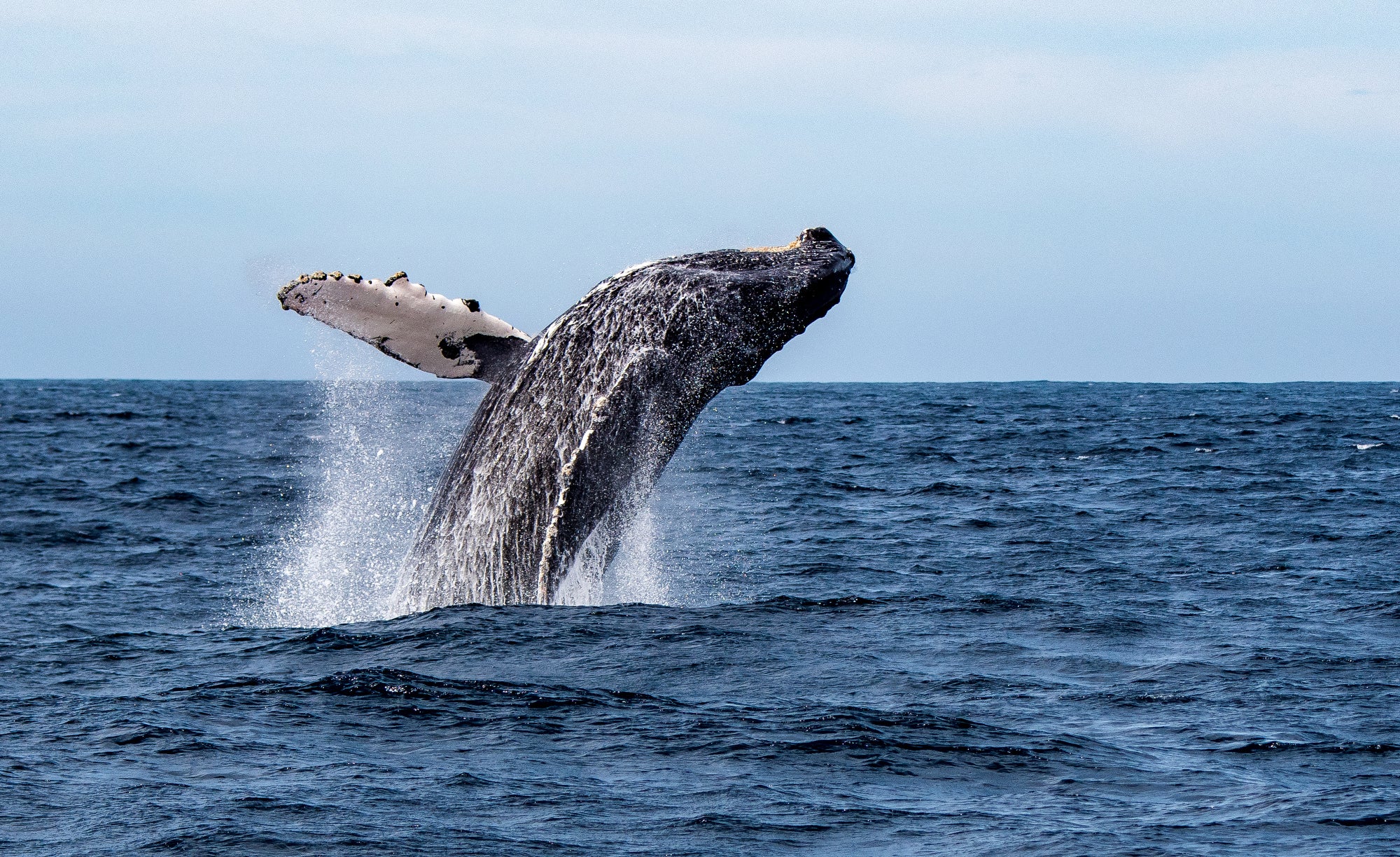
A humpback whale breaching in the Gulf of California. (Ray Hems / Getty Images)
The fossil fuel industry tried to make it the next gas shipping hub of the world — but Gulf advocates successfully fought back.
Mexican environmental groups challenged three liquefied natural gas (LNG) projects planned for the Gulf in court, and are winning. Two projects are now paused and the third has been outright canceled.
This LNG rush is a symptom of the fossil fuel industry looking for quicker ways to ship gas. Gas companies see the Gulf of California as a shorter route for shipping LNG from the U.S. to Asia, bypassing a Panama Canal increasingly bottlenecked due to climate-driven drought. Yet heavy industry would wreak havoc on the Gulf’s fragile ecosystem, turning an evolutionary marvel into an engine for fossil fuel profits.
That’s why environmental advocates stepped up to protect marine life here that can’t defend themselves. Earthjustice partnered with these groups to successfully stop the U.S. fossil fuel industry from sending ecological destruction across the border.
“People have built their lives around the fact that this is an incredibly beautiful and biodiverse hotspot,” says Ava Ibanez, senior attorney at Earthjustice’s oceans program. “The fact that a handful of industry executives are trying to destroy all of that is completely outrageous.”
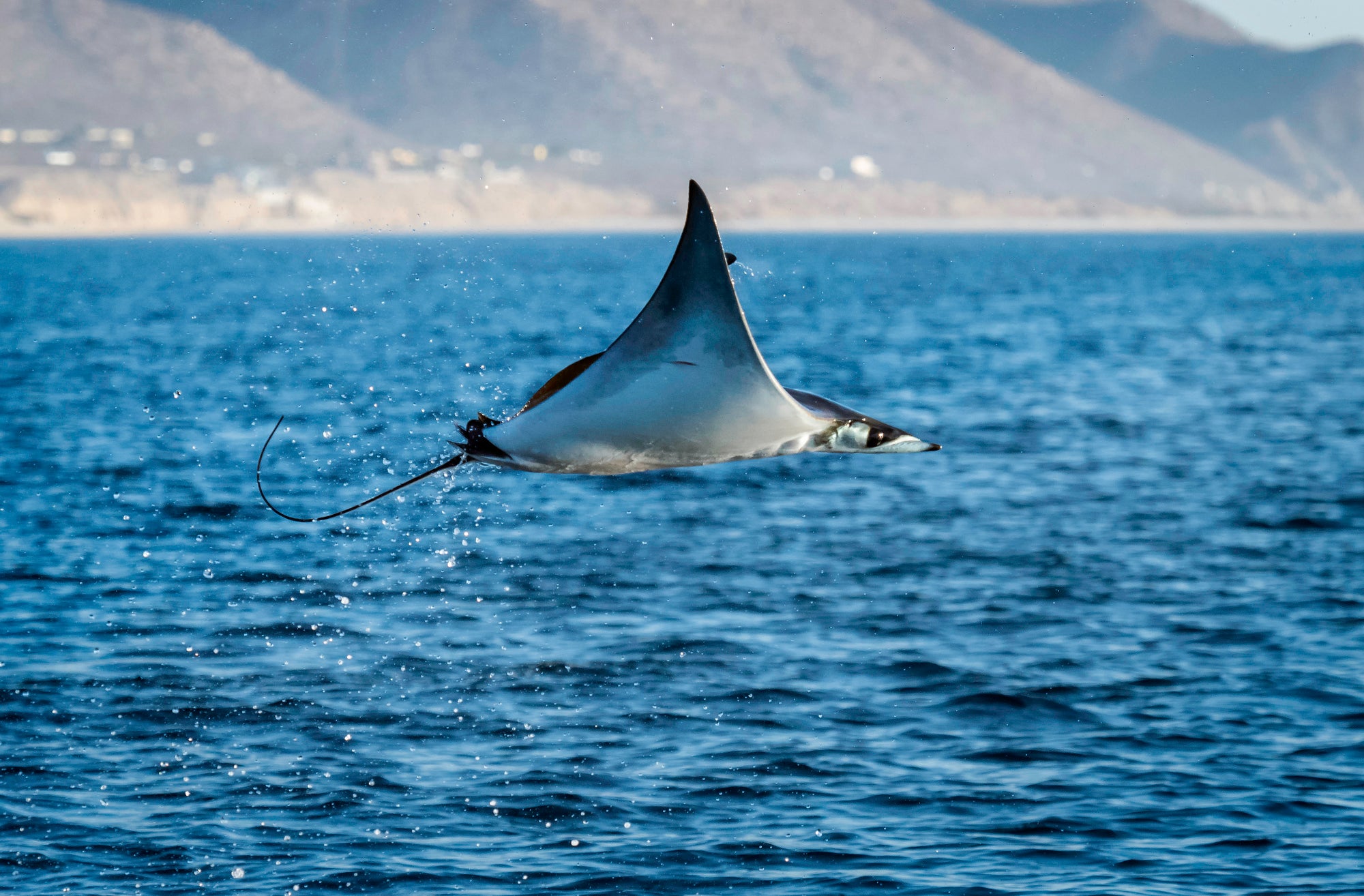
A breaching mobula ray in the Gulf of California. (Wildestanimal / Getty Images)
The Aquarium of the World
Whales, dolphins, and many other marine species migrate to the Gulf to feed, find mates, and raise their young. Eleven species of whales occur in the Gulf, including blue, fin, sperm, and humpbacks. The clear waters also host colonies of California sea lions, loggerhead turtles, sharks, flying mobula rays, fur seals, and nearly 900 species of fish.
Much of this diversity is due to a unique mix of oceanic currents that meet in the Gulf, producing a hefty blend of nutrient-rich foods like phytoplankton. This has resulted in a variety of plant and animal species that don’t occur anywhere else in the world, like the endangered totoaba, which can grow to 6 feet long.
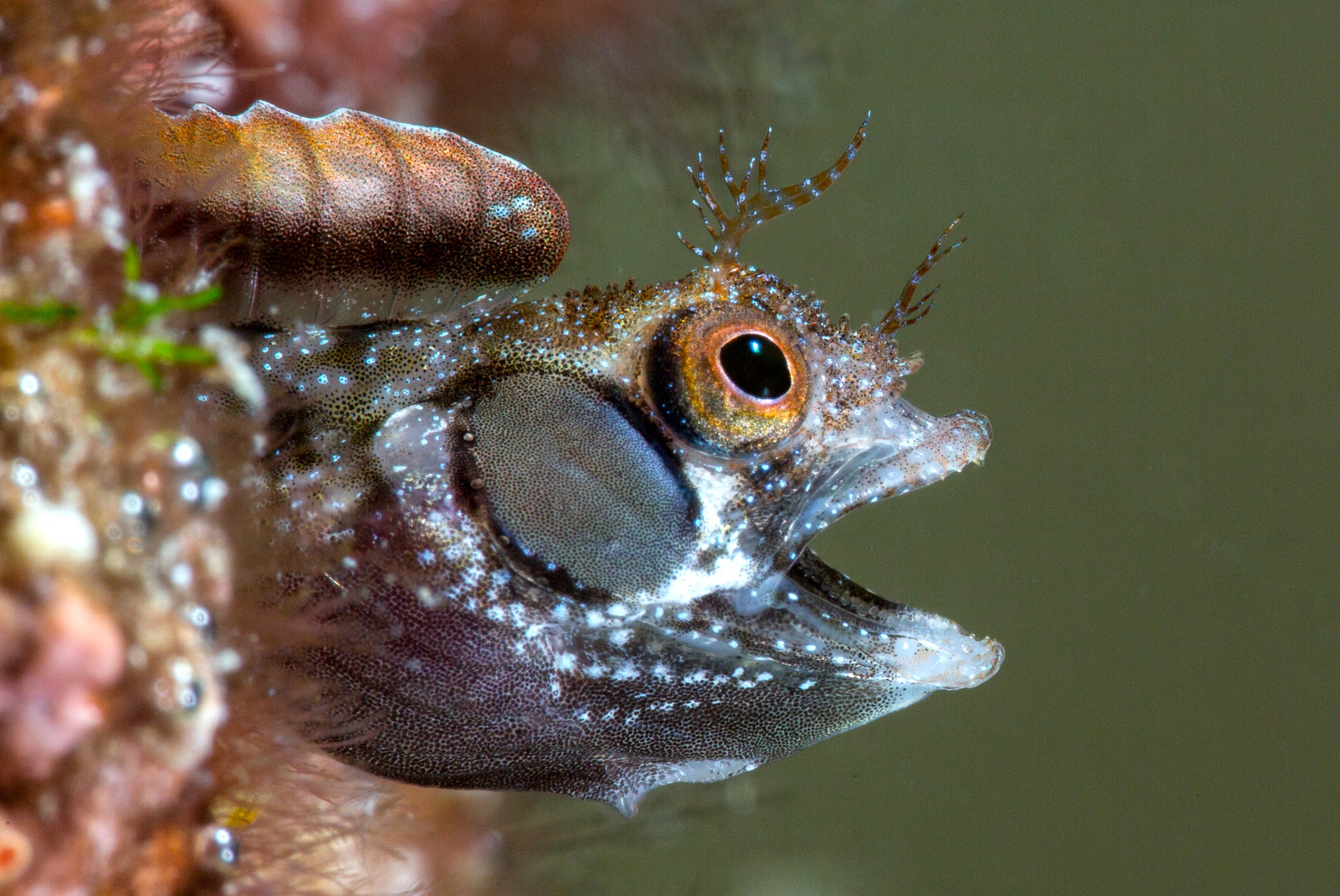
A browncheek blenny (Acanthemblemaria crockeri) peers from its hole on a reef on Isla Espiritu Santo near La Paz, Mexico. Browncheek blennies are rarely found outside the Gulf of California. (Brent Durand / Getty Images)
The Gulf also serves as a welcome refuge for endangered sea life whose habitats elsewhere have been targeted for oil and gas drilling.
Three Victories
Three LNG proposals threatened the Gulf, and all are now blocked by a court order or canceled.
The largest project, called Saguaro Energia, plans to construct a 500-mile-long pipeline from Texas’s fracked gas capitol, the Permian Basin, to Puerto Libertad. There, a new liquefaction plant would cool the gas into liquid. Another project, named AMIGO, would have been the world’s largest floating LNG plant – a technique that carries additional risks in hurricane prone areas.
Both projects would have shipped methane gas on gargantuan tankers through the Gulf into Asia, threatening whales with underwater collisions and harmful ballast water discharges. Ship collisions are a leading cause of whale deaths, especially near fossil fuel routes. The tankers also bring deafening noise pollution, which disrupts the whales’ ability to communicate, find mates, and reproduce.
Due to a combination of large public pushback from Mexican communities, environmental groups, and the United Nations, along with regulatory hurdles, a third project — Vista Pacifico — was canceled this year.
In addition to the ecological destruction, these projects would have set back Mexico’s climate goals. Methane, a greenhouse gas, is over 80 times more potent than carbon at trapping heat in the atmosphere. Methane emissions mainly happen during transport through pipelines, rather than its end use. The gas industry exploits this distinction to push a greenwashing “natural” gas narrative.
The People Fighting to Save the Gulf
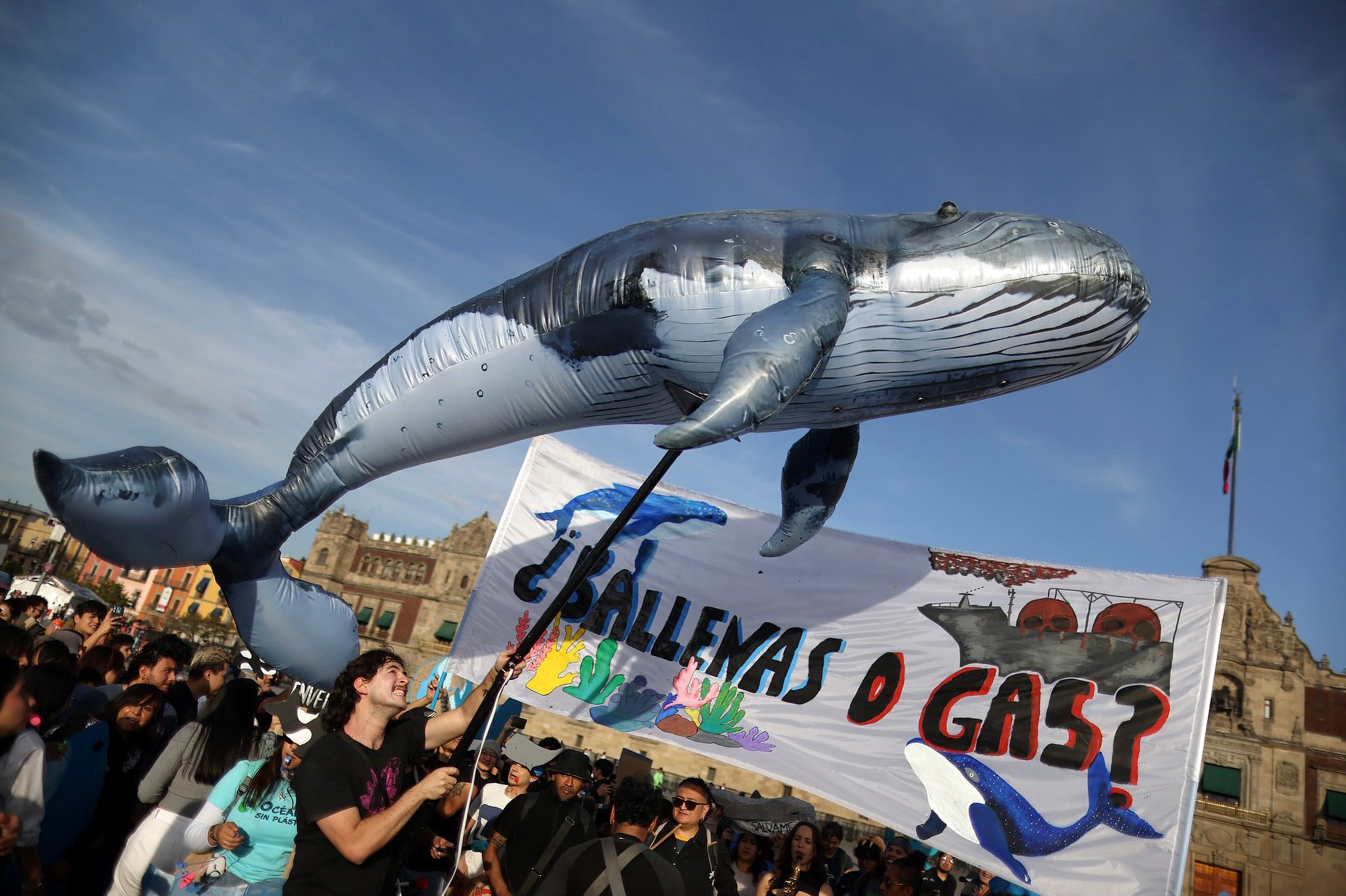
Protestors march in Mexico City in 2025 to oppose proposed gas projects in the Gulf of California. The project would harm whales and other marine life in the gulf. (Gustavo Graf / Greenpeace)
These proposals have drawn major pushback from the Mexican public.
Large protests in support of whales flooded the streets in Mexico, and thousands of people signed petitions to protect the Gulf from destructive industry. Multiple Mexican environmental groups brought lawsuits against the projects, winning court injunctions that set back or halted these projects.
Nuestro Futuro is a Mexican organization committed to climate action and protecting biodiversity. Inspired by the global embrace of the rights of nature, the group argued that whales in the Gulf are protected under Mexico’s environmental laws. Their legal action won a pause on LNG tanker traffic from the Saguaro Energia project. A full victory could set a historic precedent in Mexico, recognizing the Rights of Nature (specifically the rights of whales) as a legal standing.
“Establishing the rights of whales means recognizing that they are not ‘things,’” says Nora Cabrero Velasco, founder and executive director of Nuestro Futuro. “They are not just part of the landscape or collateral damage. They are living beings with their own intrinsic value, and the law must evolve to recognize and protect that reality.”

Commensal shrimp on a starfish in the Gulf of California. (Todd Winner / Getty Images)
The Mexican Center for Environmental Law (CEMDA) is the oldest Mexican environmental law firm. CEMDA advocated against the AMIGO project and challenged U.S pipeline permits for Saguaro Energia. It also helped produced reports analyzing Saguaro’s significant greenhouse gas emissions and collision risks for Gulf whales.
“In recent years, we have seen LNG projects emerge as a serious threat to one of the most biodiverse ecosystems on the planet,” says Margarita Campuzano, director of communications at CEMDA. “These megaprojects bring multiple negative impacts, including air and marine pollution, underwater noise, and methane emissions. All of this poses significant risks to the region’s marine biodiversity.”
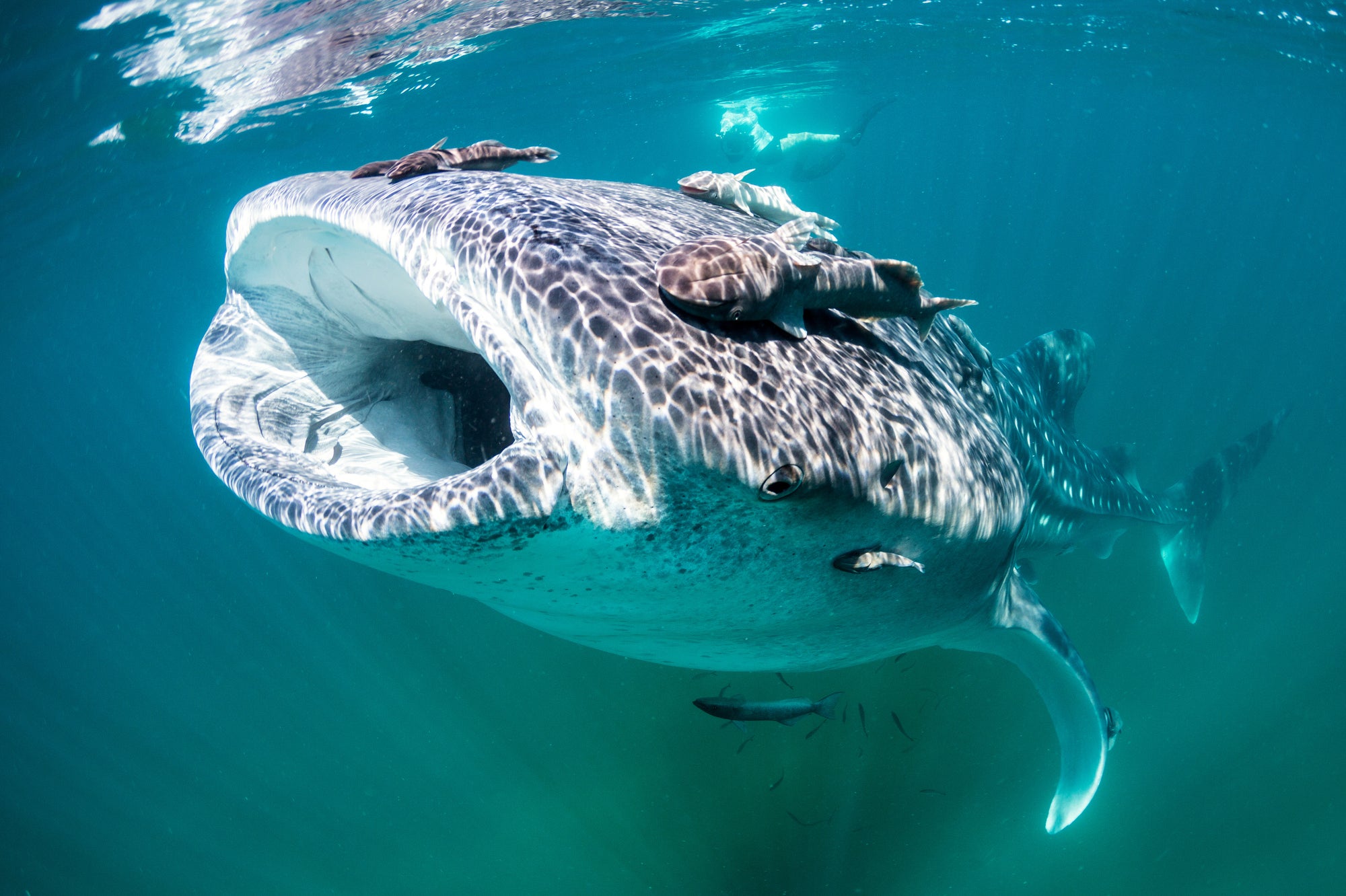
A whale shark feeds on plankton and krill near the surface of the Gulf of California. (Brent Durand / Getty Images)
Northwest Environmental Defense (DAN) is a regional organization based in Baja, California. DAN filed legal challenges against Saguaro and has brought international attention to these projects before the UN and UNESCO, where it advocates for preventing irreversible damage to the marine ecosystem. The UNESCO World Heritage Committee has now called for rigorous environmental impact analyses that assess the impacts of LNG projects.
“For communities adapting to climate change, conserving biodiversity is an act of faith that life can remain sustainable,” says Cecilia García, director of DAN’s strategic communications. “It embodies the hope that we can be better stewards of this planet. Giving up on protecting biodiversity in Mexico means giving up on the effort to restore the planet’s lost balance.”
While the fight is not over — the preliminary injunctions are temporary until the courts reach a final ruling — Earthjustice will continue to work tirelessly with these groups to protect the Gulf of California from the U.S. fossil fuel industry.
The International Program partners with organizations and communities around the world to establish, strengthen, and enforce national and international legal protections for the environment and public health.
Earthjustice’s Oceans Program uses the power of the law to safeguard imperiled marine life, reform fisheries management, stop the expansion of offshore oil and gas drilling, and increase the resiliency of ocean ecosystems to climate change.