Earthjustice goes to court for our planet.
We’re here because the earth needs a good lawyer.
The Trump Administration Proposes Handing Grizzly Management to States Hostile to the Bears
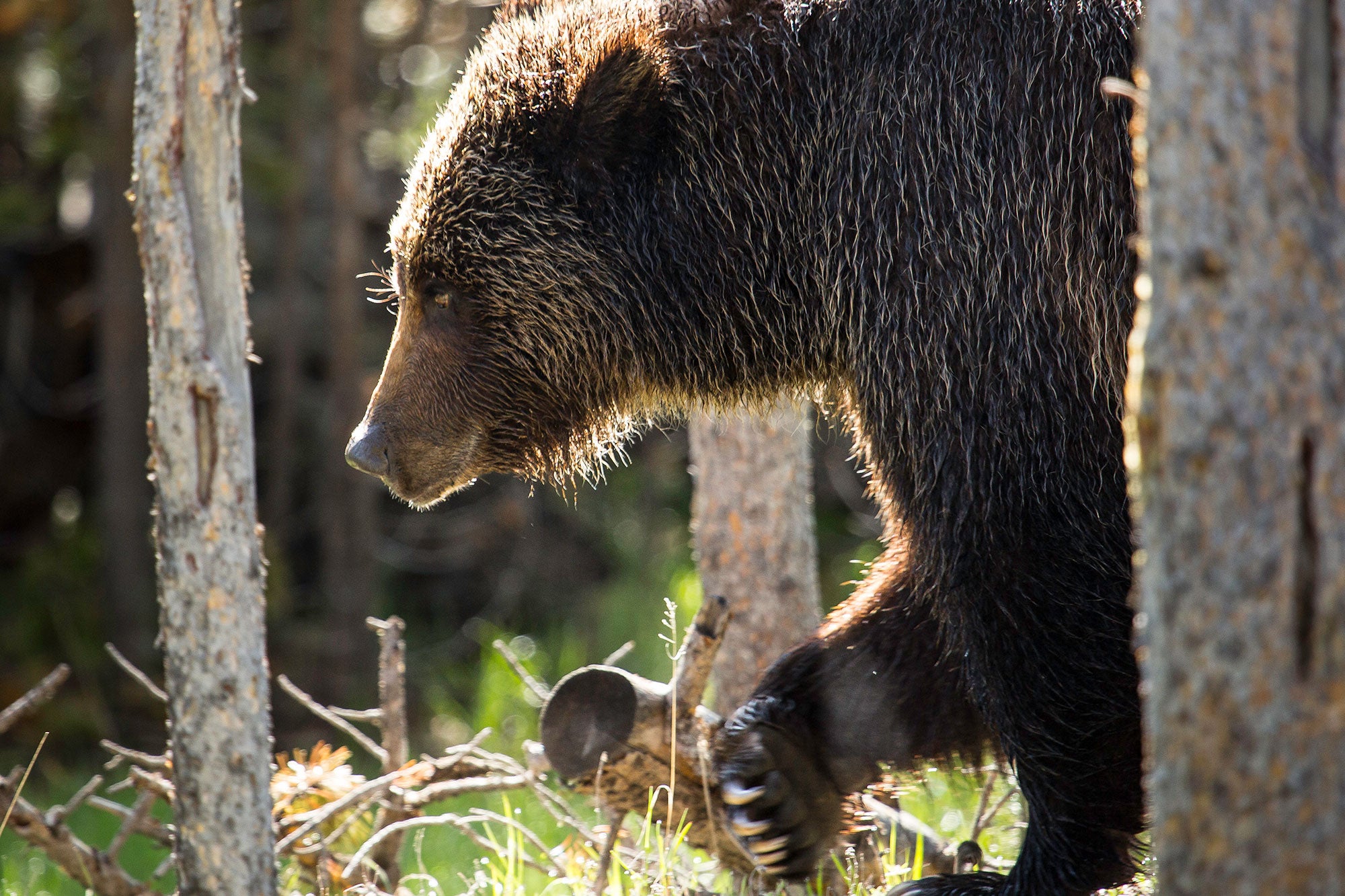
What Happened: The Trump administration just proposed handing management of grizzly bears in much of their range over to Northern Rockies states that have shown hostility to the bears’ existence. Under the proposed rule, states would gain significant new authority to relocate or kill grizzly bears.
This achieves a similar result to delisting grizzlies from Endangered Species Act (ESA) protections, but without the administration having to make the legally required finding that federal protections are no longer necessary for the species’ survival. It is part of a broader attack against grizzlies and the Endangered Species Act (ESA), one of the most popular and effective conservation laws ever enacted.
Why It Matters: The administration’s actions ignore back-to-back record high mortality years and increasing threats to the species: 2025 was grizzlies’ deadliest year since being listed under the ESA, with at least 72 grizzly bears killed in the Greater Yellowstone Ecosystem alone. Handing over management to hostile Northern Rockies states would further threaten the bears’ recovery. At the same time, we’re witnessing unprecedented attacks on other imperiled species and the laws that protect them.
For decades, Earthjustice attorneys have fought to restore grizzly bear populations, and we are prepared to take legal action once again if the administration eliminates safeguards essential to the grizzly bear’s recovery. During the first Trump administration, we successfully stopped the delisting of the Greater Yellowstone grizzly population, part of our broader campaign to protect wild species and the habitats they need to survive.
Why do grizzlies still need protection?
- While federal protections afforded by the Endangered Species Act listing have helped foster a slow comeback for grizzlies in the Northern Rockies, mounting threats from humans jeopardize any lasting recovery.
- One of the primary threats to grizzly bears today is habitat degradation and fragmentation due to human development, including roads, logging, and mining. This also increases grizzlies’ encounters with humans that often result in the grizzly’s death.
- Additionally, declines of key food sources due to climate change further push bears into areas where they are more likely to encounter humans.
- The U.S. Forest Service has proposed repealing the Roadless Rule, a longstanding conservation safeguard that has kept designated forests safe from new road-building and commercial logging. Because they introduce humans, displace bears from high-quality feeding habitat, and disrupt potential movement between recovery areas, more roads would put grizzlies in greater jeopardy.
How does Trump’s proposal put grizzlies at further risk?
- The Trump administration’s proposal hands management of the bears in much of their range over to Northern Rockies states that exhibit extreme anti-science and anti-grizzly attitudes. They have lobbied for years to delist the grizzly bear.
- It would give the states broader authority to capture, harm, and kill the bears without federal oversight.
- Science shows that grizzly bears need a connected, unified population across the region to recover long-term. But this proposal gives no guidance on how (or whether) to conserve areas essential for that connectivity.
- This attack on grizzly bears is happening alongside a broader attack on the Endangered Species Act. This month, the Trump administration eliminated the ESA’s habitat protections for vulnerable species. The destruction of habitat is the main cause for species decline in the United States. Slashing these protections paves the way for extractive industries seeking to profit off the habitat of grizzlies and other threatened and endangered species. Earthjustice is challenging this rollback in court.
America’s wildlife is under attack
- The price of greed: The attacks on America’s wildlife and the ESA are coming from politicians and corporations who find it inconvenient to operate in a way that doesn’t drive species to extinction. The ESA has become a target for these profit seekers who can’t be bothered to keep treasured wildlife safe. Nobody wants to see species sacrificed for the sake of a corporation’s bottom line.
- The power of the ESA: The ESA has shown that even species on the brink of extinction can bounce back when we ensure their existence is legally protected. The ESA has saved nearly 100% of animals at risk of extinction. This law is invaluable and it’s up to us to protect it and them.
- Animals saved from the ESA: The Endangered Species Act has bolstered the survival of iconic species such as bald eagles, polar bears, humpback whales, and countless others. Without it, future generations may never get to see these iconic creatures thrive.
- Americans love wildlife: The vast majority of Americans believe our government should protect endangered species and their habitats. Any effort to weaken the ESA goes against that.
How will Earthjustice protect grizzlies and the ESA?
- Earthjustice has worked for decades to safeguard grizzlies, including petitioning federal regulators to adopt a new, proactive approach to grizzly bear recovery and successfully challenging the first Trump administration’s attempts to delist the species and sparing the bears from planned trophy hunts in 2020.
- If the Trump administration finalizes a rule that eliminates safeguards essential to grizzly bear recovery, we’ll see them in court.
- For more than 50 years, Earthjustice has used the power of the law to protect imperiled species, from salmon to wolves to songbirds. As scientists predict that nearly 40% of all species may face extinction by the end of the century, we’re not backing down.
How you can help
- The grizzlies’ future is in our hands. It’s up to us whether we relegate grizzlies to tiny zoo populations, or whether we will assure a future in which grizzly bears thrive for generations to come.
- Take action.