The Permitting Bill Threatens Our Endangered Species
Endangered species could pay the price for a bill that would allow the Trump administration to fast-track fossil fuel and other destructive projects.
Last week, the Senate passed a permitting bill that would dramatically weaken the Endangered Species Act (ESA), edging imperiled wildlife closer to extinction in order to fast-track fossil fuel, mining, logging, and other environmentally harmful projects.
The bill falsely presumes that protecting our wildlife and biodiversity somehow stands in the way of clean energy development. It doesn’t. There’s no reason lawmakers cannot advance clean energy infrastructure without sacrificing protections for our endangered species. But as written, the bill would cut the heart out of the ESA, stripping essential safeguards at a time when dwindling species are under increasing pressure from climate change, accelerating habitat loss, over-exploitation like overfishing, and a de-regulatory onslaught from the Trump administration that threatens to dissolve programs bolstering their survival.
Since its passage in 1973, the ESA has prevented 99% of the species from becoming extinct. The proposed changes in the Senate’s permitting bill would threaten that track record, significantly decreasing the law’s effectiveness in the future. The bill would undercut fundamental safeguards in the ESA that apply to all activities, including logging, industrial fishing, pesticide use, and dredging. And its provisions reach beyond project reviews to make it more difficult to protect a species or its habitat in the first place.
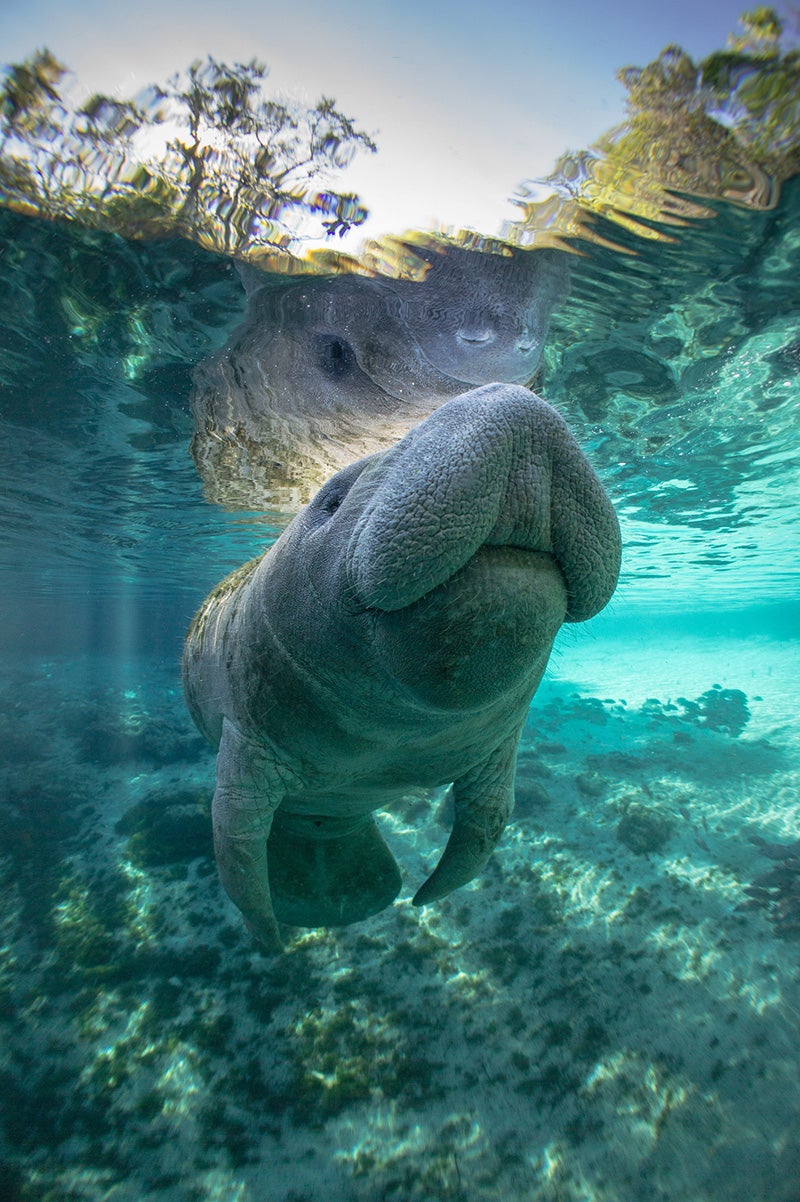
All told, the bill makes it far more likely that species like sea turtles, grizzly bears, and manatees — centerpieces of our nation’s culture, cornerstones of our outdoor economy, and the pride of communities from Alaska to Florida — could disappear into history books.
Here is what’s at stake for endangered species under the current version of the permitting bill:
- It shifts responsibilities for protecting endangered wildlife from federal agency experts to a patchwork of state agencies with little experience and fewer resources. The ESA tasks two federal agencies, the U.S. Fish and Wildlife Service and the National Marine Fisheries Service, with conserving threatened and endangered species. Congress crafted a federally run system for these agencies to evaluate actions to ensure that they do not jeopardize a species’ survival. There is good reason for that unified approach—it ensures that species protections are based on scientific expertise and applied across the species’ range, which in most cases does not match up with state lines. This bill proposes shifting the responsibility of consultation onto state agencies that generally lack the staffing, resources, and expertise to manage listed species. It would create a patchwork of enforcement handled by staff with less experience and fewer resources to work with, weakening and fragmenting species protections, with more imperiled wildlife slipping through the cracks of a more complex, multi-layered and confusing system.
- It upends the idea that the government should take precautionary measures to prevent extinction before species are on the brink. The ESA embodies what courts have called “institutionalized caution”—that is, the recognition that extinction is irreversible but our understanding of rare and imperiled species is often imperfect. Often, the only way to ensure their continued survival and recovery is to take precautionary action in the face of some uncertainty based on the guidance of experts. The permitting bill includes new language redefining the phrase “best available science” that would essentially weaponize scientific uncertainty and turn it into a reason not to protect species at all. Far from making decisions more science-based, it could severely restrict what and how information can be used when considering species protections. For example, some species of fish, like the Arctic grayling found in Montana and salmon in the Pacific Northwest, can only survive in very cold water. Yet rising temperatures driven by climate change already pose a threat; one that is exacerbated by dams, streamside logging, and industrial discharges. There is often scientific uncertainty in projections about precisely how hot a river might get and when. Right now, the ESA’s command to use the “best available science” requires agencies to avoid or minimize the harms from things like proposed dam operations that worsen the outlook for a species even if the agency can’t precisely predict the future. But the bill would turn that uncertainty into a reason to reject that evidence, even when it’s abundantly clear that hotter rivers pose an existential threat to the fish. This change could affect thousands of species whose existence hangs in the balance due to habitat loss, changing climate conditions, or other threats on the horizon that scientists are actively warning about.
- It makes it nearly impossible for agencies to compel a developer to protect a species when new information is discovered after a permit has been issued. The bill’s “project permitting certainty” provisions would make it nearly impossible for an agency to revisit necessary protections or correct any mistakes if new information arises showing that a species is at greater risk of extinction than previously thought – or even if a project proves far more harmful than anyone anticipated. And it would hand the power to grant these “forever” permits to the Trump administration, which has regularly sought to open coasts and public lands throughout the nation to oil and gas drilling and other harmful development.
- It would allow new highway construction to cut right through critical habitat for endangered wildlife, without any accountability for following the law. A so-called “operational right-of-way exemption” would exempt a wide variety of federal highway projects from the Endangered Species Act, eliminating the need for any analysis whatsoever on how projects in these areas would impact imperiled wildlife’s continued survival. This is especially troubling because roads are notorious for creating habitat fragmentation – and habitat loss is the leading driver of biodiversity loss.
Imperiled wildlife are resilient and capable of coming back from near-extinction – but they need humans on their side to facilitate recovery. Congress should heed the overwhelming support from American voters for upholding the federal government’s responsibility to protect endangered wildlife and remove these destructive provisions.
Established in 1989, Earthjustice's Policy & Legislation team works with champions in Congress to craft legislation that supports and extends our legal gains.
Siham Zniber
Associate Director, Policy & Legislation, Earthjustice
szniber@earthjustice.org