

Earthjustice Regional Report
Northeast
For decades, Earthjustice has undertaken groundbreaking work to address the impacts of pollution and climate change in the Northeast.
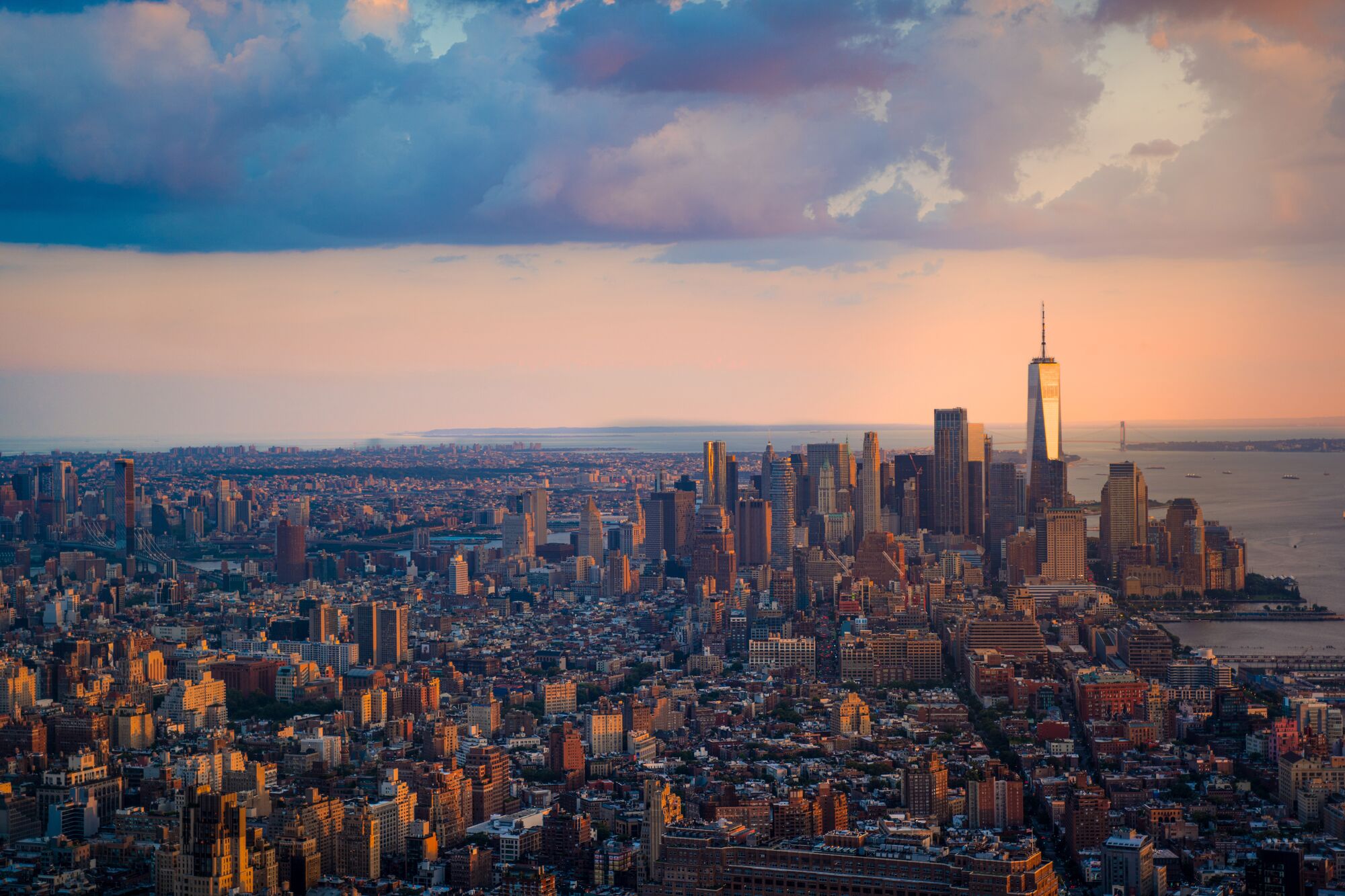
The region has long been on the forefront of what is possible in this country and is now where some of the nation’s boldest environmental laws — the culmination of many years of research, vision, and painstaking advocacy — are thriving, despite federal attacks.
Earthjustice will always defend states carrying the torch to protect people and the planet, and this work is center stage in the Northeast.
In addition to our defensive work, we also have a ferocious offensive lineup. We are meeting lawlessness with lawsuits. Judges are agreeing with us, more often than not, and the rulings we have secured are precedent for stronger affirmative action on climate. We press on in our fight for a cleaner, greener, and more resilient Northeast, and are happy to report on some of our leading work.
Powerhouse State Climate Laws
New York Climate Leadership & Community Protection Act
We are advocating for robust and timely implementation of New York’s pioneering climate law, the Climate Leadership and Community Protection Act (CLCPA). Signed into law in 2019, the CLCPA mandates ambitious greenhouse gas emissions reductions leading up to an 85% reduction from 1990 levels by 2050. To meet these targets, the law tasks the state Department of Environmental Conservation (DEC) with promulgating regulations to drive down emissions across the state over time.
When the DEC dragged its feet in developing a regulatory framework, we fought back to demand the state fulfill its duties. In 2025, we filed a lawsuit on behalf of environmental advocacy and environmental justice groups, including Citizen Action New York, PUSH Buffalo, WE ACT for Environmental Justice, and Sierra Club. In October 2025, the New York Supreme Court ruled in our favor, directing the DEC to issue new regulations to reduce emissions consistent with the law by February 2026.
Despite this court order — and public appetite for robust implementation of the law — the state amended the CLCPA to give the DEC until the end of 2028 to finalize the regulations. But the CLCPA still stands, and we remain unwavering in our advocacy for a just transition to a clean energy economy. We continue to push every New York agency, including the DEC, New York Department of Transportation, and New York Public Service Commission, to comply with the CLCPA. This includes accounting for and addressing the climate and environmental justice implications of their actions, such as issuing permits, allocating funding, and greenlighting projects. We will also continue to advocate for strong regulations to ensure we meet our emissions targets and deliver economic and health benefits to all New Yorkers.
We recently scored an important win in May 2026, when a New York appellate court upheld our successful challenge to the Public Service Commission’s decision to allow a cryptocurrency mining company to purchase Niagara County’s Fortistar North Tonawanda gas-fired power plant and run it 24/7. The energy-hungry cryptocurrency mining industry is increasingly seeking to resurrect retired or rarely operated gas and coal plants to power their operations, and the Finger Lakes region is a prime target. In just six months, the plant spewed more pollution than in the previous six years combined. This is a significant victory: It is the first appellate ruling affirming that an agency violates the CLCPA when it fails to address emissions consequences.
New York Cumulative Impacts Law
New York’s Cumulative Impacts Law (also known as the Environmental Justice Siting Law), which works in tandem with the CLCPA, was signed into law in 2023 and went into effect in January 2025. It requires state regulators to consider the impacts of a siting decision in environmental justice communities side-by-side with the community’s existing pollution and health burdens. Then, if the project would contribute more than a relatively minimal amount of pollution, the law requires state agencies to deny the pollution permit. Permit renewals must receive additional scrutiny as well.
Earthjustice worked closely with partners advocating for the law and negotiating its final form. With New York City Environmental Justice Alliance, South Bronx Unite, WE ACT for Environmental Justice, and others, we are deeply engaged in the administrative processes to help shape the law’s implementing regulations, without which the law would have no teeth. The state finalized an initial phase of regulations and guidance in May 2026, with more still to come. Our advocacy is to ensure that the final regulations transform permitting in New York to the benefit of the most vulnerable communities.
New York Climate Superfund Law
Following the model of the toxics-focused federal Superfund Act, New York’s Climate Superfund Act seeks to shift the costs of addressing the harms of climate change from state residents and taxpayers to the fossil fuel companies most responsible. Climate superfund laws are revolutionary measures to mitigate impacts of climate change and an example of states working as laboratories for change that could scale to the national level. For these and other reasons, they are highly contested. With the Natural Resources Defense Council, we filed briefs in several courts alongside the New York Attorney General to defend New York’s law against challenges from the Trump administration as well as states and industry associations. Neither decision was ruled in our favor at the district court level, but we will keep fighting to defend these laws.
$75 billion Climate Change Adaptation Fund
The law aims to raise $75 billion over 25 years to fund a Climate Change Adaptation Fund to protect the city. This fund will be used for climate infrastructure such as coastal wetland restoration, stormwater drainage upgrades, public health programs addressing climate-driven challenges, and responses to extreme weather events. At least 35–40% of the fund’s benefits must flow to disadvantaged communities.
New Jersey Environmental Justice Law
For years, Earthjustice and partners helped to build, shape, and push forward New Jersey’s Environmental Justice Law, which sets forth mechanisms to reach goals for reducing and eliminating the disproportionate pollution burdens borne by environmental justice communities in the state. The law instructs the state to deny applications for new pollution permits and add additional protective conditions for renewing and expanding permits for existing facilities in these overburdened communities.
Fighting New Jersey Polluters Case-By-Case
We are submitting comments and advocating with the state regarding the first few applications under the New Jersey law. These cases will set the tone for the years ahead, and now is the time to get it right. We work with our key community and statewide partners — Clean Water Action, Ironbound Community Corporation, New Jersey Environmental Justice Alliance, and South Ward Environmental Alliance — and others impacted by the facilities in question.
Newark Does Not Need a Fourth Gas Plant
Thanks to our 2025 lawsuit, construction on what would be the fourth gas plant in Newark’s Ironbound neighborhood has been paused. We have long worked with our partner the Ironbound Community Corporation in their fight to prevent this unnecessary facility in what is already one of the state’s most polluted ZIP codes. Despite overwhelming opposition from residents and local elected officials and the availability of cleaner alternatives, New Jersey allowed the permitting process for this new plant to move forward. Compounding the issue, the gas plant would power one of the country’s largest wastewater treatment plants, also a major polluter of the same neighborhood. We challenged the Passaic Valley Sewerage Commission’s approval of the facility and were granted a stay late last year, halting construction while the litigation proceeds.

Clean Energy
New Pipelines in NY and PA. The Trump administration’s false “energy emergency” has spurred gas pipeline company Williams Companies to try to resurrect two projects that have been rejected multiple times after extensive reviews and Clean Water Act compliance concerns. We are working to defeat them, again.
Location From Pennsylvania to New York, including an undersea portion through Raritan and Lower New York Bays.
Reason for Prior Rejection The proposed pipeline was not consistent with the states’ water quality standards under the Clean Water Act, and dredging for the pipeline could release sediments with toxic elements like mercury and copper.
Timeline
2019
New York and New Jersey reject the Northeast Supply Enhancement (NESE) pipeline.
2024
Williams Companies abandoned the project, and the Federal Energy Regulatory Commission (FERC) vacated the certificate of “public convenience and necessity.”
2025
Williams filed a request asking FERC to reissue the project’s vacated approval and filed applications with New York and New Jersey for Clean Water Act permits. FERC and New York proceeded to grant the approvals, and Earthjustice challenged the decisions.
2026
The 2nd Circuit upheld the New York permit in August, and we continue to litigate our FERC challenge. Meanwhile, our partners won their challenge to the approved New Jersey permit.
Partners Natural Resources Defense Council, Sierra Club, Surfrider, NY/NJ Baykeeper, and others
Location Hundreds of miles from Pennsylvania through New York State
Reason for Prior Rejection The proposed pipeline did not demonstrate compliance with the Clean Water Act and could disturb wetlands and other sensitive ecosystems.
Timeline
2013
FERC approves Constitution pipeline and Earthjustice files litigation to challenge the approval.
2014–2019
New York State denied the project’s Clean Water Act permit. Williams Companies challenged that denial, which we successfully helped to defend through protracted litigation.
2020
Williams abandoned the project.
2025–2026
Williams applies for FERC approval once again and seeks to avoid New York water quality certification. We are opposing on behalf of our partners and recently submitted comments on FERC’s inadequate environmental assessment. We also filed a case in the 2nd Circuit challenging FERC’s decision to continue considering this project as a continuation of the abandoned project.
Partners Coalition of groups, including Catskill Mountainkeeper, Riverkeeper, and Sierra Club
All-Electric Buildings in New York State and New York City. Buildings are the largest source of greenhouse gas emissions in both the state and its largest city, accounting for over two thirds of the city’s overall emissions. Earthjustice is working to achieve a just transition to all-electric buildings in New York, leaving fossil fuels — but not people — behind. We are helping to defend a group of forward-thinking laws that will significantly reduce these emissions for existing and new development and would be a boon in helping reach CLCPA emissions goals.
These rules envision a more resilient future for New York. They will lead to more comfortable homes that are also cheaper to build and more affordable for residents than buildings that rely on fossil fuels. Some households could save over $3,000 annually. The gas industry and allied groups are vigorously opposed to the climate-critical (and generally popular) transition away from using fossil gas in homes and commercial buildings. But these types of clean energy measures are a bare minimum to comply with CLCPA mandates and to create a clean, modern, and sustainable future for one of the world’s iconic cities — if not a model for cities across the country.

Defending New York’s Clean Building Laws
- All-Electric Building Act: Requires all new residential buildings in New York State to prohibit the use of fossil fuels and be all-electric by 2027. We and our partners helped shape the All-Electric Building Act in 2021, which the New York State legislature passed in May 2023. We defeated challenges to the act in 2024 and successfully defended our victory on appeal in 2026. This is the first court of appeals decision confirming that states and cities have the power to enact building electrification laws.
- Local Law No. 154 - Building Electrification: Prohibits the on-site combustion of fuels that emit more than 25 kilograms of carbon dioxide (equivalent to the annual emissions from six gasoline-powered cars) in new construction in New York City. We helped defeat challenges to the law in 2024 and successfully defended our victory on appeal in the same 2026 decision that affirmed the All-Electric Building Act.
- Local Law No. 97 - Sustainable Buildings: Creates emission reduction deadlines for most buildings over 25,000 square feet. We’ve defended the law since it was passed in 2019. Most recently, we and our partners helped defeat a challenge in June 2025.
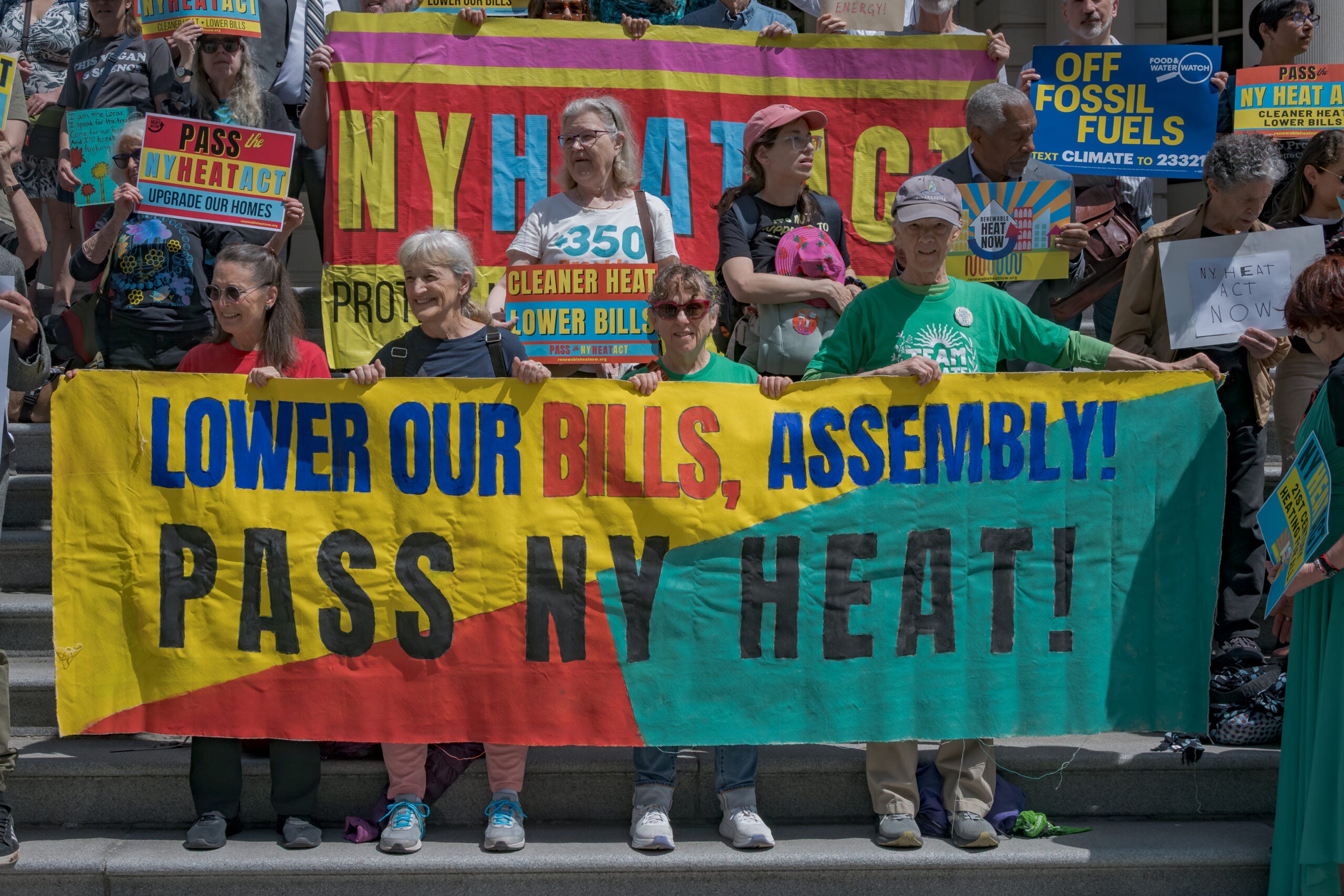
- NY HEAT Act (the New York Home Energy Affordable Transition Act): Repeals the 100-foot rule, which allows gas corporations to charge customers for the cost of the first 100 feet of new gas lines. Eliminating this subsidy will save New Yorkers up to $600 million annually, enable more building electrification, and rein in expansion of dirty gas pipelines. We mounted a multi-year campaign in support of the act, a portion of which was passed in December 2025, and will defend it as necessary.
Clean Air & Water
Reducing Diesel Pollution at the Port of Newark. We are working in coalition with Clean Water Action, Environmental Defense Fund, Ironbound Community Corporation, New Jersey Environmental Justice Alliance, and South Ward Environmental Alliance to advocate for a law that would reduce emissions from trucks and other indirect sources of pollution from warehouses and ports in New Jersey. The law would require the state to implement an indirect source rule, which would require warehouses and other epicenters of truck activity to reduce pollution associated with their facilities. Switching from diesel to electric trucks has been a key solution for a similar rule in California.
A successful indirect source rule would immensely improve air quality. Residents of Newark and adjacent cities are particularly impacted by the emissions from roughly 14,000 diesel drayage truck trips per day through the narrow, residential streets of their communities. Port Newark-Elizabeth is the principal container ship facility for goods entering and leaving the entire northeast quadrant of North America, behind only the Port of Los Angeles-Long Beach as the busiest marine port in the nation.
On another front, Earthjustice is providing legal support to the Coalition for Healthy Ports NJ-NY as they fight for other measures to clean up the air, water, and other harms from the operation of Port Newark-Elizabeth. The coalition comprises longtime partners, including local environmental, labor, faith, environmental justice, and business organizations.
Back-to-Back Drinking Water Wins in NY. Owasco Lake, one of the Finger Lakes, is a major drinking water source for 45,000 people. It suffers from harmful algal blooms caused largely by nutrient-rich agricultural runoff, like manure. Algal blooms are a sudden increase in the population of algae in an aquatic system and produce dangerous cyanotoxins, which can cause serious liver damage and may be carcinogenic. When the New York Department of Health (DOH) decided to roll back protections from agricultural runoff for Owasco Lake, we filed two lawsuits in 2024 and prevailed in both. In 2026, the court reaffirmed one of those wins, reiterating that the DOH does indeed have the authority to promulgate watershed regulations that relate to agricultural practices.
The outcomes of the lawsuits underscore the authority and responsibility of the DOH — and New York State — to issue rules and regulations to protect drinking water sources from contamination, including agricultural runoff. The case also resulted in an order for the DOH to work with our clients to draft updated drinking water rules that require farming operations to do more to control runoff into Owasco Lake. If issued, these rules will provide a template for state and local officials to take action to preserve New York’s drinking water sources.
The court also invoked New York’s recently enacted and already promising constitutional Environmental Rights Amendment in rejecting the DOH’s argument that our clients lacked a right of action, also known as standing, to challenge agency decisions to roll back environmental rules. The court affirmed that our clients are within their rights fighting for the “constitutional right of New Yorkers to clean drinking water, and a healthful environment.” Earthjustice is continually exploring strategies to build out case law that will give the Environmental Rights Amendment more power. We are thrilled that several judges in the state seem willing to help do so.
Protection from Toxics
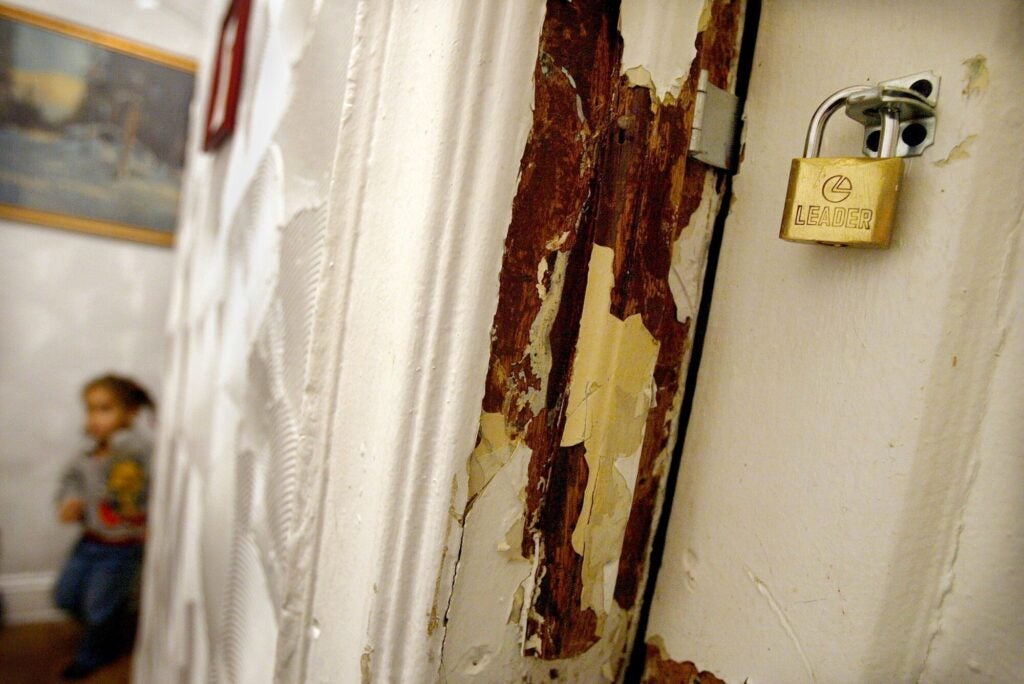
Lead is highly poisonous and can cause profound cardiovascular, neurocognitive, and reproductive harm, particularly to children and pregnant women. Paint that contains lead is commonly found in homes built before 1980. Because a relatively high number of homes in the region were built before then, New York children experience among the highest levels of childhood lead poisoning in the nation. Through litigation and advocacy, Earthjustice is fighting to reduce lead exposure in New York homes.
Pushing for Stronger Lead Inspection Regulations. In 2023, the New York State legislature passed Public Health Law Section 1377, which requires inspection of multi-dwelling rental units in communities with high numbers of children with elevated blood lead levels. Owners must then ensure remediation of any identified lead hazards and certify their units as “free of lead paint hazards” at least once every three years.
However, the DOH regulations to implement this law will not actually protect children and families from lead. They do not identify or eliminate lead hazards in high-risk areas, such as friction and impact surfaces, porches, and soil. Additionally, the DOH has adopted outdated numeric standards both for lead-based paint and lead soil hazards that are not protective of human health and have been rejected by federal courts because they permit significant amounts of lead. Furthermore, the regulations do not require appropriate certification of inspectors. The regulations also violate a different law by allowing temporary fixes, such as repainting, that reduce but do not eliminate lead hazards in homes where a child has been identified with elevated blood lead levels.
We are challenging these insufficient regulations on behalf of A Village, Inc., WE ACT for Environmental Justice, and New York Public Interest Research Group Fund.
Advocating for Lead Service Line ReplacementOld lead pipes delivering drinking water to homes are another significant vector for lead exposure in New York. Drinking water can constitute up to 80% of bottle-fed infants’ exposure to lead. In 2024, the EPA promulgated a landmark rule, the Lead and Copper Rule Improvements rule (LCRI), which mandates the proactive removal of such lead pipes within 10 years. The rule, however, left certain crucial aspects for states to address to ensure the mandate applies broadly and that the LCRI lives up to its promise. Earthjustice is actively working on such legislation in New York. We are providing technical input on the legislation to state legislators and partners, conducting legal research to support the legislation, and drafting advocacy documents to defend it and debunk arguments opposing it.
Bringing the Fight
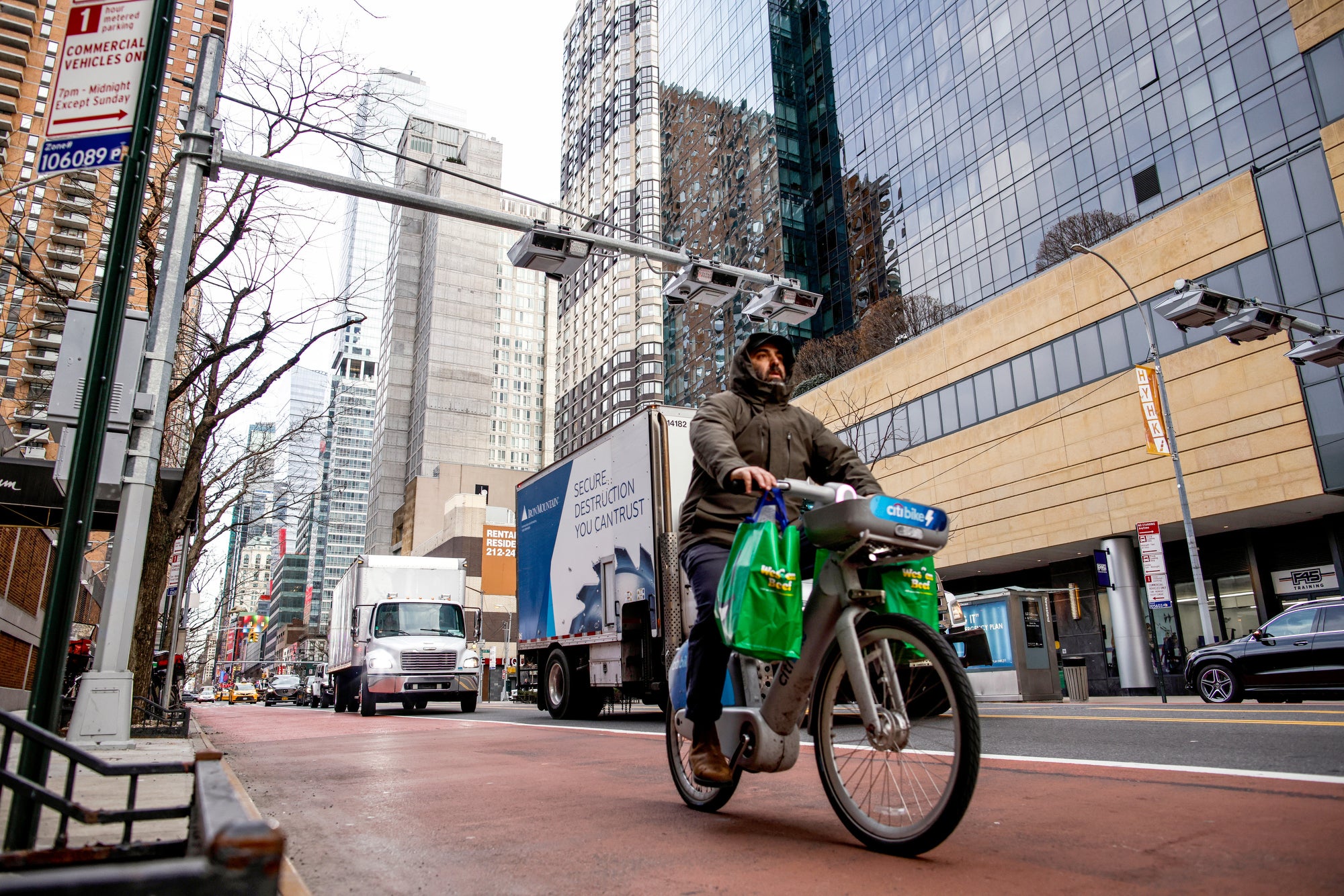
Since its inception, the Trump administration has been trying to suppress climate progress in the Northeast. One target is the popular — and over five years in the making — NYC Congestion Pricing Rule. After the administration tried to shut down the first-of-its kind program less than two months after it launched in January 2025, Earthjustice joined forces with the Metropolitan Transit Authority to sue on behalf of Riders Alliance and the Sierra Club. A New York federal court ruled in our favor in March 2026, ensuring that New Yorkers can continue to reap the many benefits of this innovative program. In its first year, residents enjoyed reduced vehicle pollution, an 11% drop in traffic, fewer road deaths than any prior recorded year, and $550 million generated for public transit improvements. We are currently defending our victory against an administration appeal in the 2nd Circuit Court of Appeals.
We are also helping our allies challenge the Trump administration’s attack on wind energy, which would hobble an extremely successful renewable energy source for the region. Along with our partners, we supported three wins for wind power through amicus briefs in the last year. These successful challenges were filed by attorneys general from 17 states and Washington, D.C., clean power associations, and wind energy trade associations. We will continue to work with states and partners to support the development of offshore wind facilities.
Thank You
Increasingly, litigation — supported by pointed policy advocacy and targeted communications — is proving itself the backbone for countering the lawless agenda of the Trump administration. And it is what Earthjustice does best. Our expertise is in amplifying the legal and factual arguments, the policy and lawmaking, and the community support for strong environmental regulation and urgent climate action. In the Northeast, as in regions across the country, our work is helping to keep us moving forward in the fight for environmental and climate justice, clean air and water, and the right to a healthy environment for all. Thank you for being part of it.