

Where Do Microplastics Come From and Why Are They Polluting Our Waters?
The tiny pieces of plastic are leading to big problems
Diane Wilson of San Antonio Bay Estuarine Waterkeeper sifts through tiny plastic pellet waste from the Dow Seadrift Plastics plant in Seadrift, Texas, on Jan. 18, 2026.
Danielle Villasana for Earthjustice
March 19, 2026
Microplastics can now be found just about everywhere in the environment, including — most alarming — in our own bodies.
But this tsunami of tiny plastic pieces doesn’t just originate from discarded trash.
Among the largest contributors to the microplastic problem are the companies that manufacture pre-production plastic pellets called “nurdles.” These nurdles often spill directly out of the factories that produce them or fall off trucks and ships during transport, and they make their way into waterways.
Earthjustice is representing San Antonio Bay Estuarine Waterkeeper to fight one such major polluter.
Mapping Microplastic Pollution Samples
Each orange dot represents where plastic particles were collected going back to 1972. This map combines over 30 different peer-reviewed datasets collected by science research organizations, governmental groups, nonprofits, and citizen scientists.
Source: National Centers for Environmental Information (NCEI). NOAA NCEI marine microplastics database, Nature, 10/20/2023.
In Seadrift, Texas, three companies operating out of a single facility have been discharging microplastics and other pollutants from a plastics plant into waterways that flow into San Antonio Bay.
In February, the state of Texas sued Dow Hydrocarbons and Resources LLC, Union Carbide Corporation, and Braskem America, Inc., for the companies’ habitual noncompliance with their state-issued water permit.
Our client San Antonio Bay Estuarine Waterkeeper intervened in the state court suit to ensure that its extensive evidence of nurdle pollution is lodged in the official record and to pursue a robust outcome.

San Antonio Bay Estuarine Waterkeeper has observed for years that the Seadrift facility routinely allows a mix of plastic pollutants, including nurdles, to be released into the environment.
Once the nurdles are discharged from the facility’s property, they enter the waterways that flow into the bay where they can drift out deeper into the Gulf of Mexico, and negatively impact sealife, marine birds, and potentially human health along the way.
San Antonio Bay Estuarine Waterkeeper also filed a successful 2019 suit against the nearby Formosa Plastics’ Point Comfort facility for similar nurdle pollution. The suit resulted in a settlement in which the company agreed to eliminate plastic discharges and clean up its plastic pollution.
So what are microplastics again?
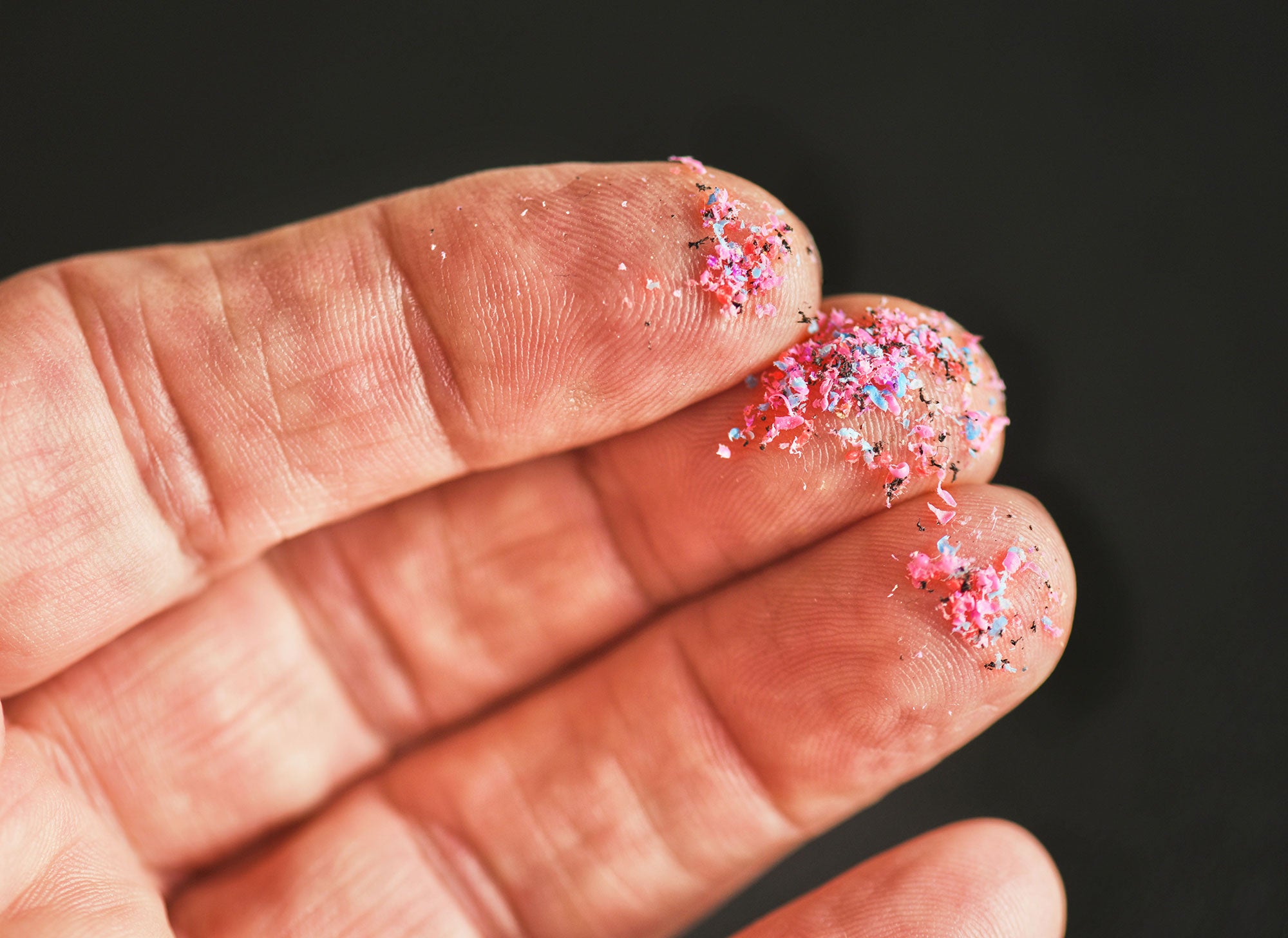
Simply put, they are tiny plastic particles. Microplastics can either be fragments of larger plastic items that have degraded, or, in the case of nurdles, manufactured intentionally for use as the building blocks for most plastic products. Microplastics range in size from 0.000001 millimeters to 5 millimeters. Nurdles are on the larger side of that range, typically 2 to 5 millimeters, which is smaller than the diameter of a pencil eraser.
Microplastics Size Range
5mm
0.000001mm

Not to scale
A plastic nurdle found near Dow Seadrift. About the diameter of a pencil eraser, this pellet will break down into smaller and smaller pieces in the environment.
The smallest microplastics are the size of viruses and can be found in blood and organs. It would take 5 million pieces to span this eraser.

Source: EPA
Nurdle image courtesy of San Antonio Bay Estuarine Waterkeeper
When microplastics spill into marine environments and other natural ecosystems, they don’t biodegrade or disappear.
Nurdles have become a particularly troubling environmental threat in recent decades as more are manufactured and transported across the global supply chain each year. Made of various fossil-fuel derived materials, including polyethylene, polypropylene, and polystyrene, the pellets commonly contaminate water bodies and wash up on shorelines in massive quantities.
The pellets can sink or float depending on their density, and commonly break down into even smaller microplastics and nanoplastics, making them invisible to the naked eye and infinitely more difficult to track.
How widespread is the microplastics problem?
Just about six decades since first detected in the environment, microplastics are now in the air we breathe, the food we consume, and the water we drink. They’ve been found in every ecosystem in the world, from Antarctic ice to steamy Amazonian jungles, permeating oceans, rivers, soils, and the atmosphere – from the deepest ocean trenches to near the summit of Mt. Everest.
An estimated 10 to 40 million tons (as much as 80 billion pounds) of these contaminants are released into the environment every year, a figure that is expected to double by 2040 if current trends persist.
Microplastics have also been identified in about 1,300 mostly aquatic species up and down the food web, from the smallest invertebrates to the largest apex predators, including whales and other marine mammals.
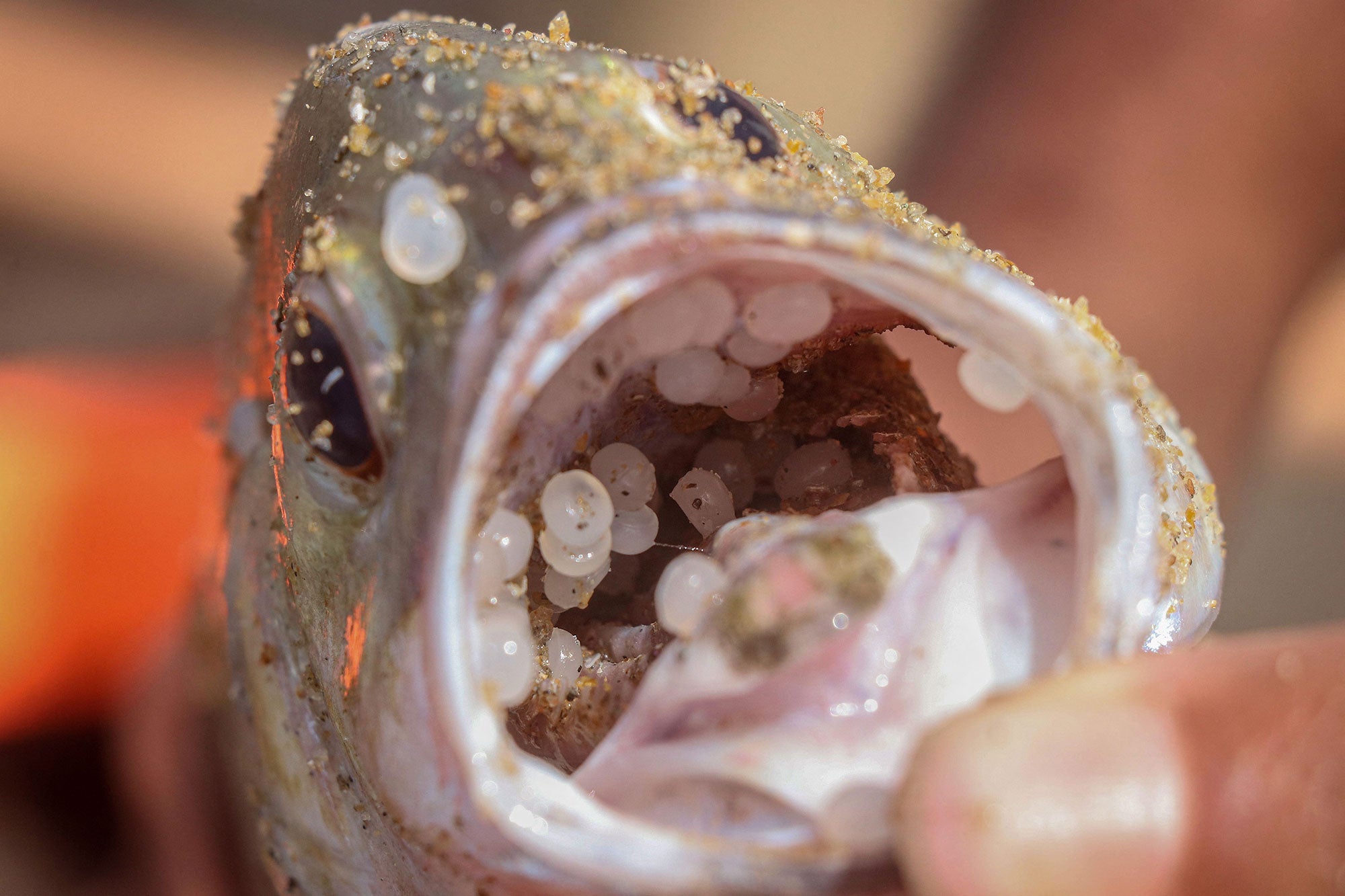
Some 60% of fish captured in countries around the world contained microplastics in their organs, according to one recent review study. Contamination was particularly prevalent in commercially important species, including many carnivorous fish and an array of shellfish, such as oysters, mussels, and shrimp – suggesting widespread ingestion by humans. Strikingly high concentrations of microplastics have also been found in various seabird species.
Nurdles, in particular, have become one of the largest sources of microplastic pollution. Primarily leaked from manufacturing facilities through wastewater streams and during transport, nearly 1 billion pounds of these pre-production plastic pellets enter the ocean every year, according to recent estimates. That’s roughly the equivalent of 1 trillion plastic straws.
Nurdle Patrol and other citizen-science projects have documented thousands of pellets on beaches and in inland waterways, with some of the highest concentrations in the country found near a cluster of Texas manufacturing facilities along the Gulf Coast.
How serious is the environmental impact of microplastics?
An ample body of scientific evidence underscores that the proliferation of microplastic pollution poses a significant environmental and ecological threat. Specifically:
- Marine wildlife eat microplastics. Nurdles, in particular, resemble fish eggs and are mistaken for food by marine wildlife. The particles have been found to cause serious physical harm to many of the organisms that eat them, with increasing evidence of digestive blockages, reduced feeding efficiency, impaired growth, reproduction problems, and weakened immune systems.
- Microplastics concentrate other pollutants. Microplastics, and nurdles, in particular, also act as “toxic sponges,” attracting a host of harmful bacteria and pollutants onto their surfaces that can bioaccumulate in animal tissues, precipitating negative health impacts up the food chain.
- Microplastics can disrupt ecosystems. Recent research has also shown that microplastics can broadly disrupt ecological processes by altering the composition of algae in the oceans. That, in turn, kills off the zooplankton that feed on it, thereby depleting a key food source for many fish and other sealife.
What impacts do microplastics have on human health?
While some studies on this have been contested, a growing body of research has found consistent evidence of microplastics throughout the human body, including the brain, heart, stomach, testicles, lymph nodes, and placenta. The contaminants have also been found in bodily fluids such as urine, breast milk, semen, and even meconium – a newborn’s first stool.
A limited number of animal studies and experiments on human cells suggest that exposure to microplastics may also be risk factors for cancer, cardiovascular disease, reproductive problems, inflammation, and other serious health problems.
One large-scale review suggested that microplastics could be detrimental to human reproductive, digestive, and respiratory health, and may also be linked to colon and lung cancer. In another recent study, researchers compared patients who had surgery to remove plaque from their arteries, finding that those with detectable amounts of microplastics faced a higher risk of heart attack, stroke, and death several years later.
But because few of these studies on microplastics have directly investigated health outcomes in people, there is still little consensus about the dangers of exposure and at what levels.
What’s not in dispute, however, is the ubiquity of microplastics in our environment, an alarming reality that has spurred Earthjustice and the groups it represents to hold manufacturers accountable and push for stricter regulations aimed at reducing such pollution before it’s too late.
Matthew Green is a Berkeley-based journalist covering a range of environmental issues. He was previously a reporter and editor at KQED News. When not chasing stories, he can usually be found chasing after his two young daughters.
The Gulf Regional Office works with communities and other partners fighting for a healthy and just future in the Gulf. We work to cut pollution, end fossil fuel expansion, protect our region’s precious places and wildlife, transition to clean energy, and drive climate solutions that work for everyone.