

February 24, 2026
The Toxic Substances Control Act, Explained
A basic primer on a key environmental health law
What is the Toxic Substances Control Act?
The Toxic Substances Control Act (TSCA) gives the U.S. Environmental Protection Agency (EPA) broad authority to regulate new and existing chemicals in the United States. Originally enacted in 1976, the Toxic Substances Control Act was largely ineffective until the law was amended and strengthened in 2016.
The Toxic Substances Control Act requires EPA to review chemicals across their lifecycle — from when they are created or incorporated into products to where they ultimately end up when disposed of — to determine whether they pose an “unreasonable risk” to people or the environment. If EPA evaluates a chemical and finds that it poses an unreasonable risk, EPA must regulate the chemical to eliminate that risk.

Joshua A. Bickel / AP
Scientists test water samples for the presence of PFAS — known as “forever chemicals” — at the EPA’s Center for Environmental Solutions and Emergency Response on Feb. 16, 2023.
How does EPA review and regulate chemicals under the Toxic Substances Control Act?
Under the Toxic Substances Control Act, EPA evaluates a chemical’s “risk” by considering both:
- hazard — how harmful a chemical is to health or the environment — and
- exposure — how much of a chemical comes into contact with people or the environment
In determining whether a chemical presents “unreasonable risk”, EPA is not allowed to consider costs, and it must specifically consider whether overburdened or sensitive groups, called “potentially exposed or susceptible subpopulations,” face unreasonable risk.
The Toxic Substances Control Act recognizes that in the real world, people are often exposed to a chemical in many ways and from many products, and it requires EPA to consider and protect people from a combination of exposures.


Clockwise from top left: iStockphoto; Tara Pixley for Earthjustice; Tanaphong Toochinda / Unsplash
From top: iStockphoto; Tara Pixley for Earthjustice; Tanaphong Toochinda / Unsplash
For existing chemicals already on the market:
- EPA conducts a “risk evaluation” to determine whether a chemical causes unreasonable risk.
- If so, EPA must eliminate this risk through a “risk management” rule. The Toxic Substances Control Act provides a suite of risk management options that EPA can include in its final rule, including, but not limited to bans or restrictions on manufacturing, making products with, selling, using, and/or disposing of a chemical.
For chemicals or chemical uses new to the market:
- EPA must review them to ensure they are safe before they can be commercially introduced.
- If there is, or may be, an unreasonable risk from the new chemical or new use, EPA must take action to protect against that risk. EPA can do so through bans or restrictions on manufacturing, making products with, using, and/or disposing of the chemical.
Why is the Toxic Substances Control Act needed?
Most of the tens of thousands of chemicals used today in commerce have never been comprehensively reviewed or regulated by EPA, meaning that toxic chemicals remain on the market and in our homes.
- Since the Toxic Substances Control Act was strengthened in 2016, EPA has more authority to create strong rules on new and existing chemicals.
- EPA now reviews hundreds of new chemical applications each year, completes risk evaluations on existing chemicals, and has the power to restrict dangerous chemicals through orders and risk management rules.
How is Earthjustice involved?
Our Toxic Exposure and Health team tracks and responds to EPA’s actions under the Toxic Substances Control Act for both new and existing chemicals.
- We use our scientific and legal expertise to prepare technical comments on new chemical applications, risk evaluations, and risk management rules, urging EPA to consider real-world exposures to chemicals and protect communities from pollution.
- And when EPA fails to follow the law, we take EPA to court. We have challenged risk management rules that fail to protect people and the environment, approvals of dangerous new chemicals, and inadequate evaluations of chemical risks.
What chemicals does the Toxic Substances Control Act not regulate?
The Toxic Substances Control Act does not regulate the use of chemicals in:
- pesticides
- tobacco and tobacco products
- weapons and radioactive materials
- food and food additives
- drugs, cosmetics, or medical devices
Even though EPA cannot directly regulate these uses of a chemical under the Toxic Substances Control Act, EPA can and must still consider the “background” exposures to a chemical from these uses in determining whether the chemical poses an unreasonable risk.
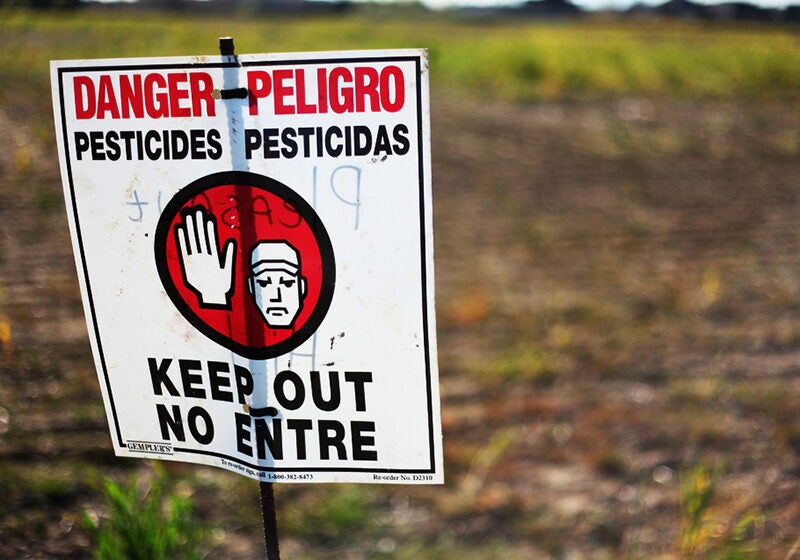


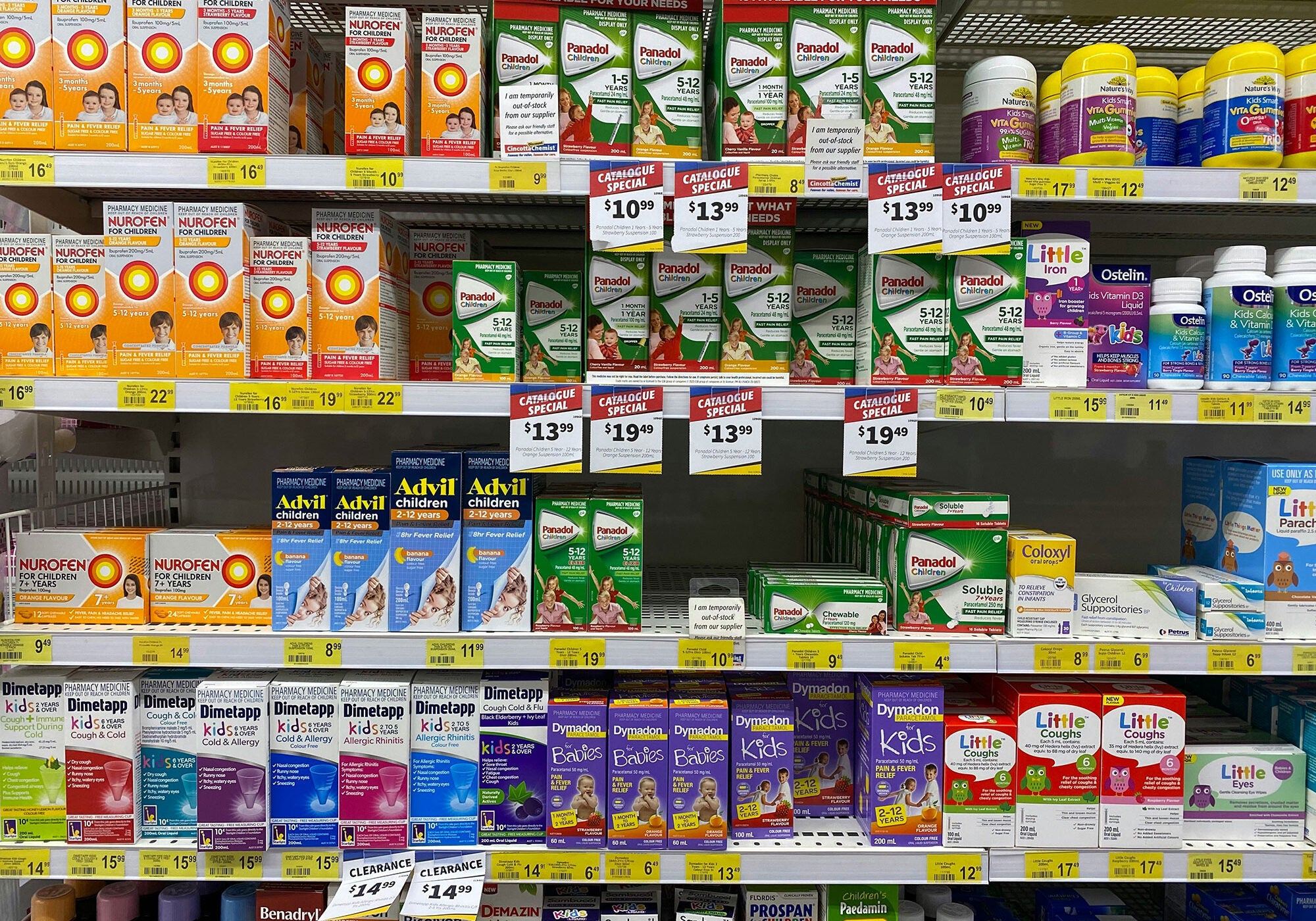
Clockwise from top left: Austin Valley / CC BY 2.0; Jacinto Diego / Unsplash; Franki Chamaki / Unsplash; iordani / Shutterstock
Among the chemical uses that the Toxic Substances Control Act does not regulate are chemicals in pesticides, food, cosmetics, drugs, and more.
From top: Austin Valley / CC BY 2.0; Jacinto Diego / Unsplash; iordani / Shutterstock
Among the chemical uses that the Toxic Substances Control Act does not regulate are chemicals in pesticides, food, cosmetics, drugs, and more.
How can I be involved in this process — and what can I do today?
- EPA publishes draft risk evaluation or risk management rules to regulations.gov.
- A public comment period opens for ~60 days. You can submit data, suggest changes, point out flaws, or offer support.
- EPA finalizes and publishes final risk evaluation or risk management rule.
Earthjustice’s Toxic Exposure & Health Program uses the power of the law to ensure that all people have safe workplaces, neighborhoods, and schools; have access to safe drinking water and food; live in homes that are free of hazardous chemicals; and have access to safe products.