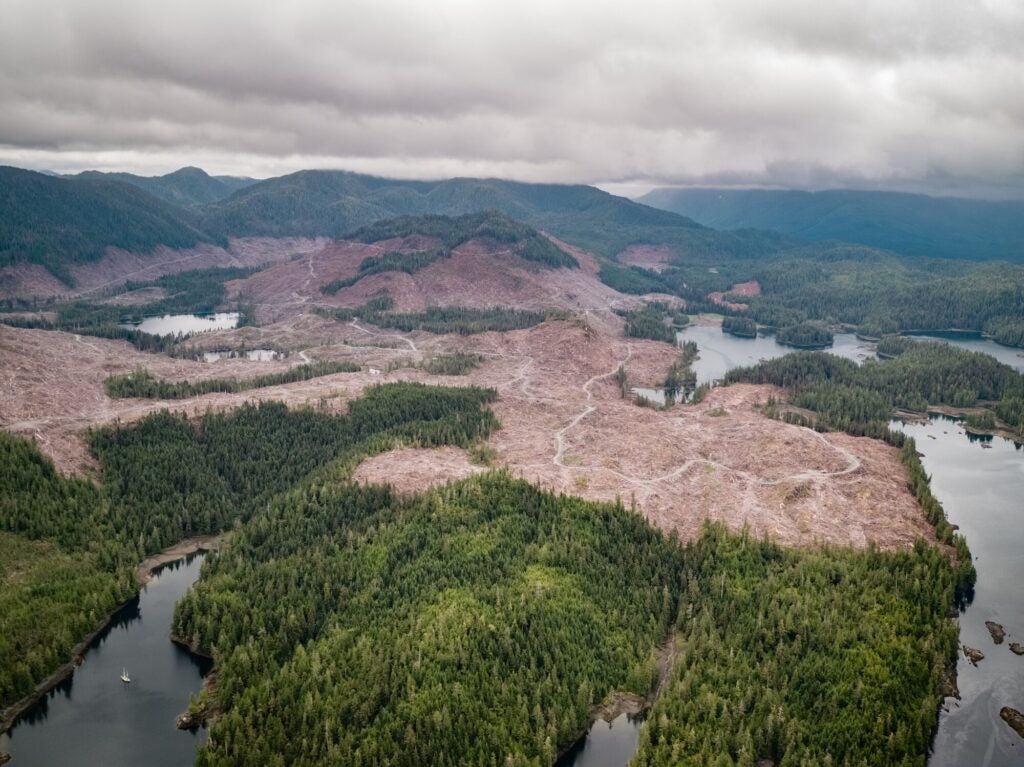
The U.S. Forest Service releases a final environmental impact statement moving forward with the largest old-growth logging project on the Tongass in years
Allowing logging and roadbuilding on now protected lands in the Tongass National Forest is a deeply unpopular action that poses grave harm to the forest
The Trump administration’s agenda to repeal Roadless Rule protections on the Tongass doesn’t square with a popular vision of sustainable local economies dependent on intact forest ecosystems
The National Roadless Rule was rolled back for America’s last great rainforest by the Trump administration, threatening millions of acres of undeveloped national forest lands
U.S. Forest Service officials are traveling throughout Southeast Alaska to hear from residents about how they want our nation’s largest forest managed in coming decades.
The National Roadless Rule, now reinstated on the Tongass National Forest, safeguards vast tracts of old-growth forest that serve as important carbon sinks.
A coalition of conservation groups, Alaska tribes, a commercial fishing advocacy group and an ecotourism operator request to intervene in a timber industry legal challenge that seeks to revive industrial old-growth logging in the Tongass National Forest.
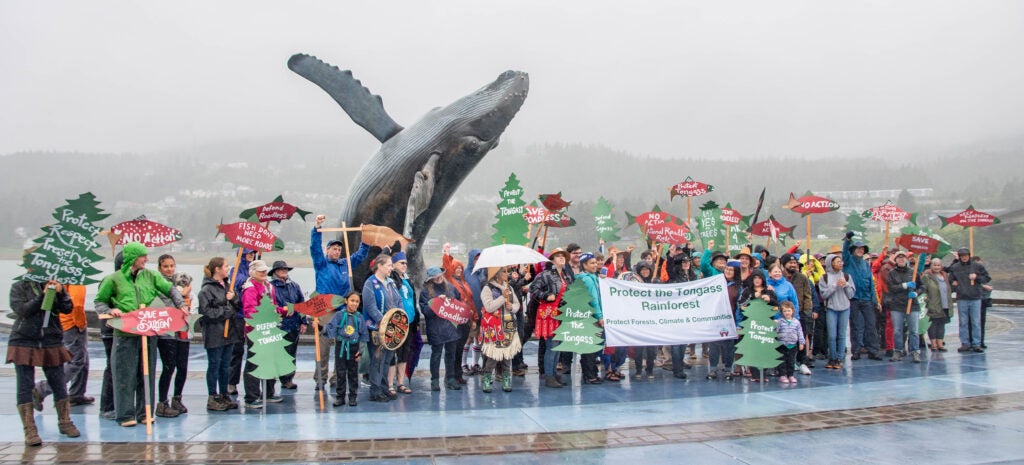
Local leaders, Alaska Native people, and community members gathered to double down on support for the existing Roadless Rule in the Tongass National Forest
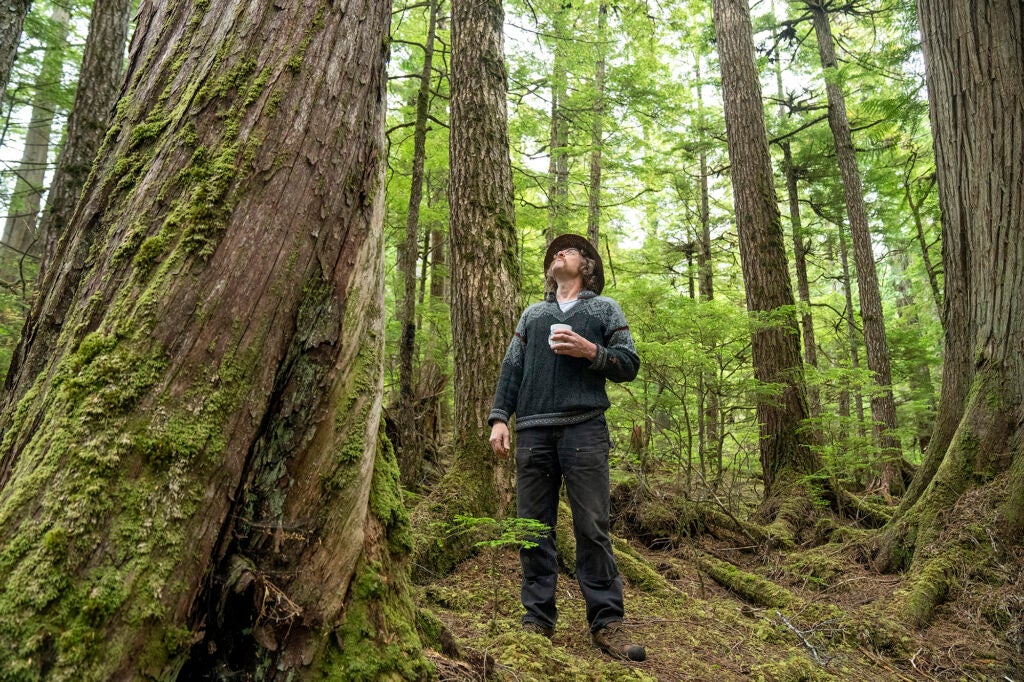
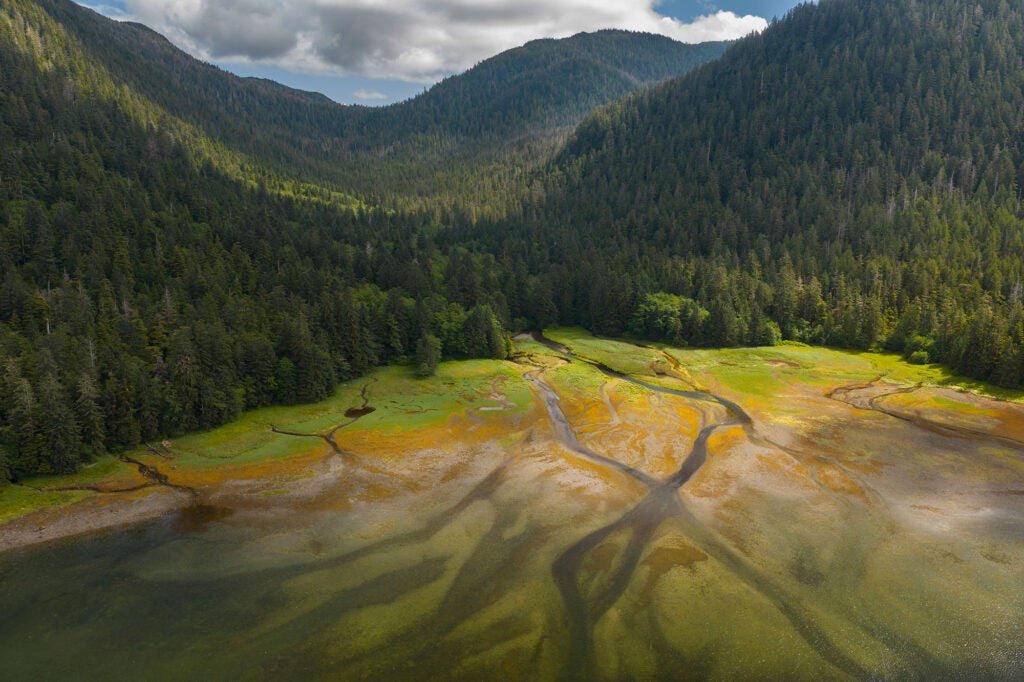
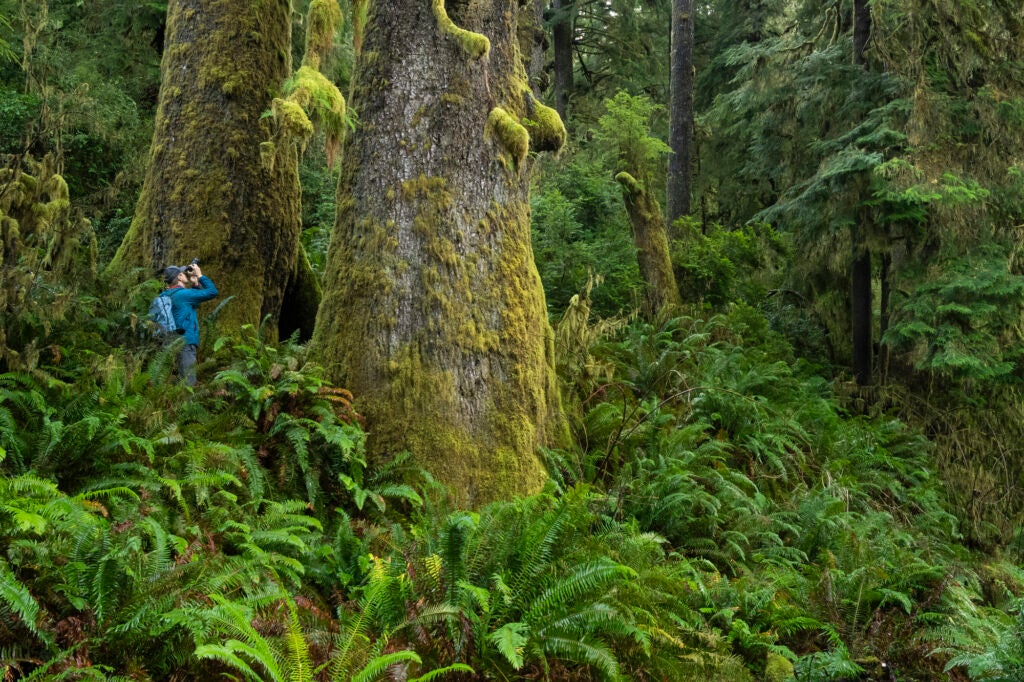
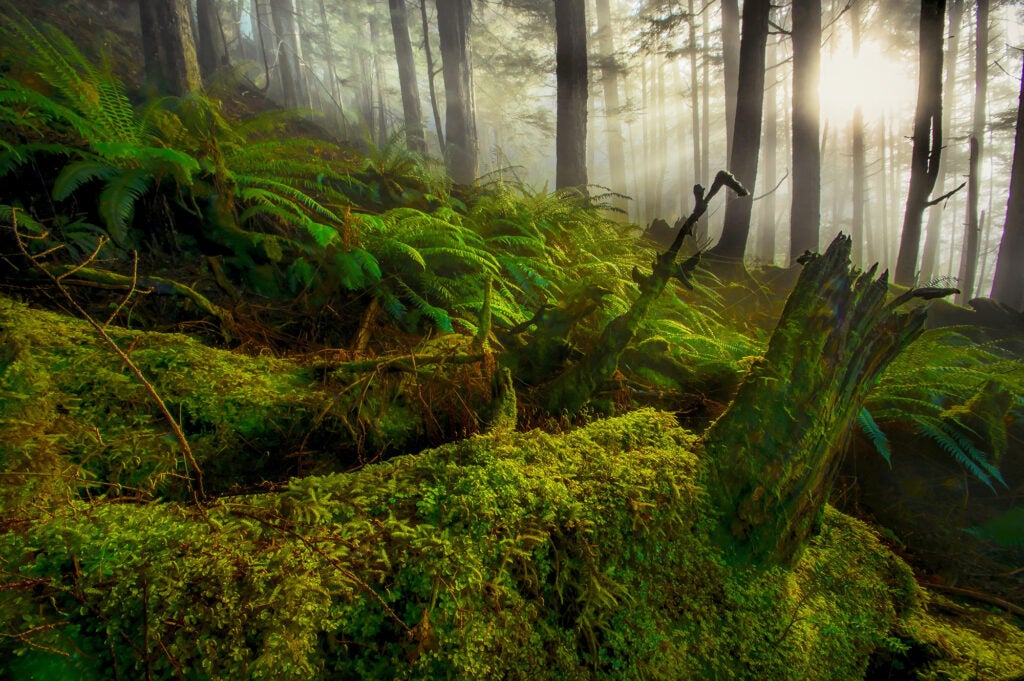
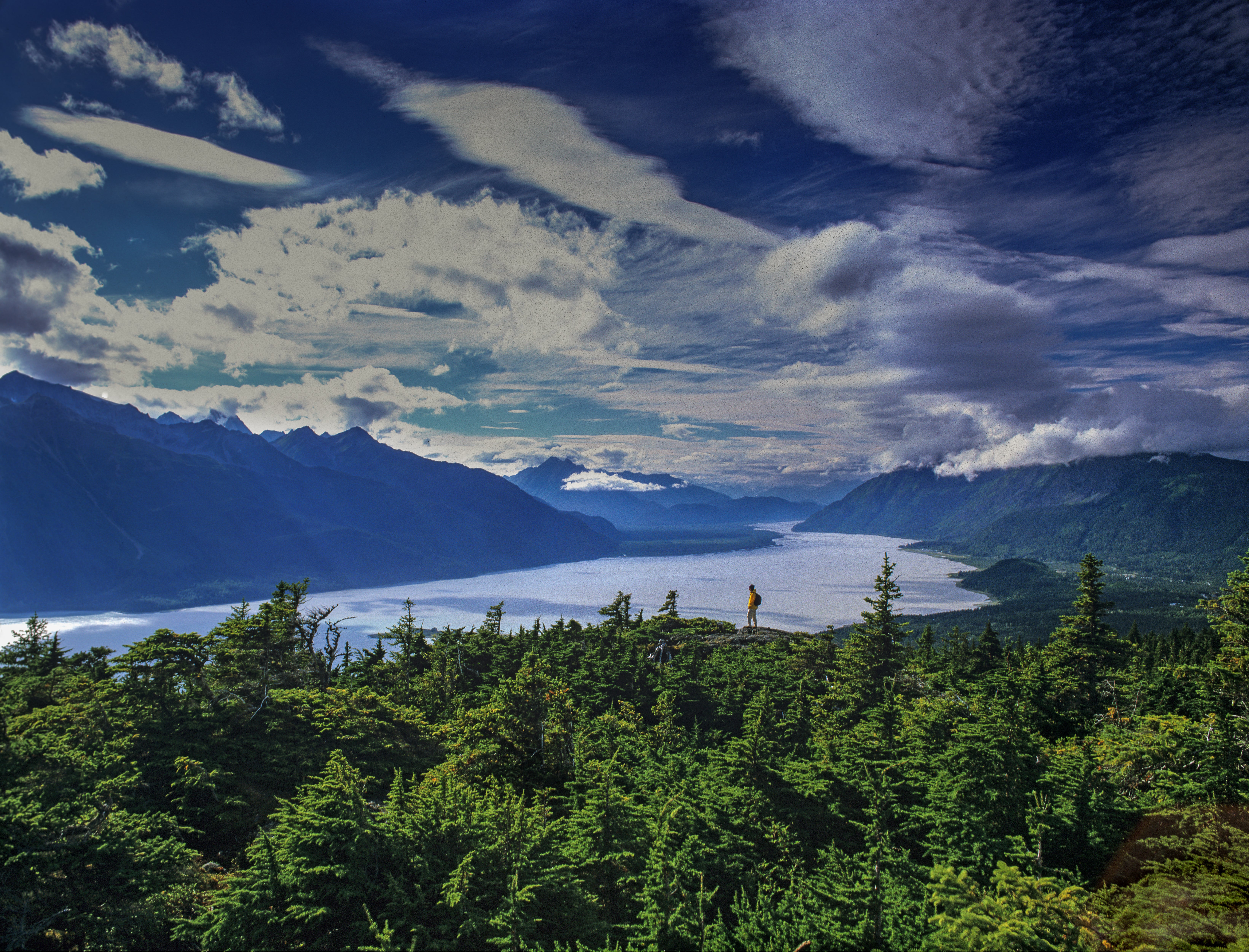
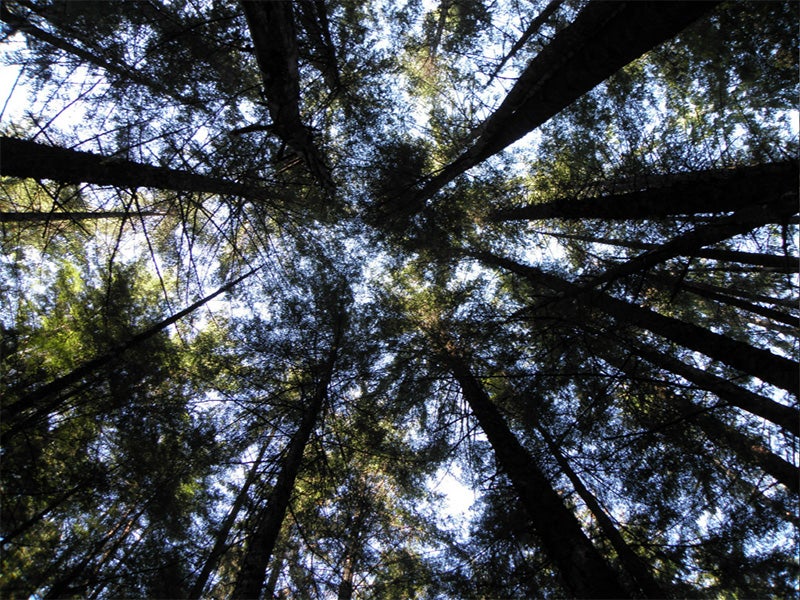
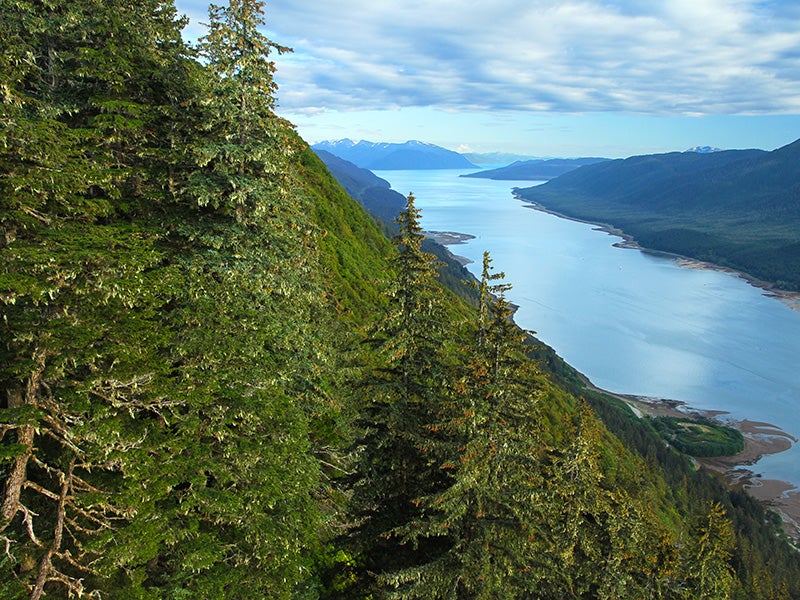

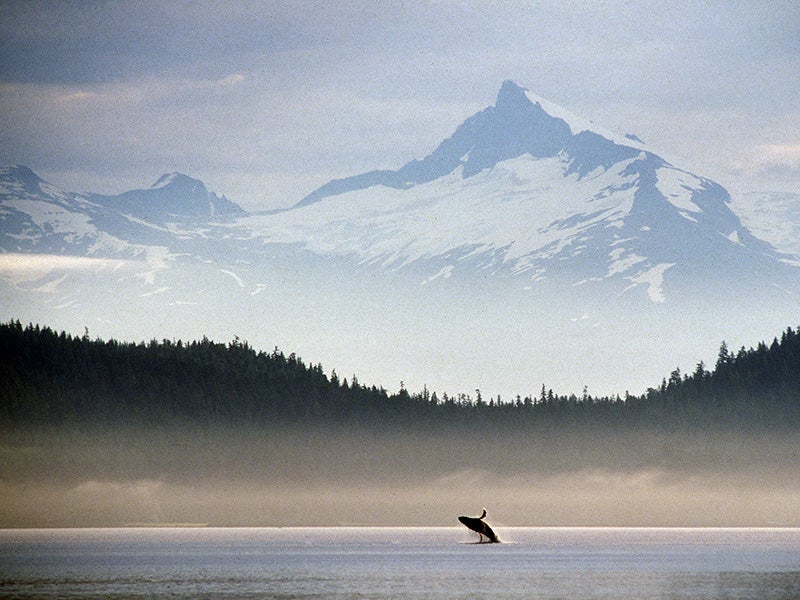
Situated in the southeast corner of Alaska, the Tongass National Forest is a temperate rainforest and the ancestral homeland of the Tlingit, Haida, and Tsimshian peoples. The islands, fjords, glaciers, and muskegs that make up the Tongass — nation’s largest national forest — provide some of the most rare and intact ecosystems in the world,…