

Trump Administration’s EPA Dumps Wastewater Treatment Standards for Coal-fired Power Plants
EPA issues rule to allow ongoing release of toxic chemicals into sources of drinking water for more than 30 million Americans
Contacts
Kathryn McGrath, kmcgrath@earthjustice.org
Valerie Holford, valerieholford@starpower.net
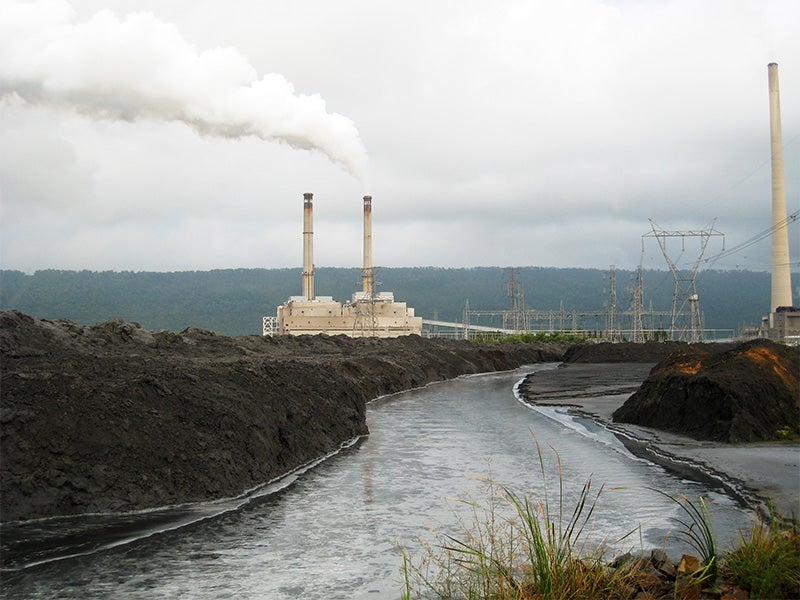
The Environmental Protection Agency (EPA) issued a rule to delay by five years the deadlines for more stringent wastewater treatment standards for coal-fired power plants. The updated standards would have reduced the amount of toxic wastewater containing arsenic, mercury, bromide, and other pollutants that coal plants are allowed to dump directly into U.S. waterways.
“Rather than protect our drinking water, Trump’s EPA is again offering coal power plants permission to pollute,” said Thom Cmar, Deputy Managing Attorney for the Midwest Regional Office of Earthjustice. “Coal power plants should have been forced to stop this toxic dumping into our waterways decades ago. Municipal drinking water utilities begged EPA to require coal-fired power plants to keep these toxic pollutants out of waterways that are the source of local drinking water. EPA’s move to delay power plants’ installation of modern technology is an unjustifiable handout to the coal power industry at the expense of our health. We will see them in court.”
Coal-fired power plants are one of the largest sources of toxic pollutants that end up in rivers, lakes, and other bodies of water. By its own estimate, EPA’s delay of the updated standards, known as Effluent Limitation Guidelines or ELGs, will mean 660 million pounds of pollutants will be discharged into U.S. waterways every year.
Affordable technologies are available to completely eliminate toxic pollution from coal plants’ wastewater.
Last year, the EPA updated the guidelines to require substantial reductions in the amount of arsenic, mercury, bromide, and other pollutants that power plants are permitted to dump into U.S. waterways. During drinking water treatment, the presence of bromide creates carcinogenic byproducts in drinking water. Some drinking water utilities have been forced to install expensive new treatment systems to remove toxic contaminants from upstream coal-fired power plants.
The benefits of requiring power plants to meet the new wastewater zero-discharge standards were estimated to be at least three to six times greater than the costs to industry, including reduced incidences of cancer and cardiovascular disease, reduced lead exposures in children, and reduced drinking water treatment costs.
Additional Resources
About Earthjustice
Earthjustice is the premier nonprofit environmental law organization. We wield the power of law and the strength of partnership to protect people's health, to preserve magnificent places and wildlife, to advance clean energy, and to combat climate change. We are here because the earth needs a good lawyer.