

Environmental Justice Advocates Urge NYC to Adopt Mayor Mamdani’s First Climate and Environmental Justice Regulation
WISER will clean up warehouse and diesel pollution to give NYC clean air and safer streets; Air pollution from operations disproportionally impacts communities of color who experience high exposure to diesel truck pollution
Contacts
Mina Khan, mina@nyc-eja.org
Nydia Gutierrez, ngutierrez@earthjustice.org
This Tuesday, the NYC Department of Environmental Protection (DEP) officially launched the rulemaking process for Mayor Zohran Mamdani administration’s first climate and environmental justice regulation, Warehouse Indirect Source Emissions Reduction (WISER) program. Environmental justice and community advocates urge New York City to swiftly adopt a strong WISER rule, a major public health and environmental justice policy that holds large warehouse operators accountable for pollution, traffic, and health impacts from mega-warehouse delivery facilities.
Diesel pollution from warehouse-related truck traffic is linked to asthma, heart disease, cognitive impairment, and premature death. Research by the Environmental Defense Fund estimates that diesel pollution contributes to more than 10,000 new childhood asthma cases in New York City each year. These impacts fall disproportionately on environmental justice communities, which contain a majority of warehouse facilities despite representing a small share of the state’s geography.
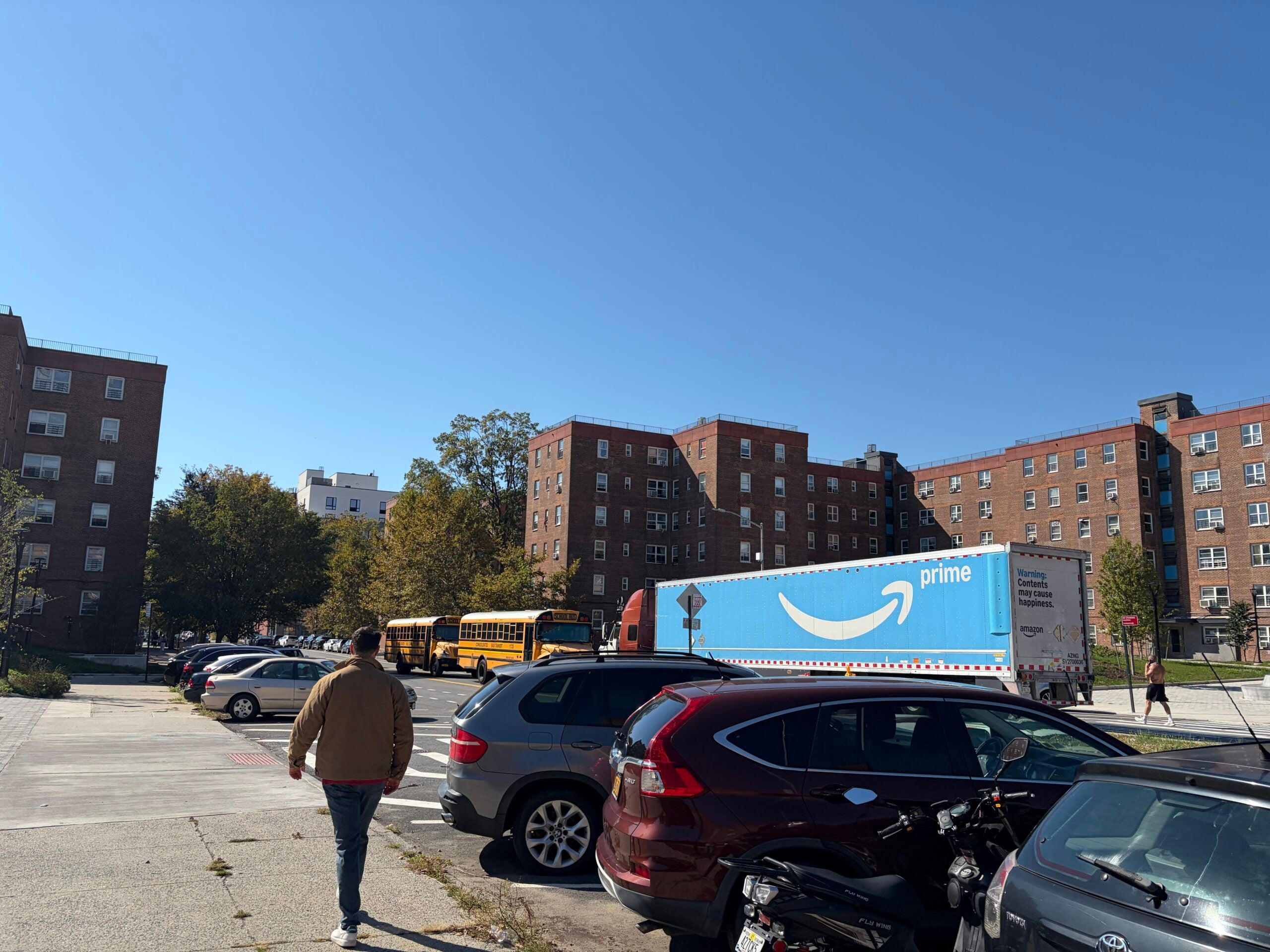
Recent analysis highlights the growing harms of e-commerce delivery operations on New York City’s streets and neighborhoods. In just four years, Amazon delivery vehicles were ticketed thousands of times for blocking bus lanes, speeding in school zones, and obstructing bike lanes and crosswalks. In neighborhoods where last-mile facilities have opened, truck-related crashes have increased by 146%. At the same time, 90% of New York City’s goods movement relies on trucks, far exceeding the national average.
During Tuesday’s NYC Department of Environmental Protection (DEP) public meeting on the WISER draft Scope of Work, advocates emphasized that the City must act swiftly to drive a robust program and ensure the final rule delivers meaningful pollution reductions.
The rule is built on a model of proven success. Southern California air regulators adopted a similar rule and warehouses have complied while continuing to grow. The southern California warehouse rule has brought significant benefits for communities over-burdened by air pollution, reducing harmful NOx pollution by around 1.5 tons per day. The rule raised over $60 million in revenue to improve community air quality, despite mitigation fees only accounting for 5% of total compliance.
The following statement is attributed to the Last-Mile Coalition:
“We welcome the launch of the Warehouse Indirect Source Emissions Reduction (WISER) program, the first climate and environmental justice regulation by the Mamdani administration. We urge New York City leadership to move quickly to adopt a strong final rule. Communities living near last-mile warehouses have borne the brunt of diesel truck pollution for far too long. DEP must ensure the rule drives real emissions reductions and limits combustion-based vehicles for clean air and safe New York City streets.”
The Last-Mile Coalition is a citywide coalition of environmental justice and public health advocates, launched its campaign to regulate last-mile trucking facilities in New York City.
Additional Resources
About Earthjustice
Earthjustice is the premier nonprofit environmental law organization. We wield the power of law and the strength of partnership to protect people's health, to preserve magnificent places and wildlife, to advance clean energy, and to combat climate change. We are here because the earth needs a good lawyer.