Policymakers are Playing Catch-Up with the AI Data Centers Race
Lacking strong, consistent, and enforceable guardrails, the explosive expansion of AI data centers is putting communities at risk.
Data centers have existed in some form since the 1950s, but their explosive expansion — and subsequent strain on communities — is a recent problem. Supercharged by the rise in artificial intelligence (AI) and lacking strong, consistent, and enforceable guardrails or transparency, this problem will only get worse.
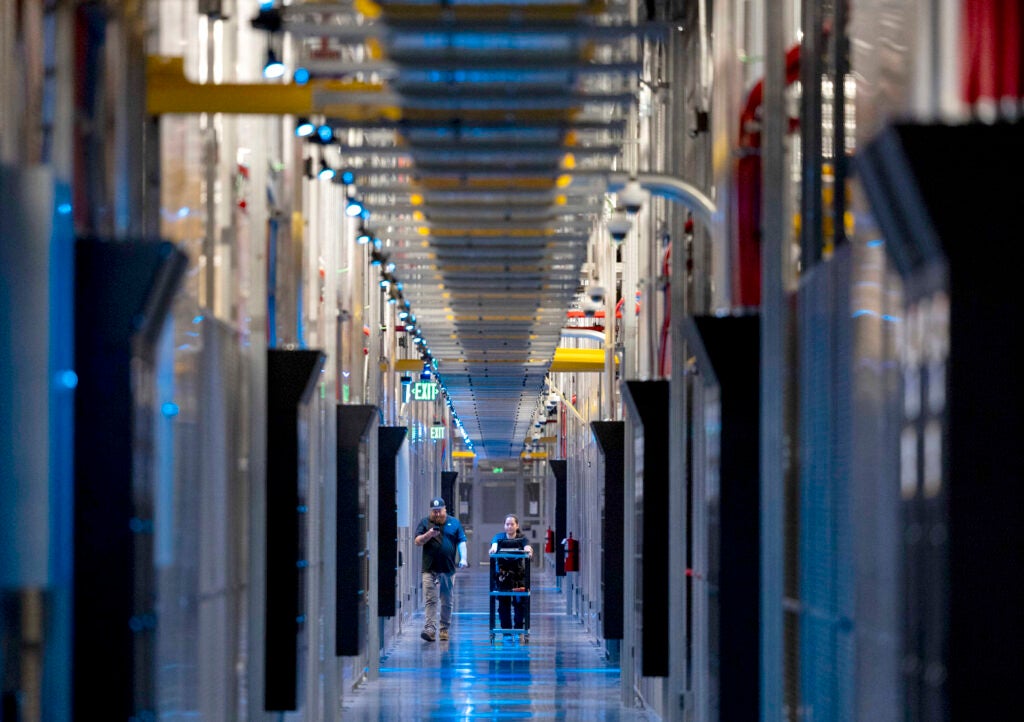
A data center in Ashburn, Virginia. AI data centers being proposed today can consume as much power as a mid-sized city. (Amanda Andrade-Rhoades for The Washington Post via Getty Images)
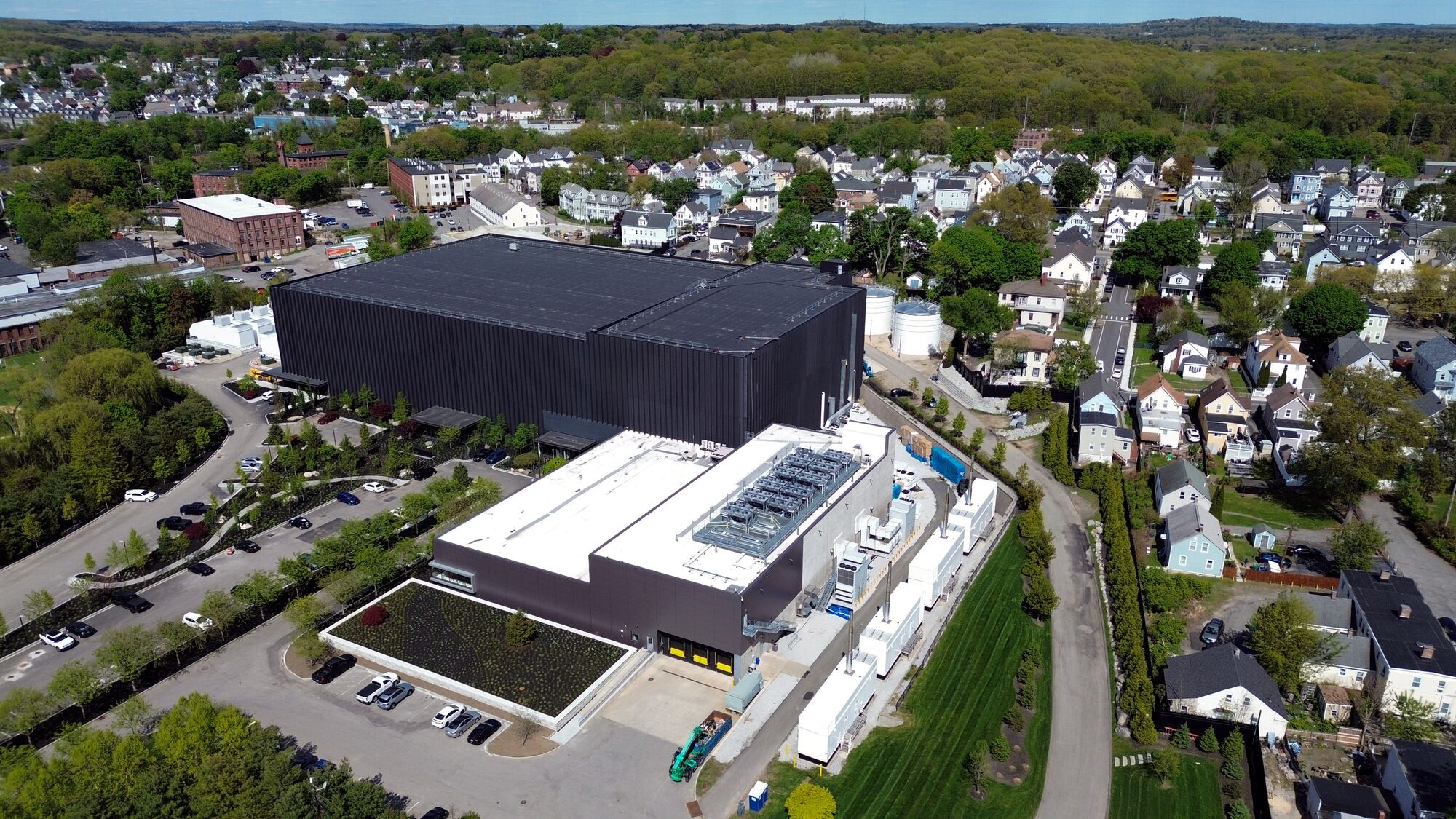
As recently as 2016, most data centers were rooms of servers in multi-purpose commercial buildings, with the average data center taking up roughly 2,000 square feet — roughly the size of the median single-family home in the United States. By contrast, AI data centers being proposed today are millions of square feet and can consume as much power as a mid-sized city.
For example, Meta’s proposed Hyperion campus in Louisiana is planned to be a whopping 4 million square feet and require 5,000 megawatts of electricity. The estimated electricity use for domestic data centers more than doubled between 2017 and 2023, growing from 1.2% to 4.4% of total U.S. energy consumption.
Most of that demand is being met with fossil fuels, driving a massive buildout of gas infrastructure. The U.S. now leads the world in the amount of new methane gas power plant capacity in development, surpassing China. The speed and scale with which tech companies are racing to build AI data centers — in some cases using unconventional power generation technology, like diesel generators strapped to trucks, jet engines, or cruise ship turbines that lack adequate pollution controls — puts an enormous strain on local resources and the communities that depend on them.
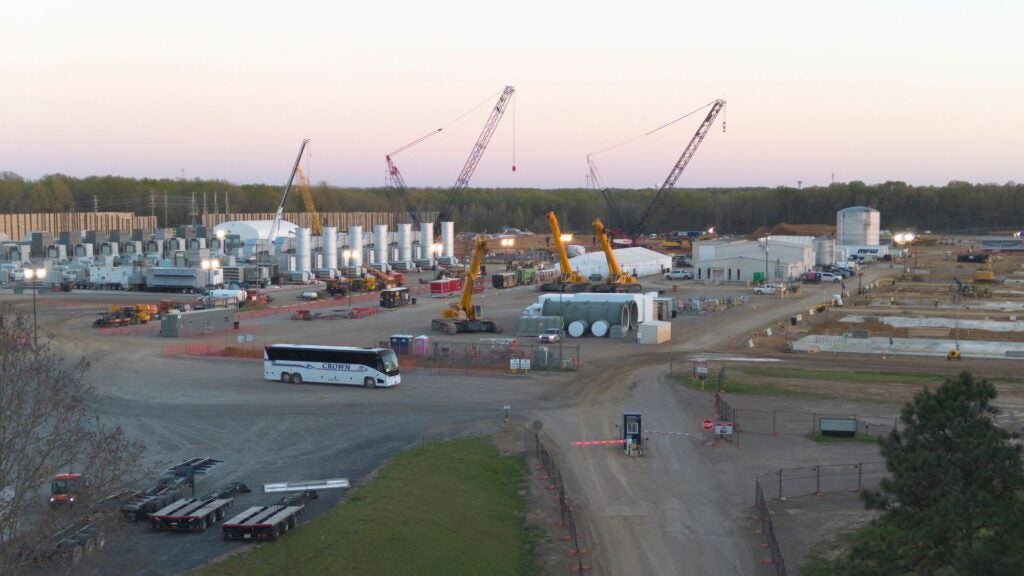
Gas-powered turbines, with more being built, operate in Southaven, Mississippi, to power a large xAI data center just to the north in Memphis, Tennessee. The huge gas turbines occupy a sprawling 114 acres — the equivalent of nearly 87 football fields. (Brad Zweerink / Earthjustice)
Moreover, too many AI data centers operate with little to no transparency, obscuring crucial information about their energy use, emissions, and impacts on water infrastructure from the public, leaving those most impacted without information about what is going on in their own backyards.
Across the country, communities are pushing back; stalling or shutting down proposed AI data centers and advocating for proactive policies to protect people from the impacts of this rapid buildout. According to a recent Gallup poll, seven in 10 Americans would oppose an AI data center being built in their community, with almost no difference across party lines. AI data centers are considered a key issue heading into the midterm elections, particularly their impact on energy affordability.
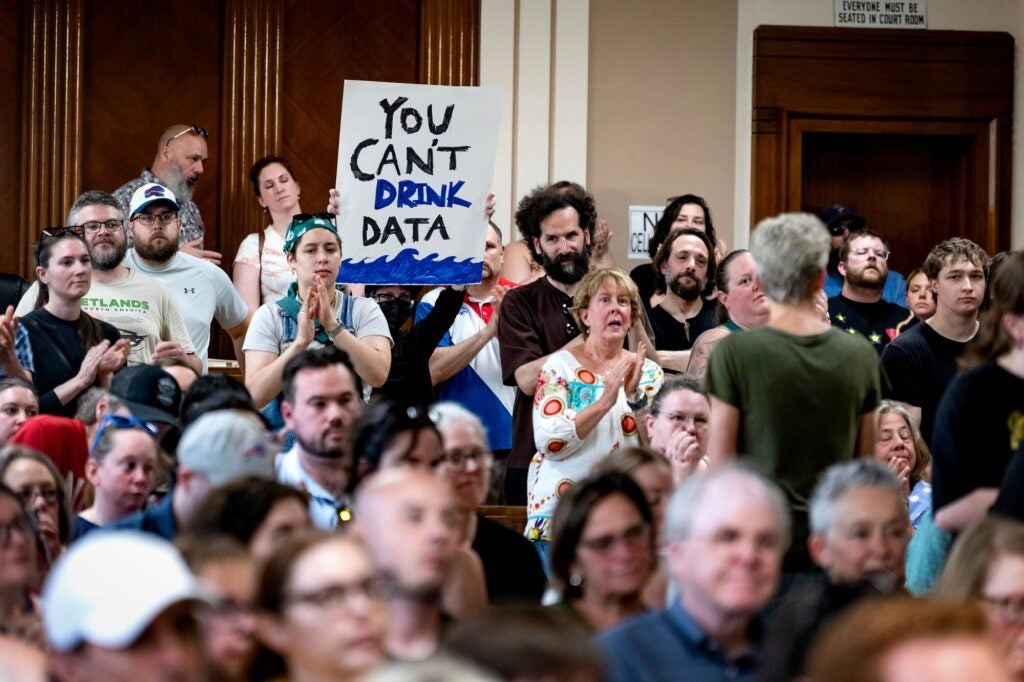
Hundreds attend a Town of Tonawanda Planning Board meeting in Kenmore, N.Y., on June 3, 2026, as they expressed vocal and at times boisterous opposition about a proposed data center on the site of the now-closed Tonawanda Coke facility. (Craig Ruttle / Sipa via AP)
At the state and federal level, Earthjustice policy advocates are partnering with frontline communities to protect people and our environment from the harmful impacts of reckless AI data center development. At the federal level, over 30 bills have been introduced that relate to AI data centers, and new bills are introduced and debated in congressional hearings almost every week. These efforts span a broad spectrum, from outright bans on new data center construction to preempting any environmental regulation that could slow down AI development.
In future posts, I’ll continue to unpack some of the key issues and what we’re seeing from Congress in response — both the good and the bad.
Learn more about what Earthjustice attorneys and policy advocates are doing to protect communities from the impacts of reckless AI data center development:
Established in 1989, Earthjustice's Policy & Legislation team works with champions in Congress to craft legislation that supports and extends our legal gains.
Siham Zniber
Associate Director, Policy & Legislation, Earthjustice
szniber@earthjustice.org