
2026 Justice Partners Series
Earthjustice Town Hall
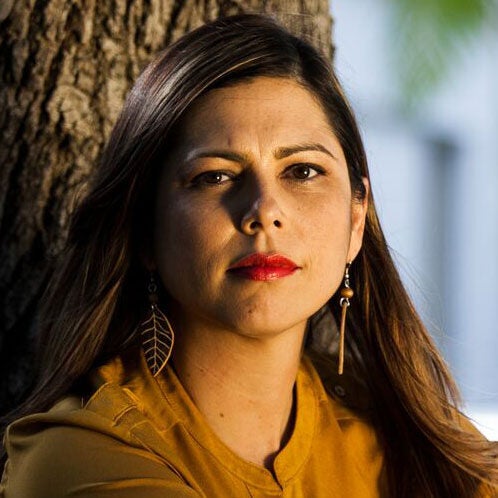
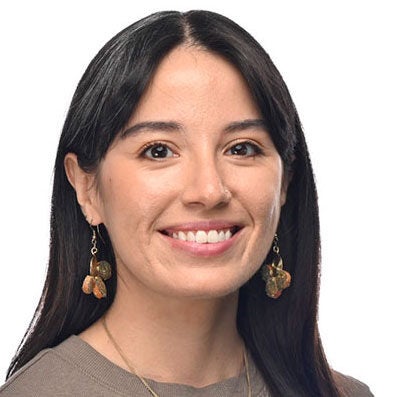
Featuring Erik Grafe, Hannah Payne Foster, and Ian Dooley, attorneys from Earthjustice’s Alaska office
The closed captions are auto-generated. We apologize for any transcription errors.
This text is edited and condensed from an automated transcription of the recording. It may not be in its final form and may be updated or revised in the future.
Monika von Hillebrandt: Hello, and welcome! Thank you for joining our Justice Partners Town Hall. Today, we're turning our attention to Alaska's Arctic. We'll share how Earthjustice is working to defend this remarkable region, and what's at stake for the people, wildlife, and wild places that depend on it.
I'm Monika von Hillebrandt, a philanthropy officer here at Earthjustice, and I'm grateful to be with you today, and to have the chance to connect with so many of the supporters who helped move this work forward.
Many of you are Justice Partners, donors who give $1,000 or more to sustain Earthjustice's work. We're tremendously thankful for that commitment, and for the way it strengthens our ability to stand with communities and partners on the front lines.
To our Justice Partners, and to everyone joining us today, welcome again, and thank you. I invite you all to share your name and where you are joining from in the chat. The chat button is located at the bottom of your screen and will be available throughout the event.
Please, please, please use it. We want to hear your thoughts, comments, and reactions, and if you have a question, please submit it at any time using the Q&A button, which is also located at the bottom of your screen. Submitting questions using the separate Q&A button will help us better organize your questions.
We will address questions posted in the Q&A during the last part of our presentation. We welcome your curiosity, and we will try to answer as many of your questions as possible. So next, it is my pleasure to introduce our speakers.
Erik Grafe is the Managing Attorney of Earthjustice's Alaska office.
Erik has been with the Earthjustice Alaska office since 2007, first in Juneau, and then in Anchorage. His work has focused largely on protecting the Arctic's federal lands and waters from oil development.
And prior to joining Earthjustice, he clerked for a federal judge in Anchorage, advocated for low-income New Yorkers, and worked for a U.S. law firm in Russia.
Outside of work, he likes to spend time outside, trying to keep up with his two kids, Max and Matilda.
Hannah Payne Foster is a Senior Associate Attorney in the Alaska office, based in Anchorage. She joined Earth Justice in 2022, and has worked on a variety of issues, including air quality, mining, utility regulation, and both off- and onshore oil and gas.
She received her JD from the University of Minnesota, and a BS from the University of Arizona.
Ian Dooley is a Senior Attorney based out of the Anchorage office. His work focuses primarily on oil and gas development in the Arctic region of Alaska.
Before joining Earthjustice, he worked as a public defender in Bronx, New York, and before that, as an Alaska smokejumper for the U.S. Bureau of Land Management.
Okay, and with that, let's get this program started. Erik, Hannah, and Ian, I welcome you to start your presentation.
Erik Grafe: Thank you, Monika.
My name is Erik, and thank you all again for your interest in our work. We really appreciate the opportunity to share it with you.
I'm gonna provide a brief overview of our office and get us situated, in our Arctic work before handing it off to Hannah and Ian to provide more detailed updates about our work, in the Arctic Refuge and in the Western Arctic.
Next slide, please.
So, the Alaska office… oop.
If you can advance the slide, that'd be awesome. We could see some pictures of… oh, there you go. The Alaska office officially opened in 1978 in Juneau, and later expanded to Anchorage.
And we now have 15 people across both of these offices working, entirely on Alaska issues. So our work has historically, and still does, focus on, a few, really important areas. One is protecting the Tongass National Forest from old-growth logging and roads. Another is protecting Alaska's waters, fish, and communities from destructive hard rock and coal mines.
And another area of focus is protecting the North Pacific ecosystem from factory fishing and other threats. And of course, what we're here to talk about today, which is protecting the Arctic's land and waters from oil drilling.
Now, all of our work is a team effort, both within Earthjustice and, of course, also with our partners and our clients, which include community groups.
Alaska Native tribes and tribal entities, fishermen and tourism groups, and environmental groups, both national and local.
And our litigation efforts are always embedded within a broader strategy for achieving lasting change, which includes communicating the values for which we're fighting, and engaging with the public and decision makers and congresspeople.
Next slide, please.
So, today, we're gonna focus on our work protecting the Arctic's terrestrial ecosystems. And this map will kind of get us situated. As you can see, in the Arctic, almost all existing oil and gas development has been on state and private lands in the middle of this map, centered around Prudhoe Bay.
Which has been, pumping oil through the Trans-Alaska pipeline that you see heading south in the middle of the map, since the 70s, and has produced over 10 billion barrels of oil.
And there's always been pressure, to expand this development out to the federal lands and waters that surround it.
So that is, to the north, the Arctic Ocean, the Chukchi and the Beaufort Seas. And to the west, the Western Arctic, which is, in aptly named the National Petroleum Reserve-Alaska, and then to the east, it's the Arctic National Wildlife Refuge.
And our work has focused on stopping this, expansion, and this has meant challenging each stage of the federal oil development, process, which is, first, zoning areas with land management plans as open and closed to oil drilling.
Second, holding lease sales and issuing leases to oil companies that bid on them, which is a really consequential step because it transfers rights out of public hands into private hands of the oil companies.
And then once oil companies have leases, they can submit exploration and development plans, which is when they actually drill and produce oil. So we have fought, each… at each of these levels, to try to, keep oil development out of these federal lands and waters.
And we've done this not just to protect these areas because they're, so amazing and important and valuable, but also because expanded oil development in the Arctic is completely anathema to the urgent need for us to move away from fossil fuels to address the climate crisis.
And over the years, we've had great success. With the exception of the northeastern edge of the Western Arctic, these lands and waters remain wild and free of industrialization.
Now, I'm gonna play you, about a 3-minute video that was taken just last summer by, Florian Schulz, who's a wildlife photographer and an advocate for the Arctic, with whom we've worked for decades.
It'll give you a sense of what we're fighting to protect, and also a sense of the threats. So if you could start the video, that would be terrific, and I'll narrate over this video.
So the video, it focuses on the Western Arctic, which is, as I said, a place some call the Petroleum Reserve, but as you'll see, it's really anything but.
Each summer, this area experiences one of the planet's, like, most transformative bursts of life. The sun returns, snow melts, and caribou and migratory birds from across the planet return to their birthplace to eat, breed, and raise their young. And these are just some images here of the Teshekpuk Lake area, which is a globally significant area of lakes and wetlands, which is also where people think the oil is.
So the next few images are, even more rare than these ones, because they will show you, what we're up against, and the threat that we're facing. These are images taken, last summer, again, of the Willow Oil Development, which is a massive oil development, that's, being built now that is meant to start producing oil in 2029.
And you can see how it sprawls across the landscape, industrializing it with roads going off to the horizon, and pipelines with truck traffic, and infrastructure. And all of this is taking place just south of that Teshekpuk Lake area that we were looking at before.
And these next images are a real metaphor for how the oil companies see, the landscape there, which is just building roads as far as they can get, crossing rivers, and then coming back the next year, and continuing to expand that infrastructure as far as the government will let them.
Now, the next couple minutes are more, of the rest of the Western Arctic, which, as I said, is a huge area, about the size of Indiana.
And it, is really largely free of industrialization and home to an amazing array of wildlife. It's also a place that's important to indigenous communities that live in the area and have lived there for millennia and engage in traditional hunting.
And gathering on these lands, and it's an area that, quite apart from, the threat of oil, is undergoing, big transformation due to climate change, which happens in the Arctic at about 3 to 5 times the rate of the rest of the world.
But, as you can see, it's just an expansive, wild place, filled with life in the summer. It encompasses the Teshekpuk Lake area that we were talking about, but also highlands like these that are further, inland, and again, home to thriving herds of caribou that migrate throughout the landscape every year, unobstructed by, any industrialization.
So let's go back to the slideshow.
And, I can keep talking while you put it up. So, you can see there's a lot to fight for in the Arctic, but we're really up against it.
Under the current administration, we face challenges really like we've never faced before, from all three branches of the government. So the administration is all in on resource extraction in Alaska and in the Arctic in particular.
Congress has passed laws as part of its budget reconciliation process that narrow our options to challenge administrative decisions, and the Supreme Court has issued several decisions weakening bedrock environmental laws.
But… We have faced… seemingly insurmountable odds before, and won. And I'll give you just a small capsule of that.
So, in the late 2000s, the Arctic Ocean was in the crosshairs. It was… it was going to be the next Gulf of Mexico.
So this was a time, hard to remember, but when people thought we had reached peak oil, that was before the fracking, revolution, so the Arctic was where the oil was, and oil companies were coming. They paid over $2 billion to obtain, over a million of acres of leases in the Chukchi and the Beaufort Sea and the George W. Bush administration, and even later the Obama administration, they were all about drilling and all of the above energy policies, and they were granting permits and leases left and right.
We stared this down, stared down the odds, and we started filing lawsuits, and we won a few victories. And next slide, please. People started to pay more attention, in a big way.
And the politics started to change. So this slide shows you some of the activism, that, our lawsuit spurred, and we and our partners, helped engage in, which was, these are kayakactivists, which is a new term that was coined just for them, and they were protesters that took to Elliott Bay in, Seattle to, blockade, Shell’s drilling rig, which was heading up to the Arctic.
So, agencies began to pay attention, the public paid attention, put pressure on, their lawmakers and leaders, and, oil companies began to relinquish their leases. So, by 2016, at the end of the Obama term there were no more leases in the Arctic Ocean, and President Obama issued a decision that permanently withdrew the entire… almost the entire Arctic Ocean from future oil leasing.
And so we went from suing a government intent on drilling in the ocean to where we are today, which is defending its decisions to protect the place permanently.
Now, of course, this is the Trump administration's second try at all of this, and they've learned a few things, so we're not gonna win all our cases. But even, if we can't fully succeed in court.
Our lawsuits and the advocacy we build around them can shed light on an issue and generate awareness and support.
Ian, in his presentation, will describe some examples of where we've succeeded in doing this, like in the Willow project, even when we haven't ultimately succeeded in, our litigation aims. So, without further ado, let me send it to Hannah to tell you about the Arctic Refuge.
Thank you.
Hannah Foster: All right, thanks so much, Erik. Hi everyone, my name is Hannah Foster, and I have both the honor of working to protect the Arctic National Wildlife Refuge and being here today to speak to you about it. Next slide, please.
So, to reorient ourselves a little bit, here again is that map of northern Alaska, and Erik was just talking more about the western side. I'm going to bring us back to the eastern side, to the Arctic National Wildlife Refuge. That's on the eastern or right-hand side of the map.
And in particular, we're going to focus in on the area in the oval that's known as the coastal plain of the refuge, and that's where these lease sales are happening. So, next slide, please.
So, just some background on the refuge generally. It is a… our nation's largest wildlife refuge. The entire refuge itself is about the size of South Carolina, and the coastal plain area that we're talking about today is about the size of Delaware. So we're talking about states within states, as far as area goes here.
The coastal plain is this really incredible landscape. It's tundra, braided rivers, foothills, wetlands, just a really incredible area, and it also provides essential habitat for many species, including the primary calving grounds of the porcupine caribou herd, and critical denning habitat for threatened polar bears.
It's also an area that's vital to customary and traditional Indigenous practices, and it's one of the most incredible recreational areas in the world.
And so now, Susannah, I think, who's in charge of the slides, I'm gonna ask you to just kind of slowly scroll through the next 5 or 6 slides until you get to the second polar bear. And these are just pictures to give you kind of an idea of how incredible the refuge really is. You'll see a polar bear on the tundra, mountains, braided rivers, caribou, wide open plains. It's sometimes hard to communicate, you know, the magnificence of these places, but these pictures do, I think, a pretty good job of capturing pieces of it.
Thank you, here we are.
So, why does this matter? And I think probably all of you have a sense of that already, but to drive a few of these points home, as Erik was talking about, the Arctic is already warming faster than anywhere else on the planet due to fossil fuel extraction and use.
And… That's one thing, but when we start talking about drilling specifically in these places, we're also talking about really direct impacts, like oil spills, for example.
And one of the most immediate of those impacts is called seismic testing. And so when they do seismic testing, they drive these really heavy, really loud trucks in a tight grid across the landscape.
And when they do that, they crush vegetation, and that can cause the permafrost to thaw, and alter the hydrology of the area permanently. And that degrades its value as habitat.
It also scares animals, and most critically for our purposes, it can scare mother polar bears away from their dens, which can mean that they abandon their cubs to die.
And then it also… it can just directly crush… it can drive over dens, which are often hidden, and crush both mother and baby polar bears in that… in that process.
So I think it's worth noting here that in the government's own analysis of the program, they actually admit that they expect oil and gas activity from this program to kill almost 60 polar bear cubs.
They claim that this doesn't matter, and it's not really going to affect the population, but we think that's a pretty incredible claim when these bears are already declining and extremely vulnerable. This subpopulation, for example, it's less than a thousand bears already.
And then, when you add to that the fact that traditionally, polar bears have denned both on sea ice and on land, but
I think as a lot of people are aware, because of climate change, the sea ice is melting, and so they're losing that denning habitat and increasingly being driven onto land to den, so this denning habitat on the land in the refuge is more and more important as that happens.
So, next slide, please.
So these are just some pictures to help demonstrate the long-lasting impacts of that seismic testing. Seismic was done once in the refuge, in the 1980s, and the picture on the left is from around that time.
The picture on the right is actually from 22 years later, so you can see how those scars just persist on the landscape and how it can really permanently alter the hydrology regime and other aspects of the landscape.
Next slide, please.
All right, so now I'm going to tell you a little bit about our work and the history here. So, essentially, oil and gas drilling was banned in the refuge up until the first Trump administration, but proponents of drilling could never fully let it go, and they finally got their chance during Trump's first term.
In 2017, as part of the Tax Act, Congress not only authorized leasing in the coastal plain, they actually mandated leasing, which is a really rare and extreme thing to do. They required the government to hold at least two sales in the refuge.
And so, the agency's got right to work on that.
And we got right to work on challenging it alongside a lot of partners. So we filed a lawsuit.
And while the government still went ahead and held the sale, it was kind of a flop, and that was at least in part due to all the noise that we and our partners made.
No major companies showed up to bid in the sale, and the only entity that ended up holding leases in the end was AIDEA, which is a state corporation whose entire purpose is to push development like this.
So, all of that happened right at the end of the first Trump administration. The sale was actually, I think, held on January 6th, 2021, and…
Biden came into office, and then on his first day, he said, you know, wait, pause everything, we think there are some issues here. And when he did that, they cited claims that were made in our lawsuit. And they eventually went on to cancel the leases that… altogether, and again, they cited issues that we had raised in our lawsuit.
And… So, then we held the line for 4 years. Our case remained stayed and pending, and in the meantime, the Biden administration did go on to hold that second mandated sale, but it was a much smaller sale, there were more restrictions, and not a single company, not even AIDEA, showed up to bid for that sale.
Because they said that the conditions put in place to protect the lands and wildlife were too restrictive.
Next slide, please.
So, then we come to last year, 2025.
Unfortunately, Trump comes back into office, and he immediately renewed his attack on the refuge, again with the help of Congress.
So, in July, Congress passed what they called the One Big Beautiful Bill, which mandated additional lease sales in the refuge. This time, they doubled down and they ordered 4 sales between now and 2032.
So, again, the agencies quickly rushed to adopt another maximalist oil leasing plan, opening up the entire coastal plain, and after a court separately reinstated Ada's canceled leases from 2021, they also reactivated those leases, so AIDEA currently holds 7 leases in the refuge.
But we sued over all of this, too, and the way we did that was by going back and adding claims to our still-pending lawsuit from before.
So, now we have this one huge lawsuit against the 2020 program, the 2025 program, and all the leases, and that is on behalf of Natural Resources Defense Council, Center for Biological Diversity, and Friends of the Earth.
And it's not… it's a big lawsuit with, I think, claims under 8 different laws at this point.
I should also note here that our lawsuit is just part of a bigger campaign that Erik alluded to this earlier. It's part of a bigger campaign to more permanently protect the refuge. So, we partner with the Gwich’in Steering Committee, the Native Village of Venetie, and several other environmental groups. We use communications, lobbying, grassroots outreach, and a corporate campaign to erode the social license of companies that would seek to drill in the refuge.
And ultimately, the goal is to have permanent legislative protections for the Arctic Refuge.
So, next, and I think last slide for me, please.
Yeah, so, like I said, here we are. Just last week, the government scheduled the next lease sale, so the first lease sale under the One Big Beautiful Bill.
They scheduled it to happen June 5th, so it's just 6 weeks away, but with our lawsuit, we are planning and hoping to invalidate both leasing programs, the 2020 program, the 2025 program cancel any leases that came from those programs, and we'd also like to stop winter seismic from happening, for next year. So, we're shooting high, you know, wish us luck. We'll be briefing these claims over the summer.
And I think that's all I've got. Thank you all so much for listening, and, especially thank you for supporting our work.
I'll turn it over to Ian.
Ian Dooley: Thank you, Hannah.
Susannah, if you go to the next slide, please.
All right, yeah, thank you again, Hannah. Thank you, everyone, for being here today, and for giving us an opportunity to talk about our work defending the Arctic from oil and gas activities.
Again, my name is Ian, and I'm an attorney at Earthjustice at the Anchorage office. I'm also an attorney assigned to our Western Arctic litigation team, and that's where most of my work is focused, on defending the Western Arctic from oil and gas activities.
I'm going to take about 10, 12 minutes here to discuss the Western Arctic. I'm going to start by providing a little bit about the background and the values of the Western Arctic, and then I'm going to shift to talking about the threats and how we and our partners are addressing those threats. Next slide, please.
So here's the Western Arctic, which is federally designated, as Erik mentioned, as the National Petroleum Reserve-Alaska, which we just called the Reserve. So when you hear us talking about the Western Arctic or the Reserve, we're talking about this place here.
And the National Petroleum Reserve, the name of this place, is really, as Erik mentioned, a bit of a relic from when the reserve was originally designated in 1923 as a strategic oil reserve for the Navy. But since then, Congress recognized the unique values of the land and transferred management oversight from the U.S. Navy to the Bureau of Land Management, the BLM.
And has required BLM to prevent undue harm and environmental degradation from any oil and gas activities that it permits in this place.
The reserve itself is massive. It's about 23 million acres in size, or as Erik mentioned, roughly the size of Indiana, or Portugal, or Hungary. It is also an ecologically rich landscape that sustains a diversity of wildlife that has supported the food security of Alaska Native peoples for thousands of years.
And the lands here that are targeted by oil and gas industry are recognized as a globally important ecological resource, home to a wealth of different species, including polar bears, musk oxen, caribou, and millions of migratory birds.
And the lakes and the lagoons of the reserve especially create a highly unique and interconnected habitat that is crucial for many species. And you can see here on the map, if you look at the upper right-hand corner, the Teshekpuk Lake region is that big blue lake in the upper right-hand corner, the northeast corner of the reserve.
This place is the nesting grounds and birthplace of millions of migratory birds that migrate to all 50 states and to 5 different continents around the world. This area also provides the core calving area for the Teshekpuk caribou herd, which is one of the two massive herds supported by the reserve that together provide food security for more than 40 Alaska Native communities in northern and western Alaska.
And the last thing I want to say on this slide is that the Teshekpuk Lake area, as we mentioned, is also the place of greatest interest by oil and gas industry. And in fact, if you look on the map, you can see those black lines with the dots and the red lines, that's oil and gas infrastructure. That's the pipeline making its way into the Teshekpuk Lake region right there.
And at the very end of that pipeline is the Willow development, which we're going to talk about next.
If you go to the next slide, please.
So now I'm going to shift gears and discuss recent and expected threats from oil and gas activities.
I see, the map is hard to see. I'll try to slow down a little bit. Now I'm going to shift gears and discuss recent and expected threats from oil and gas activities in the Reserve, and what our office and Earthjustice and our partners are doing to address these threats.
So, first I'm going to talk about the Willow Project, and just to back up and kind of address the last comment.
The Willow Project is the infrastructure… is depicted by the infrastructure that you see in this map on the right.
And that's in the northeast corner of the reserve, and that's where oil and gas development is penetrating into the reserve, and tying back into the trans-Alaska pipeline that Erik had mentioned in the beginning that goes through Alaska from north to south, basically down the center of Alaska, and that allows for oil and gas to come both from the refuge that Hannah just talked about, and from the reserve that we're talking about now, and then meet, kind of make that T.
This is the farthest left side of that T, the farthest westward reach of that T, heading into the Teshekpuk Lake region, which is this remarkable place home to migratory birds and caribou, and is also the furthest westward expansion of the pipeline.
So, coming back to the Willow Project, this project was approved initially in October 2020, in the waning days of the first Trump administration. The project proposed to drill over 200 wells and produce more than 500 million barrels of oil over 30 years, potentially generating more than 250 million metric tons of greenhouse gas emissions.
But alongside our clients and partners, we moved quickly to sue BLM, and we won. We stopped this project. We convinced the court to halt the project and to throw out the unlawfully issued permits, and we sent BLM and ConocoPhillips back to the drawing board.
And we had, we'd survived the first Trump administration's effort to implement this carbon bomb in this unique region.
And then when the Biden administration took over, we'd hoped things would be different, but unfortunately, in 2023, BLM again approved the project.
And we, again, took BLM to court, and again proved that the project was unlawfully permitted in violation of the National Environmental Policy Act.
But this time, the lower court denied our motion to halt the project and allowed the project to move forward while our case was pending. So, even though we had shown the project was unlawfully permitted, the court ultimately declined to throw out the permits and allowed construction, which had been ongoing, to continue.
The upshot of all this is that Willow is currently under construction, and it represents the furthest westward expansion of the pipeline into the reserve so far. Next slide, please.
The fact that Willow was allowed to move forward was deeply disappointing for us, for our clients, for our partners, and really for people across the country and around the world.
But the Willow fight produced several positive results.
First, the fight to stop Willow galvanize people of all ages from around the country, and even around the world, to speak out against oil development in the Arctic, and in the Western Arctic in particular.
Almost every major news outlet and social media platform was buzzing about the project, and the fight inspired a groundswell of opposition, including marches and protests like the one you see here that took place in New York.
The result was an intense campaign that put incredible pressure on elected officials, and even on the White House, and even President Biden was getting unwelcome, on-the-spot questions asking him about the Willow Project, and about how this project could align with the administration's environmental and climate goals.
Our litigation also pushed the project back by years, buying us more time to think about options and how to limit or avoid additional impacts from Willow. And in the end, even though our lawsuit did not stop the project.
The Biden administration revised the project to have a smaller footprint with less infrastructure and fewer wells extending into that Teshekpuk Lake region, and that would leave more oil in the ground and result in fewer greenhouse gas emissions in the air over time.
So… like Erik mentioned, sometimes things don't work out the way we want them to, but… and it's very disappointing that Willow was allowed to move forward, but the Willow fight resulted in a seismic shift in the public's awareness of the Western Arctic, and reshaped the administrative and legal landscape for the better. Next slide, please.
Okay, so now keeping on the theme of disappointing outcomes with positive results, the next project that I want to discuss briefly is ConocoPhillips' seismic and drilling program that was approved near Willow this winter.
You can see in the map there the 400 square mile program's layout on the map on the right, and I know the map is hard to see, hopefully it provides just some reference, but a little bit better reference is that this seismic and drilling area overlapped considerably with ongoing construction for Willow, and in fact was used, this project used some of the roads that were being built for Willow.
So ConocoPhillips was using both its Willow project and using that infrastructure to develop this exploration program.
And in the upper right-hand corner of that map, you can see, again, it's a little bit hard to see, but there's a darker brown region. Those are Alaskan Native held lands, and in the center of that is the Inupiat community in Nuiqsut, which is effectively surrounded by pipelines and oil and gas and infrastructure and activities like this.
And is also home to some of our partners and our clients' members and their families.
So, representing Sovereign Inupiat for a Living Arctic, the Center for Biological Diversity, and the Wilderness Society, we commenced a lawsuit to stop this exploration back in November.
However, in the midst of our emergency briefing over the holidays, BLM revised the key tundra mitigation measure that we had challenged, and when the court ruled against us back at the end of January, it relied in part on BLM's 11th hour change to rule against us.
But like Willow, this loss was not without positive results. We first forced the agency to confront the inadequacy of its tundra mitigation measure, which we had demonstrated was ineffective, and it was leading to long-term impacts, like the type of impacts that Hannah talked about in the Refuge a little bit back, that 20 years later, there was still seismic impacts on the ground, that this mitigation measure, the same one that was being employed there, essentially, was not doing its job.
So now BLM's tundra measure sets specific and enforceable parameters, and we are monitoring BLM's compliance with this new measure, and we and our partners are in a better position to hold BLM accountable moving forward.
We also secured meaningful media coverage, amplifying our clients' voices, both at a local and national level. And this proved especially important when ConocoPhillips' drill rig fell over, caught on fire, and spilled hundreds of, excuse me, thousands of gallons of diesel and hundreds of gallons of other chemicals onto the tundra.
And you can see that in this, actually, this photograph here on the left side of the slide.
That incident was caught on video, and this is a still shot of the drill rig right before it hit the ground and caught on fire and spilled chemicals out into this remarkable place.
So, without our litigation and our clients and our partners, this project would have never gotten the scrutiny that it deserved. Next slide, please.
Okay, now I'm going to zoom way out and talk about current threats and ongoing litigation.
In December of 2025, so just this past December, BLM adopted a new plan for the reserve that opened up 82%, or 18.7 million acres of the reserve to oil and gas leasing, including by opening up all the Teshekpuk Lake area for oil and gas leasing.
So on the map, you can see there's two photos there. One's the before picture, and one's the after. And the purple are the areas that are… that have been closed to leasing, and on the right, you can see the new Trump plan. And you can see there that in the Teshekpuk Lake area, that area in the upper right-hand corner of the map.
There is no purple. That area is entirely open to leasing now, subject only to some limitations and conditions that do not meaningfully prevent exploration and development of that region.
And BLM had tried to implement this maximalist plan under the first Trump administration as well, but we sued, and working with our coalition, put intense pressure on the Biden administration to reverse that Trump-era plan, and the Biden administration did just that.
But then, of course, President Trump was re-elected, and on day one, signed an executive order making this decision a priority for his administration.
The result is that the plan was adopted back in December, opening up all these areas for leasing.
Next slide, please.
The final project I'm going to discuss is the 2026 lease sale that just occurred in March, and that takes advantage immediately of that Trump plan, and that is really the largest threat that we're all facing in the Western Arctic.
As Erik mentioned at the top, leasing is the first step for oil companies to obtain decades-long rights to explore for oil and gas and to move towards developing production. And last month, BLM held this massive lease sale on the reserve, which resulted in bids of… on 187 tracks, covering about 1.3 million acres.
With the vast majority of those successfully bid on tracks being within the Teshekpuk Lake region. So you can see the multicolored areas in the map here. The light purple blob, that's those releases that were previously existing, and many were largely dormant. All the new colors, the yellow, green, light blue, and brown, those are new leases that just happened last month.
And are held by companies like Exxon, Shell, ConocoPhillips, and others.
Next slide, please.
Okay, this is my last slide, and just to wrap up, how are we facing these threats, and how are we holding BLM accountable? Well, we have filed a lawsuit challenging BLM's adoption of the 2025 plan and its holding of the 2026 lease sale.
Our firm, representing the Center for Biological Diversity and Friends of the Earth, initiated our lawsuit, which alleges violations of the Endangered Species Act, the National Environmental Policy Act, and other laws.
And our Western Arctic team is currently working on our briefing for this matter, and we were hopeful the court will do the right thing, find that these leases were unlawfully issued, and will throw these unlawfully issued leases out before any winter activities could occur, coming up this next winter, which would generally be proposed in the fall, activities like the exploration project and the Willow development that we just talked about.
If the court does not do the right thing, we are also working with our partners to prepare for any on-the-ground activities, like such exploration and development that may occur, and to be prepared to challenge any of those activities if necessary.
So, to wrap up my presentation, we face huge challenges fighting oil and gas expansion into the Western Arctic, concluding this massive lease sale that just happened, but we're working really hard with our partners to make it equally challenging for the federal government and for oil companies to conduct these types of activities in this remarkable place.
For me, I feel like our job is, in many ways sometimes, is holding back the tide while politics and economics have an opportunity to catch up with the reality of the situation that we all face, and aiming for an opportunity for better leadership to be put into place so that they can make better decisions that put in longer, more durable protections to protect this remarkable region.
So, I think that's my portion of the presentation. I think we have a Q&A now. Thanks.
Monika von Hillebrandt: Thank you so much! That was incredible. As Ian just mentioned, we are now going to transition into our audience Q&A. So, as a reminder, if you have a question for our speakers, please submit it using the Q&A button at the bottom of your screen.
So, we're gonna get started with our first question, which is, doesn't NRDC file their own lawsuits?
Erik Grafe: I can take that question. So NRDC is a, really great partner with us.
We partner with them on our, you know, larger campaign work within which the litigation is embedded. And in terms of litigation, we often co-counsel with them as we are in our refuge lawsuit that Hannah was describing, and we are also engaged in some lawsuits trying to protect the ocean, as I mentioned, and their co-counsel with us in that. So they're just a wonderful partner along with, other national environmental groups, which also have litigation capacity, like the Center for Biological Diversity. We're often, just collaborating with them as well, to bring the best lawsuits that we can together.
Monika von Hillebrandt: Thank you. Okay, so our next question is, do you anticipate that there will be active bidding in light of lack of prior interest?
Hannah Foster: I think I can take this one. I think this one is probably talking about the Refuge, and I think the basic thrust of the answer is we don't know. We hope that, you know, we would love if no companies showed up, but the recent Western Arctic sale was relatively successful from their standpoint, which doesn't necessarily bode well for us.
They have also taken the step of kind of chopping up the tracts used to be a lot larger and more expensive. In this sale, they've made them a lot smaller, which might enable, you know, smaller companies with less resources to come in and bid.
Banks and insurance companies have generally pulled out of supporting work in the refuge, so that's great as well, but in the current political and economic landscape, it's just really hard to say whether anyone will show up for the Refuge sale.
Monika von Hillebrandt: Thank you.
And this one, I believe, is for you as well, Hannah. What is the basic legal argument for the lawsuit Hannah described?
Hannah Foster: How much time do you have? Yeah, no, I won't go through everything, because like I said, I think we have claims under eight different laws at this point, and some of them are pretty technical and have to do with, like we think that they're interpreting a term in the law wrong, and we're arguing over that.
But the more, you know, ones that are easier to talk about are just that the government's environmental analysis is just fundamentally flawed, is the basic thrust of a lot of what we're arguing.
The environmental analysis is flawed, and that includes their analysis of how polar bears in particular will be affected. Polar bears are listed as threatened under the Endangered Species Act, which entitles them to, you know, certain additional protections, and we don't feel that the government is actually taking an honest look at how this program's going to affect and harm polar bears.
And then the government's also doing this other thing where they are pointing to the One Big Beautiful Bill and the other law mandating these sales, and they're kind of trying to say that because those laws exist, that's exempting them from having to follow other environmental laws, so they're using that to narrow their responsibilities under NEPA, for example.
And we just think that that is fundamentally wrong, that while those laws mandated the sales to go forward, they in no way exempted the government from having to follow environmental laws. So that's another thing we're arguing about. So those are some of the… some of the basics there.
Monika von Hillebrandt: Thank you. Okay, so our next question is, how can a court let something move forward if it is illegal?
Erik Grafe: That's a great question. It seems counterintuitive, but the way, you know, the court cases do move slowly, and the way in which one can ask a court to stop something while it is considering the lawfulness, of the action is to ask for… it's called emergency relief, preliminary injunctive relief, and that's an extraordinary remedy, because you're asking the court to freeze something, while it considers whether it's lawful or not.
But we, do ask for that, and we've… as Ian was describing, we tried to do that in the Western Arctic, to try to stop the exploration plan.
For things like lease sales and land management plans, the things that we were describing that we're currently challenging, in the refuge in the Western Arctic, it can be a little bit more challenging, because one of the factors one has to demonstrate is that our parties will be irreparably harmed if the decision is not frozen right at the beginning, and the courts have taken the view that for lease sales, because further permits will be required before any on-the-ground activity happens, that it's hard to demonstrate that.
So, that's kind of why, we, it can be more challenging to get that preliminary freeze on things when we're talking about lease sales or land management plans.
But what we have had success doing is accelerating those cases, so that a decision on the merits is rendered before any of the on-the-ground activities could happen, because on-the-ground activities in the Arctic, counter-intuitively, happen in the winter, when everything's frozen, so you can move across the tundra, and so we try to get our decisions by the fall, so that, the court can adjudicate the lawfulness of the underlying decision before allowing anything to happen.
Monika von Hillebrandt: Thank you! Oh my god, this is amazing, so thorough. I'm learning a lot too, so thank you all. And moving on to our next question, can you tell us more about the impacts to local communities?
Ian Dooley: I can take that one. The impacts to local communities are vast. As I mentioned, the community of Nuiqsut, in that area in the northeast corner of the reserve, is basically surrounded. The pipeline is coming around their community, and each year, with these exploration programs, there's more activity happening around that community.
And what's important to understand, I think, about a lot of the Alaska Native communities, especially in the North and on the North Slope, these are subsistence-based communities and have been since the beginning of time.
And the ability to hunt and gather their own food is not just for food, it's for cultural continuity, it's important to teach their youth, and to really hold the fabric of the community together.
And there's a huge sharing culture, so even when one hunter is unable to, like, say, get caribou, that affects… that can affect the entire community. They have people, what they call super hunters up there that go out and try to gather food for elders in the community, for disabled people in the community, for children in the community, and so any loss to caribou over time can really affect the community in drastic ways.
And the communities have also suffered a lot from the colonization effects that have happened up here in Alaska, it's different than what we think about in the lower 48. There was a legal system that was put into place, and an overlay of a kind of corporate incentive and private incentive that changed the way that these communities worked and interacted with our system of capitalism.
And that had profound effects on the communities, and so many communities in Alaska. Unfortunately, Alaska Native communities suffer from some of the highest poverty rates in the nation, and are dealing with a range of health issues that are really compounded by the loss of subsistence opportunities and the loss of cultural opportunities that can occur because of the oil and gas pipeline that's creeping in.
And the last thing is, that I'll mention on that just briefly, is that climate change is having a huge effect on these communities that live on the North Coast, that live in the Arctic.
Which, whereas Erik mentioned, is experiencing the highest rates of change due to climate change, and literally some communities are losing the very ground underneath them because of climate change. So there's a lot to talk about there, but that's kind of some of the bigger, more poignant issues that come to mind for me.
Thanks for the question.
Monika von Hillebrandt: Thank you, Ian. I feel like that just completely underscores the importance of your work, and thank you again for all that you guys are doing. So, let me see what other questions. Thank you so much, everyone, for submitting your questions. We have a few working through them.
So let's move on to… And… What are the long-term goals of your Arctic advocacy? Do you see a permanent solution?
Erik Grafe: I can take that one. You know, our long-term goals in the Arctic are to, protect these amazing landscapes from expanded oil development, so we don't want to see any, development or leases, in the refuge, in the ocean, or any expansion in the Western Arctic.
Now, these are ambitious goals, and we're working hard in this environment to hold the line against unlawful attempts by this administration to, relegate as much land as possible, in those areas to oil companies. You know, we saw this in the Western Arctic, that lease sale had a lot of bids, in exactly the areas that were protected for decades, by… by administrations of both parties, this administration rolled back protections, the oil companies went right in.
So, we have a big fight, and we're trying to hold the line, with our litigation, with our campaigns, trying to raise awareness in the different ways that we described. I think, ultimately, a permanent solution will require Congress to act, and so that's the ultimate goal, is to, put in place, you know, congressional protections that are the most durable kind.
I think we can, you know, ideally we'd get something that could be passed, through regular process, but many of the, threats were passed through reconciliation, which avoids the filibuster, so… I think our theory is that they could be undone in that way as well, and that would be a start towards more permanent protections there.
So I think, trying to hold the line, and then trying to, change the politics, raise awareness, get people to, contact their leaders and lawmakers to put in place a more permanent solution, which we need for those places, and to protect the climate.
Monika von Hillebrandt: Thank you! Okay, moving on, this is a long one. Actually, I'm not sure if we'll have time, but I want to make sure we squeeze in one more. Let me see…
Does extraction in these areas make economic sense for oil companies, given the harsh conditions? Are there good estimates about how much is there to extract? I'm not sure if you guys will be… if that's the best one to answer, but we will try to answer as soon as possible, if not via email.
I'm just trying to work through… okay, I'm curious to learn more about the landscape of the courts that you are arguing these cases in front of. Where are these cases mostly heard, and are they in front of fair-minded judges? How are you navigating these cases in hostile courts where rulings don't go according to plan?
Erik Grafe: Sorry, I could take a crack at that. Sure, sorry if I didn't mean to cut you off.
Monika von Hillebrandt: Okay, so lastly, you mentioned administrative and policy efforts. Can you share an example of how this is playing out in the current political landscape, and what voters can do to help?
Erik Grafe: Sure, well, there's a lot in that question. I'll say that, most of these, our cases, we are being heard, first at the Alaska Federal District Court, and then they, are often appealed to the Ninth Circuit.
And we… I think we have a fair hearing at… at… in these venues, in part also because we, we, we… create, you know, we make our lawsuits and make our claims, they're based on the facts and based on, kind of… a lot of it, we're describing how the agency is not looking at the facts or acting arbitrarily, and some of the… claims are also about interpreting the law and interpreting it narrowly and looking at what the law says.
So these types of arguments appeal, to, conservative and more liberal judges alike, right? So these are just basically asking the court to enforce the law, to read a statute narrowly, and that can… that can work, in front of, different, types of panels. So we're aware of who we're arguing in front of, and we try to calibrate our arguments, to meet that forum.
And I think, you know, in terms of what can be done, I think there is a lot of, you know, talking to your, representatives, talking to leaders, but there's also a lot in the campaigns about eroding the social license of oil companies, banks, and insurance companies so that it becomes harder for them to pursue these interests in the Arctic.
And that can be very powerful. I mean, I think some of the slides that we emphasized with the kayaktivists and the protesters, in, on the streets of New York.
That's a form of power, and, when… if you can't reach, your, representatives, well, there's power of the people, and they can be inspired, by these landscapes, by the work that we're doing, and it's just amazing to see how that proliferates, you know, with the Willow project and the TikTok craziness and all this stuff, but it all matters, and it's, it's… it's how we affect change, and we're kind of a small part of that larger, social movement, and I think there's hope in that.
Monika von Hillebrandt: Yay! Oh my god, that's actually the perfect thread to my last question, which is for all of our speakers here today, who or what inspires you to maintain hope in this fight?
Ian Dooley: I mean, it's hard not to say my children, obviously, but I am a father, and they're amazing, and I hope that I can do my part to keep this place safe and sound for them when they get older.
But then also just being outside and being in nature and in the wild out here in Alaska, it's healing, and it's important, and trying to protect that and give more space for more people to have that, that's what inspires me often, especially some of the communities around here that have less opportunities to protect their own interests.
Hannah Foster: You want me to go next, Erik? Okay, both of them might say they're kids, so I'll say something different.
I… a lot of things are inspiring. I would… but I'd point to just the people that I get to work with, and that means both my coworkers here and the clients that we have the honor to work on behalf of. I think we get
We get to work with tribes around Alaska, we get to work with activists, we get to work with people who do really incredible things and care about this work, and it's really selfless work on their part, because they're not personally, you know other than the larger movement, they're not getting anything out of it, and they're investing a lot of time.
And yeah, I would just say that being part of the Alaska office has been just a… and Earthjustice in general has been an honor, and the people here are some of the most I mean, they're annoyingly smart, honestly. It's like, the meetings can get really long, because everybody wants to discuss really, really detailed questions, but, it's great, and I love it, and they're amazing people.
Thanks.
Erik Grafe: I think I'm inspired by the same things that my wonderful colleagues mentioned, and also, I think, just by being part of a larger movement, that's… that's for justice and for, you know, protecting the planet.
And I think that, all the people on this call are a part of that, and that's inspiring, too. It's just great that so many people show up to listen to us talk for an hour about the work that we are just privileged to do because of the ways in which that you all are supporting us, so thank you very much for that.
Monika von Hillebrandt: I got goosebumps from all of you, so thank you so much. That brings us to the end of the program. I want to thank again our speakers from the Alaska office, and I want to extend a big thank you to everyone who joined us today. We are so grateful for your support of Earthjustice.
If you registered for this online, please check your email for a survey from our events team. We actually do read every single survey and value your feedback about these events, so I want to underscore that we host these events for you, our supporters.
So we want to ensure we're providing meaningful content that helps you understand the impact of your support. The email will also have some additional information about our Alaska office.
And thank you again for joining us, and we all hope that you have a wonderful rest of your day.
Thank you!
Hannah Foster: Thank you!
About the Town Hall
Earthjustice has fought for decades to protect Alaska’s Arctic from oil and gas drilling projects, which threaten the Western Arctic and the Arctic National Wildlife Refuge.
On April 23, 2026, attorneys Erik Grafe, Hannah Payne Foster, and Ian Dooley from our Alaska office explained how Earthjustice and our partners are challenging the latest drilling threats and defending this irreplaceable region.
About the speakers
Erik Grafe is the managing attorney of Earthjustice’s Alaska Office.
Erik has been with the Earthjustice Alaska office since 2007, first in Juneau and then in Anchorage. His work has focused largely on protecting the Arctic’s federal lands and waters from oil development.
Prior to joining Earthjustice, he clerked for a federal judge in Anchorage, advocated for low-income New Yorkers, and worked for a U.S. law firm in Russia.
Outside of work, he likes to spend time outside trying to keep up with his two kids, Max and Matilda.
Hannah Payne Foster is a senior associate attorney at Earthjustice, based in Anchorage.
She joined Earthjustice in 2022 and has worked on a variety of issues including air quality, mining, utility regulation, and both offshore and onshore oil and gas.
Hannah received her J.D. from the University of Minnesota and a B.S. from the University of Arizona.
Ian Dooley is a senior attorney at Earthjustice, based in Anchorage.
His work focuses primarily on oil and gas development in the Arctic region of Alaska.
Before joining Earthjustice, Ian worked as a public defender in Bronx, New York, and before that, as an Alaska Smokejumper for the U.S. Bureau of Land Management.
More on the Arctic
Photo credits: The Hulahula River in the Arctic National Wildlife Refuge. (Alexis Bonogofsky for USFWS)