

Trump Administration Seeks to Exempt Oil and Gas Exploration in the Western Arctic from Environmental Review and Public Comment
The administration’s proposed categorical exclusion aims to fast track and cut the public out of oil exploration approvals in the Western Arctic
Contacts
Elizabeth Manning, Earthjustice, emanning@earthjustice.org
As part of the Trump administration’s ongoing push to illegally expand oil and gas drilling into long-protected Arctic public lands in Alaska, the Department of the Interior today announced a categorical exclusion that aims to exempt oil and gas exploration projects from individual review under the National Environmental Policy Act.
Under the categorical exclusion, Interior is relying on old environmental studies from different projects in ecologically distinct areas to claim that new proposed activities would have “no significant impact on the environment.”
Categorical exclusions are typically used by federal agencies only for small projects like routine road or trail maintenance, restoration work, or minor facility upgrades – when no harm is expected to the environment. An exemption for large-scale industrial activities like exploratory drilling and seismic testing across a landscape as vast, varied, and changing as the Western Arctic is a radical departure for how categorical exclusions are typically used.
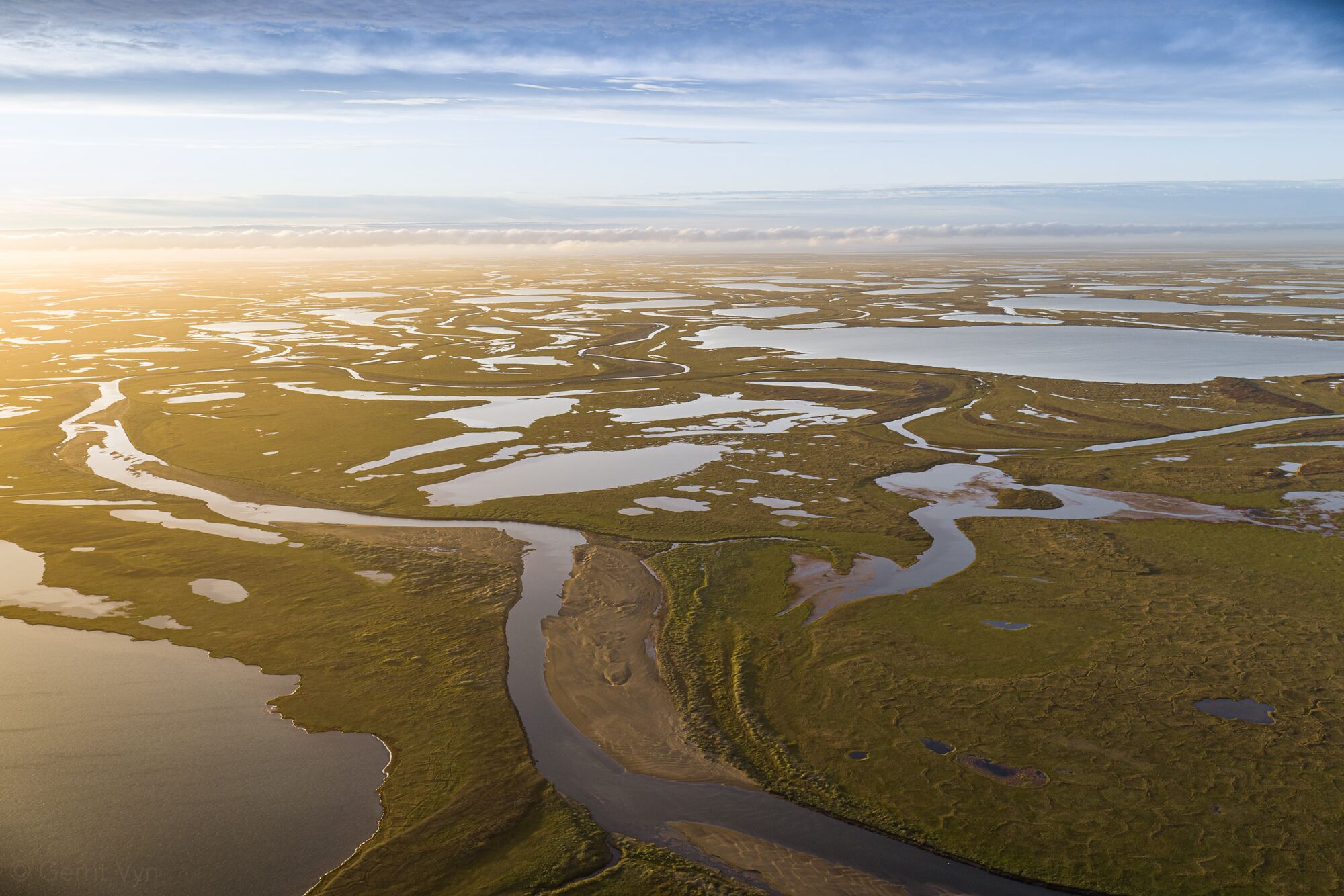
The 23-million-acre National Petroleum Reserve-Alaska in the Western Arctic is the largest tract of public land in the U.S. Its diverse habitats range from tundra and wetlands to mountain foothills, grassy uplands, riparian areas, and river deltas. Using older studies that analyzed impacts of oil exploration in a specific area of the Western Arctic to forecast impacts for future projects in ecologically different locations is extremely problematic and unsupported. It would also completely cut out the public from future permitting decisions.
“In issuing this categorical exclusion, this administration is seeking to fast track large scale oil drilling and seismic exploration without any further environmental analysis or public input,” said Earthjustice Attorney Janet Bering. “It is cutting the public out of this decision and future decisions. The administration finalized this new approach with zero public input. Combined with a similar proposal that rubber stamps new oil production, this is a one-two punch. It’s bad policy, and it is unlawful.”
Exploration projects, which include seismic surveys, exploratory drilling, and related infrastructure, are known to harm wildlife, including caribou and polar bears. Seismic surveys are conducted with thumper trucks weighing tens of thousands of pounds that repeatedly strike the ground with a large plate to send seismic waves into the earth to detect oil deposits. Transporting industrial equipment and camps for seismic workers across sensitive landscapes also comes with significant risk to the environment.
Last winter, a massive drilling rig nicknamed “the beast” toppled over, caught fire and spilled diesel while it was being transported on an ice road to a new exploration site.
Today’s action follows a similar proposed rule announced by the Trump administration last month to rubber stamp new drilling production projects in the Western Arctic. The public may comment on that proposed rule, but if itis finalized, the public would be cut out of the process. The production rule aims to require Interior to approve new projects as massive as Willow within a 60-day limit of the oil company submitting its application, without any additional environmental study or public process.
Background
The 23-million-acre Reserve in the Western Arctic is one of the most biologically, ecologically, and culturally significant tracts of public land in the United States. The region is home to iconic and imperiled wildlife species like polar bears and seals that depend on sea ice. It provides globally significant habitat for millions of migratory birds and for Alaska’s unique caribou herds.
The Naval Petroleum Reserves Production Act of 1976 recognized the importance of the Western Arctic for wildlife and migratory birds including animals protected under the Endangered Species Act, and for the cultural practices and food security of Indigenous communities. The act requires the BLM to assure adequate mitigation of harm from oil and gas activities, and “maximum protection” of the fragile tundra, birds, wildlife and other unique resources within the Reserve when it allows exploration or drilling in special areas. When Congress authorized leasing and oil extraction in 1980, it again directed the federal government to assure the protection of the Western Arctic’s ecological and cultural resources.
Additional Resources
About Earthjustice
Earthjustice is the premier nonprofit environmental law organization. We wield the power of law and the strength of partnership to protect people's health, to preserve magnificent places and wildlife, to advance clean energy, and to combat climate change. We are here because the earth needs a good lawyer.