January 16, 2026
The Trump Administration’s MAHA Lies
What was in the report, what the MAHA commission recommends — and what the Trump administration is actually doing
Americans face exposure to harmful chemicals, which have been tied to rising rates of cancer, development harm, and other serious health effects.
In recent years, politicians promising to “Make America Healthy Again” campaigned under President Trump’s banner on promises to address the environmental causes of childhood cancer and chronic disease.
When it was time for the real work to begin, they showed it was nothing more than lip service. Just this week, lawmakers in Congress introduced a bill to weaken the Toxic Substances Control Act, the nation's chemical safety law that was amended in 2016 to give the Environmental Protection Agency (EPA) far greater authority to keep dangerous chemicals out of products like cleaning supplies, toys, furniture, and clothing, and to keep them from entering our homes, water, and workplaces.
This is happening as the Trump administration has dismantled regulations and policies that protect children from toxic chemicals, pesticides, and pollutants, while cynically packaging its rollbacks as victories for the MAHA movement. Last month, EPA Administrator Lee Zeldin said the weakening of risk evaluations for five phthalate chemicals was a “massive MAHA win.”
In its “Make Our Children Healthy Again” assessment last May, the administration’s MAHA Commission acknowledged some of the serious harms that can be caused by toxic chemicals. But then the commission failed to make strong policy recommendations to protect children’s health from chemicals in our air, water, food, schools, or homes. Meanwhile, Trump officials are making decisions to weaken or eliminate the existing safeguards that are in place to protect children and families from cancer, developmental disabilities, and other severe health effects.
Take a look at what the MAHA commission said in the report, what the MAHA commission recommends and then what the Trump administration is actually doing.
What you’ll find is an administration putting corporate interests over human lives, not protecting children’s health.
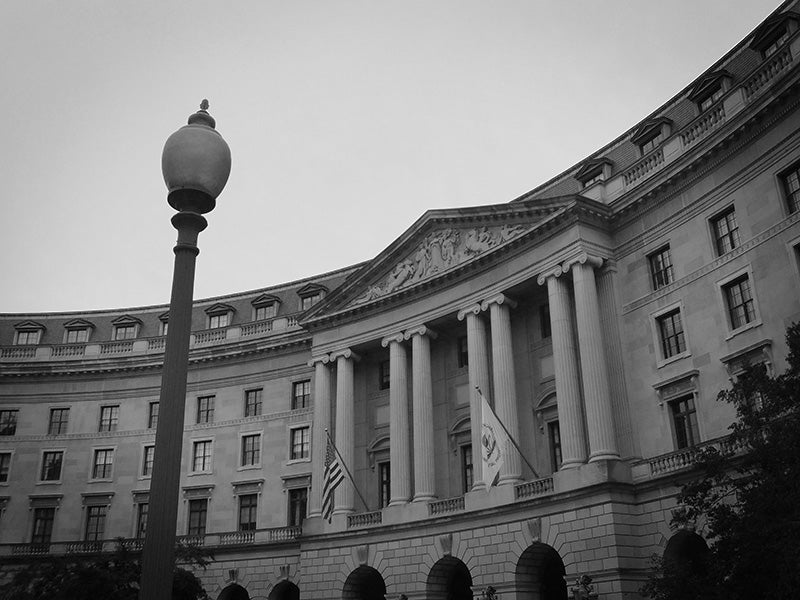
Agency Capture by Industry
Aidan Wakely Mulroney / CC BY-NC-ND 2.0
What the MAHA Assessment Said
“The threats to American childhood have been exacerbated by perverse incentives that impact the regulatory bodies and federal agencies tasked with overseeing them …
“The chemical-manufacturing industry spent roughly $77 million on federal lobbying activities in 2024, while 60% of their lobbyists previously held federal posts.”
“A small number of corporations control a large share of food production, processing, distribution, and retail … Four companies control 80% of the meat market in the U.S.”
What the MAHA Strategy Recommends
Ignores capture by the chemical industry
The MAHA Strategy calls on “FDA, CDC, and NIH to review participation in any projects or initiatives funded by food and pharmaceutical companies,” but there are no recommendations related to EPA or chemical industry influence over environmental decisions.
The MAHA Strategy does not mention the corporate consolidation of agricultural production or propose any steps designed to address this issue.
What the Trump Administration is Actually Doing
- So far, EPA has dismissed independent advisors for critical scientific boards, removed career scientists, and has no assistant administrator leading the office of research and development to protect agency science from industry capture.
- Meanwhile, the Trump administration is being led by appointees who are dead set on carrying out the dangerous agenda in Project 2025 instead of putting children’s health ahead of corporate profit interests.
Air Pollution
Jesse Marquez
What the MAHA Assessment Said
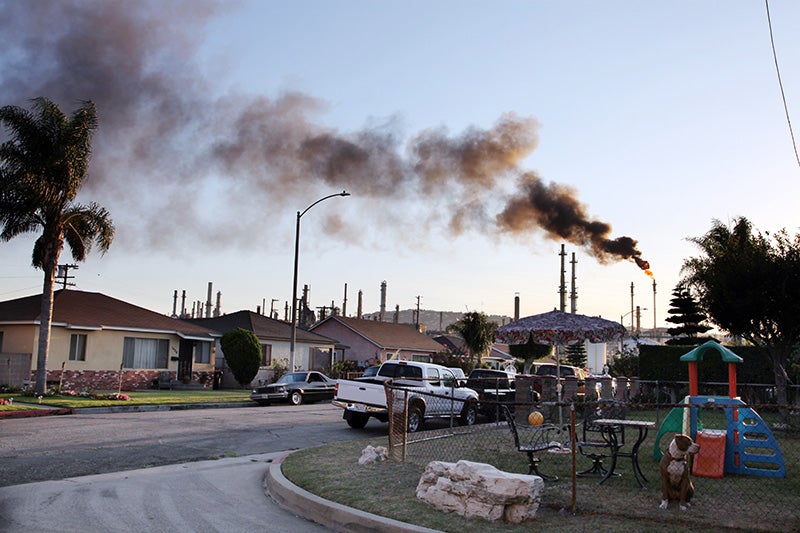
“[T]he air they breathe may pose risks to [children’s] long-term health, including neurodevelopmental and endocrine effects.”
What the MAHA Strategy Recommends
No action
The MAHA Strategy calls for EPA and NIH to “study air quality impacts on children’s health,” even while EPA, NIH, and other agencies have stalled or ended key scientific research that would likely further illustrate the need for stronger protection now from air pollution and that also would help build on the long-recognized connections between air pollution and childhood cancer, asthma, and other severe harms to children’s health to inform more protective policies.
What the Trump Administration is Actually Doing
Rather than take action to strengthen protection for children from air pollution, so far the Trump administration has announced and is taking action that would weaken protection and increase the dangers and harm to children from pollutants like PM2.5, mercury, lead, and from sources of mixtures of toxic metals and other chemicals in the air — even during industrial fires, explosions, leaks and other chemical disasters.
Instead of protecting children’s health, Trump has injected himself into what should be a nonpartisan and nonpolitical issue: clean air.
- For the first time ever, he issued shocking special exemptions for individual companies like coal plants and chemical manufacturers — allowing sources to release toxic chemicals like mercury, ethylene oxide, chloroprene, and more, into the air for two long years before they will have to follow vital clean air protections for children and communities that EPA previously issued under the Clean Air Act.
EPA has started to gut its own in-house scientific research on clean air, shuttering the essential Chapel Hill, North Carolina, lab doing cutting-edge scientific research on air quality, and has put vital science on children’s health on the chopping block.
Chemical Transparency
Joshua A. Bickel / AP
What the MAHA Assessment Said
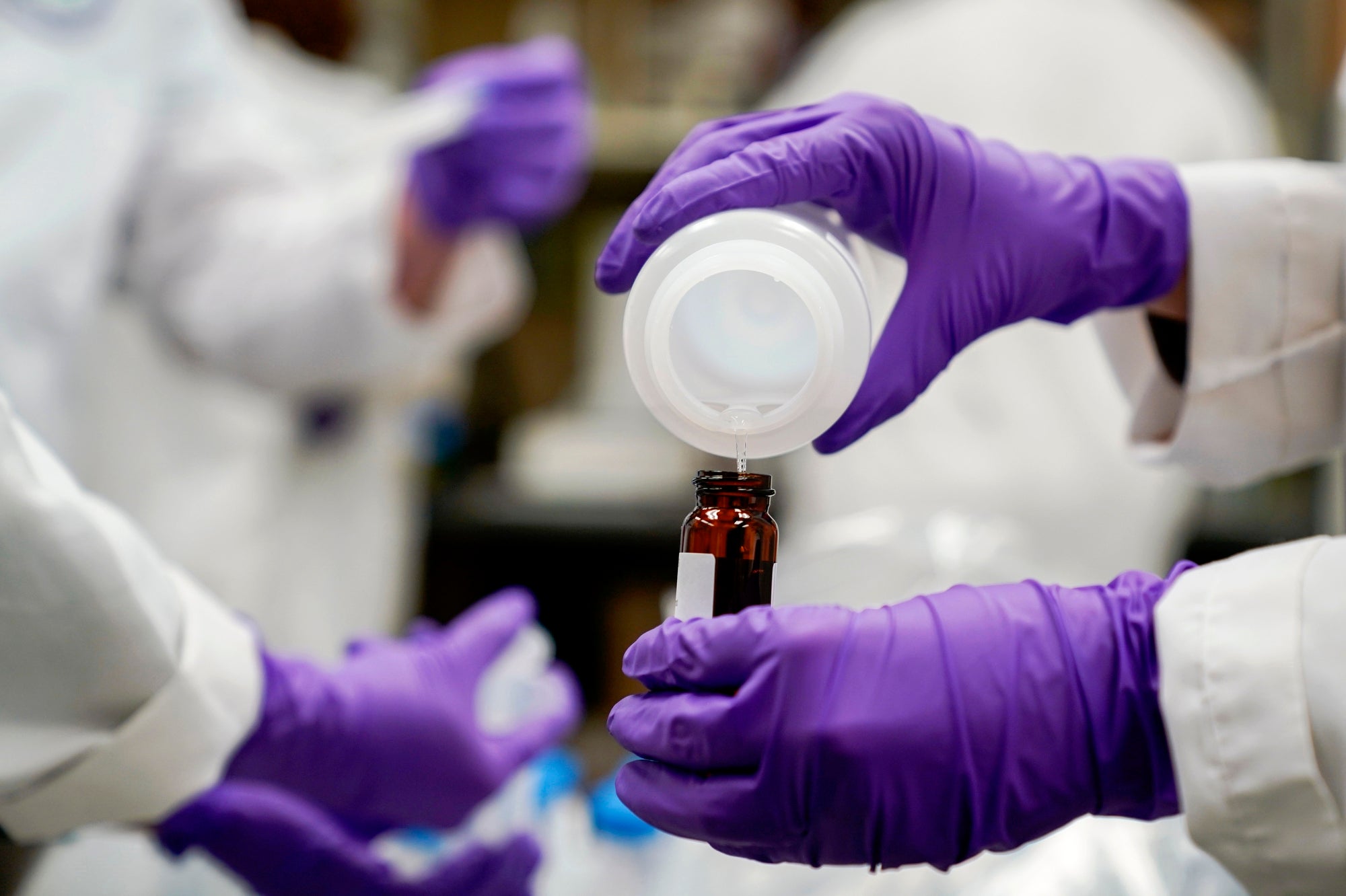
“In addition, more than ten thousand chemicals listed on the EPA’s inventory are designated as confidential, and generic chemical names are used to identify them.”
What the MAHA Strategy Recommends
Nothing
The MAHA Strategy does not mention or propose any steps designed to address the withholding of chemical names and identities.
What the Trump Administration is Actually Doing
- The Trump administration is in court fighting against efforts to increase transparency surrounding new chemical applications.
Cumulative Impacts

La-Rel Easter / Unsplash
What the MAHA Assessment Said
“The cumulative load of thousands of synthetic chemicals that our children are exposed to … may pose risks to their long-term health, including neurodevelopmental and endocrine effects …
“We must understand and ameliorate any potential links between cumulative chemical exposure and childhood chronic disease.”
What the MAHA Strategy Recommends
Virtually nothing
The MAHA Strategy calls for EPA, USDA, and NIH to “develop a research and evaluation framework for cumulative exposure across chemical classes,” even though EPA has had a Framework for Cumulative Risk Assessment since 2003 and published detailed Guidelines for Cumulative Risk Assessment Planning and Problem Formulation in 2024.
What the Trump Administration is Actually Doing
- So far, EPA has not finalized recommendations from the National Academies of Sciences, Engineering and Medicine on the need to address the real-world, cumulative impacts that communities experience.
Early Development and Childhood Susceptibility

Lucas Favre / Unsplash
What the MAHA Assessment Said
“Children are not ‘little adults’ when it comes to environmental chemicals …
“Several unique characteristics make newborns, children, and adolescents particularly vulnerable.”
What the MAHA Strategy Recommends
Silence
The MAHA Strategy does not mention early life stage susceptibility or propose any steps designed to address infants’ and children’s heightened risks from chemical exposures, or to do anything to reduce or prevent exposure to toxic chemicals from pesticides, food, water, or air pollutants, during pregnancy.
What the Trump Administration is Actually Doing
So far, EPA has shown no indication that it will follow what science shows is needed to address toxic chemical and pollution exposure during sensitive developmental stages.
- EPA’s Children’s Health Protection Advisory Committee, the National Academies, and other independent scientists have long called for stronger protection in early life and during childhood across a range of cumulative environmental exposures, but so far EPA has taken no action to implement those recommendations.
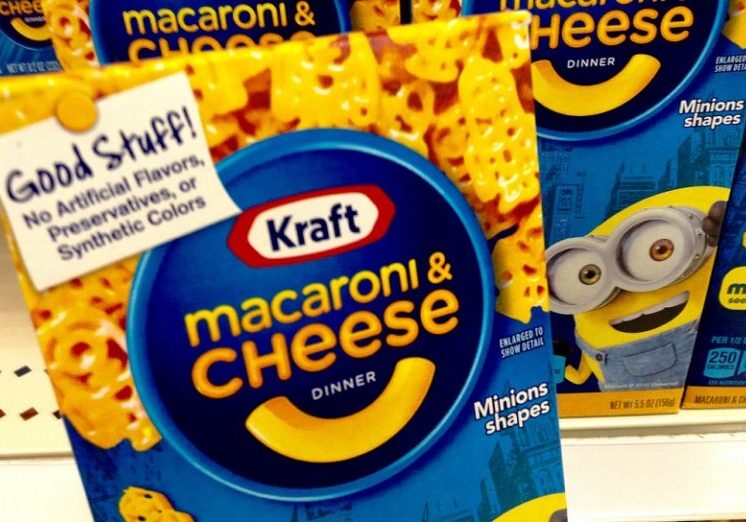
Food Additives, Including Phthalates

Kondor83 / iStock
What the MAHA Assessment Said
“Studies have linked certain food additives to increased risks of mental disorders, ADHD, cardiovascular disease, metabolic syndromes and even carcinogenic effects …”
“Additives in processed foods are consumed in complex combinations, where cumulative and synergistic effects may amplify harm beyond individual components. Yet, testing often ignores these interactions, particularly in children.”
“Research shows continuous exposure to certain phthalates can trigger hormone dysregulation and reproductive and developmental problems for babies in-utero and infants.”
What the MAHA Strategy Recommends
The MAHA Strategy proposes to “implement policies to limit or prohibit the use of” certain food additives, such as petroleum-based food dyes.
The MAHA Strategy does not mention phthalates or propose any steps designed to address phthalate risks.
What the Trump Administration is Actually Doing
- The Trump administration has not taken action on a variety of petitions seeking to remove harmful substances from food, including lead and PFAS.
- The Trump administration is defending in court FDA’s decision to maintain the use of toxic phthalates in food additives.
Funding Bias of Scientific Studies

Wesley Tingey / Unsplash
What the MAHA Assessment Said
“A significant portion of environmental toxicology and epidemiology studies are conducted by private corporations …
“[C]omparisons between industry-funded research versus non-industry studies have raised concerns over potential biases in industry-funded research.”
What the MAHA Strategy Recommends
Virtually nothing
The MAHA Strategy calls for HHS to “establish a public database to disclose financial relationships … for individuals/organizations with conflicts of interest,” but there is no comparable recommendation for EPA and other federal agencies and there is requirement that agencies’ account for funding bias in their scientific assessments.
What the Trump Administration is Actually Doing
EPA’s main actions so far on this have all gone in the wrong direction. To name a few of the ways EPA is setting back health science:
- Telling its own, in-house career scientists to stop publishing their research
- Removing its scientific integrity policy from its website
- Removing all of the career scientific leadership of its own Office of Research and Development
- Proposing to zero out the budget for its vital research functions on chemicals like PFAS, air pollutants, and wildfire smoke
- Creating an office labeled as focusing on science, but under the Office of the Administrator
Microplastics
Peter Dazeley / Getty Images
What the MAHA Assessment Said
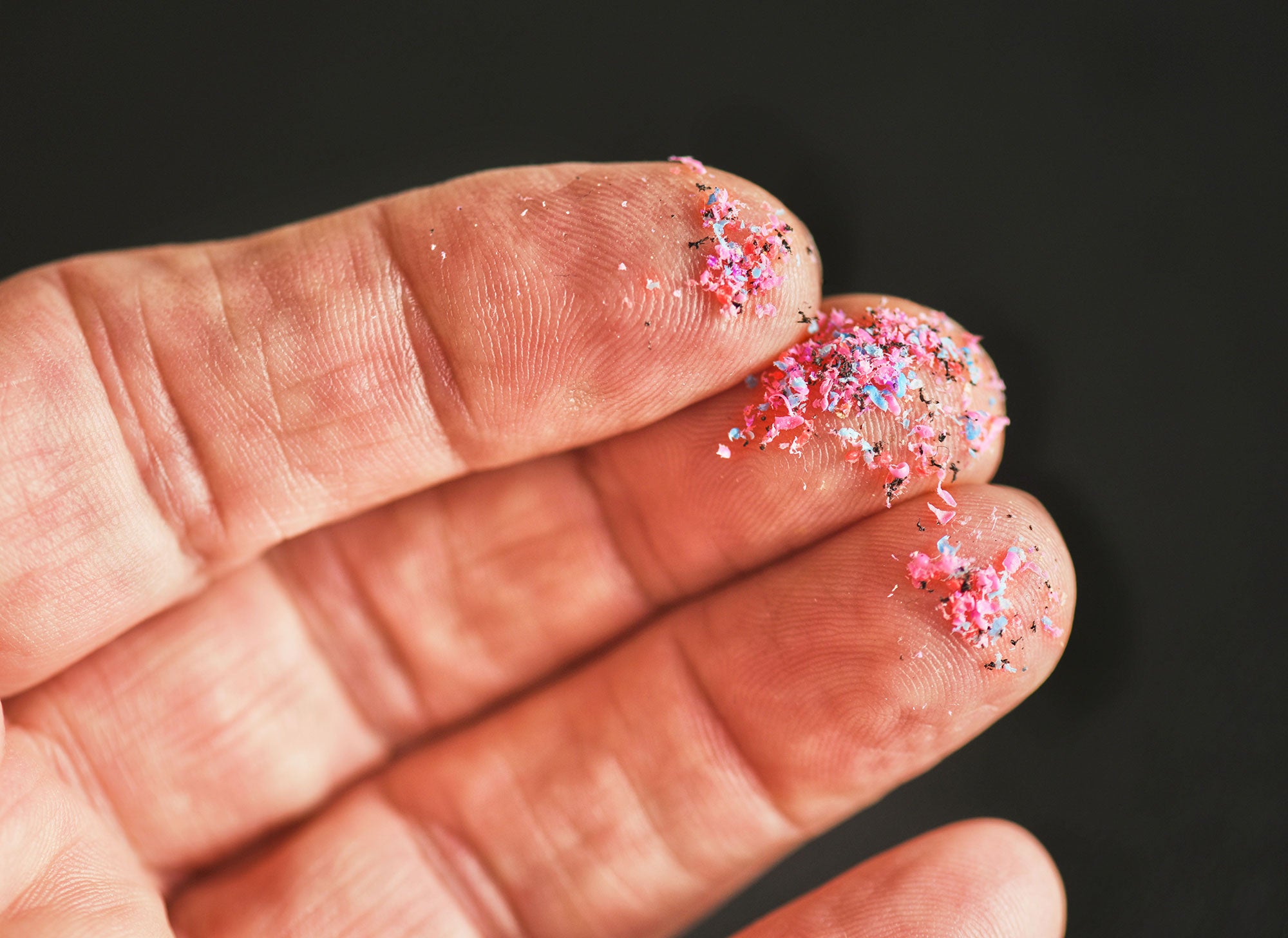
“One single-site study in 2025 showed that the concentration found in Americans’ brain tissue increased by 50% between 2016 and 2024.
“Some studies have additionally found that microplastics often carry endocrine-disrupting chemicals that interfere with hormonal development and potentially trigger early puberty — especially in girls — and heighten the risks of obesity, infertility, and hormone-related cancers.”
What the MAHA Strategy Recommends
Nothing
The MAHA Strategy does not mention microplastics or propose any steps designed to address phthalate risks.
What the Trump Administration is Actually Doing
- The Trump administration has excluded microplastic exposures from its proposed risk evaluations of several toxic phthalates, preventing agency scientists from assessing microplastic risks.
- In fall 2025, EPA’s independent Children’s Health Protection Advisory Committee released new scientific recommendations to protect children’s health from microplastics — along with the scientists who’ve highlighted the importance of acting on microplastics, we’ll be watching to see if any meaningful action happens to follow through.
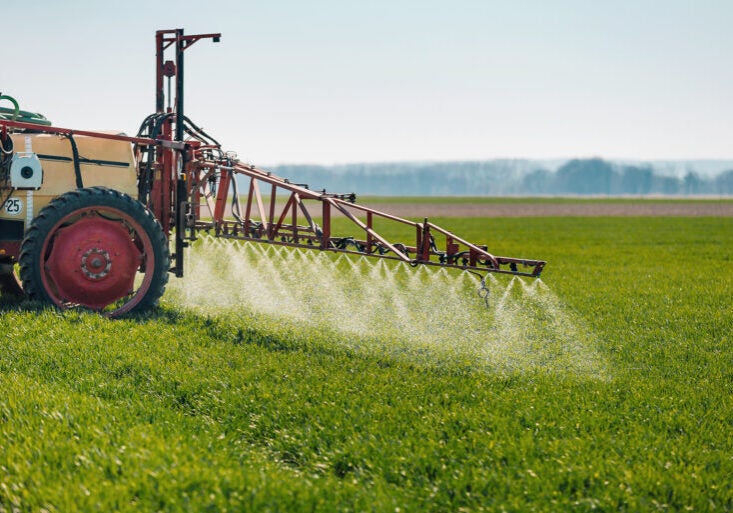
Pesticides
Austin Valley / CC BY 2.0
What the MAHA Assessment Said
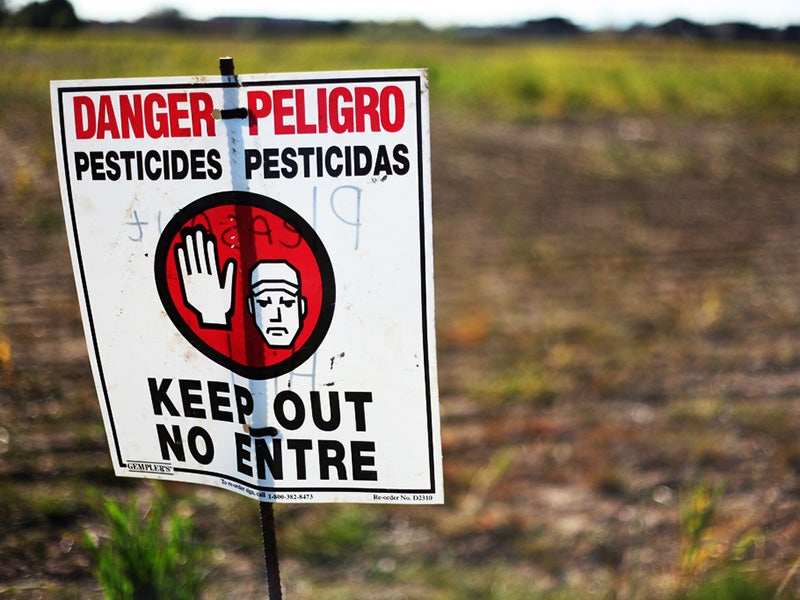
“[S]tudies have raised concerns about possible links between some of [pesticides] and adverse health outcomes, especially in children …
“For example, a selection of research studies on a herbicide (glyphosate) have noted a range of possible health effects, ranging from reproductive and developmental disorders as well as cancers, liver inflammation and metabolic disturbances.
“In experimental animal and wildlife studies, exposure to another herbicide (atrazine) can cause endocrine disruption and birth defects.”
What the MAHA Strategy Recommends
Worse than nothing
The MAHA Strategy does not propose any new pesticides regulations.
Instead of restricting the use of the most toxic pesticides, the Strategy proposes marketing programs to persuade the public that EPA’s existing pesticide review procedures are “robust.”
What the Trump Administration is Actually Doing
- The Trump administration has failed to take action to protect children from organophosphate insecticides.
- The Trump administration has registered new PFAS-based pesticides, including isocycloseram and cyclobutrifluram, despite the known negative effects these “forever chemicals” have on human health and the environment.
- The Trump administration is poised to re-approve the controversial herbicide dicamba for use on genetically engineered cotton and soy.
- Reversing prior federal policy, the Trump administration has sided with pesticide manufacturers and advised the Supreme Court that federal law should be read to preempt state laws intended to protect people harmed by pesticides.
PFAS
Cavan Images
What the MAHA Assessment Said
“[H]igh levels of certain types of PFAS exposure has been associated with a variety of health effects, including immune suppression and, changes in cholesterol in children …
“Recently analyzed confidential documents from industry leaders revealed that the PFAS industry focused on suppressing unfavorable research and distorting public discourse, effectively delaying public awareness of its dangers.”
What the MAHA Strategy Recommends
Virtually nothing
The sole reference to PFAS in the MAHA Strategy is a gratuitous call for CDC to “update recommendations regarding … PFAS in water.”
But scientists, including those at EPA and CDC, have already identified substantial risks form PFAS in drinking water, which affect up to 100 million people across the country.
Children need EPA and other agencies to fully implement health protection from that PFAS contamination.
What the Trump Administration is Actually Doing
Instead of implementing and enforcing rules designed to protect children and families from PFAS, the Trump administration is dismantling critical public health protections.
- In Sept. 2025, the administration announced plans to eliminate drinking water standards for four highly toxic PFAS, leaving millions of people exposed to serious health risks.
- The Environmental Protection Agency also proposed to reduce reporting of PFAS manufacturing and imports by more than 97 percent, leaving consumers and communities in the dark about the PFAS in their homes and environment.
Special Supplemental Nutrition Program for Women, Infants, and Children

Iconica
What the MAHA Assessment Said
“The Special Supplemental Nutrition Program for Women, Infants, and Children (WIC) is one example of a government program that is focused exclusively on the nutritional health of its participants — pregnant and breastfeeding women, women who recently had a baby, infants, and children up to 5 years of age …
“WIC has a proven track record of improving children’s health.”
What the MAHA Strategy Recommends
Nothing
The MAHA Strategy does not call for any additional funding or support for the WIC program.
What the Trump Administration is Actually Doing
- The Trump administration’s FY2026 proposed budget would slash WIC funding by $300 million, cutting monthly for breastfeeding infants from $52 to $13.
Jonathan Kalmuss-Katz is a senior attorney in Earthjustice’s Toxic Exposure & Health Program.
Media Inquiries: Tylar Greene, Earthjustice, tgreene@earthjustice.org
Earthjustice’s Toxic Exposure & Health Program uses the power of the law to ensure that all people have safe workplaces, neighborhoods, and schools; have access to safe drinking water and food; live in homes that are free of hazardous chemicals; and have access to safe products.