The Supreme Court Case That Could Let Pesticide Companies Off the Hook — Even When Their Products Make People Sick
The Justices will soon decide whether families, workers, and communities still have a path to justice when toxic products make them sick.
When people use pesticides in their fields or on their lawns, they don’t expect to get cancer. Farmworkers who apply chemicals in our fruits and vegetables don’t expect to develop Parkinson’s disease. Parents who live near agricultural land don’t expect “pesticide drift” — when the air carries pesticides into nearby communities — to harm their children’s brain development. Yet this happens, and when it does, state court lawsuits provide the only real path to accountability.
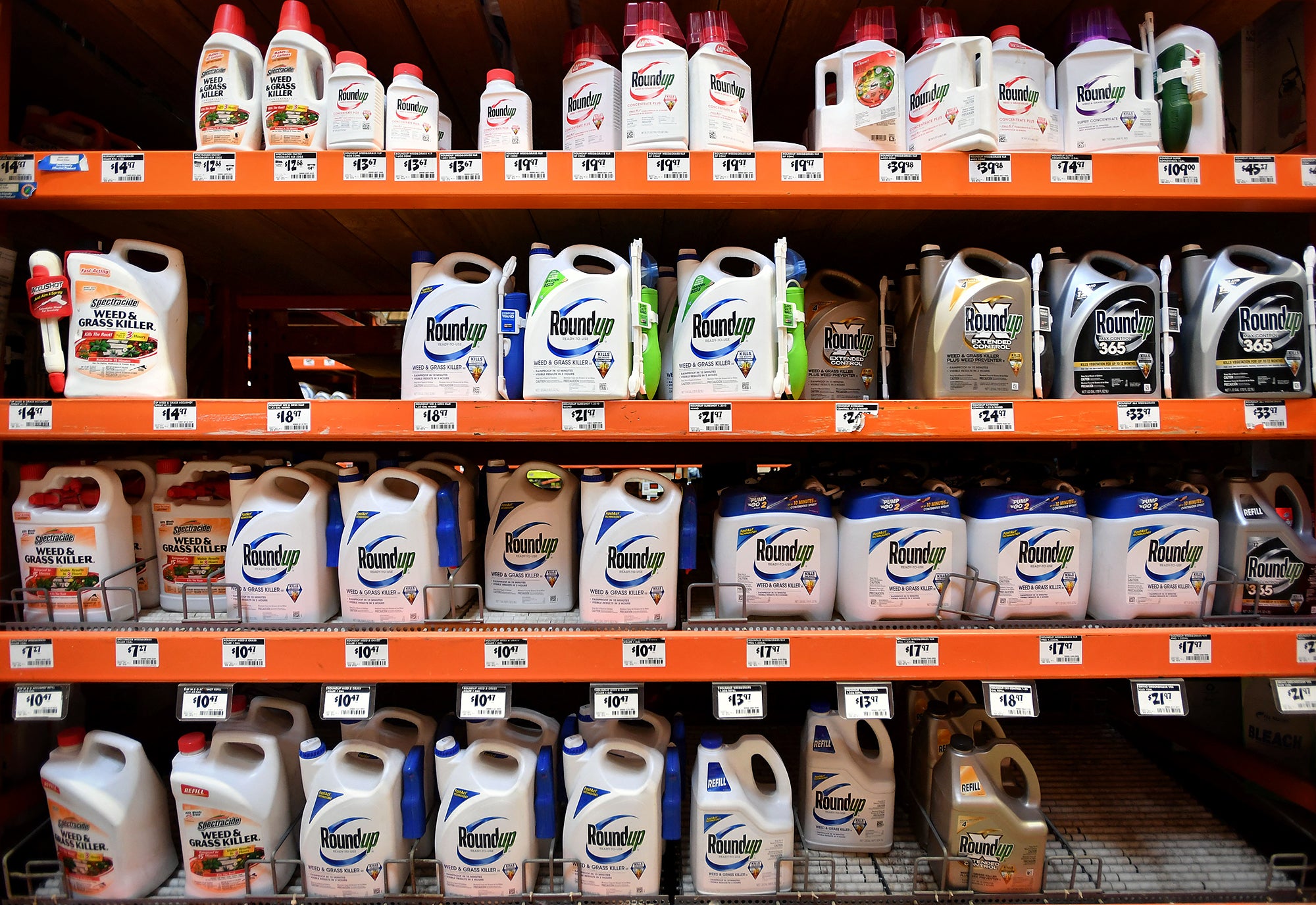
These lawsuits can uncover harm, what corporations knew about their toxic products, and bring compensation for families and workers. The long-running legal fight over Monsanto’s glyphosate weedkiller, Roundup, shows how this system works. After thousands of people who used Roundup developed non-Hodgkin’s lymphoma and other cancers, state court trials revealed that Monsanto — now Bayer — knew for years about cancer risks and failed to warn users. Juries then held the company liable, awarded millions to people who got cancer, and forced Bayer to spend billions settling claims, which forced the company to reformulate one Roundup product, the one people get in supermarkets, in ways federal regulation never did.
A Supreme Court Case That Could Shut the Courthouse Doors
But this avenue of relief could soon be taken away, allowing chemical companies to avoid paying damages when the pesticides they sell hurt people. Today, the U.S. Supreme Court said it will review Monsanto v. Durnell, a case that could determine whether people harmed by pesticides can still bring so-called failure-to-warn claims under state law. The case gained new urgency after the current Solicitor General (the federal government’s lawyer in the Supreme Court) reversed the government’s position and argued that the Environmental Protection Agency’s approval of a pesticide label should preempt state failure to warn lawsuits, no matter how inadequate the label is.
If the Supreme Court agrees with the chemical industry, pesticide companies could escape liability simply because the EPA approved their labels at some point in the past, even if the company concealed how harmful their pesticides were to people.
This outcome would put families, children and agricultural workers directly in harm’s way. It would mean that once EPA approves a label, companies could ignore new science, withhold evidence they obtain about the harm caused by their pesticides, and still avoid responsibility when people get sick. That makes no sense, especially because EPA’s pesticide rules often lag behind science. What is more, EPA approval does not mean a product is safe. It simply reflects the agency’s judgment at a moment in time, based on the information the company provides. Recognizing time may prove otherwise; companies have a continuing legal duty to update labels and warn people when new evidence shows their products are dangerous.
When Pesticides Make People Sick, State Courts Are a Key Backstop
That is why state lawsuits matter so much, and why chemical companies and their lobbyists want them gone. States law allows people to sue agrogiants that design dangerous products or fail to warn about known risks. Juries can then award compensation to people harmed by exposure to the pesticide to cover medical bills, lost earning capacity, and in extreme cases, punitive damages to deter egregious misconduct.
The possibility of costly jury verdicts creates strong incentives for companies to stop selling dangerous pesticides or update their labels to reduce harm. But the chemical industry wants to remove that pressure so it can continue selling products without fully disclosing their risks. To do that, the chemical industry wants to weaken state authority and hide behind EPA’s approval of a pesticide label, no matter how indefensible that label may be.
But Congress never intended for federal pesticide law to block accountability. The Federal Insecticide, Fungicide, and Rodenticide Act, or FIFRA, preserves state authority to regulate pesticide use and requires state rules to be at least as protective as federal rules not less. It has long been settled that states can provide remedies when companies violate federal requirements, such as its prohibition on false or misleading labels, or the duty to provide warnings adequate to protect human health. State failure-to-warn lawsuits do exactly that.
The Supreme Court Already Rejected the Chemical Industry’s Argument
The Supreme Court confirmed this understanding in 2005. In Bates v. Dow Agrosciences, the Court rejected the industry’s claim that FIFRA blocks state compensation lawsuits. It upheld claims based on defective design, negligent testing, and failure to warn, recognizing that jury verdicts help enforce, not undermine, federal law. As the Court put it, the threat of damage gives manufacturers another reason to follow their legal obligations.
Roundup again provides a clear example of why this works. State court lawsuits exposed evidence regulators had not uncovered and forced the agrochemical giant to reckon with the real-world harm from its product. Juries held the corporation accountable, settlements followed, and Bayer later announced it would remove glyphosate from Roundup products sold to consumers.
Despite those rulings, Bayer continues to argue that people harmed by its products should not be allowed to sue. While two federal appeals courts and numerous state courts rejected that claim, the Third Circuit accepted it, holding that EPA’s approval of a label is enough to block state lawsuits, even though EPA has acknowledged it does not meaningfully evaluate warnings about long-term health effects like cancer.
The Third Circuit decision set the stage for Supreme Court review that will reach far beyond one product.
What Happens Next — and What’s at Stake
Oral arguments will now be held this spring with a decision expected before July. Earthjustice will submit a friend of the court brief, explaining the need for failure to warn liability to protect farmworkers and to hold pesticide companies’ accountability for the harm their products cause. The Court’s ruling will decide whether pesticide companies can avoid responsibility when their products cause cancer, Parkinson’s disease, or lifelong learning disabilities, or whether the people harmed by those products will still have a path to justice.
Established in 1987, Earthjustice's Northwest Regional Office has been at the forefront of many of the most significant legal decisions safeguarding the Pacific Northwest’s imperiled species, ancient forests, and waterways.
Jackson Chiappinelli
Media Relations and Communications Strategist, Earthjustice
jchiappinelli@earthjustice.org