Breathing the Consequences: EPA’s Refusal to Implement Strengthened Soot Standard Endangers Public Health
A February 2026 deadline calls for EPA to address air pollution from soot, but it appears the agency has taken few steps, if any, to do so.
The U.S. Environmental Protection Agency (EPA) should be working to set polluted areas on a path to clean air by February, a requirement of the strengthened 2024 soot standard, a rule to limit air pollution. However, the Trump administration seems to have taken very few, if any, of the legally required steps for implementing the standard. Check out our full assessment of the implementation.
We looked to see where things stand with fully implementing it and we found:
- 75 million people, or 22% of the U.S. population, live in counties with air violating the standard;
- Unhealthy levels of soot pollution disproportionately affect people of color; and
- Despite air monitoring in many big cities showing unhealthy air, when given the opportunity to weigh in on whether they should have to clean up their air to meet the standard, many states failed to recommend they do so.
Now, the Trump administration has taken direct aim at the NAAQS for soot by asking a federal court to strike it down. Our analysis shows EPA is moving in the wrong direction. Implementing the 2024 standard will save lives; abandoning it will cost them.
Last year, the EPA strengthened the National Ambient Air Quality Standards (NAAQS) for PM2.5, or soot, in a rule meant to reduce the amount of toxic pollution in the air people breathe.
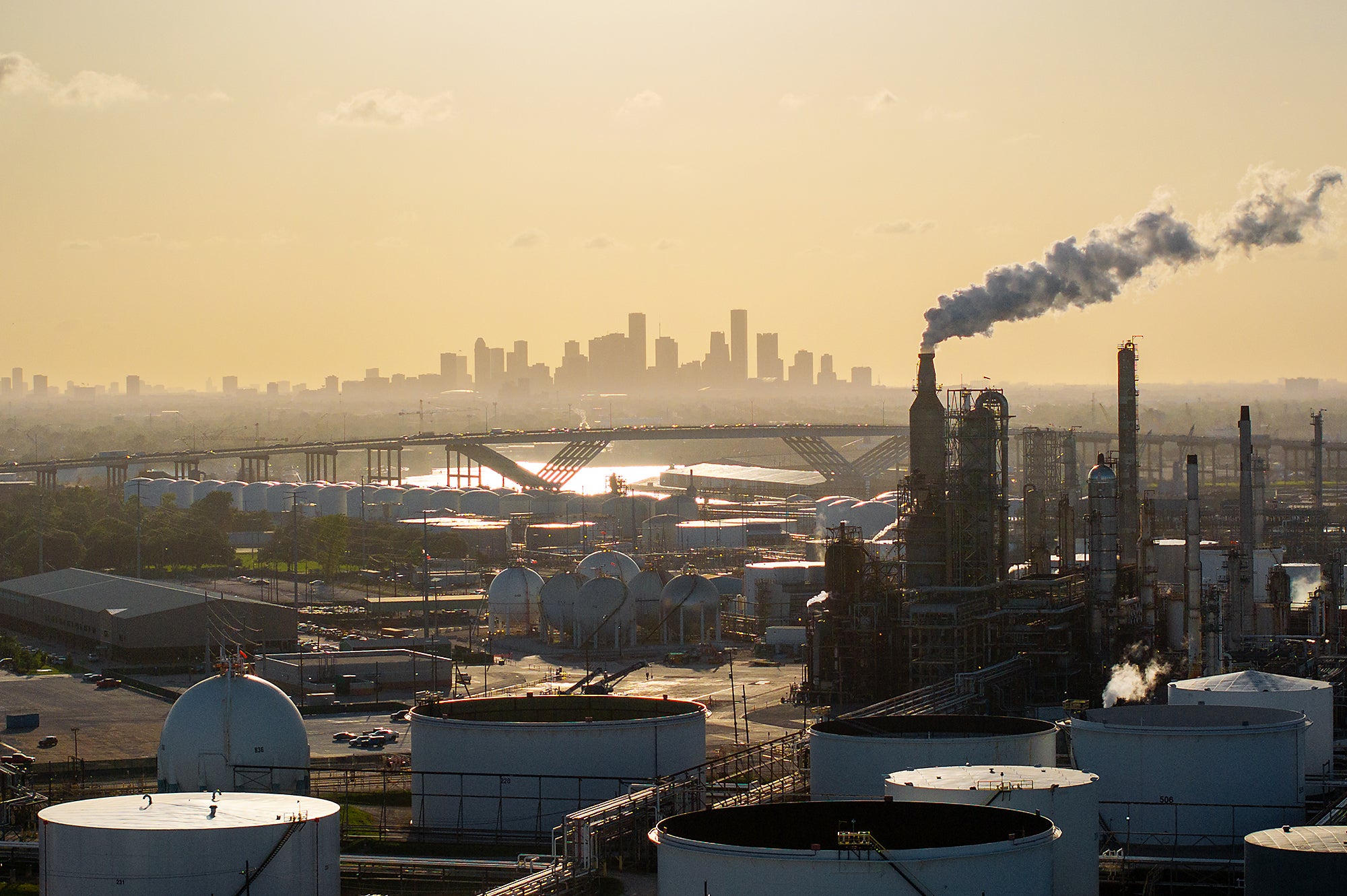
Soot pollution threatens people’s health, causing cardiovascular, respiratory, and nervous system effects, as well as cancer. Congress enacted the NAAQS program as part of the Clean Air Act to deal with this problem.
Polluters oppose the 2024 rule as they’ve opposed previous strengthening of the NAAQS, asserting that cleaning up the air will slow economic growth — a claim we’ve debunked over and over.
Implementing NAAQS allows states to recommend to EPA areas they think should be determined “nonattainment,” or not meeting the standard and needing to be cleaned up. The law requires EPA to finalize designations of nonattainment for the 2024 rule by Feb. 6, 2026. After the Trump EPA failed to publicize states’ nonattainment recommendations, Earthjustice submitted a Freedom of Information Act (FOIA) request on behalf of Sierra Club to obtain them.
Some states have shown a willingness to address elevated soot levels through their designation recommendations while others haven’t. Our review of the state recommendations revealed that only six states (Alaska, California, Michigan, Montana, Ohio, and Pennsylvania) think they should have to address unhealthy air within their borders.
An additional 38 million people reside in counties whose states (sixteen of them) ignored monitoring data and did not put them up for nonattainment.
Texas, which contains nearly 17 million people residing in counties whose air does not meet the standard, went against the advice of the state’s own environmental agency and refused to recommend any areas as nonattainment. In doing so, the governor of Texas failed to reference the monitor data or provide any even remotely valid justification.
The science has established that people of color, and especially Black people, face greater risks of PM2.5-related health effects.
People of color are disproportionately affected by soot pollution. Counties where monitoring shows unhealthy air overall are home to a higher proportion of people of color (45%) than the U.S as a whole (61.4% v. 42.4%). Those affected also disproportionately tend to be Hispanic: 19.8% of the U.S. identifies as Hispanic, but counties with monitor violations are 34.3% Hispanic — a 73% difference. Additionally, counties where states failed to recommend a nonattainment designation had a larger Black population (18.3%) than counties where states did recommend nonattainment (10.3%).
The Clean Air Act sets a schedule by which states and EPA jointly implement the 2024 standard. Yet the Trump administration seems to have taken very few, if any, of the legally required steps toward implementation.
If EPA disagrees with any state recommendations, the agency may make modifications and then notify the relevant state with a 120-day letter. Such letters would have been due Oct.9, 2025. EPA has not publicly released any 120-day letters, and it also has not opened the customary public comment for interested parties to weigh in on the planned area designations.
This paints a troubling picture — the Trump administration clearly has no plans of putting the 2024 standard in place.
Yet air pollution remains a widespread problem with serious health impacts. Implementing the soot standard as directed by the Clean Air Act as Congress intended can go a long way to solving it. EPA has a large role to play: we must let the Trump administration know we are watching and that all people deserve the clean air promised to them by law. Read the letter that 106 groups signed opposing EPA’s move to abandon its defense of the soot standard.
Earthjustice’s Washington, D.C., office works at the federal level to prevent air and water pollution, combat climate change, and protect natural areas. We also work with communities in the Mid-Atlantic region and elsewhere to address severe local environmental health problems.
Tylar Greene
Public Affairs and Communications Strategist, Earthjustice
tgreene@earthjustice.org