

Critically endangered Florida panthers, the world’s last remaining Rice’s whales, vulnerable polar bear cubs. Our most ancient trees, flood-preventing wetlands, life-sustaining oceans. Habitats and homes. These are just snapshots of what’s at stake as the biodiversity crisis escalates and our environment endures an all-out assault from Congress and the current presidential administration. But Earthjustice is fighting back.
For more than 50 years, we have protected imperiled wildlife and the habitats that support their lives — and ours. Aided by the wisdom of our clients and partners, backed by a deep bench of expertise, and equipped with a long-haul strategy, we are holding steady to our mission to protect people and the planet.
We’re pleased to share a few highlights of this work.
How Earthjustice Works
Federal hostilities are making it harder to secure decisive legal wins. But we are still bringing — and winning — important lawsuits. And litigation offers more than one way to make change.
Lawsuits demand attention and instigate action. Whether we win or lose, our litigation forces facts into the light. It can drive public will and sharpen policy goals, sparking a virtuous cycle that can secure lasting protections for our planet.
No matter the administration, Earthjustice is committed to safeguarding our web of life.
- In the courts, we’re litigating to fend off attacks and spotlight crucial issues.
- In the legislature, we, alongside Earthjustice Action, a 501(c)(4) affiliated organization, are advocating to shape policy.
- And in the media, we are telling stories to galvanize action.
As always, we work alongside many partners and allies in this work.


Safeguarding Critical Ecosystems
Earthjustice protects the ecosystems that are essential to sustaining a greater diversity of wildlife. In our era of human-caused mass extinction and habitat loss, this work grows more urgent every day.
Oceans
The fossil fuel industry has pushed to expand oil and gas infrastructure in the Gulf of Mexico and the Gulf of California.
We are fighting for these vital ecosystems and the communities that depend on them.
In the Courts
Gulf of Mexico
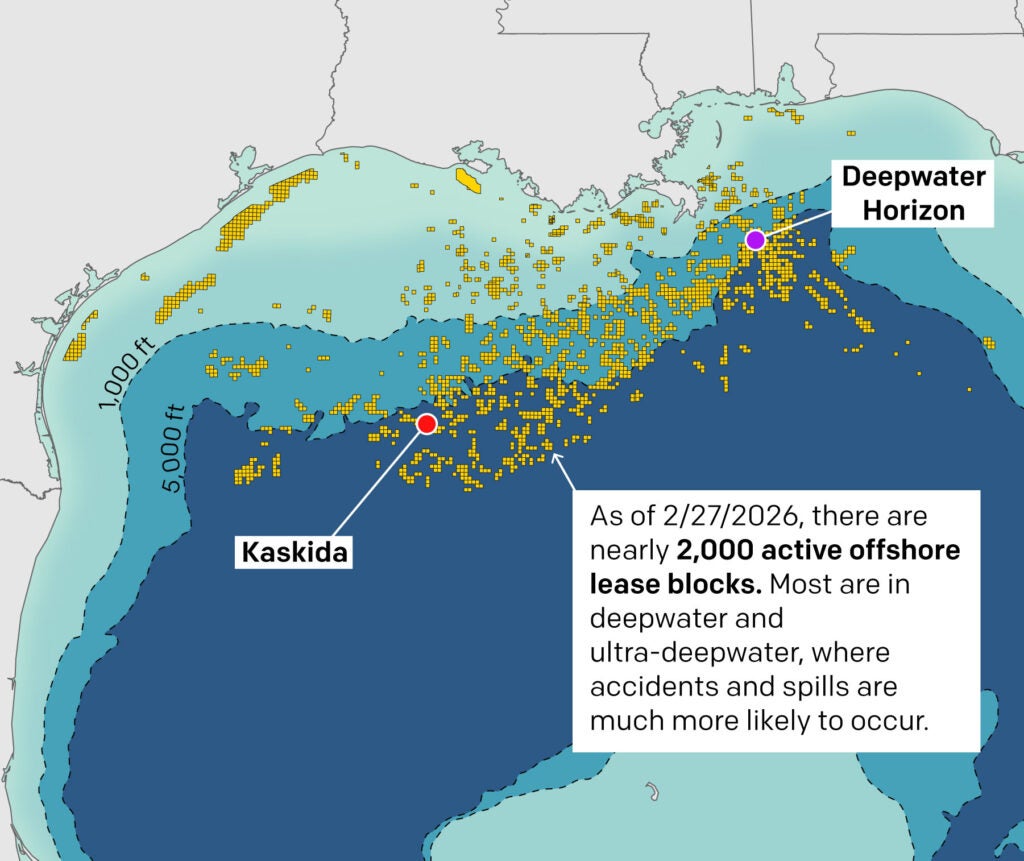
Sixteen years after BP’s Deepwater Horizon oil spill, we filed a lawsuit to challenge the oil company’s first foray into new offshore drilling in the Gulf of Mexico since the 2010 disaster: a proposed ultra-deepwater and ultra-risky project called Kaskida.
And because every oil spill starts with a lease sale, we’ve challenged every lease sale offered in the Gulf of Mexico since 2018.
- Since November 2025, we’ve filed new cases against the first three of 30 Gulf lease sales scheduled through 2040.
- Offshore drilling in the Gulf of Mexico threatens some of the nation’s most treasured wildlife and communities throughout the region.
In the Courts
Gulf of California
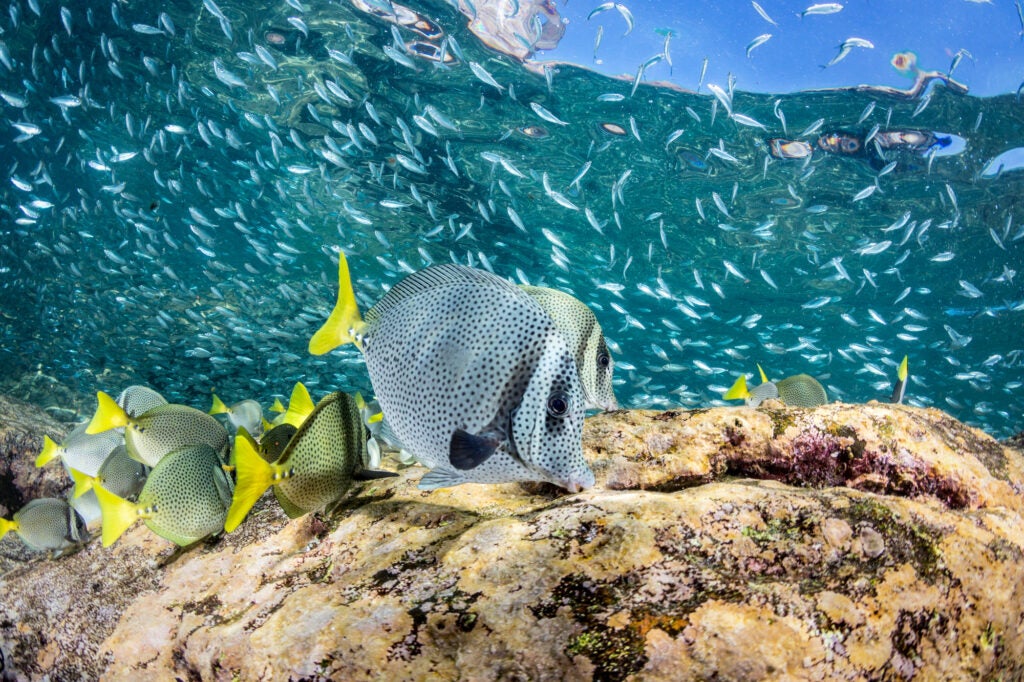
The fossil fuel industry is trying to make this biodiversity hotspot in Mexico, which a third of the world’s marine mammals call home, the next gas shipping hub of the world. But Gulf of California advocates are successfully fighting back.
Earthjustice supported its Mexican environmental partners to challenge three local liquefied natural gas (LNG) projects in court.
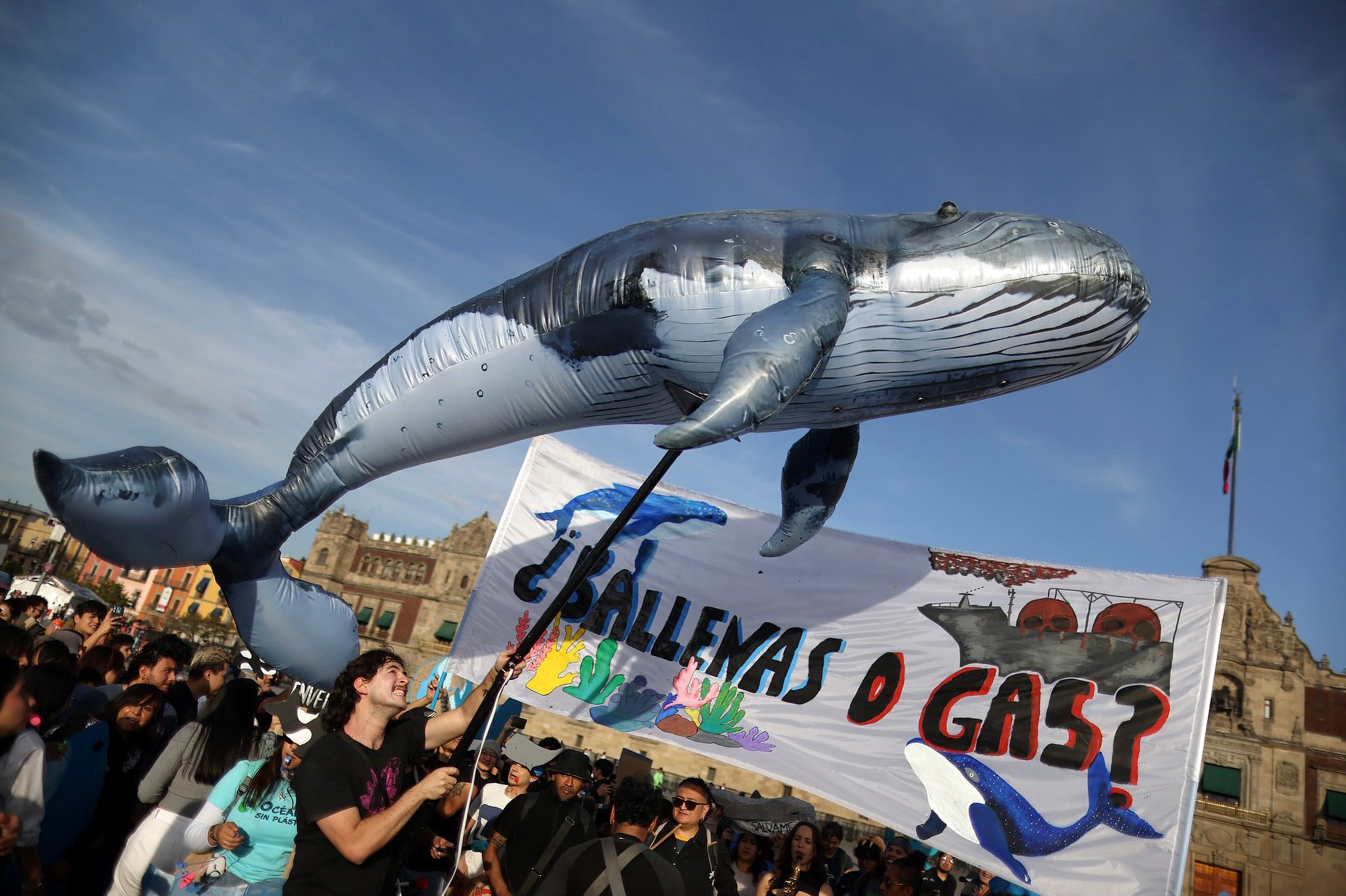
- This year, Mexican courts ordered pauses for two LNG projects and the third has been outright canceled.
- One of the rulings marks the first time a Mexican court has recognized a Right of Nature — specifically, the right of whales in the Gulf of California — as part of the constitutional right to a healthy environment.
In the Public Sphere
Earthjustice policy experts, together with policy experts from Earthjustice Action, helped to secure a congressional letter denouncing the dangerous Kaskida project, while members of the public — including more than 37,000 Earthjustice supporters — submitted tens of thousands of comment letters voicing opposition.
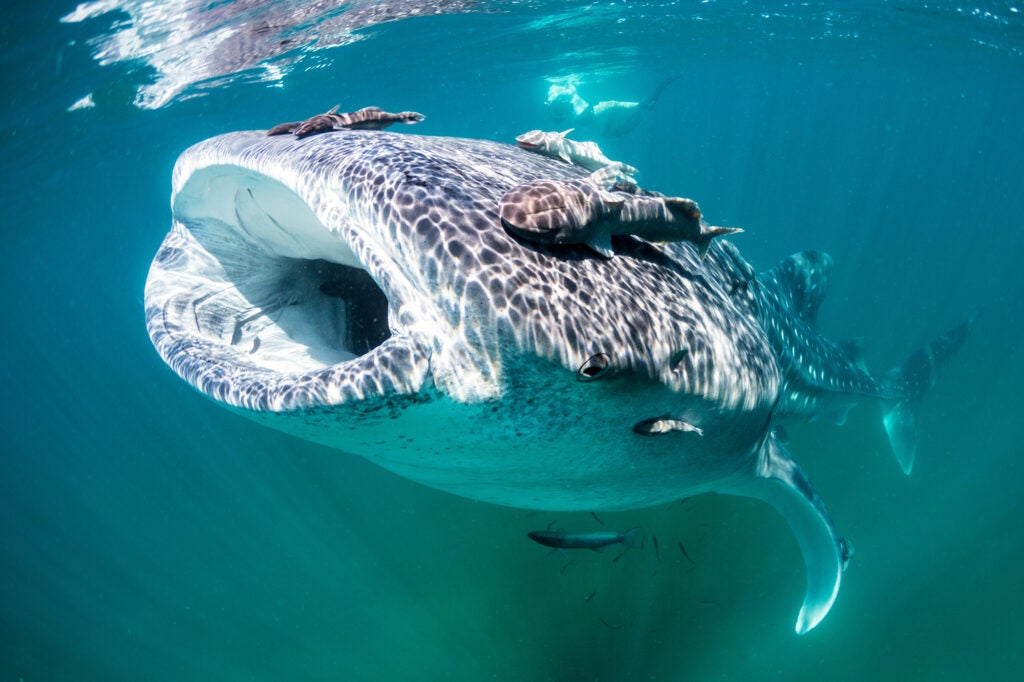
The organizations also rallied over 17,000 supporters to submit comments demanding that the government do more to protect the Rice’s whale and its habitat in the Gulf of Mexico. Fewer than 100 Rice’s whales remain on Earth.
Forests
Mature and old-growth forests offer the most effective way to remove carbon from our atmosphere.
Earthjustice safeguards these forests so they can continue to harbor wildlife, provide clean drinking water, and aid in the fight against climate change.
In the Courts
Roadless Rule
The Roadless Rule is one of the most important land protection measures of our time.
- Adopted in 2001 with broad public support, it protects 45 million acres of national forestlands from logging and roadbuilding.
- The cumulative ecological benefits from these 25 years of forest protections across such large swaths of land are incalculable, and perhaps more impactful for habitat preservation than any other single action.
Yet the Trump administration is moving to rescind the rule, in part to lay the groundwork for a major increase in industrial logging.
Earthjustice has filed and won more than 10 lawsuits to preserve the Roadless Rule, and we’re prepared to defend it again.
In the Courts
Logging
We are also countering a wave of new logging projects.
The most immediate is the South Revilla sale, a massive old-growth logging project that covers more than 40,000 acres in Alaska. The U.S. Forest Service has approved the project, and we are challenging it in court.

In the Public Sphere
Earthjustice joined forces with Earthjustice Action to rally tens of thousands of supporters to file public comments supporting the Roadless Rule against the administration’s attack. These joined comments from more than half a million people across the country.
- Together, they comprise a compelling public record: Federal agencies must read and respond to all public comments, publishing both online.
- This public record — and the government’s response — will be evidence when Earthjustice and other environmental groups go to court.
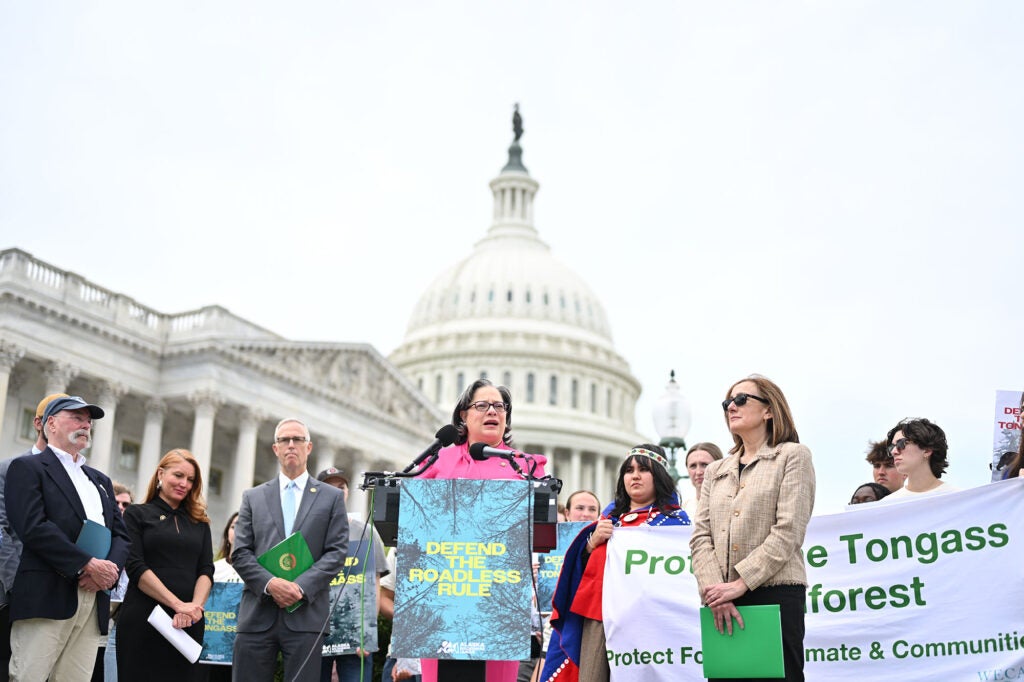
In advance of the rollback, Earthjustice joined community partners to host a press conference featuring members of Congress and advocates from around the nation to defend the Roadless Rule and share personal stories about the impacts of forests.
- And when the administration announced its proposal to rescind the Roadless Rule, Earthjustice spoke out on NPR’s Morning Edition.
The Power of the Public
The administration is stripping protections from nearly 90 million acres of public lands to expand extractive industries — despite the wishes of most Americans.
Support for the ESA sits at 84%. 91% of Western voters want national monuments left alone.
The administration has attacked both.
Public pressure has already blocked attacks on monuments and the ESA. Earthjustice has defended both in court before.
We won’t back down, and we invite you to join us in this fight.
Alaska’s Arctic
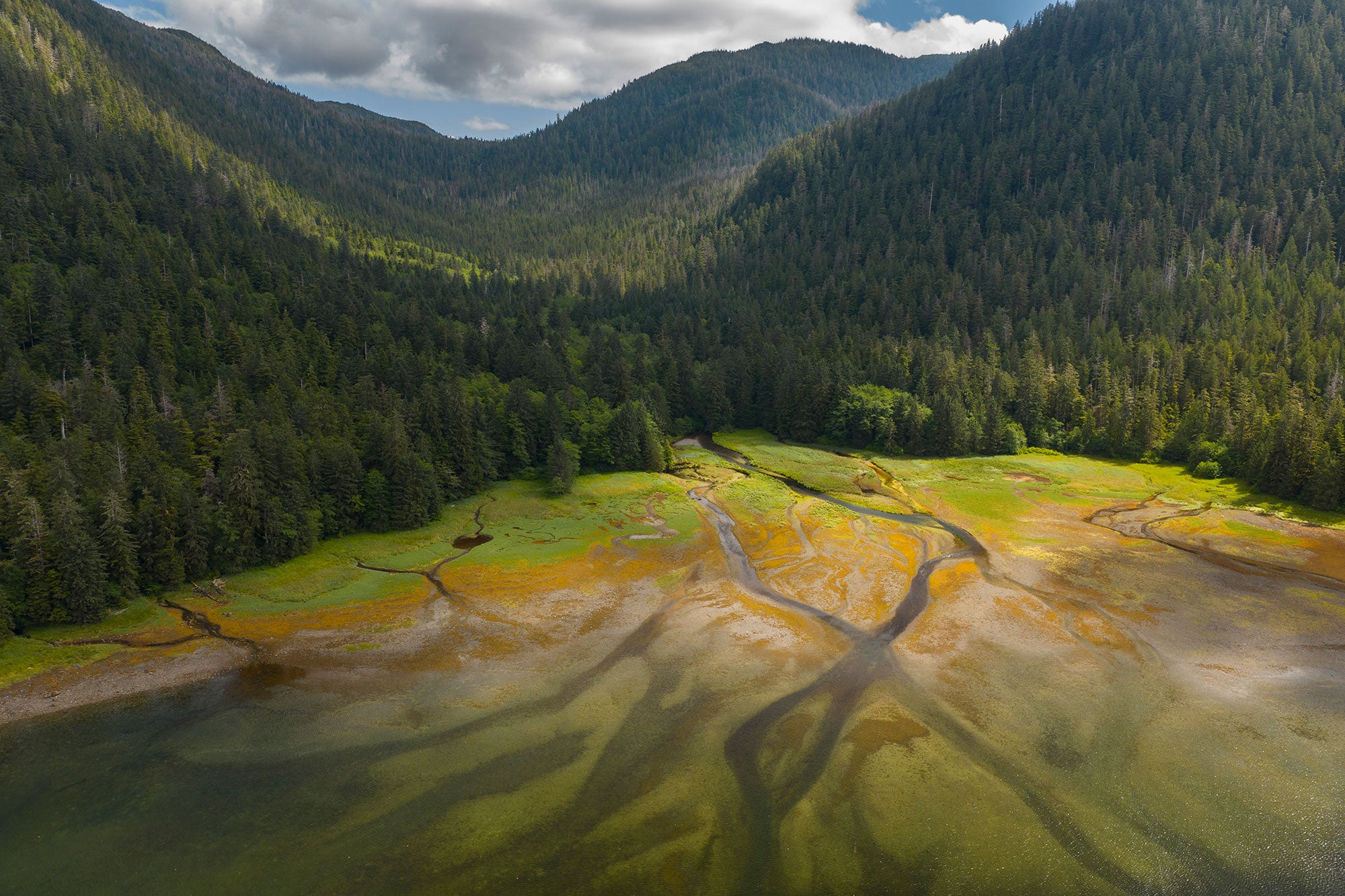
Earthjustice is fighting an aggressive push to expand oil and gas development in the Arctic, where everything has an outsized impact on planetary health.
With partners, we are building public support to end federal Arctic oil development in favor of responsible management of this irreplaceable region.
In the Courts
Western Arctic
In March 2026, the federal government auctioned off to oil companies more than a million acres of ecologically sensitive lands in the Western Arctic.
Many of the leased tracts are in globally significant habitat for migratory birds and other wildlife around Teshekpuk Lake and the Colville River.
- We are challenging the sale as well as its underlying government management plan, with hopes of securing a decision that will vacate the leases and stop on-the-ground activities next winter.

In the Courts
Arctic National Wildlife Refuge
Earthjustice is challenging government management plans and lease sales that have resulted in private companies acquiring oil leases in the refuge, which is the largest in the U.S. and one of the largest protected wilderness areas in the world.
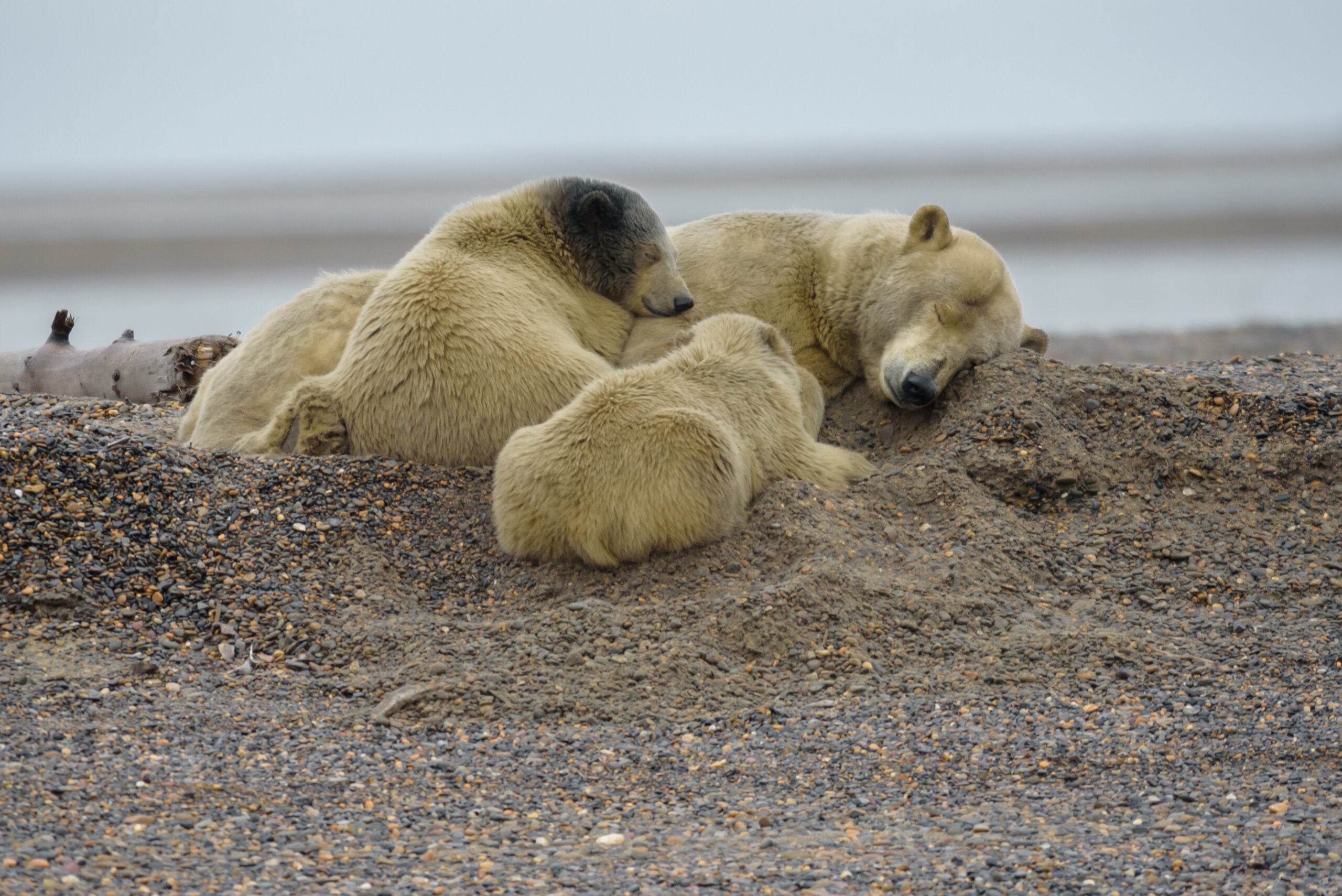
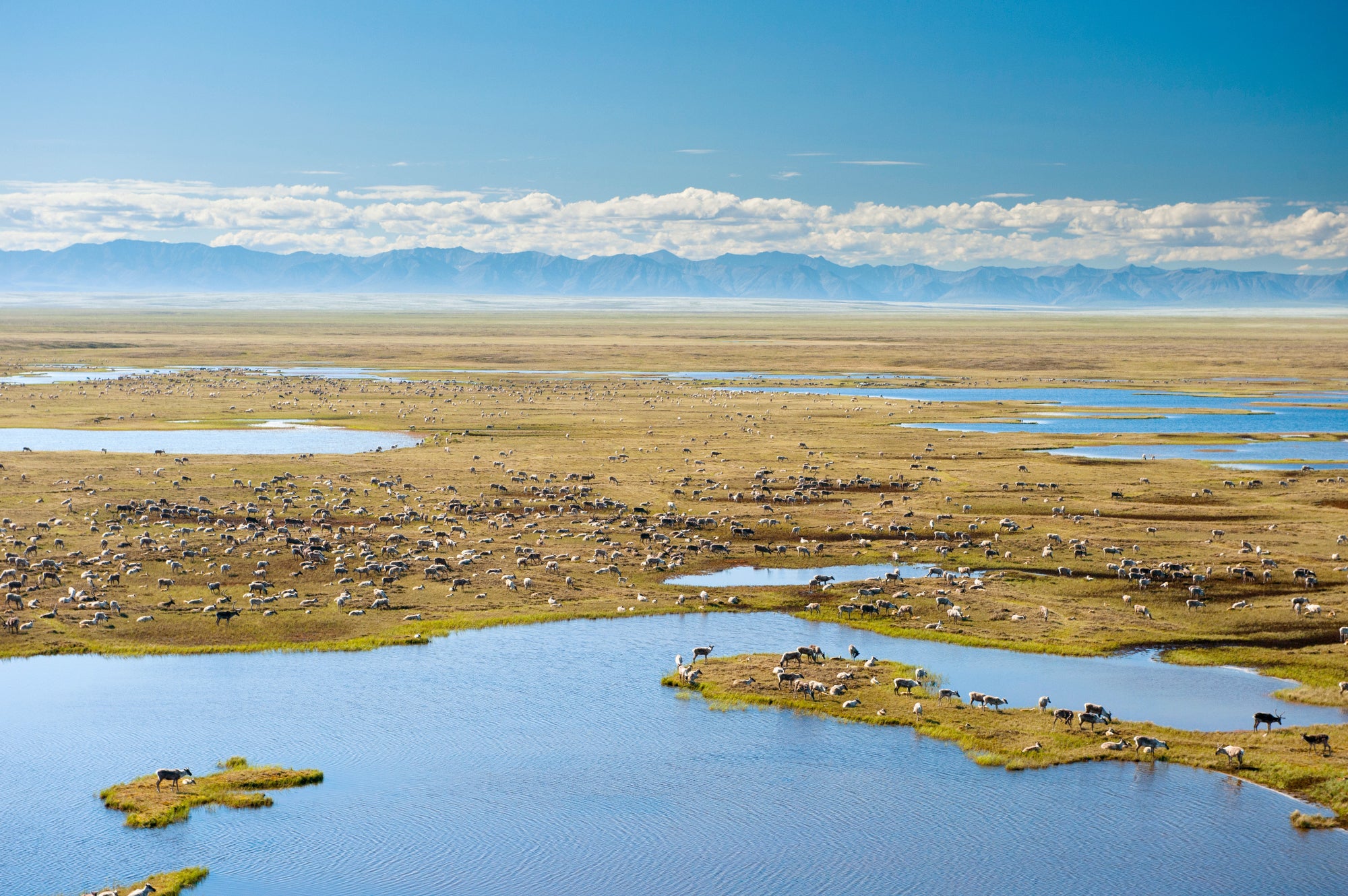
The government acknowledges its program is likely to lead to the death of dozens of polar bear cubs as well as threaten the Porcupine Caribou Herd, musk oxen, wolves, and more than 200 species of migratory birds.
- As in the Western Arctic, we hope to secure a decision this fall, which could prevent on-the-ground activity this winter.
- In the meantime, we are also independently preparing to challenge any unlawfully authorized seismic surveying. Such activity would involve driving noisy, heavy vehicles across fragile tundra, threatening polar bear dens and leaving scars that can last decades.
In the Public Sphere
Earthjustice and allies, including Earthjustice Action, are working together to recruit co-sponsors on a bill to designate the Arctic coastal plain as wilderness — 100 have signed on, as of August 2026. A wilderness designation would convey an added layer of legal protection.
- To elevate the issue in the court of public opinion, both organizations are also helping partners with legislative fly-ins and communications outreach.
Over the next three years, Earthjustice plans to work closely with allies, including Earthjustice Action, on legislative strategy for the next administration and strengthen the public and policy narrative that Arctic oil development has no place in the country’s energy future.

National Monuments
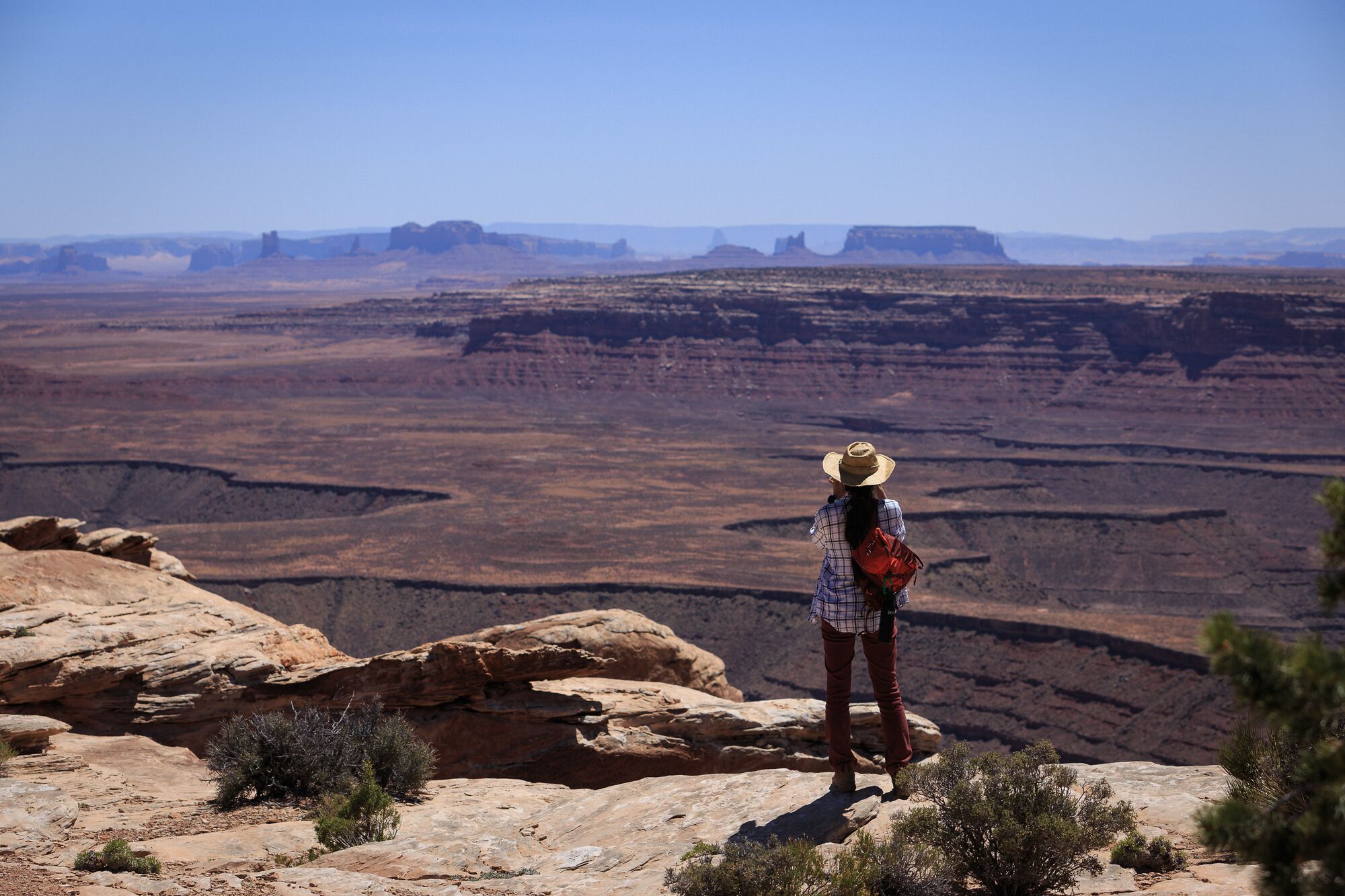
National monuments are public lands and waters that belong to all of us, including tribes and local communities that have spent years fighting to protect them.
The administration is stripping protections for these areas on both land and sea as part of a bigger plan to sell off public resources for industrial development.
Earthjustice has fended off attacks on monuments before, and we’re working to do so again.
In the Courts
Pacific Marine Monuments
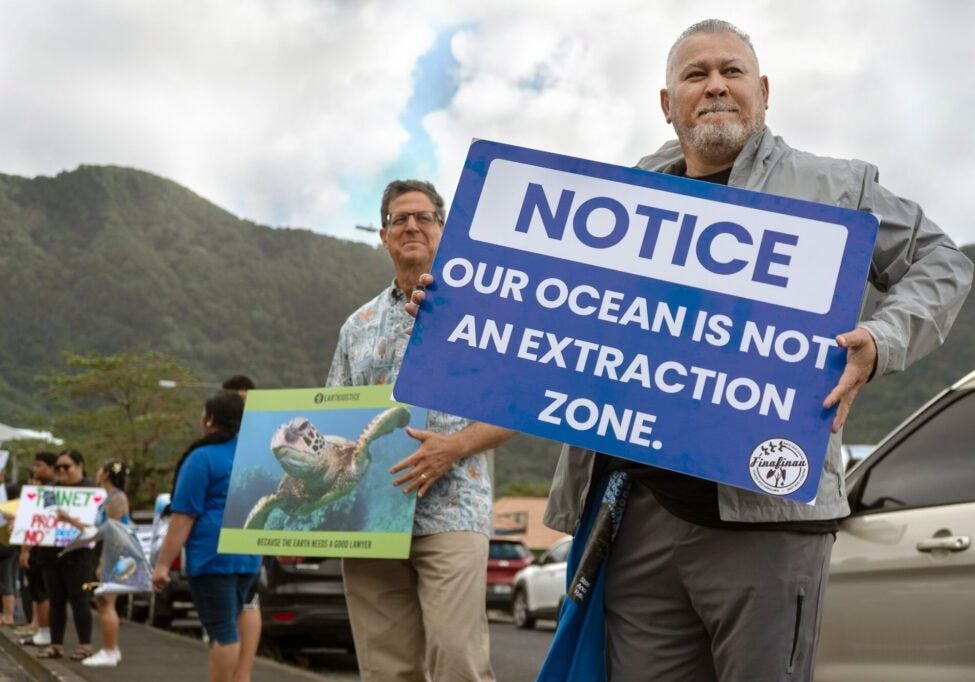
President Trump has issued a proclamation that authorizes commercial fishing in several marine national monuments in the Pacific Ocean that were designated specifically to protect those areas from commercial fishing.
- This includes Papahānaumokuākea Marine National Monument in the northwestern Hawaiian Islands and Rose Atoll Marine National Monument in American Samoa.
- The marine monuments were established without controversy by President George W. Bush, but Trump’s decision to permit commercial fishing practically renders the designation obsolete.
- It’s also illegal under the Antiquities Act, which authorizes presidents to establish national monuments but not to weaken them, and we are preparing to challenge it in court.
In the Courts
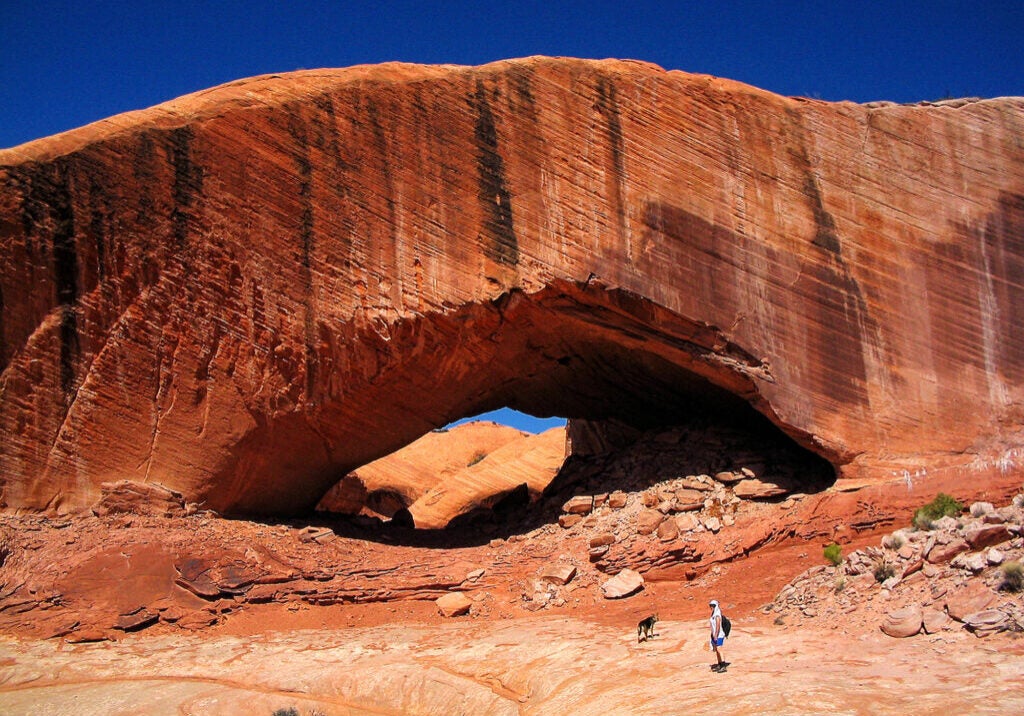
Bears Ears and Grand Staircase-Escalante
The administration has attacked these Utah monuments since its first term.
- We sued the first time it drastically slashed the size of the monuments in 2017.
This summer, President Trump carved up both monuments again, reducing the size of each by about 90 percent.
- The monuments are highly valuable and vulnerable, hosting thousands of archaeological sites among other features.
- We’re challenging this effort in court.
In the Public Sphere
Support for public lands and waters is ubiquitous across party lines. Earthjustice experts, in partnership with Earthjustice Action, are leveraging this momentum, rallying supporters to pressure lawmakers to do better, and garnering press hits in national and local media across the country.
- For example, when Utah Senator Mike Lee threatened Grand Staircase Escalante National Monument with a Congressional attack, Earthjustice and Earthjustice Action collectively drove nearly 300,000 supporters to contact their representatives to oppose the move, which eventually failed.
To counter the administration’s latest attack, together we continue to alert the public through the media and drive supporters to submit comments in favor of monuments protections.
A Future for All Species
Scientists predict nearly 40% of all species on Earth risk extinction by the end of this century if we continue our current rate of consumption.
Earthjustice is working to prevent this grim future by defending imperiled species, focusing especially on those for which conservation efforts also secure habitat for other vulnerable wildlife.
The Key to Fighting the Extinction Crisis
The Endangered Species Act (ESA) is our most important tool for fighting the biodiversity crisis.
Despite the bedrock law’s overwhelming popularity — four out of five Americans support the ESA — the Trump administration is moving aggressively to undermine it.
Earthjustice has defended the ESA and the species it protects for over 50 years. We’re not backing down now.
Extractive industries and their political allies are systematically dismantling species protections piece by piece. We are countering every one of these actions:
In the Courts
Earthjustice immediately filed a lawsuit challenging the administration’s illegal move to cut habitat protections for vulnerable wildlife by rescinding a long-standing regulation that prohibits significant harm to endangered species habitat.
In the Courts
Earthjustice filed a lawsuit days after the administration issued a rule that gives outsize weight to “economic considerations” when determining which habitats are worth protecting.
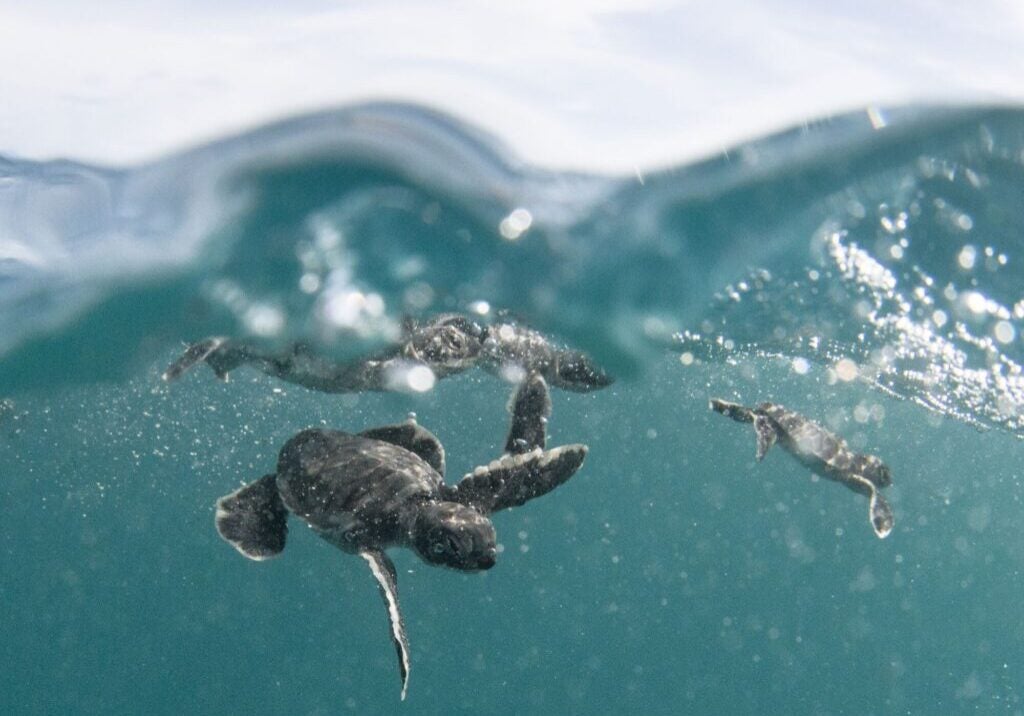
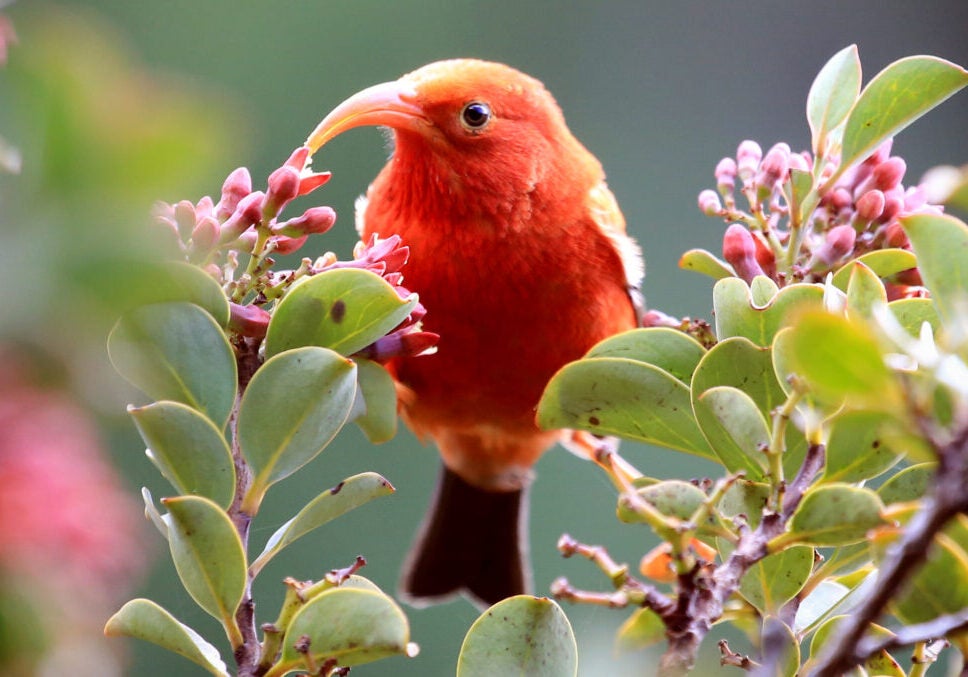
- Green sea turtles, Monarch butterflies, polar bears, sage-grouse, Texas hornshells, and the ‘i’iwi bird are among the many species that could be impacted.
In the Courts
We’ve notified the administration of our plans to challenge a new rule that would undercut protections for species newly listed as “threatened” but not yet meeting the dire status of endangered.
- Currently, once a species is identified as on an early track for extinction, or “threatened,” the ESA provides mechanisms to stop further damage while we still can.
- Under the new rule, species listed as “threatened” could be left effectively unprotected for years.
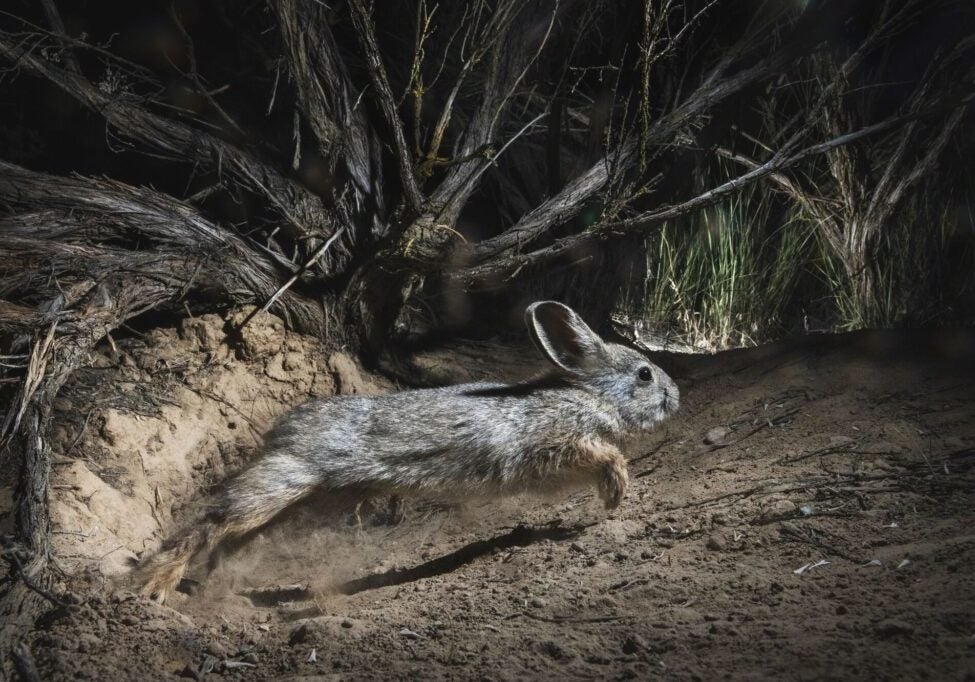
- Imperiled species awaiting a “threatened” designation and in grave need of protection include the Florida manatee, Pygmy rabbit, Aztec Gilia, and Clover’s Cactus.
In the Courts
We’re suing the administration for granting an illegal and reckless ESA exemption to greenlight unfettered fossil fuel drilling in the Gulf of Mexico.
We are building on a track record of wins, even in this incredibly hostile landscape.
In the Courts
This year we won a seven-year legal battle to restore ESA protections that the first Trump administration attacked.
This win reaffirms that federal agencies must use the best available science when assessing harm to species and cannot ignore the “death by a thousand cuts” that threatens many species.
In the Courts
And we returned to court to protect imperiled Columbia Basin salmon after the Trump administration torpedoed a historic agreement to restore the basin’s fisheries.
We won a preliminary injunction that ordered increased water spill over river dams to help improve salmon survival.
In the Public Sphere
On Earth Day, the House of Representatives was set to vote on a bill that aimed to:
- Upend the scientific consultation process that has successfully guided American species protection for over 50 years.
- Significantly slow endangered species listings while fast-tracking the removal of listed species.
- Enable increased exploitation of threatened species while shifting their management from federal agencies to states.
Then advocates across the U.S. spoke up for wildlife. Prompted by Earthjustice as well as by Earthjustice Action, people reached out to their members of Congress about the threat this legislation posed to their local economies, their cultural connections to nature, and to beloved wildlife in every region of the country.
Facing shaky support, House leaders called off the vote. If the bill comes back to the House floor, Earthjustice will again seek partnership with allies, including Earthjustice Action, to rally supporters.
And when the administration announced its plans to strip species of habitat protections, Earthjustice deployed a comprehensive communications package, driving extensive national media coverage and elevating public attention to the issue.
- Earthjustice appeared in over 4,000 media placements, including an NPR exclusive and the front page of The New York Times.
Coho Salmon in West Coast Rivers
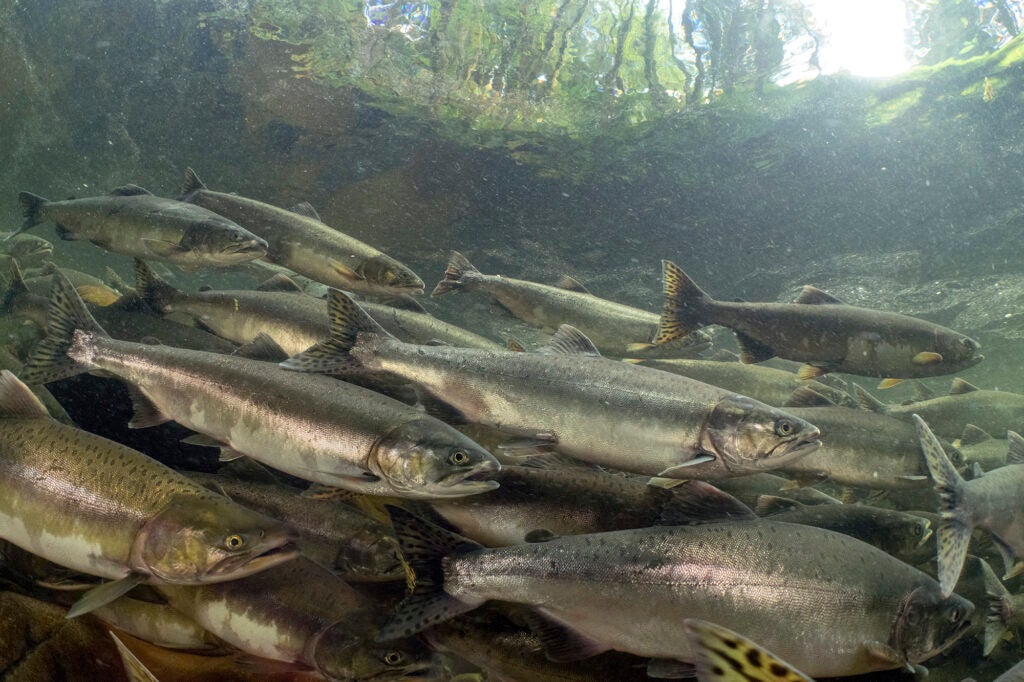
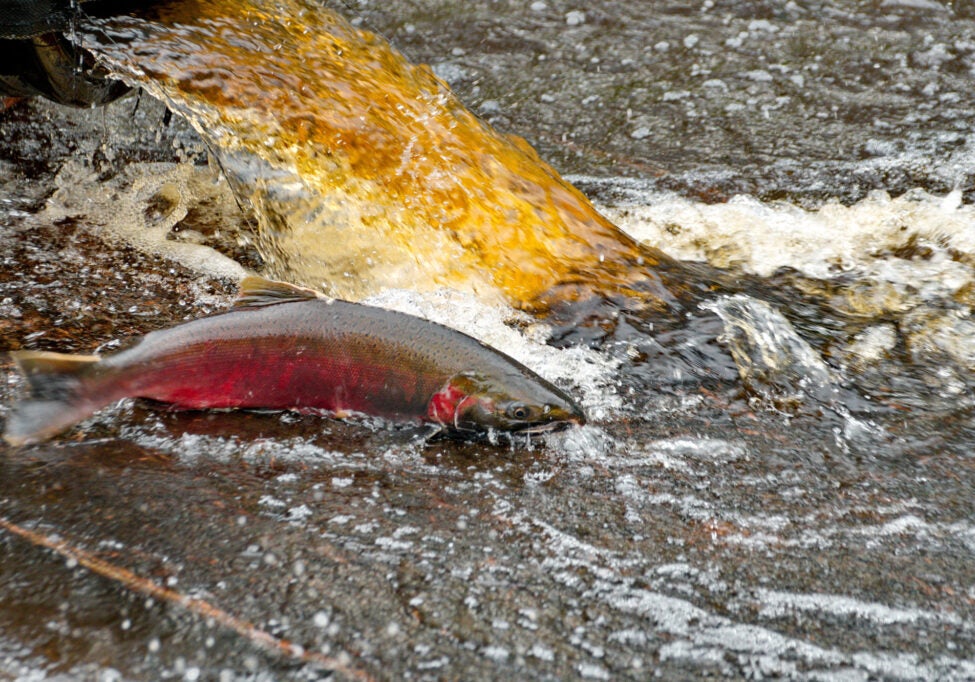
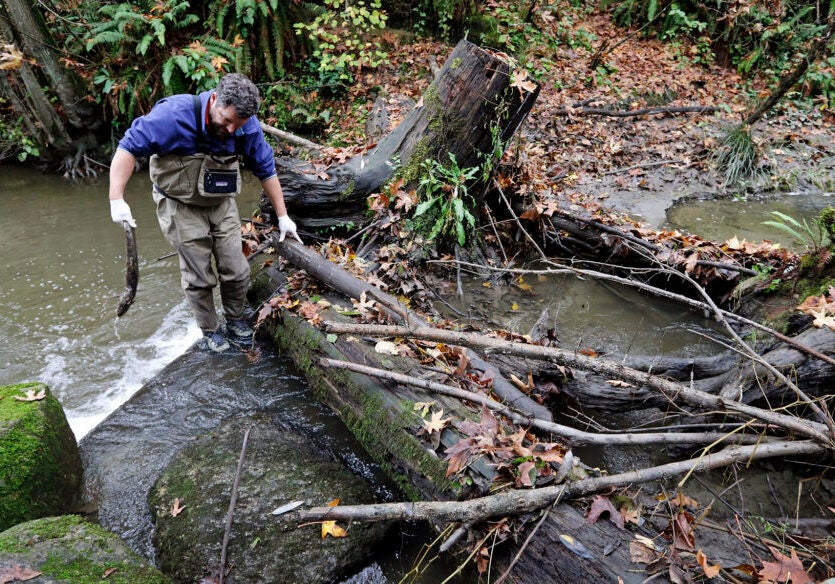
For decades, coho salmon in the Pacific Northwest and Northern California were dying in vast numbers, but nobody knew why.
Finally, scientists found the culprit: a chemical called 6PPD found in rubber tires.
When the chemical interacts with ozone and oxygen during normal tire use, it transforms into 6PPD-Q, one of the most toxic chemicals to aquatic species ever evaluated by the EPA.
Earthjustice is fighting a strategic battle to defend the species and hold polluters accountable.
Earthjustice is fighting to end 6PPD and 6PPD-Q contamination on two fronts:
In the Courts
Suing the Tire Industry to Find a Safer Alternative
In January, Earthjustice went to trial in federal court in our lawsuit representing fishing groups against U.S. tire manufacturers for violating the ESA.
Our small but mighty team faced off with more than two dozen industry lawyers, bringing expert witness testimony from five scientists and presenting a strong oral argument to a packed courtroom.
We await a decision from the court.
In the Courts
Pushing for Federal Regulations
In addition to our lawsuit against tire companies, Earthjustice submitted a petition to the EPA on behalf of the Yurok, Port Gamble S’Klallam, and Puyallup Tribes.
The petition called on the agency to address 6PPD’s risks to human health through the Toxic Substances Control Act (TSCA). And it worked.
The agency granted the TSCA petition, agreeing that it must address the chemical’s risks and acknowledging “the importance of healthy and abundant salmon populations to these Tribes and Tribal treaty rights.”

Thank you
Though the landscape has shifted, Earthjustice is no stranger to pushing against the pendulum swing during difficult political moments, and to pressing forward during good ones.
That we can respond nimbly when threats escalate in these overwhelming times is thanks in no small part to your commitment to Earthjustice and our clients and partners.
Thank you for your unwavering support.
Additional Fights for Our Web of Life
Earthjustice is working on many fronts to protect wildlife and habitats.
Gabby Faʻaiʻuaso for Earthjustice
Deep sea mining
We’ve filed the first lawsuit in the U.S. challenging irreversible efforts to mine the sea floor.

Colorado Parks and Wildlife
Gray wolves
This iconic species is making a fragile recovery in Colorado. We’re defending those efforts and supporting the call for greater protections for wolves across the Western U.S.

Scott Suriano / Getty Images
Grizzly bears
Earthjustice is defending key habitat and preparing to challenge federal attacks on the species.
Brian Lasenby / Shutterstock
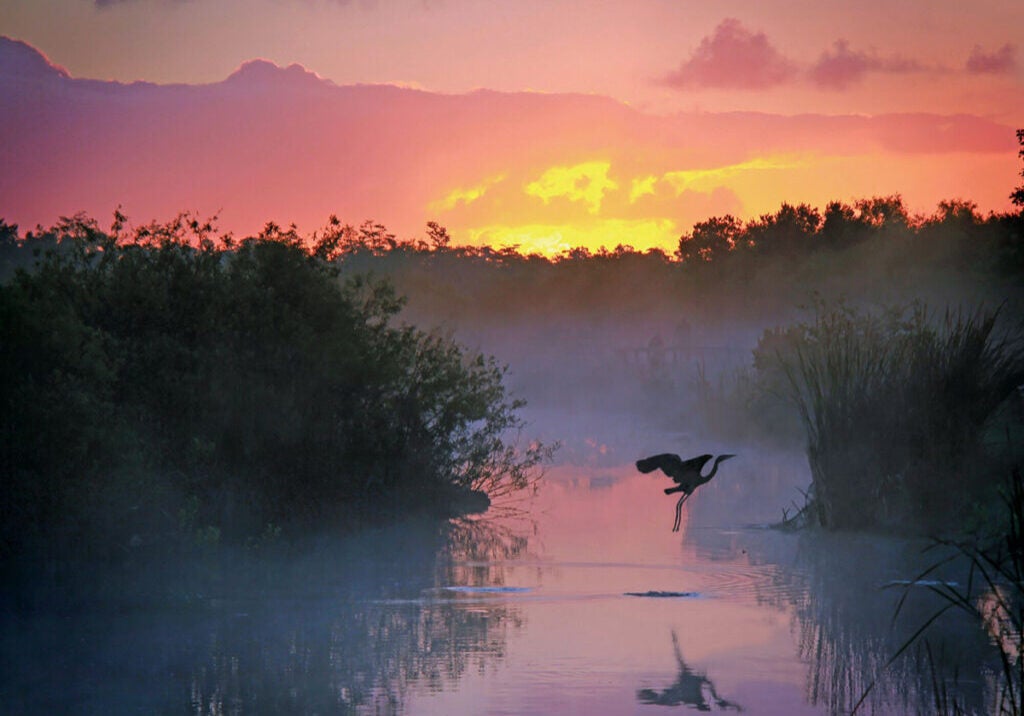
Everglades detention center
The facility shut down after a year of aggressive litigation from Earthjustice and our partners. We’re continuing to hold the government accountable and working to protect the region from further harm.
New Zealand Department of Conservation
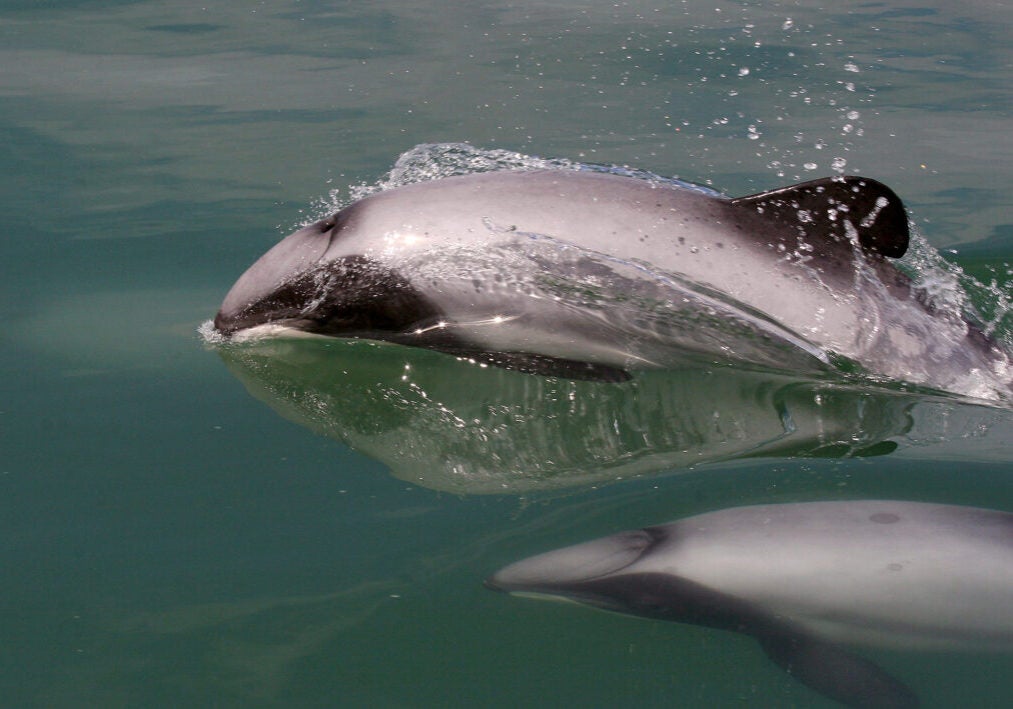
Māui dolphins
Fewer than 50 of these dolphins remain in the world. We are working with conservation groups in New Zealand to compel the U.S. to ban imports of seafood from New Zealand fisheries that catch and kill the critically endangered species.
James R.D. Scott / Getty Images
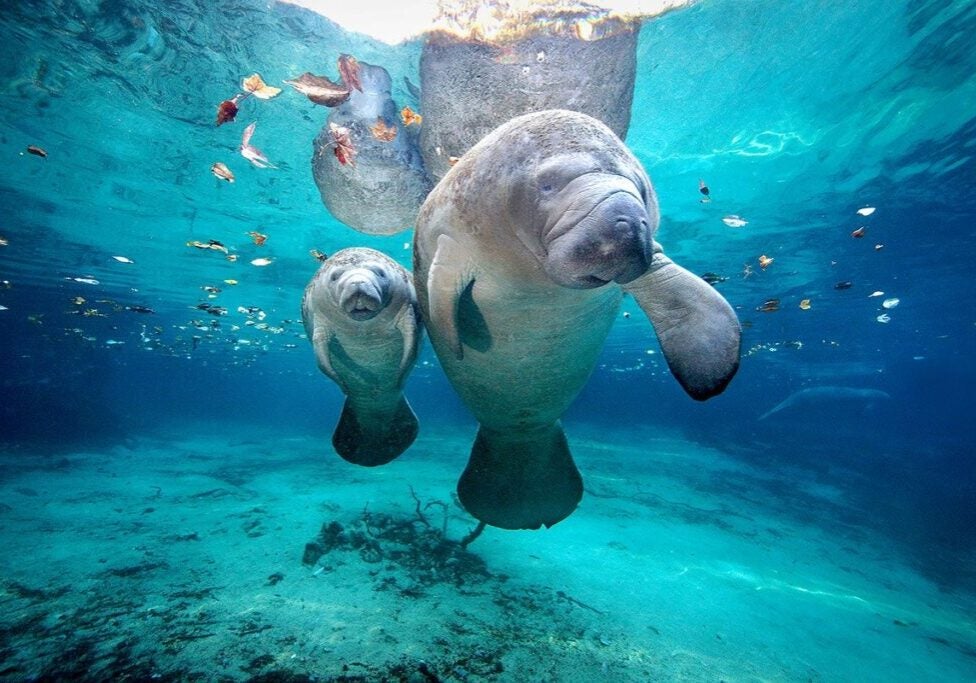
Manatees
We filed a legal brief in support of a Florida manatee case to defend a key principle of the ESA: protecting the habitat that species need to survive. The case could have broad implications for how the public can use the law to protect endangered wildlife.
Zach Stern / CC BY-NC-ND 2.0
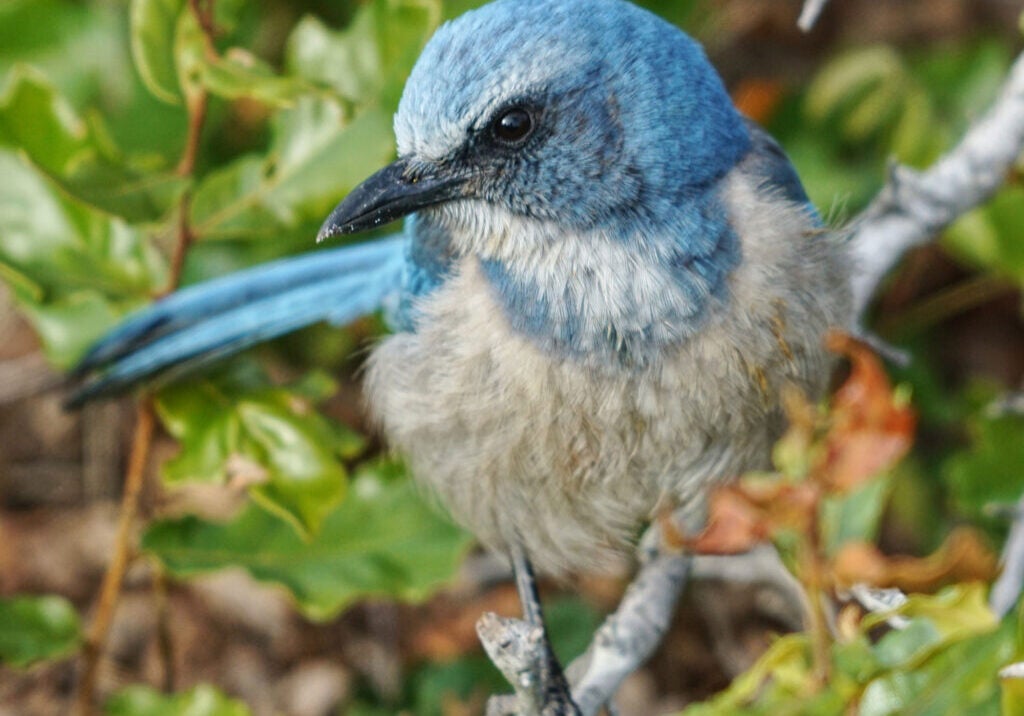
Florida Scrub-Jays
Earthjustice is countering an attempt to declare protections for this endangered species unconstitutional because the birds reside only in Florida and are thus not part of interstate commerce. This disturbing interpretation is intended to fast-track development and could impact other similarly situated species.