

Montana Groups File Appeal Over Bull Mountains Coal Mine AM6 Expansion
Groups claim Montana DEQ failed to analyze impacts to, water, agriculture, wildlife, climate and the community
Contacts
Perry Wheeler, Earthjustice, pwheeler@earthjustice.org
Derf Johnson, MEIC, djohnson@meic.org
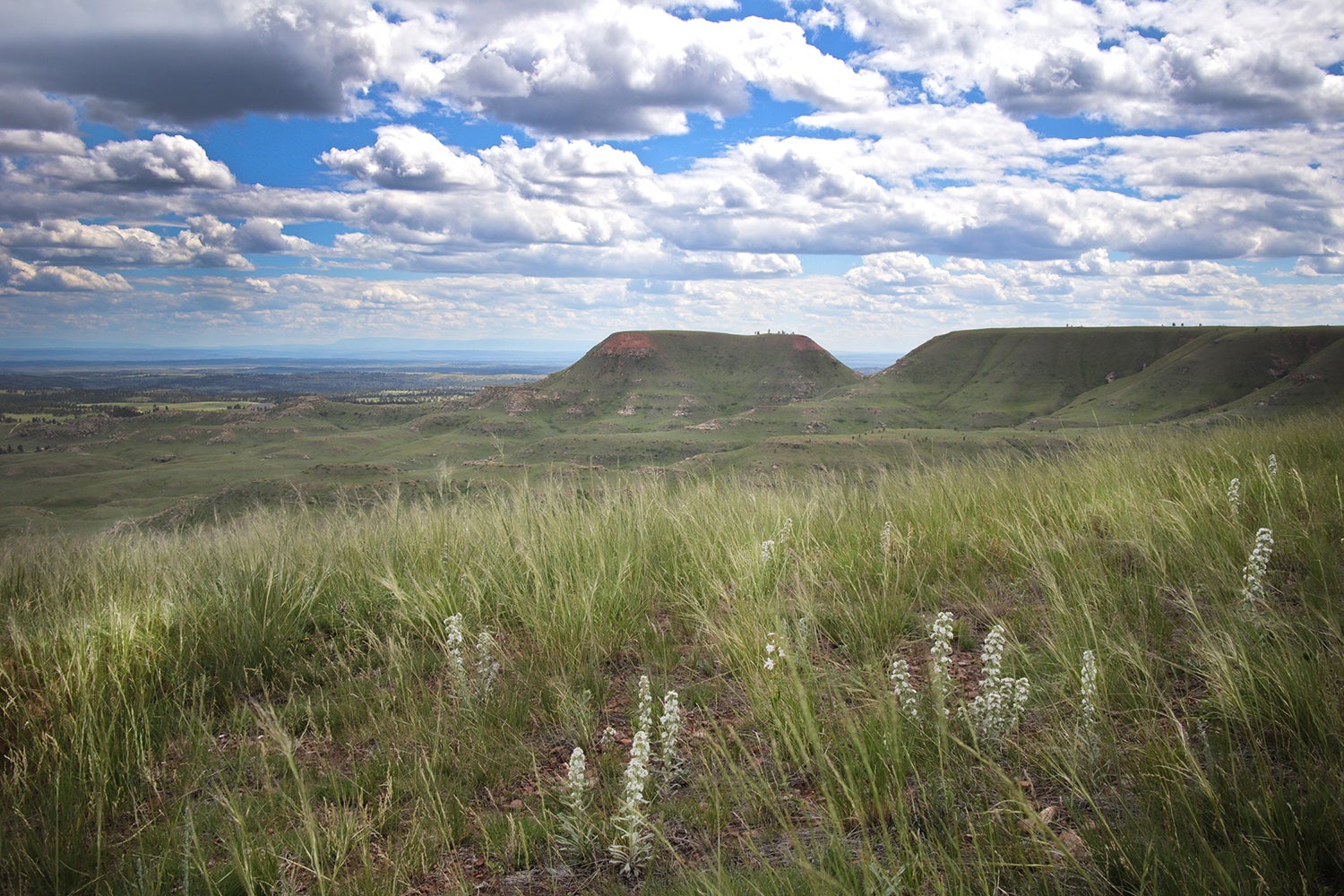
Several Montana groups today appealed a District Court decision that failed to address the harmful impacts of the Bull Mountains Coal Mine’s AM6 expansion. The groups claim that the Montana Department of Environmental Quality did not adequately analyze the impacts of the mine on water quality and quantity, wildlife, ranching, climate change, and the surrounding community. With their appeal, the groups seek to force DEQ to complete an analysis that acknowledges and mitigates the profound impacts Signal Peak’s mine is already causing to the Bull Mountains area and the cumulative impacts that will occur because of the expansion.
“Montana DEQ has done nothing but rubber stamp any request the mine has made even if it violates federal and state regulations,” said Tom Baratta, former chair of Bull Mountain Land Alliance and local landowner whose property sits next to the mine. “DEQ has used questionable and faulty research to push through an ill-informed assessment allowing mining to continue to damage land and water. DEQ is not upholding their mission to ‘champion a healthy environment for a thriving Montana.’ This is not only about protecting the Bulls, but also about asking for accountability and fairness.”
The Bull Mountain Land Alliance, Northern Plains Resource Council, and Montana Environmental Information Center, represented by Earthjustice, filed suit over Montana’s approval of the expansion in September 2024. The groups argued DEQ violated Montana’s bedrock environmental law, the Montana Environmental Policy Act, when it issued the expansion permit. The groups are confident DEQ’s analysis ignored the significant impacts to local resources that would exacerbate harm already done to local springs, wells, property, and livelihoods. District Court Judge Jessica Fehr ruled against the plaintiffs in late December, prompting today’s appeal.
“The Bull Mountains and its essential water resources should not be a sacrifice zone for the coal industry,” said Derf Johnson, deputy director of the Montana Environmental Information Center. “Montana’s laws and constitution and laws are clear: water must be protected, even if it’s going to cost the coal industry money.”
A 2023 New York Times report outlined a deeply troubled history at Signal Peak’s Bull Mountains Mine. Regulators have repeatedly found violations of worker safety and environmental safeguards connected to the mine’s past operations.
“After decades of failed attempts in the U.S. and elsewhere, longwall mining operations have proven unable to demonstrate successful reclamation of lost or damaged water sources,” said Pat Thiele, member of the Bull Mountain Land Alliance and a Roundup resident who lives just outside the mine. “Expansion of the Bull Mountains mine will inevitably make a desert of a productive cattle range.”
Signal Peak has destroyed vital water resources above the mine and has forced local ranchers out of the Bull Mountains. Ranchers and wildlife in the Bull Mountains depend entirely on the 0.1% of the area that contains springs, wells, and ponds. Recent research shows the mine cannot replace even 1% of the water that the mine is draining from the Bull Mountains, even though DEQ is required to develop a plan for water replacement. Surface subsidence (cave-ins) from the underground mine has also torn cracks and crevasses through the Bull Mountains, causing springs and wells to go dry and imperiling all who use the area. Additionally, in an admitted effort to evade reclamation obligations, Signal Peak has canceled ranchers’ leases and harassed them to the extent that some have abandoned ranching in the area.
“We will continue fighting for the landowners and community impacted by this lawless mine until the harm it is causing is lawfully disclosed and appropriately mitigated,” said Shiloh Hernandez, senior attorney with Earthjustice’s Northern Rockies Office. “Signal Peak’s mine not only harms groundwater, the environment, and wildlife, but the company has repeatedly bullied and harassed ranchers and landowners in the area to force them off the land. The law requires the Department of Environmental Quality to be honest with the surrounding community about the extent of damage this coal mine is causing. That honest disclosure is what we’re seeking through our appeal.”
Conservation groups also recently challenged the Trump administration’s approval of the Bull Mountains Mine’s AM3 expansion. The U.S. Office of Surface Mining approved the expansion last June without releasing a draft environmental impact statement to the public, citing the Trump administration’s energy emergency order to force the project through without public input. In their filing, the groups note that there is no energy emergency, and even if there were, this expansion wouldn’t help to address it because virtually all coal from the mine is shipped overseas.
Additional Resources
About Earthjustice
Earthjustice is the premier nonprofit environmental law organization. We wield the power of law and the strength of partnership to protect people's health, to preserve magnificent places and wildlife, to advance clean energy, and to combat climate change. We are here because the earth needs a good lawyer.