

Congress Tweaks Permitting Bill, But Deal Remains Fatally Flawed
Earthjustice is urging senators to come back in the new year and give these reforms the full attention they require.
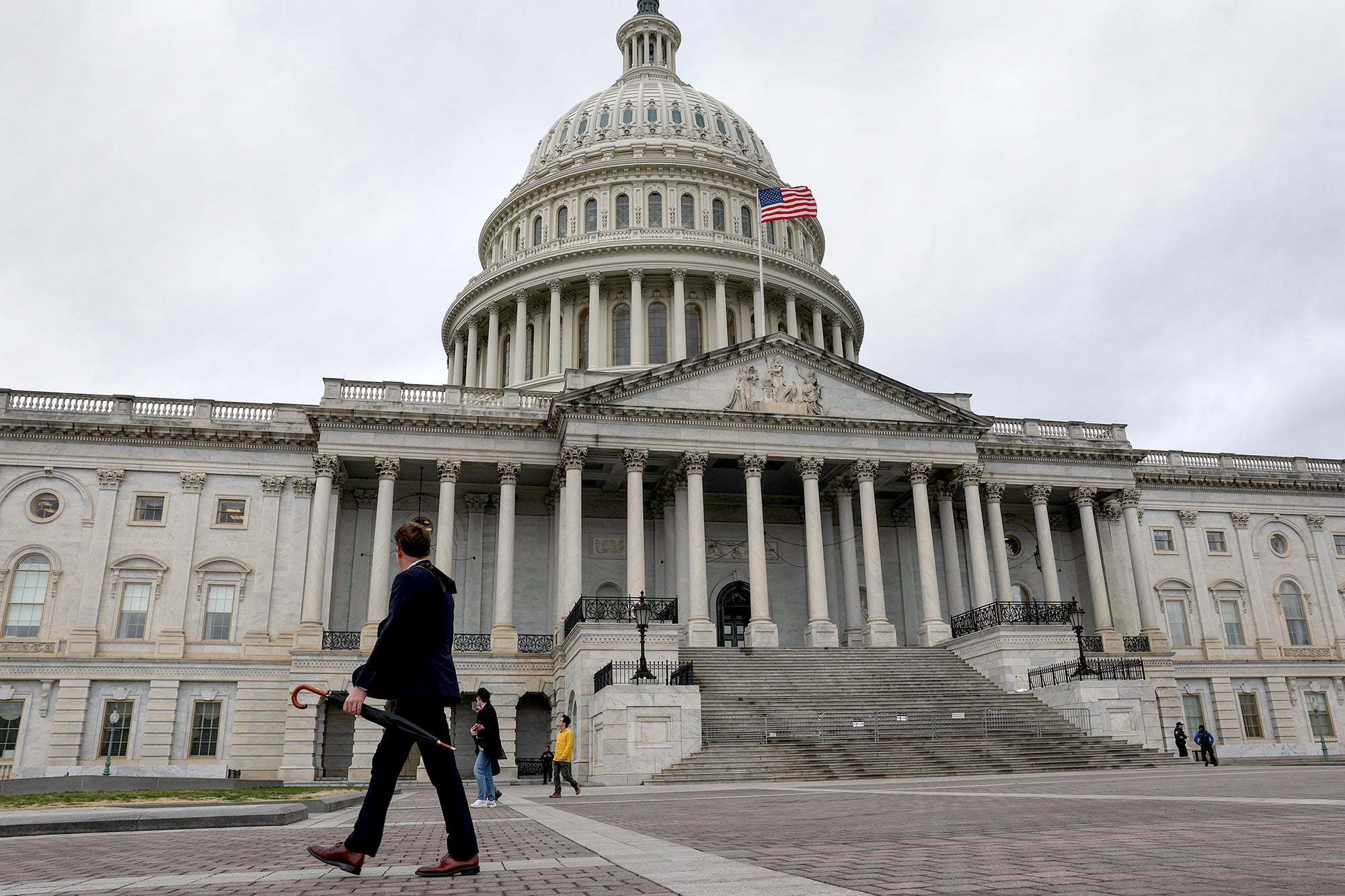
What’s happening: Senators released a last-minute amendment to the Bipartisan American Affordability and Jobs Act, aka the permitting bill. While the changes include some improvements, they fail to address core problems.
Why it matters: As we’ve written before, the Trump administration’s playbook is to move fast and break things. This version of BAAJA would still turbocharge that playbook. It would enable presidents to rush through deeply harmful projects, and it would constrain future presidents from repairing the damage. It also fails to provide fixes that fully honor Tribal sovereignty and restore basic protections for water, wetlands, and species.
The Senate is scheduled to vote on BAAJA this week. Earthjustice is urging senators to shelve this version, then come back in the new year and give these reforms the full attention they require.
What the Amendment Does and Doesn’t Do
Project Certainty
What BAAJA originally said: The “project certainty” provision of BAAJA would make it harder to reverse presidential decisions to develop special places like Chaco Canyon, the Arctic National Wildlife Refuge, Bears Ears, and the Boundary Waters.
What the amendment does: One fatal flaw has not been fixed: Section 1401 of the bill would still give the Trump administration very broad authority to fast-track projects of all kinds (not just clean energy projects). And, it would still constrain future administrations from reconsidering them – even if they were granted illegally.
The amendment adds some extremely vague language about exceptions to Section 1401. This change creates greater uncertainty about how courts would interpret the law’s novel provisions while leaving the “forever permits” issue unfixed.
National Environmental Policy Act
What BAAJA originally said: BAAJA effectively nullifies NEPA, a bedrock environmental law that gives the public a voice in environmental decisionmaking. It would prohibit courts from issuing any meaningful relief to address NEPA violations.
What the amendment does: The amendment makes only minor technical fixes that clarify gray areas and address isolated conflicts. Under this version of BAAJA, a federal agency could file a one-sentence long “Environmental Impact Statement” for a project and a court would not have any power to vacate a permit or halt the project. The amendment also exempts additional types of projects from NEPA review.
Clean Water Act
What BAAJA originally said: BAAJA weakens the Clean Water Act in a variety of ways. It would make it easier for industry and developers to fill wetlands and other waters rather than pursuing other available alternatives. It seriously limits states’ and Tribes’ authority to protect their waters from harmful federal projects. And it extends the duration of water pollution permits, meaning that permitting authorities would have to wait longer before mandating new techniques for treating hazardous water pollutants like PFAS.
What the amendment does: The amendment makes no substantial improvements to the Clean Water Act provisions of BAAJA.
Endangered Species Act
What BAAJA originally said: BAAJA includes multiple provisions that would undermine endangered species protections. The federal government has a core duty to ensure its actions will not jeopardize imperiled wildlife, but BAAJA would allow it to delegate this duty to states. Most states lack the resources and expertise to play this role. They would be susceptible to pressure from powerful industries to prioritize the industries’ economic interests over species protection. The bill would also compromise the ESA’s requirements to base decisions on the best available science.
What the amendment does: Under the amendment, the federal government must revoke state power to conduct ESA reviews if a state performs this duty inadequately. However, this fix is insufficient. The federal government would still face major political disincentives to revoke a given delegation, and the state could still challenge the revocation and litigate the adequacy of its performance.
The amendment would leave the definition of “best available science” compromised. It also introduces an even more complicated system for determining which courts review biological opinions, creating the potential for intercourt conflict. (A biological opinion is an agency’s assessment of whether a proposed federal action will harm an endangered species.)
Clean Energy
What BAAJA originally said: The bill’s transmission and grid provisions were well-designed to speed up approval of new transmission lines, modernize the grid, and maximize existing grid capacity.
What the amendment does: The amendment strengthens certain provisions and weakens others. It eliminates provisions that would speed up permitting with parallel state and federal review, which could have delivered efficiencies and time savings. It also eliminates planning requirements in areas that lie outside Regional Transmission Organizations, effectively excluding the southeast U.S. from these mandates.
When it comes to distributed energy resources – technologies that provide power close to where they are used – the amendment partially but not fully addresses concerns from environmental groups. Finally, it adds completely new sections on nuclear fuel cycle licensing, which include provisions with very serious environmental, health, and safety implications.
The Bottom Line
We deeply appreciate the extraordinary work that has been done to create an excellent legislative package for transmission and grid reform. Building new transmission is a terribly urgent imperative. But it is not the only imperative over the next two years. We can and must build what we need without trading off the essentials.