

3 Ways We’re Keeping Trump from Raising Electricity Bills Further
Earthjustice has won some key victories, including the first court case challenging the Trump administration’s abuse of emergency powers for coal.
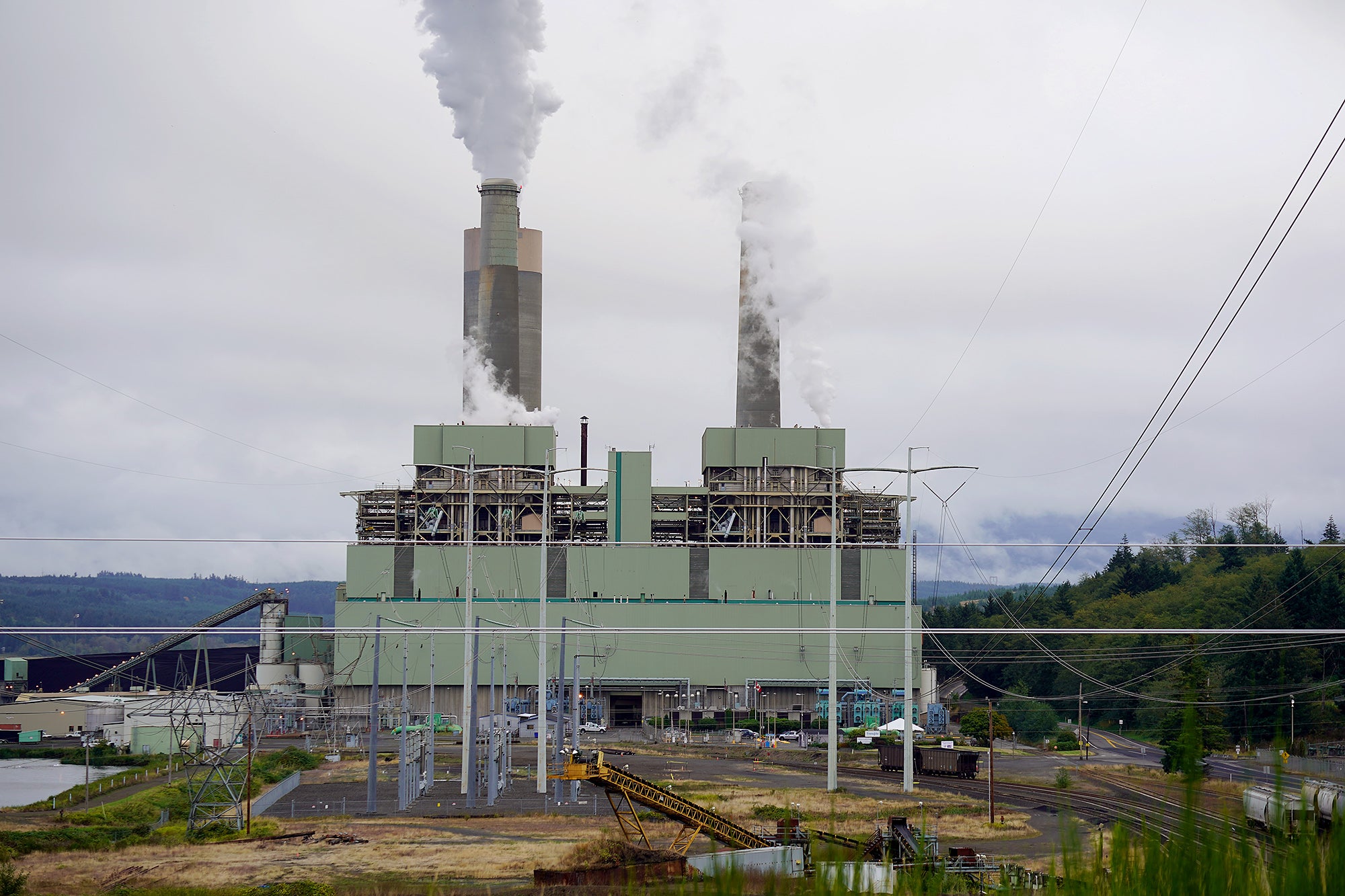
Electricity bills are rising, and Trump is making it much worse.
For the last 20 years, electricity demand remained fairly flat, but now demand is surging, driven partly by artificial intelligence companies building data centers. Meanwhile, we are facing the unavoidable costs of modernizing our aging electricity system built decades ago and increasingly strained by extreme weather driven by climate change.
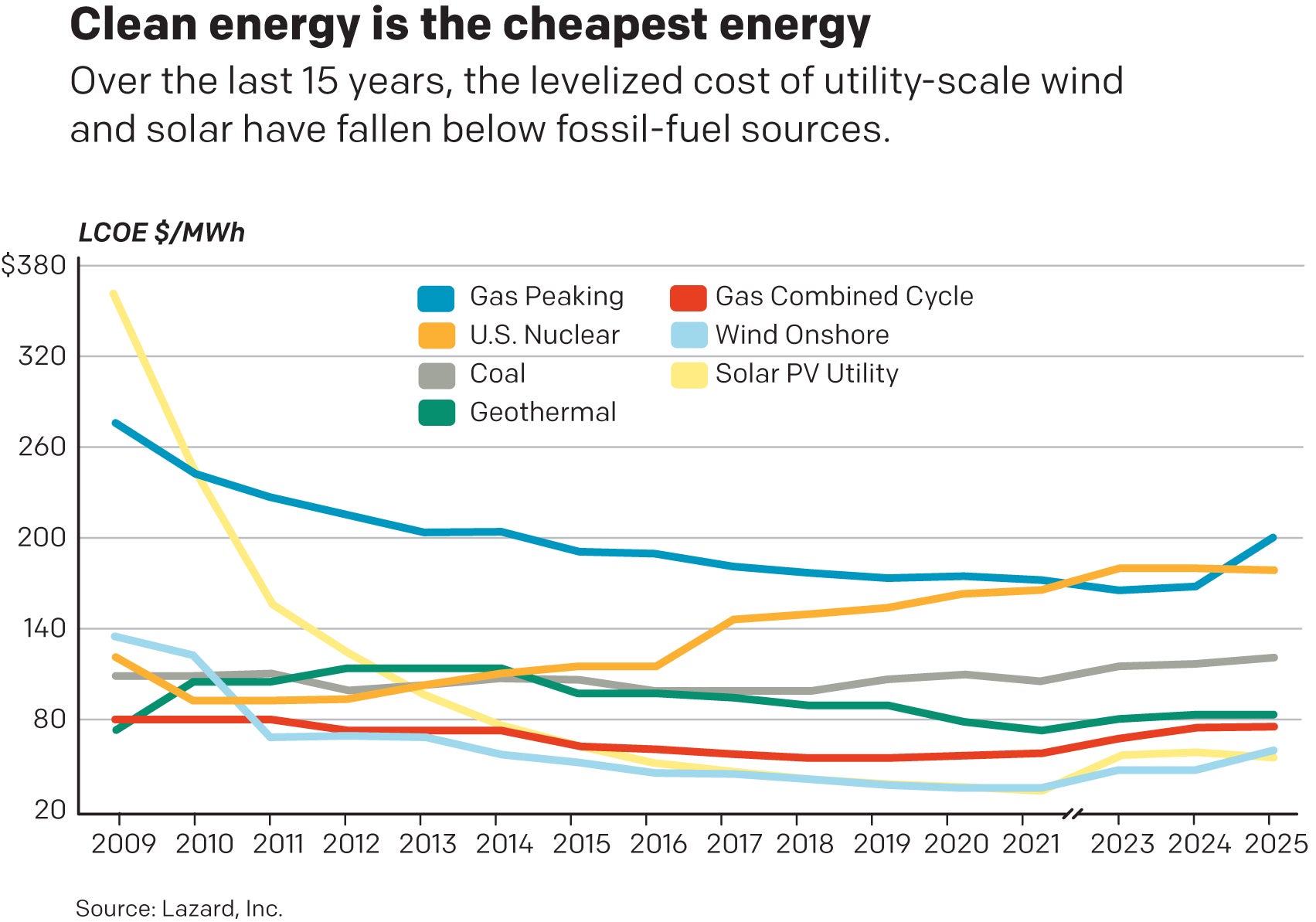
Clean energy is the cheapest and fastest way to meet rising electricity demand. But the Trump administration is taking a much more expensive, much more polluting approach by propping up fossil fuels.
Earthjustice is fighting to keep the United States on the path to a cleaner, cheaper energy future. We are already starting to notch some big victories.
Challenge #1: Trump is using AI as an excuse to push fossil fuels
The Trump administration is using AI and data centers’ projected energy demands as an excuse to gut environmental protections and force coal plants to keep running. We need to upgrade our grid with clean energy and ensure tech companies pay their fair share instead of raising electricity rates.
Utilities are rushing to build new gas-fired power plants to serve massive data centers, which can often use as much power as a city. Your utility is paying up front for the immense costs of building those polluting power plants for the highly speculative AI industry.
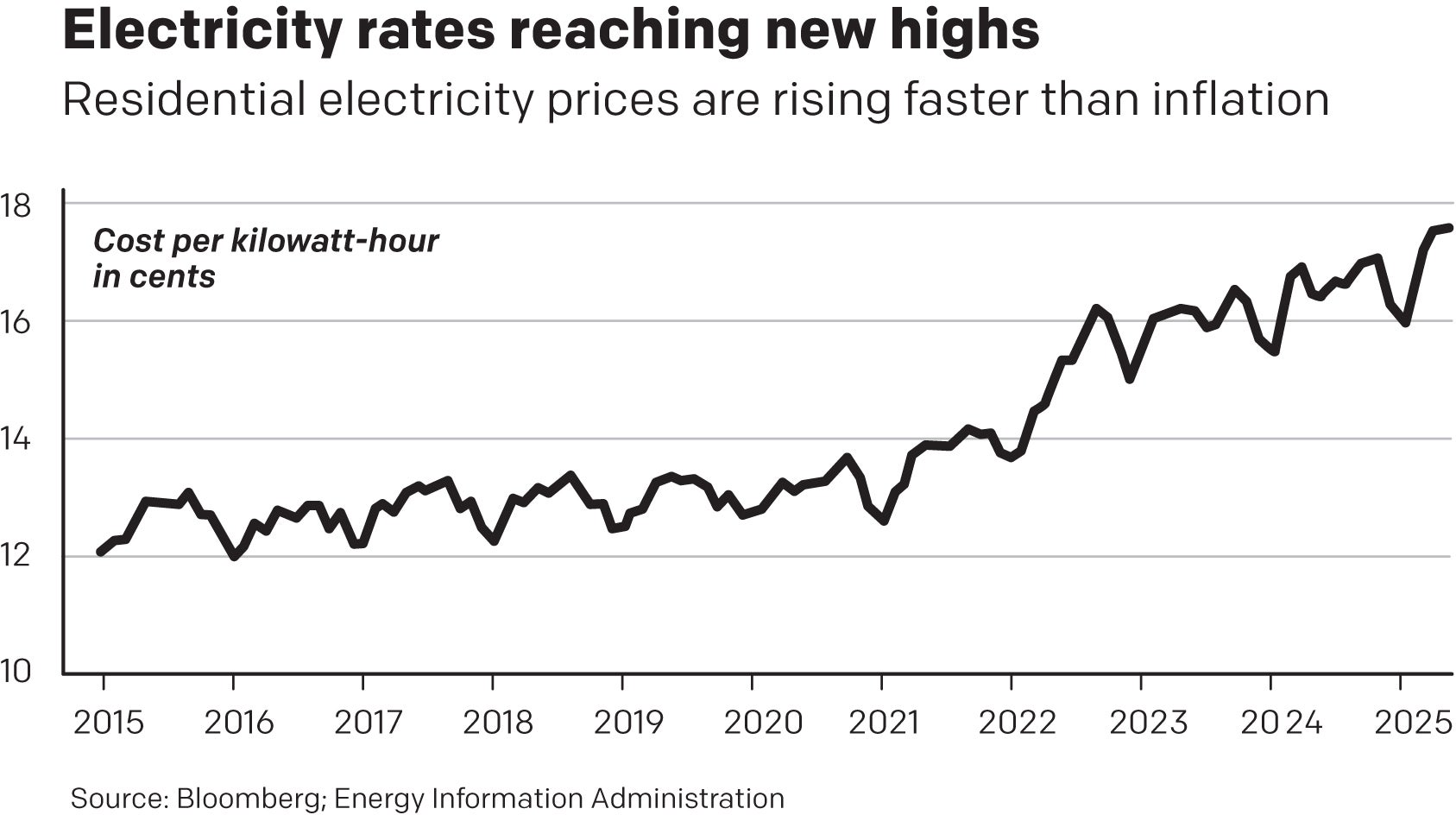
Generations of customers could be on the hook for paying off those balances, unless utilities and regulators implement important protections.
This spring, we helped organize over 100 groups to send a letter opposing a congressional bill that would have exempted data centers nationwide from undergoing an environmental review.
Hours after we delivered the letter to Congress, the bill was dropped.
Earthjustice has also been representing communities opposing polluting power and AI data center development in New York, New Jersey, Florida, Mississippi, Louisiana, and Washington. In New York, our advocacy contributed to a first-in-the-nation, statewide moratorium on discretionary permitting of AI data centers.
Challenge #2: Trump is forcing aging, expensive coal plants to keep operating past their planned retirements
We are at the point where it would be cheaper to install local solar and wind power rather than continue running 99% of coal-fired power plants, according to calculations from 2021.
But Trump’s Department of Energy is issuing sham “emergency” orders to override decisions by power plant owners and state utility regulators to retire uneconomic fossil-fuel power plants. The administration has issued successive 90-day emergency orders to keep open six coal-fired plants that were due to retire.
Earthjustice is taking the Trump administration to court over this issue. In September, a court ruled against the administration’s abuse of emergency powers when it forced the aged-out Campbell coal plant in Michigan to continue operating past its planned retirement.
“The court rejected the Department of Energy’s use of emergency authority for the initial order, and agreed with our interpretation that emergency authority is to be used for actual emergencies,” said Michael Lenoff, lead attorney for Earthjustice on the case.
The court’s decision comes months after Michigan’s largest utility said that complying with DOE’s orders keeping the Campbell plant in operation cost more than $248 million. That bill is to be paid by electricity customers across 11 states. Similarly in Washington state, the cost of the initial 90-day order for the Centralia coal power plant was $20 million.
If the Trump administration gets its way, American households will be paying for this extremely costly decision in their electricity bills. Coal is not only the most polluting and carbon-intensive source of energy — it’s also expensive.
Challenge #3: Clean energy is cheaper than coal, but Trump is canceling clean energy projects
The costs of renewable energy like solar and wind paired with batteries have been falling for years as the technologies matured. Now, these forms of clean energy are among the cheapest ways to generate reliable electricity.
This should be great news for everyone who pays an electricity bill each month. But the Trump administration has been cancelling funding and blocking permits for solar and wind projects and transmission work that is needed to bring clean, cheap power to the grid.
In December, a judge struck down a Trump ban on new federal permits for wind energy, siding with Earthjustice and our partners. Federal judges have now ruled against five of the Trump administration’s attempts to halt construction on wind farms along the East Coast.
The president is playing politics — supporting his fossil fuel agenda rather than allowing for fair competition that would benefit all Americans.
Earthjustice attorneys are fighting efforts before the Federal Energy Regulatory Commission to fast-track expensive new gas plants over clean energy projects like wind, solar, and batteries that have been waiting years to connect to the grid.
In July, we won a major victory in court. This ruling upheld the Commission’s order that grid operators and utility companies must modernize their policies to connect new energy projects to the grid faster. Most new energy projects are wind, solar, and energy storage, so this win will speed the deployment of clean energy.
Our attorneys also appear before public utility commissions across the country to make the case for clean energy and successfully argue against utilities’ proposed rate hikes for dirty, polluting power plants.
Your tax-deductible donations to Earthjustice power this work. Thank you.
Originally published on November 5, 2025. Updated to note recent Earthjustice wins. Bala Sivaraman contributed writing.
Earthjustice’s Clean Energy Program uses the power of the law and the strength of partnership to accelerate the transition to 100% clean energy.