Posts tagged: water

unEARTHED. The Earthjustice Blog

water


    SIGN-UP for our latest news and action alerts:
   Please leave this field empty

Facebook Fans

Featured Campaigns

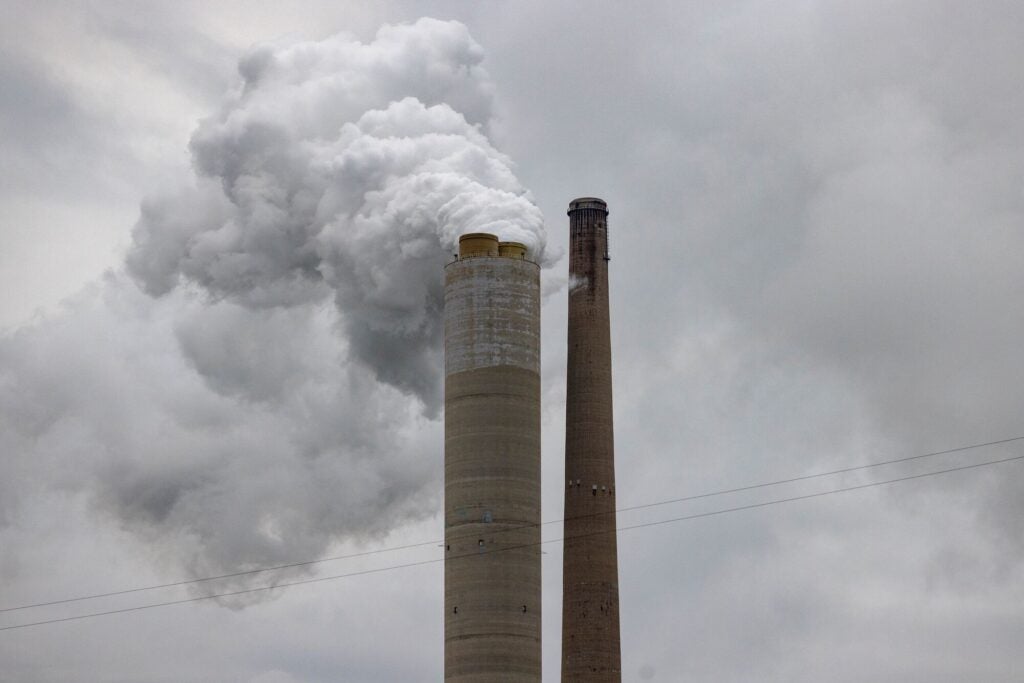
Everyone has The Right To Breathe clean air. Watch a video featuring Earthjustice Attorney Jim Pew and two Pennsylvanians—Marti Blake and Martin Garrigan—who know firsthand what it means to live in the shadow of a coal plant's smokestack, breathing in daily lungfuls of toxic air for more than two decades.

Coal Ash Contaminates Our Lives. Coal ash is the hazardous waste that remains after coal is burned. Dumped into unlined ponds or mines, the toxins readily leach into drinking water supplies. Watch the video above and take action to support federally enforceable safeguards for coal ash disposal.

ABOUT EARTHJUSTICE'S BLOG

unEARTHED is a forum for the voices and stories of the people behind Earthjustice's work. The views and opinions expressed in this blog do not necessarily represent the opinion or position of Earthjustice or its board, clients, or funders.

Learn more about Earthjustice.

View Tom Turner's blog posts
04 June 2009, 10:50 PM
 

Back in my early days at Earthjustice I got into an argument with a colleage that has stuck with me ever since. She (no names) observed that if we—the movement in general—conceded that restoration of damaged ecosystems is possible that we'll never be able to protect forests, wetlands, parks and the like because developers could simply say they'll eventually restore the land to its former glory.

In fact, we have a case before the Supreme Court at this very moment, where a mining company says not to worry that its tailings will kill all life in Lower Slate Lake in Alaska—they'll put it all back together, better than ever, when the mine eventually closes.

Sure. And what's lost in the mean time?

View Tom Turner's blog posts
28 May 2009, 2:09 PM
 

A press release came across my screen Wednesday afternoon announcing that a judge had found that Glen Canyon dam's operating scheme is illegal, since it doesn't do enough to protect endangered fish in the river.

That's putting it mildly.

That dam destroyed the most beautiful, spectacular canyon country on the face of the earth. Or if not destroyed permanently, certainly ruined it for those of us living now and for many generations into the future. The gentle wilderness of Glen was simply unmatched anywhere, its sandstone grottoes and fern draped side canyons. Some of us were lucky enough to have seen it before the waters of what Ed Abbey called "Lake Foul" buried Glen under hundreds of feet of water and began filling it with silt.

View Jessica Lawrence's blog posts
27 May 2009, 1:53 PM
 

Wildlife Quiz: What river valley has the most important habitat for grizzlies, wolves, wolverines and lynx in the Rocky Mountains?

Hint: The river forms the western boundary of Glacier National Park, and straddles the Canadian/US border between British Columbia and Montana.

Answer: The Flathead River.

The Flathead was recently named British Columbia's most endangered river, and the fifth most endangered river in the United States.

Why? British Columbia's land use plan ensures that mining for coal and minerals can trump all other land uses in the Flathead valley.

View Jared Saylor's blog posts
26 May 2009, 3:51 PM
 

Have you been following our Name That Fish contest? As part of our Cleaning Up Mercury, Protecting Our Health campaign, we just rechristened the Bluefin Tuna as “Blue Infection Tuna.” The timing couldn't be more perfect... a new Federal study was just released this month on the alarming mercury levels in tuna and other fish in the Pacific ocean.

YubaNet.com reports:

A landmark study by scientists from the U.S. Geological Survey (USGS) and universities in the U.S. and Australia has, for the first time, documented how escalating mercury-laden air emissions, chiefly from coal-fired electrical power plants in Asia, are being transformed into methylmercury, a potent neurotoxin that is increasingly polluting the North Pacific Ocean and contaminating tuna, swordfish and other popular seafood.

2 Comments   /   Read more >>
View Sam Edmondson's blog posts
06 May 2009, 4:33 PM
 

As part of our campaign to clean up sources of toxic mercury pollution, we experimented with Google Earth to tell the story of how pollution from cement kilns is hurting local communities. Below is a video we produced that features two cement kilns right along the water in Seattle, WA.

Let's get a quick show of hands: How many of you have lost hours at work living out your flying fantasy in Google Earth? Well, me too.

3 Comments   /   Read more >>
View Jared Saylor's blog posts
01 May 2009, 12:59 PM
 

We've told you about the dangers of eating mercury-contaminated fish. Today, the US Geological Survey released a comprehensive study linking the mercury emissions from smokestacks here in the US and abroad, and the contamination of fish like tuna and other marine life in the Pacific Ocean. According to the NY Times and Greenwire:

The study documents the formation in the North Pacific of methylmercury, a highly toxic form of mercury that rapidly accumulates in the food chain to levels that can cause serious health concerns for people who consume seafood. Scientists have known for some time that mercury deposited from the atmosphere can be transformed into methylmercury, but the study focuses on how that transformation occurs.

USGS showed that methylmercury is produced in mid-depth ocean waters by processes linked to "ocean rain." Algae, which are produced in sunlit waters near the surface, die quickly and rain downward to greater water depths. The settling algae are decomposed by bacteria and the interaction of this decomposition process in the presence of mercury results in the formation of methylmercury.

Many steps up the food chain later, predators like tuna receive methylmercury from the fish they consume, the study shows.

EPA Administrator Lisa Jackson said, "This study gives us a better understanding of how dangerous levels of mercury move into our air, our water, and the food we eat, and shines new light on a major health threat to Americans and people all across the world."

Just last week, the EPA proposed significant cuts in cement kiln mercury emissions (up to 16,000 pounds a year), and we’re hopeful they will continue this leadership when they work to cut mercury from coal-fired power plants sometime in the future.

Mercury is a neurotoxin especially dangerous to young and unborn children, and women of childbearing age are often warned to limit their consumption of contaminated fish (like tuna, shark, walleye, or wild striped bass).

View Terry Winckler's blog posts
30 April 2009, 2:44 PM
 

Grins are breaking out in Colorado because of a court decision this week that stymies oil and gas drilling on New Mexico's Otero Mesa grasslands.

The 10th Circuit Court ruled that drilling could not proceed on the Mesa because the Bureau of Land Management violated the National Environmental Protection Act with its leasing plan. In short, the court said, the plan failed to consider impacts on habitat, species and water, and didn't look at alternatives.

It's a major victory for Earthjustice and its allies, who've been fighting the plan in court since 2005.

1 Comment   /   Read more >>
View Jared Saylor's blog posts
29 April 2009, 12:45 PM
 

We've been seeing some great coverage of the EPA's plan to cut mercury from cement kilns. Lots of bloggers have taken notice. Here are a few posts about our mercury campaign from around the blogosphere:

Treehugger wrote:

I doubt if any other nation regulates mercury emissions from cement kilns the way USA is about to. USEPA's just-announced progress on this front took a decade of work, several lawsuits by activists, a new EPA Administrator willing to obey the law, and a new Congress that doesn't (yet) bow to lobbyists and interfere with EPA. With all that build-up, the new, final USEPA cement kiln mercury control regulation is indeed a "sea change."

The New York Times Green Inc. Blog said:

James Pew, a lawyer with Earthjustice, an environmental law firm that had sued the E.P.A. on behalf of the Sierra Club after the agency missed a 1997 deadline to issue new emissions rules for the cement industry, said, "It's a very toothy law that will force all cement plants to meet the highest standards of pollution control."

View Susan Britton's blog posts
22 April 2009, 11:44 AM
 

Rocket fuel in powdered infant formula? Sounds like a parent's nightmare, but it's true.

In a study published last month, the Center for Disease Control reported finding perchlorate contamination in all 15 of the formulas it studied. The military's fuel of choice for rockets and other explosive ordnance since the 1940s, perchlorate is a thyroid toxin that causes neurological defects in fetuses and infants.

CDC did not disclose the brands it tested, but the two with the highest perchlorate concentrations represented 87 percent of the US infant formula market. So if you're a powdered formula consumer, odds are you've bought the most seriously contaminated stuff.

2 Comments   /   Read more >>
View Trip Van Noppen's blog posts
22 April 2009, 10:28 AM
 

The first Earth Day, 39 years ago today, was a godsend for a country mired in war and riven by racial, political and cultural issues. Arriving suddenly—as a gift whose time had come—it offered folks something to unite around: the idea of an entire planet, our home, in peril.

It was a time when industrial pollutants made rivers burn and were killing the Great Lakes; smog and soot choked our cities; DDT—thanks to Rachel Carson—had become the national poster child for the abundant horrors of unregulated pesticide usage; old growth forests were devoured unchecked.

Images of environmental catastrophes—such as sea birds tarred by the 1969 Santa Barbara channel oil well blowout—helped drive home the point, and 20 million people rose as one on April 22, 1970 to seek change.