

The other living beings that share our planet have the same right to existence as we do. Our existence depends on theirs.
Yet scientists predict that on our current trajectory of habitat loss and climate change, nearly 40% of all species may face extinction by the end of this century.
Earthjustice has a decades-long record of helping to save species from extinction, from grizzly bears to Pacific salmon to wolves. We’re not backing down in the face of this crisis.
Here is how we’re fighting to preserve the web of life:
- Protect whole prairies, wetlands, deserts and other wild places by challenging land use proposals that threaten the endangered species that live there.
- Take on pesticides, agricultural runoff, and other forms of pollution that kill insects, animals, and plants. Through litigation and advocacy, we force the government to reckon with the full extent of harm these poisons cause.
- Curb overfishing and overhunting. We push for the enforcement of laws that limit the unnecessary killing of marine creatures by fishing boats, and we go to court to stop illegal hunts of grizzlies, wolves, and other wildlife.
- Limit the devastating effects of climate change and preserve critical habitat at the same time by suing to keep industrial development out of oceans and old-growth forests. Left intact, their vegetation stores massive amounts of carbon, which helps keep the planet from overheating.
- Defend the Endangered Species Act, our most critical legal tool for restoring plants and animals at risk of extinction, from special interest groups that want to weaken it.
Our key strategies to protect endangered and imperiled species:
- Protect species directly. We take the government to court when it signs off on plans to hunt endangered species, deplete their food sources, disturb their nests, or harm them in other ways prohibited by law. By protecting certain species that play a pivotal role in the food chain, we also improve the health of many other plants and animals around them.
- Preserve the habitats species depend on. We can’t protect any creature without protecting its home. We enforce land use laws, pollution regulations, and all other legal tools at our disposal to keep entire ecosystems intact.
- Advocate for strong wildlife protection laws. We challenge efforts to revise such laws in ways that undermine their effectiveness, and we urge Congress to update them to meet the current extinction crisis.
Learn more about this work through our Biodiversity Defense Program, Oceans Program, and Policy and Legislation Team, our regionally-based work in the Florida Office, Mid-Pacific Office, Northern Rockies Office, Northwest Office, and more.
Our Goals
In our connected world, each of our goals are deeply intertwined.
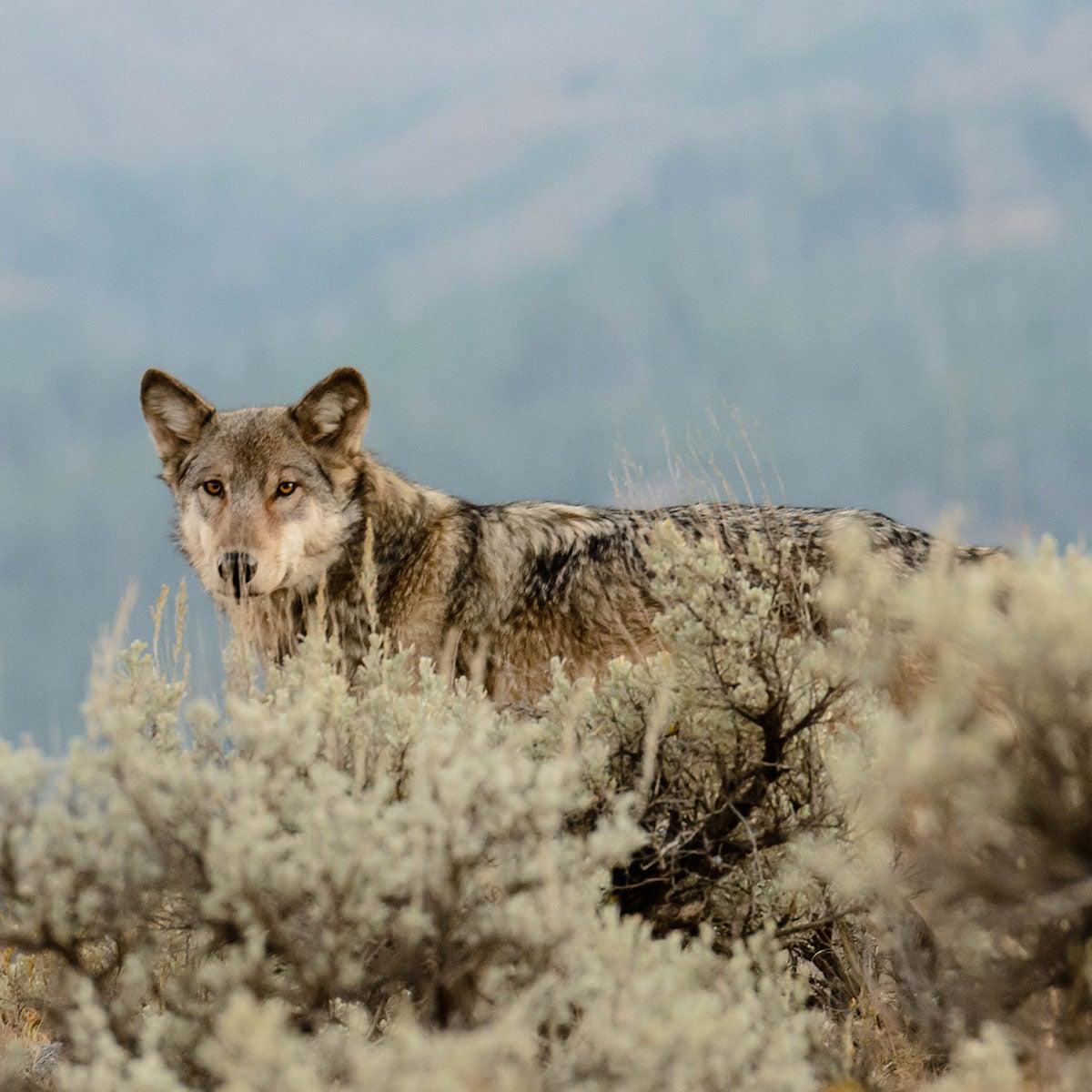
How We Protected All of Yellowstone By Protecting Wolves
MoreAs they’ve regained a foothold in the park, the wolves have helped regulate the elk population, giving overgrazed vegetation a chance to grow back. With the healthier plants come healthier birds, insects, fish, and mammals. The ecosystem is back in balance.
Earthjustice is once again in court challenging the removal of federal protections for wolves nationwide. We won’t rest until these creatures — and the landscapes that depend on them — are able to thrive.
(Photo: Robert Warrington / CC BY-NC-ND 2.0)