Why We Don’t Need to Mine the Deep Sea
As tech changes, better solutions are emerging
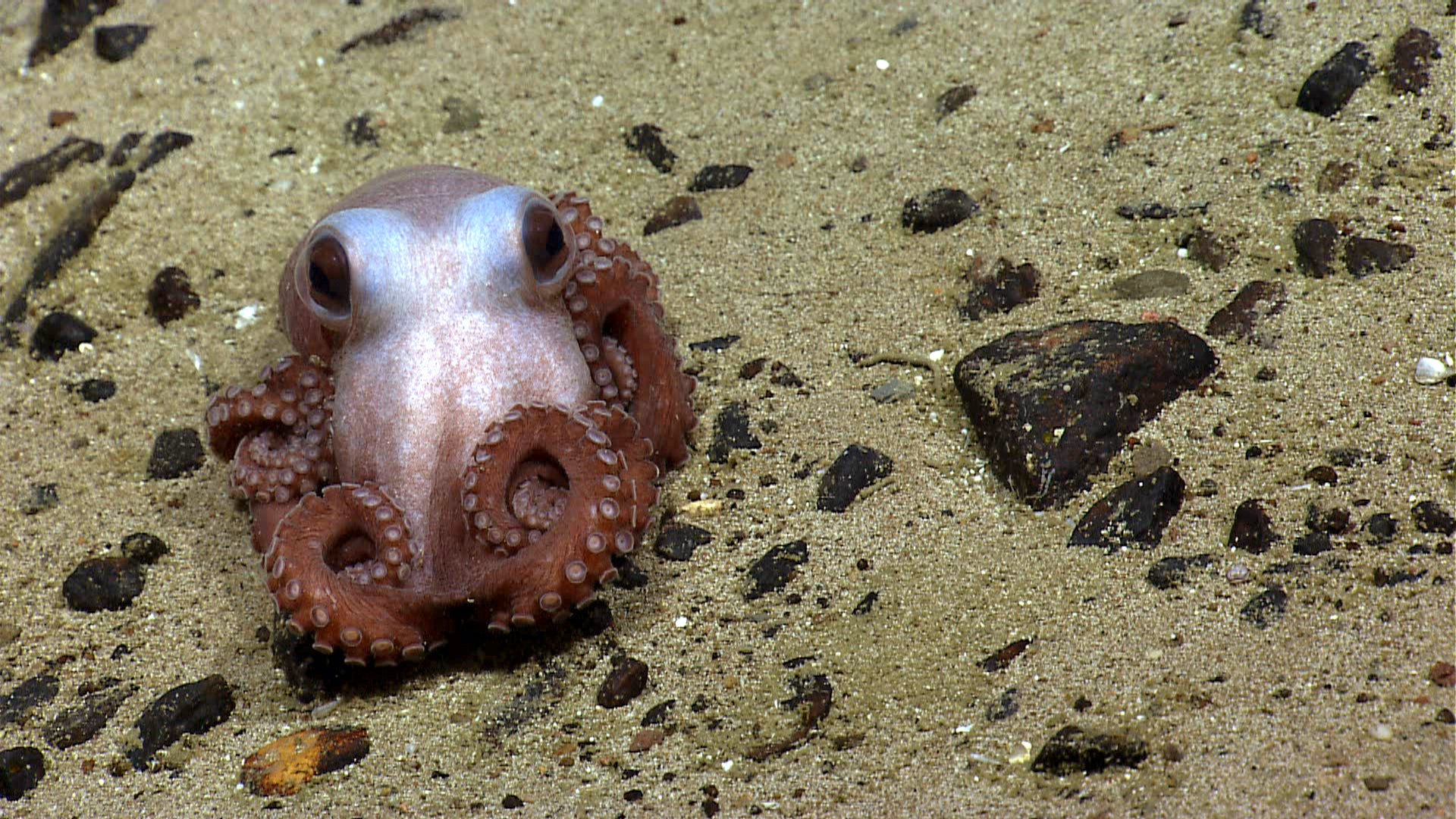
Several companies are trying to win approval to mine the deep sea – an untested endeavor that could wipe out marine habitats we don’t even understand yet.
These corporate mining ventures are market grabs, based on the premise that society simply must have certain metals found on the ocean floor for the tech future — metals like lithium, cobalt, nickel, copper and some so-called “rare earth” elements.
This premise is wrong, and here’s why:
- New battery designs: New battery designs are emerging fast, cutting the need for cobalt and nickel.
- Recycling existing e-waste: People discard tons of metals every year from smartphones, laptops, earbuds and disposable vapes. Incredibly, America produces roughly 47 pounds of electronic waste per person each year, with more than 3 million tons of American e-waste going unrecycled every year. Reusing clean technologies like solar panels and batteries that still have usable capacity can provide affordable energy and eliminate the need for reckless deep-sea mining. Metals recycling could supply up to 40% of copper and nickel and 25% of cobalt by 2050. And ramped-up recycling programs can capture these metals without smothering deep sea life with sediment plumes, heavy equipment, and light pollution.
Earthjustice is working in several venues representing Indigenous community and wildlife groups to protect marine species – and the cultures that depend on them – from the deep-sea mining threat.
A little background on how we got to this point:
- In April 2025, President Trump issued an executive order directing agencies to fast-track deep-sea mining in both U.S. and international waters. The National Oceanic and Atmospheric Administration (NOAA) and the Bureau of Ocean Energy Management (BOEM) began advancing deep-sea mining and exploration lease sales.
- In January 2026 , NOAA published a final rule that fast-tracks deep-sea mining applications by limiting critical environmental assessments.
- In February 2026, BOEM proposed to eliminate regulations for both environmental review and local government involvement in the agency’s seabed mining lease sales.
What’s happening now:
- Speculative deep-sea mining companies are pursuing areas in the Pacific Ocean off American Samoa, the Mariana Islands, and Alaska; in the Atlantic Ocean off the Virginia coast; and, internationally, off the coasts of Hawai‘i, French Polynesia, Cook Islands, and Kiribati.
What Earthjustice is doing:
- Earthjustice filed suit on August 18 to stop the first deep-sea mining lease sale in U.S. waters, off American Samoa. We represent concerned community members in American Samoa and Hawai‘i.
- On Sept. 8, Earthjustice filed suit to stop the second deep-sea mining lease in U.S. waters, off the Mariana Islands. Earthjustice is representing several community groups: Guardians of Gani’, PåganWatch, Our Common Wealth 670, and Prutehi Guåhan opposing the proposed deep-sea mining lease sale in the region.
- In Alaska, Earthjustice submitted comments about the state’s deep-sea mining lease sales on behalf of the Association of Village Council Presidents, Native Village of Eek, and Alaska Community Action on Toxics.
The truth is that every effort to jump-start deep-sea mining has failed. The ventures are riddled with environmental and financial risks, delays, and opposition from fishers, scientists, and environmental advocates who recognize the threat that seabed mining poses to communities, livelihoods, and the ocean.
Thankfully, today there is no commercial deep-sea mining happening anywhere in the world. And Earthjustice is fighting to make sure it stays that way.
Earthjustice Media Relations Team
media@earthjustice.org