How the Senate’s Permitting Bill Could Lock in Deep-Sea Mining for Years to Come
Scientists are unequivocal: the biodiversity loss and habitat destruction that likely would come from mining the deep sea would be irreversible. Here's how the Senate permitting bill would prop open the door for unfettered seabed mining.
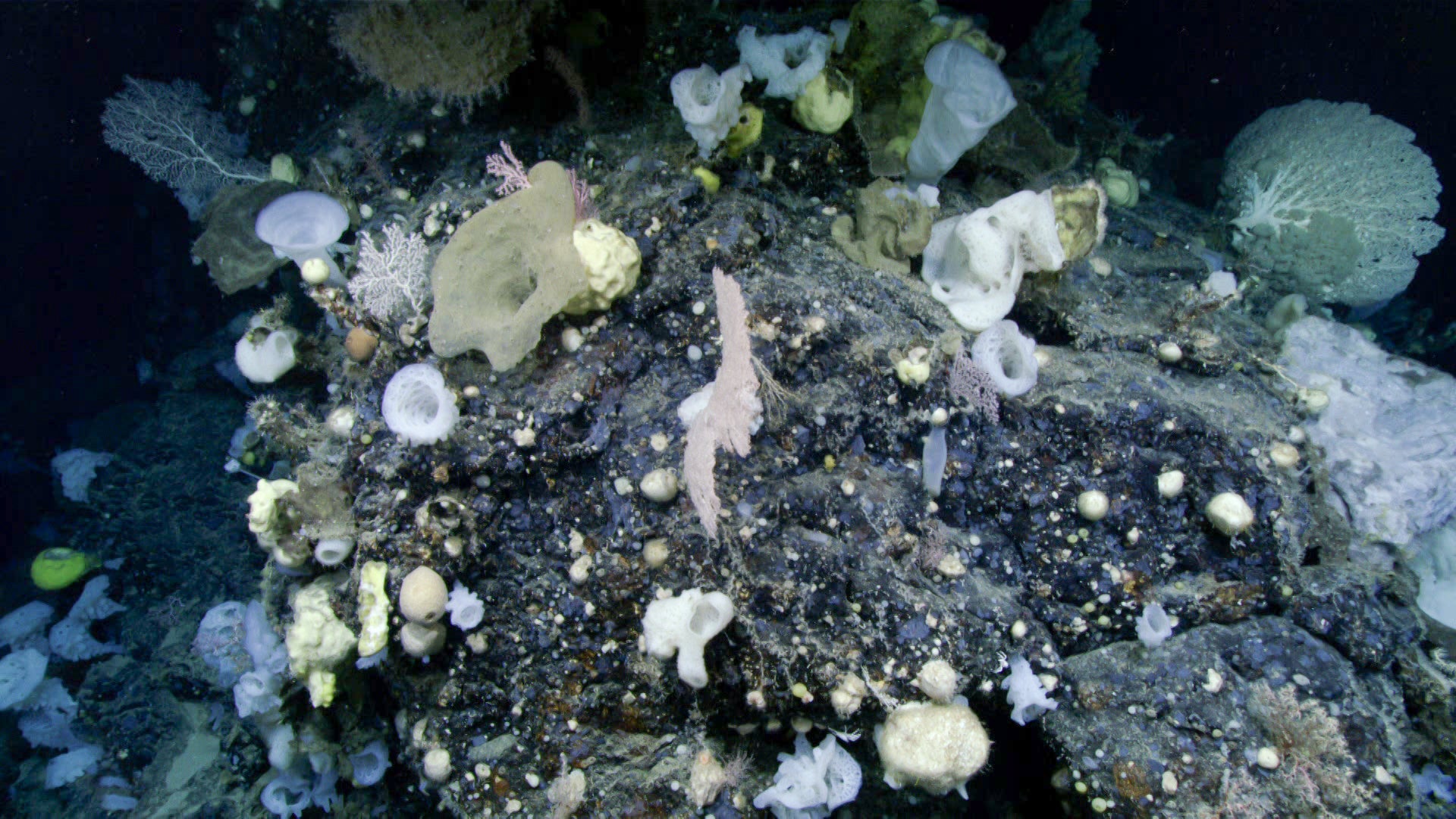
Seabed mining is an untested, unproven, and unpopular endeavor with major environmental risks. It threatens to wreck deep-sea ecosystems that are some of the least understood places on the planet: more than 90% of species in the deep sea where mining is proposed are unknown to science. Seabed mining would harm whales, sea turtles, sharks, and other marine wildlife while posing serious risks to fisheries that supply food and support both local communities and economies globally (shrimp and tuna, for example). The Trump administration is rushing authorizations to mine in U.S. and international waters without adequate environmental review.
The permitting deal introduced by the Senate Committee on Energy and Natural Resources in October 2026 would dramatically weaken bedrock environmental laws, endanger wildlife, and limit people’s access to the courts to fast-track fossil fuel, mining, and other environmentally harmful projects. It would do two things to prop open the door for unfettered seabed mining:
- Section 1401 would lock the Trump administration’s seabed mining authorizations in place for decades or longer, even if new research on unexplored ecosystems, and as-yet untested mining activities, reveal catastrophic effects.
- The bill would limit environmental reviews of this untested industry.
Locking in the Trump Administration’s Seabed Mining Authorizations
Section 1401 of the permitting bill will effectively lock in this administration’s decisions, whether good or bad. This “project certainty” provision has huge implications for Trump pet projects, from drilling in the Arctic to mining in Bears Ears. One area where the stakes couldn’t be higher is the deep ocean, where the Trump administration is taking steps to jumpstart deep-sea mining.
In U.S. waters, the administration is seeking to issue sprawling, 20+-year leases to allow for seabed mining off American Samoa, the Mariana Islands, Alaska, and Virginia. Once those leases are issued, the Senate’s permitting deal could block a future administration from reversing the leases or even adding environmentally protective conditions to them, regardless of the science or new policies to protect affected communities. If the Trump administration issues specific authorizations to mine on leases, those could be locked in as well. In American Samoa, for example, over 76,000 people submitted comments opposing leasing due to environmental, cultural, and other concerns that went ignored by this administration. The permitting deal likely would prevent a future administration from redressing that injustice.
In international waters, Trump’s National Oceanic and Atmospheric Administration (NOAA) is also working hastily to issue permits that would allow mining on the Pacific Ocean floor, in conflict with the international Law of the Sea regime. If the Senate permitting deal passes and becomes law, the reckless course that the Trump administration sets through those permits could be effectively irreversible. If a future administration has a different approach to international law and decides to follow the Law of the Sea regime—rather than ignoring the claims of other countries and disregarding decades of international negotiations on deep-sea mining—it still may not have the power to pull back the Trump-issued permits. The permitting bill could lock in NOAA’s existing permits, even if further research shows seabed mining could collapse regional fisheries, threaten species with extinction, or have other catastrophic harms.
Limiting Environmental Review
Not only would the Senate permitting deal lock in harmful deep-sea mining permits and leases, it would also make them easier to get in the first place by limiting environmental reviews.
The National Environmental Policy Act (NEPA) requires federal agencies to evaluate what is known and unknown about the effects of seabed mining on the environment before any lease or permit may be issued. The Senate permitting bill would limit the courts’ ability to enforce NEPA, encouraging agencies to feel free to disregard it. The Endangered Species Act requires agencies to ensure that seabed mining approvals will not cause undue harm to imperiled species. The Senate permitting bill would limit the ability of federal agencies to protect endangered species in the face of scientific uncertainty and would restrict judicial review when agencies fail to comply with that law. The result of these changes would be that agencies could simply ignore many or most of the harms seabed mining will inflict on the environment and affected communities and give mining companies a free pass to proceed.
Scientists are unequivocal: the biodiversity loss and habitat destruction that likely would come from mining the deep sea would be irreversible. Congress should not enact a bill that would launch an untested and dangerous industry without adequate analysis and protections, and without the ability to revisit and reform actions by the current administration that could harm the deepest ocean forever.
Established in 1989, Earthjustice's Policy & Legislation team works with champions in Congress to craft legislation that supports and extends our legal gains.
Siham Zniber
Associate Director, Policy & Legislation, Earthjustice
szniber@earthjustice.org