

Court-Ordered Study for the Donlin Gold Mine in Alaska Shows Devastation from a Tailings Spill but Agencies Have More to Do
Federal agencies analyzed a spill of 27% of the tailings dam capacity, but more analysis is needed to understand the mine’s risks and how to minimize them
Contacts
Miranda Fox, Earthjustice, mfox@earthjustice.org
The U.S. Army Corps of Engineers today released a draft supplemental environmental impact statement (SEIS) for the Donlin Gold Mine. The court-ordered study, while confirming that a spill of even a quarter or less of the mine’s tailings would be devastating to the Kuskokwim region, falls short of analyzing the true scope of the mine’s risks or how to minimize them. Tribal plaintiffs have long fought for a more thorough analysis of the mine’s impacts in court and in their advocacy to federal agencies.
In the order that required the supplemental analysis that the Corps released in draft form today, the Court required the Corps and the Bureau of Land Management (BLM) to study a tailings spill larger than the 0.5% spill analyzed in the original study. The court found that a larger spill from the mine was reasonably foreseeable and therefore should have been included in the original study.
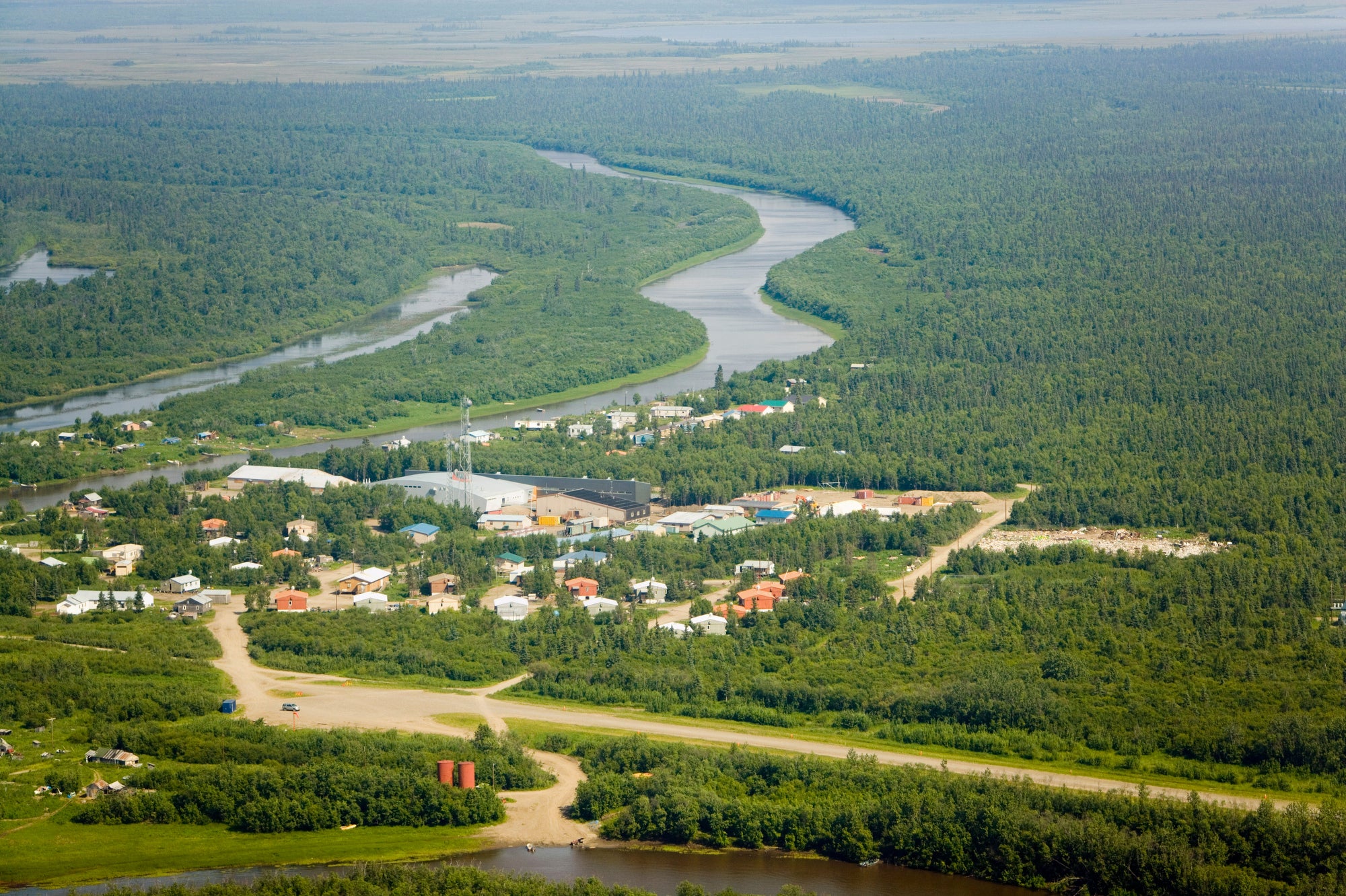
The analysis of a 27% spill, released today, confirms that even this relatively moderate spill would have catastrophic consequences. The agencies acknowledge that such a spill could lead to deaths near the mine and in the village of Crooked Creek, which would be buried by tailings and likely rendered uninhabitable. A 27% spill could also result in downstream metal contamination lasting “over a century,” cause “generationally lower abundance” of fish in the Kuskokwim, and harm onshore resources such as “subsistence plants, including blueberries, low-bush cranberries, and other edible species.”
Considering the disastrous impacts of a 27% spill, it is even more concerning that tailings dams that have failed around the world have at times spilled up to 100% of their contents. To understand the full scope of risks from Donlin, the agencies should study a 100% spill in addition to the 27% that they released today. They also must consider how to minimize the risks of a spill and its adverse impacts.
Any major toxic waste spill at the mine could devastate communities, forever changing the Yukon-Kuskokwim region. Communities must be informed of the full range of spill impact scenarios so they can make informed decisions about the mine and plan for community safety.
It is particularly important to understand how large spills will impact the region, as Donlin’s proponents have indicated that they plan to expand the mine to be significantly larger than the version being studied. Now that the draft SEIS is released, the public will have just 30 days to comment on the draft. Public hearings are scheduled between October 14-19 in Bethel, Crooked Creek, Aniak, and virtually. After public comments are reviewed, the agencies must then issue a final SEIS and reaffirm, rescind or modify the federal authorizations for the mine.
Following are statements from some of the Tribes participating in the lawsuit and from Earthjustice:
“Our primary concern all along has been the Kuskokwim River, which has sustained our customary and traditional practices for generations,” said Organized Village of Kwethluk President Mary Nicolai. “The Court recognized the importance of this sustainable resource we have always relied on and that must be protected by law, but unfortunately the study the federal agencies prepared still falls very short of doing what it needs to do.”
“This mine poses a threat to our traditional subsistence ways of life, and to the environment and fisheries of the Yukon-Kuskokwim Delta,” said Native Village of Eek Vice President George Alexie. “A disaster upriver will impact the whole region. Despite promises of safe protocols and procedures from Donlin, a tailings dam failure remains a significant risk to our entire region. We must protect salmon and other natural resources we depend on for our existence.”
“Today’s analysis is an alarm bell for the Yukon-Kuskokwim region,” said Hannah Foster, Earthjustice Attorney. “The agencies have revealed that even a spill of a quarter of the mine’s contents would be disastrous. We call on the agencies to do the analysis to show how much worse a full spill would be, and to do everything in their power to reduce the mine’s risks if they do authorize Donlin to go forward. Providing only 30 days for Tribes and the public to comment on this analysis is also an egregious misstep by the agencies and will undermine peoples’ ability to be heard on this vital issue.”
Background
Donlin Gold LLC is owned by NovaGold Corporation, which is owned by NovaGold and Paulson Advisors. The project as currently proposed is expected to extract approximately 556 million tons of ore to produce at least 30 million ounces of gold over the 27-year life of the mine – and would generate at least 2.5 billion tons of waste rock, some of which would generate acid drainage. Mine investors are now saying the project may be even larger, and are undertaking a mine feasibility study, which is expected to complete in 2027.
Tribal plaintiffs asked the agencies to pause on the court-ordered analysis that was released today until that feasibility study is complete, but that request was ignored by the agencies.
The mine project comprises three main parts – a 316-mile-long buried gas pipeline from Cook Inlet in Southcentral Alaska to the mine site; transportation infrastructure that includes a new port, a port expansion, and a tripling of barge traffic on the Kuskokwim River; and the 14-square-mile mine site itself. The mine site includes an open pit more than two miles long, a mile wide and 1,800 feet deep, plus a processing plant, waste rock and tailings storage facilities, water treatment and power plants, dams and reservoirs, airstrips, and access roads. In all, the mine project would cover 25 square miles.
After the mine ceases operating, a 471-foot tailings dam containing more than 550 million tons of toxic mine waste and a waste rock mountain reaching 1,115 feet tall and spanning 2,500 acres would remain and need to be maintained forever. The open pit would be filled with contaminated water, forming a permanent lake that would never meet water quality standards and would require water treatment in perpetuity. A failure of the tailings dam would cause catastrophic damage to the region.
Additional Resources
About Earthjustice
Earthjustice is the premier nonprofit environmental law organization. We wield the power of law and the strength of partnership to protect people's health, to preserve magnificent places and wildlife, to advance clean energy, and to combat climate change. We are here because the earth needs a good lawyer.