
Earthjustice goes to court for our planet.
We’re here because the earth needs a good lawyer.
What to Know About the Supreme Court’s Big Climate Case: Suncor v. Boulder
On October 5, the Supreme Court will hear oral arguments in Suncor Energy Inc. v. County Commissioners of Boulder County. It promises to be the biggest climate case of this term.
The Supreme Court will consider whether to block a lawsuit by the city and the county of Boulder, Colorado, against two oil giants for their years of deceiving the public.
Boulder, like dozens of localities and states across the U.S., is seeking to hold fossil fuel companies accountable for the damage caused by years of public deception about their products’ contribution to climate change. If the Supreme Court doesn’t let Boulder’s case proceed to trial, its decision could effectively shield other industries — from social media giants to Big Pharma — from being brought to justice if they deceive the public about the risks of their products.
What Are the Facts of the Suncor v. Boulder Supreme Court Case?
- A state of emergency: This case comes from Boulder, Colorado, which has been hit hard by climate disasters. Extreme wildfires, drought, and heat have cost taxpayers immensely, as Boulder has had to spend funds to address everything from infrastructure damage to emergency response.
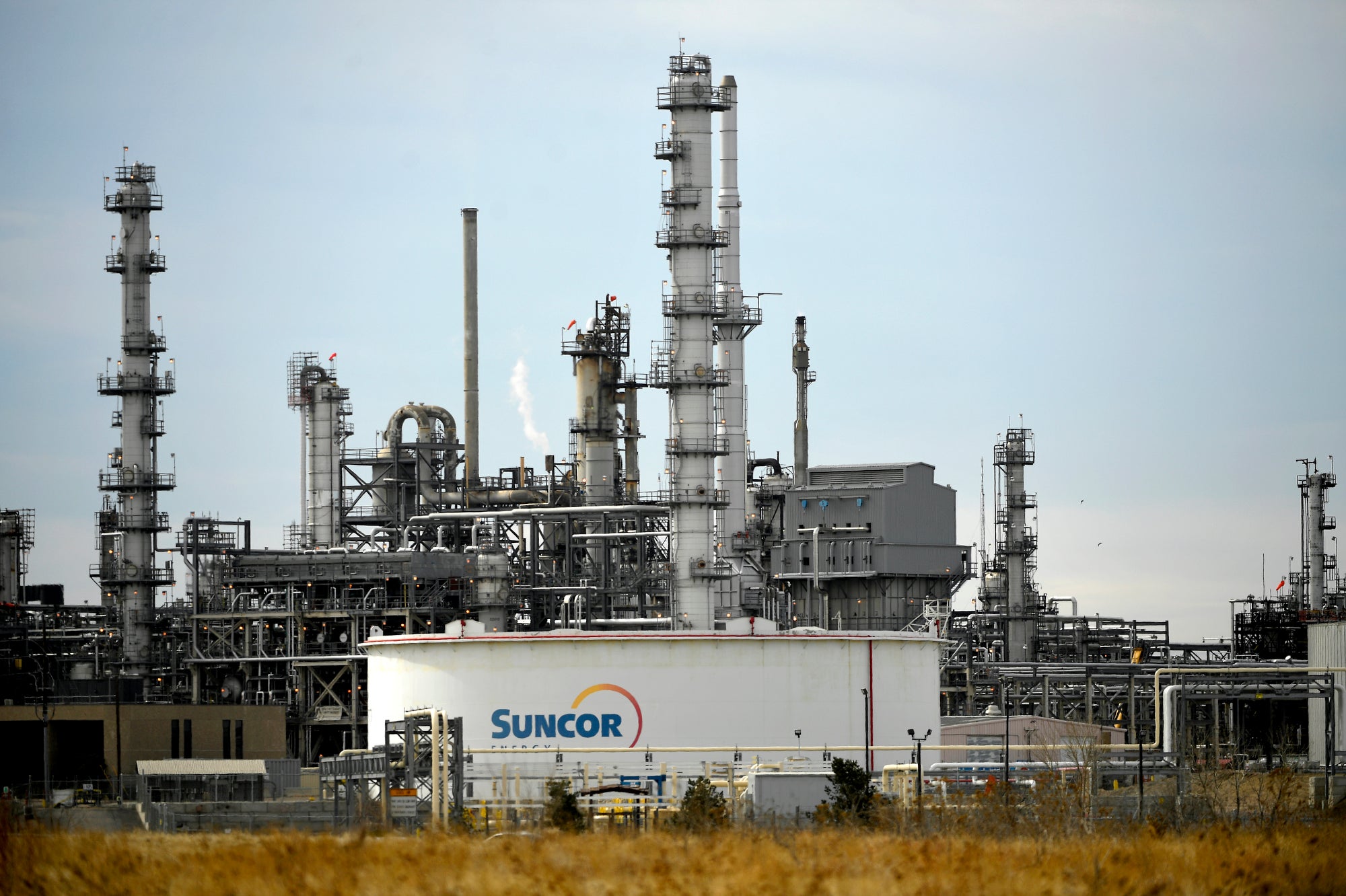
- Who’s to blame: Boulder sued the oil companies Suncor Energy and ExxonMobil in state court in 2018. It argued that the companies knew their fossil fuel products were contributing to climate change and for years deceived the public about their dangers, which increased those harms from climate change.
- A dubious defense: Boulder’s lawsuit asks the oil companies to help cover the cost of the damage that their deception caused. The companies didn’t want to do that — and so they argued that Boulder was wrong to rely on state law to hold them accountable, because the harms of climate change cross state borders. They claimed that only federal law can regulate these “interstate harms,” and that the case should not move forward.
- Why the oil companies are wrong: Boulder is not trying to regulate greenhouse gas emissions or stop the companies from continuing to produce their products. It’s seeking to hold these companies accountable for fraud. Its lawsuit follows an established case model that has helped states and local governments hold other industries responsible for the harm that their deception caused to communities, like Big Tobacco and the opioid manufacturers.
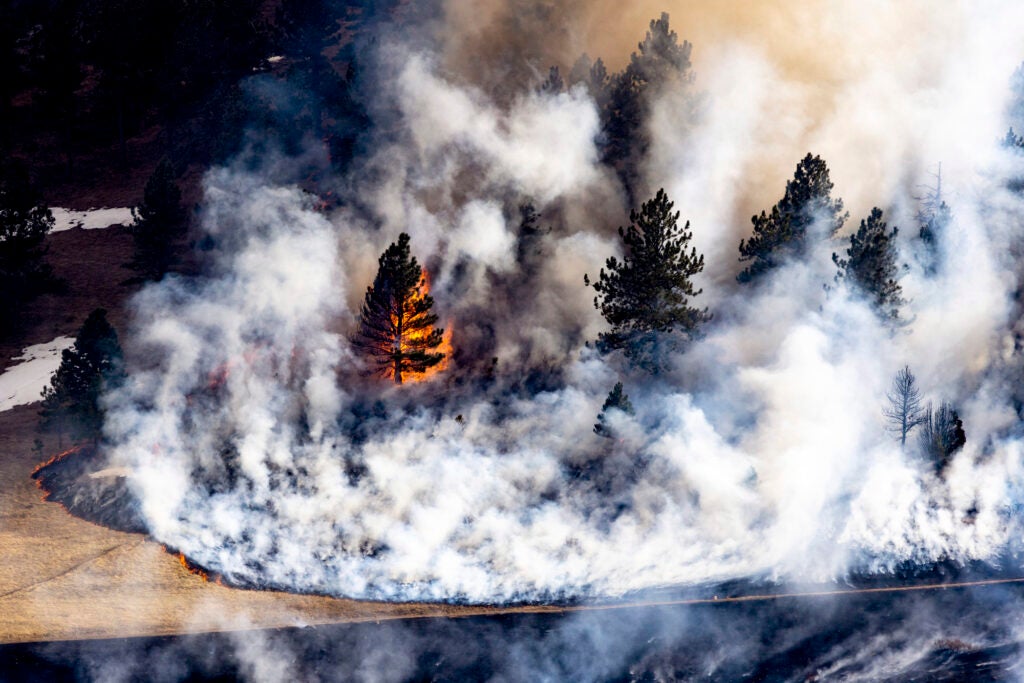
This 2022 wildfire in Boulder, Colorado, forced almost 20,000 people to evacuate their homes. (Michael Ciaglo / Getty Images)
Why Did the Supreme Court Get Involved in This Case?
- Lower courts had sided with Boulder: In agreement with lower courts, the Colorado Supreme Court denied the oil companies’ attempts to throw out Boulder’s case, ruling that the case could proceed to trial.
- A surprising choice: In February 2026, the oil companies petitioned the Supreme Court to review the Colorado Supreme Court decision. The Supreme Court agreed, even though it normally avoids getting involved in state court cases so far before a final decision
- What’s different about this case: Boulder’s case could be one of the first of its kind to make it to trial. If the trial moves forward, documents and witnesses that the oil industry doesn’t want exposed will almost certainly come out.
What’s at Stake in Suncor v. Boulder?
- A path for accountability: The Supreme Court could rule that communities like Boulder can’t seek compensation for the climate damage inflicted by fossil fuel companies violating state consumer protection laws. These burdens are massive and growing: In Boulder alone, climate mitigation could cost taxpayers $157 million by 2050.
- A troubling pattern: The Supreme Court’s recent environmental decisions have benefited corporations at the expense of people’s health. For example, last term, the Court’s ruling in Monsanto v. Durnell made it harder for people to seek justice after suffering serious illnesses from toxic pesticides. Another recent decision restricted the federal government’s ability to fight climate change.
- Earthjustice’s role: We have filed an amicus brief defending the public’s right to hold these polluters responsible for their actions. Beyond this case, we are fighting for climate progress on every front, from suing the Trump administration over its rollbacks of clean air protections to reining in the unfettered buildout of data centers to dozens of other legal fights happening now.