
Solar is Helping Save New York Farms, Not Destroy Them
USDA Secretary Rollins should address real threats to farmland, not false ones
New York’s farmland is under threat, but not from responsibly sited solar. In June, United State Department of Agriculture (USDA) Secretary Rollins sent a letter to Governor Hochul full of accusations that the state is allowing solar to destroy New York’s farmland. We applaud the state’s clear, data-filled response that shows how little prime farmland has been used for utility solar projects, how solar development can help farmers maintain and even expand their agricultural operations, and how the state has taken extensive steps to regulate solar installation, decommissioning, and disposal to protect farmland and communities. As explained below, if the federal government cares about farmland, it should redirect its efforts to address the real threats — pollution and the accelerating impacts of climate change.
As an initial matter, the amount of solar on prime farmland is extremely small. Analysis from the Solar Energy Industries Association shows that just 0.13% of the state’s USDA-certified prime farmland hosts solar — about 17 out of 13,000 square miles statewide.
Moreover, solar is saving farms, not sacrificing them. Across New York, farmers rely on solar leases to stabilize income, keep land in production, and resist pressure to sell fields for subdivisions and warehouses. As Congress explained when establishing the Rural Energy for America Program, “farm-based renewable energy generation can become one of the major cash crops of the United States, improving the livelihoods of hundreds of thousands of family farmers, ranchers, and others and revitalizing rural communities.” Without this revenue, many farms would be lost permanently.
Additionally, New York has already strong farmland protections. State guidelines for constructing, managing, and decommissioning solar projects safeguard soil and future agricultural productivity. The state also supports dual‑use systems that enable grazing, pollinator habitat, and crop production under and around solar arrays. Solar and agriculture can coexist.
Indeed, solar can help free up prime farmland for food production. Roughly 144,000 acres of New York farmland grow corn for ethanol — an extremely inefficient energy source. An acre of solar produces 100 times more useable energy per acre than corn, meaning 1,440 acres of solar panels could replace all the state’s ethanol energy and free up 142,560 acres for food. If we care about land conservation, feeding people, and climate action, solar is the responsible choice.
Meanwhile, recent federal actions pose far greater threats to prime farmland than any solar project. Sewage sludge is spread on 30,000 acres of New York farmland each year, and Environmental Protection Agency’s refusal to address the PFAS contamination risks from this practice threatens soil and food safety. USDA has also cut hundreds of millions of dollars of farm conservation grants that help farmers protect their land. These decisions risk irreversible harm, unlike solar installations, which are temporary and can be fully decommissioned.
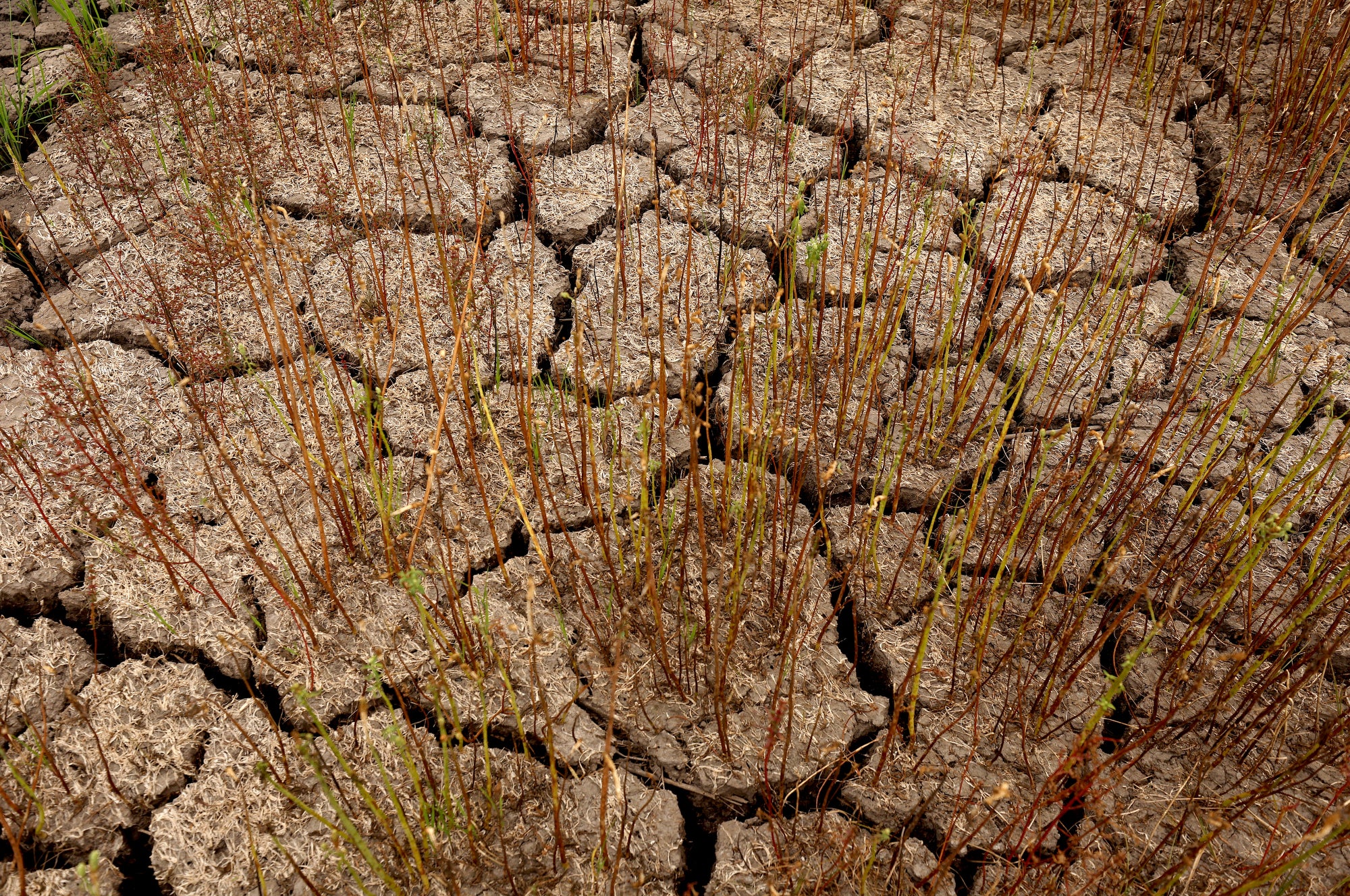
Finally, New York’s farms are already suffering from climate‑driven floods, droughts, and extreme weather. Slowing down clean energy deployment will only worsen these impacts. Responsible solar development protects farmland, strengthens rural communities, and delivers the clean energy New Yorkers need.
Moving forward, we urge policymakers to confront the real threats to farmland and stand with farmers who are choosing solar as a path to economic and environmental survival.
Earthjustice’s Sustainable Food and Farming program aims to make our nation’s food system safer and more climate friendly.
Nydia Gutiérrez
Public Affairs and Communications Strategist, Earthjustice
ngutierrez@earthjustice.org