Posts tagged: air

unEARTHED. The Earthjustice Blog

air


    SIGN-UP for our latest news and action alerts:
   Please leave this field empty

Facebook Fans

Featured Campaigns

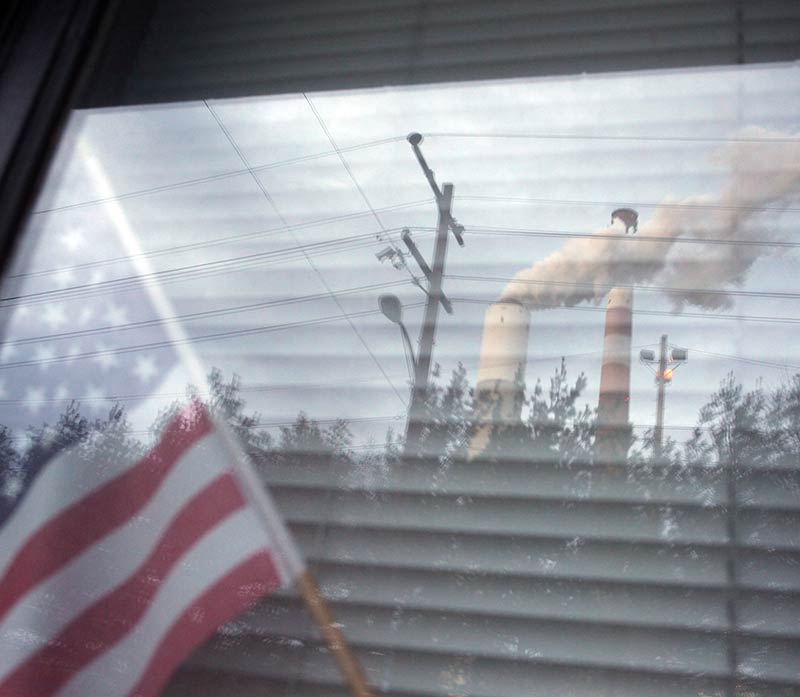
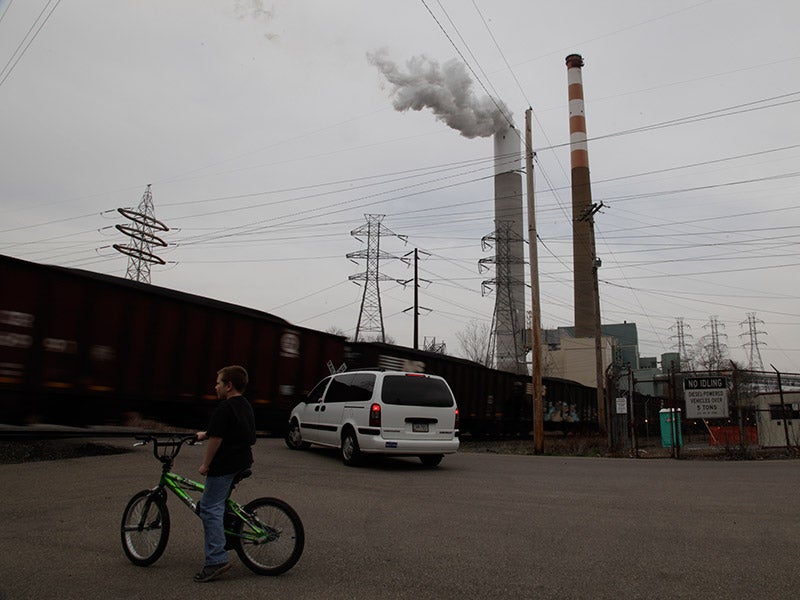
Everyone has The Right To Breathe clean air. Watch a video featuring Earthjustice Attorney Jim Pew and two Pennsylvanians—Marti Blake and Martin Garrigan—who know firsthand what it means to live in the shadow of a coal plant's smokestack, breathing in daily lungfuls of toxic air for more than two decades.

Coal Ash Contaminates Our Lives. Coal ash is the hazardous waste that remains after coal is burned. Dumped into unlined ponds or mines, the toxins readily leach into drinking water supplies. Watch the video above and take action to support federally enforceable safeguards for coal ash disposal.

ABOUT EARTHJUSTICE'S BLOG

unEARTHED is a forum for the voices and stories of the people behind Earthjustice's work. The views and opinions expressed in this blog do not necessarily represent the opinion or position of Earthjustice or its board, clients, or funders.

Learn more about Earthjustice.

View Jared Saylor's blog posts
03 December 2009, 9:14 AM
EPA dumps Bush-era rule that allowed unfettered hazardous waste burning

The Bush Years: Sounds like an afternoon special, right? Unfortunately it was a reality we remember all too well.

As President Bush prepared to leave office, his cronies at EPA pushed for a slew of bad rulemakings that favored polluters at the cost of public health and the environment. This came as no surprise back then, and Earthjustice and others did a wonderful job of fighting back and defeating many of these "midnight rulemakings," as they were often called.

One particularly egregious rule, known as the Emissions Comparable Fuels rule, allowed industries to burn up to 100,000 tons of hazardous waste without any federal hazardous waste protections.

View Peter Campbell's blog posts
15 October 2009, 10:07 AM
A Blog Action Day post: stop factory farming
Earthjustice is participating in Blog Action Day.

Today is Blog Action Day, and this year's theme is Climate Change. Here's my pitch for an immediate step that could be taken to reduce the production of greenhouse gases significantly, while promoting good health; improving the economy in rural America; and reducing cruelty to animals. In fact, this suggestion is so logical that it's a travesty that I have to suggest it. It makes Sarah Silverman's recent hunger-ending proposal look paltry in comparison. Here's my suggestion:

Close down factory farms. Eliminate agribusiness.

2 Comments   /   Read more >>
View Brian Smith's blog posts
13 October 2009, 4:32 PM
Earthjustice action in New York Times today

Despite the insistence of multi-billion dollar ad campaigns from the coal industry, “clean coal” simply does not exist.

Even when scrubbers are installed to filter air pollution from coal-fired power plants, the mercury, selenium, and other toxic heavy metals released by coal combustion have to go somewhere. Sadly, too much pollution is ending up in America’s rivers and groundwater.

This week, the New York Times’ excellent series "Toxic Waters" takes a look at the dangers of shifting coal pollution from air to water.

1 Comment   /   Read more >>
View Tom Turner's blog posts
25 August 2009, 11:25 AM
Number refers to tolerable concentration of carbon in the atmosphere

My friend Bill McKibben, climate campaigner extraordinaire (he blew the first public whistle with The End of Nature in the late 1980s) has been organizing internationally behind the notion that 350 parts per million (ppm) of carbon in the atmosphere is the absolute limit of what the earth can tolerate. The IPCC—the Intergovernmental Panel on Climate Change—in its latest report two years ago, set the number at 450. The current carbon load in the atmosphere is about 370 ppm and rising.

McKibben's organization, 350.org, has been agitating for a lowering of the goal to 350 and on Aug. 25 got the welcome news that Chairman Rajendra Pachauri of the IPCC had given his personal endorsement to the 350 number. This, as Bill explained in an email, is a very big deal and governments everywhere should sit up, take notice, and get finally off their duffs.

View Brian Smith's blog posts
14 August 2009, 2:35 PM
Secret industry memo reveals "Astroturf" copy-cat incivilities

Unhappy with the Waxman-Markey climate bill, polluting industries are planning their own version of Town Hall disruptions recently seen over health care reform. The goal is to shout down any public discussion of the most important environmental issue facing the world.

Greenpeace obtained a copy of a secret memo allegedly being distributed by the American Petroleum Institute that encourages industry workers to  "aim a loud message at those states’ U.S. senators" with a series of rallies. They want senators to reject "tax increases, and access limitations on jobs and on consumers’ energy costs" and call on sentaors "to oppose unsound energy policy and 'get it right'."

View Terry Winckler's blog posts
03 August 2009, 2:02 PM
Government has right to force environmental review, says legal action

A troublesome new chapter has opened in the matter of Sunflower Electric's attempt to more than double the electrical output at its existing coal-fired plant in Holcomb, Kansas.

After digging through 10,000 pages of documents, Earthjustice attorney Jan Hasselman discovered that Sunflower in the past had defaulted on its debt service payments to the federal government, and that as a consequence the federal government now has effective oversight over Sunflower's business decisions, including the attempted expansion of its existing plant.

That means that you and I and all other American taxpayers have a major stake in how that plant performs, financially and environmentally. We have long known that the expansion was a thoroughly bad idea because of the enormous amounts of greenhouse gases it would produce for decades. The revelation of Sunflower's indebtedness to the public could be a key to stopping the expansion.

1 Comment   /   Read more >>
View Jared Saylor's blog posts
05 June 2009, 10:39 AM
 

When the U.S. EPA proposed to cut mercury, particulate matter, sulfur dioxide, hydrochloric acid and other toxic air pollutants from cement kilns, we cheered. When they announced plans to hold public hearings in Los Angeles, Dallas and Washington DC to hear from the public about why clean air is important, we got to work.

View Sam Edmondson's blog posts
06 May 2009, 4:33 PM
 

As part of our campaign to clean up sources of toxic mercury pollution, we experimented with Google Earth to tell the story of how pollution from cement kilns is hurting local communities. Below is a video we produced that features two cement kilns right along the water in Seattle, WA.

Let's get a quick show of hands: How many of you have lost hours at work living out your flying fantasy in Google Earth? Well, me too.

3 Comments   /   Read more >>
View Brian Smith's blog posts
30 April 2009, 2:24 PM
 

Growing up in California's San Joaquin Valley, we spent our summer days at the community swimming pool and on the soccer field. Playing outside was one of the joys of growing up in a region where the days are warm, the grass is green and the sky is clear.

These days, elementary schools in the valley fly color-coded flags to alert parents of "bad air days" when their children should be kept indoors. Childhood fun in the valley is not what it used to be.

Despite recently approving a $857,500 public relations campaign to say otherwise, the San Joaquin Valley Air Pollution Control District received yet another failing grade by the American Lung Association this week in the 2009 State of the Air report.

2 Comments   /   Read more >>
View Ted Zukoski's blog posts
22 April 2009, 5:00 AM
 

One of the many dirty little secrets about oil shale is that it will take huge amounts of energy to turn rock into a product we can put in our cars and trucks.  That's because the currently proposed technology for producing oil shale involves using what amounts to glorified curling irons underground, heating them up to hundreds of degrees and melting the "kerogen" into something that can be sucked out of the ground and could be refined into a useable product.

To heat all those curling irons could require 10 or more new coal-fired power plants, making oil shale one of the dirtiest source of energy per unit in terms of greenhouse gases.  This production process would also be incredibly thirsty - producing one barrel of fuel from shale may require 3 or more barrels of water.

6 Comments   /   Read more >>