Posts tagged: Tr-Ash Talk

unEARTHED. The Earthjustice Blog

Tr-Ash Talk


    SIGN-UP for our latest news and action alerts:
   Please leave this field empty

Facebook Fans

Featured Campaigns

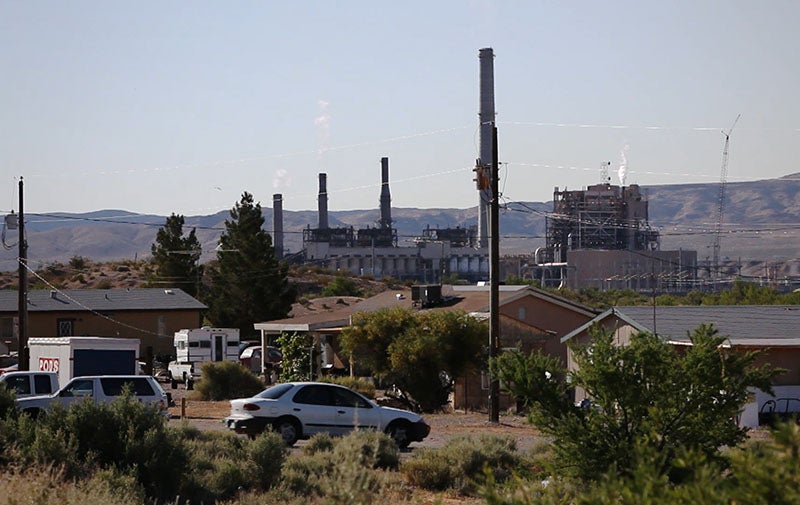
Everyone has The Right To Breathe clean air. Watch a video featuring Earthjustice Attorney Jim Pew and two Pennsylvanians—Marti Blake and Martin Garrigan—who know firsthand what it means to live in the shadow of a coal plant's smokestack, breathing in daily lungfuls of toxic air for more than two decades.

Coal Ash Contaminates Our Lives. Coal ash is the hazardous waste that remains after coal is burned. Dumped into unlined ponds or mines, the toxins readily leach into drinking water supplies. Watch the video above and take action to support federally enforceable safeguards for coal ash disposal.

ABOUT EARTHJUSTICE'S BLOG

unEARTHED is a forum for the voices and stories of the people behind Earthjustice's work. The views and opinions expressed in this blog do not necessarily represent the opinion or position of Earthjustice or its board, clients, or funders.

Learn more about Earthjustice.

View Jared Saylor's blog posts
12 April 2011, 8:39 AM
Their message: delays on coal ash regulations are simply unacceptable!
Tennessee coal ash spill 2008. Photo courtesy United Mountain Defense.

Members of Congress are going to hear from coal ash activists this week. But it’s going to be more than just phone calls and emails; 45 citizens from nine states are flying to Washington D.C.  to tell their coal ash stories to elected representatives and administration officials.

It’s been nearly a year since the Environmental Protection Agency proposed the nation’s first federal standard for coal ash ponds and dumps. Their two-option plan would either regulate coal ash as a hazardous waste, ensuring strong protections and monitoring requirements, or regulate it as non-hazardous waste, leaving discretion up to the states and endangering the drinking water supplies for thousands of communities near these toxic dumps.

View Emily Greenlee's blog posts
05 April 2011, 3:17 PM
Coal ash dumps are mostly in low-income communities
Coal ash landfill in Tennessee

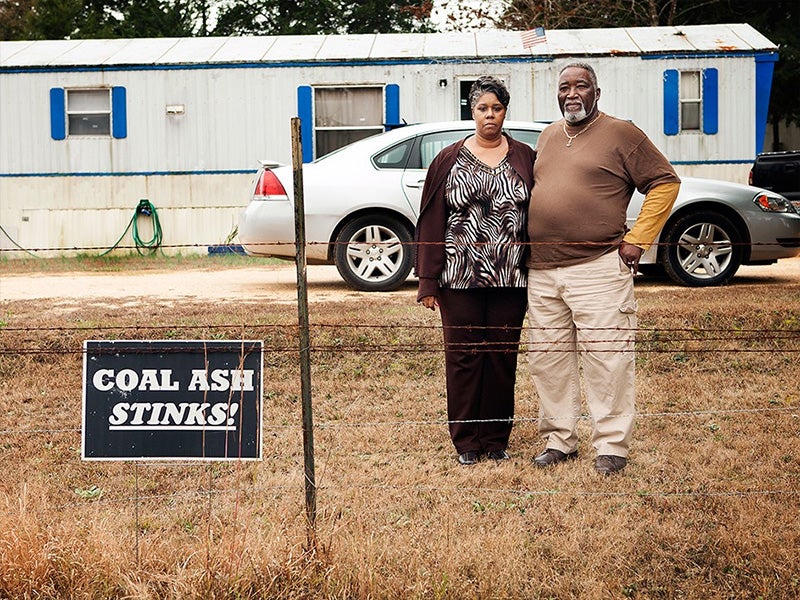
From South Carolina to Alabama and all across the country, coal ash—which can leach dangerous toxic chemicals like arsenic, lead, cadmium, mercury, and selenium into groundwater—is often stockpiled in low-income communities.

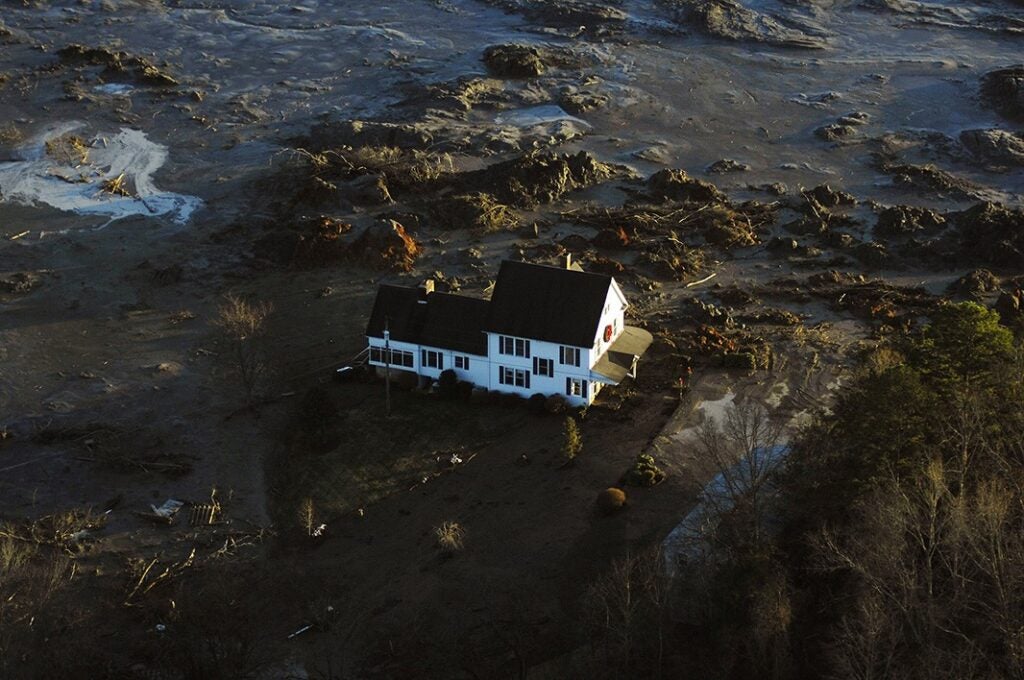
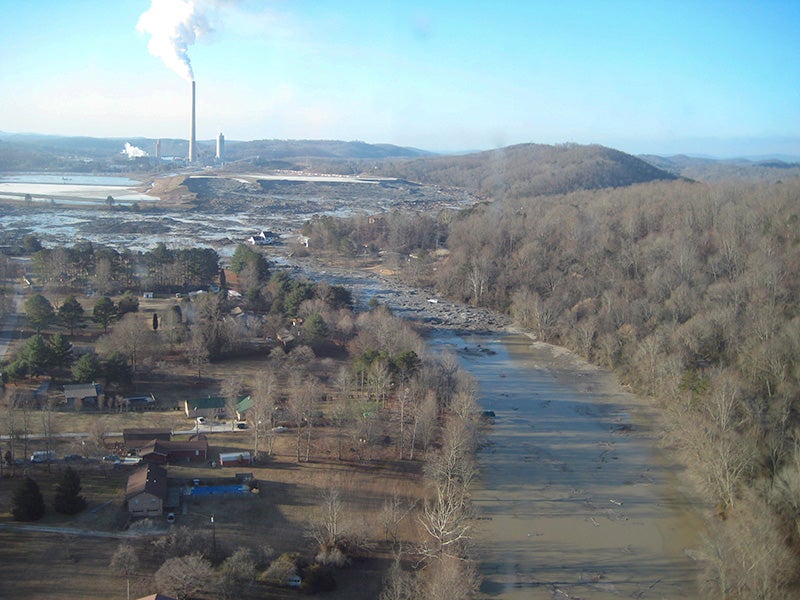
Coal ash presents risks of both catastrophic spills, like the 2008 TVA coal ash disaster, and more common dangers, like pollution of groundwater used for human consumption. Poor ash disposal practices can cause cancer, neurological damage and other ailments in people unfortunate enough to live near impoundments or unlined landfills.

Who are the unlucky Americans facing the threat of coal ash in their communities?

View Jared Saylor's blog posts
04 April 2011, 8:07 AM
ABC News tells how "Making Money Having Fun" destroyed Oklahoma town
Suella Hudson and her daughter (in picture) both died of cancer. Photo courtesy of Carlan Tapp.

Last week, coal ash coverage went national with a fine segment on ABC World News that told the story of residents in Bokoshe, OK, a small town with a very big coal ash problem. Only 450 folks live in Bokoshe, but as reporter Jim Sciutto discovered, many of them either have cancer or know someone who does.

One of the residents of Bokoshe  who was featured in the ABC story was kind enough to take a few moments to tell unEarthed about her experiences living near this toxic coal ash dump. As I wrote last week, the dump owner, a company called “Making Money Having Fun” is dumping nearly 80 truckloads of coal ash into an open pit every day. Bokoshe resident Susan Holmes—who lost both her sister and her mom to cancer—had this to say:

I applaud ABC News for taking the time to report our story here in Bokoshe. Small rural towns across the nation are considered inconsequential. We have become throwaway towns with throwaway people. The one comment made during our interviews that was not in the televised segment was that this is happening to small towns all over America, and our story is not unique. We were just blessed they chose us to interview.

At 81 years old, my mom insisted I contact ABC. I first wrote ABC over two years ago asking for an investigation. Did they come because of me? Probably not; it takes bigger and more important people to ask for them to get involved. I am just glad they listened. Those of us in Bokoshe are not stopping. We have a new pit that opened 5 miles west of town. For those that don’t know, my sister died of lung cancer in 2004 and my mom died of cancer New Year's Day this year. She knew before she died ABC News was coming. She just didn’t get to stay long enough to see it.

View Jared Saylor's blog posts
29 March 2011, 11:23 AM
The story of Bokoshe, Oklahoma's fight against cancer, asthma and toxic coal ash

Bokoshe, Oklahoma has a population of 450 residents. It’s a small town carrying a heavy toxic burden. The nearby AES Shady Point power plant dumps its toxic coal ash waste into a mine pit just on the outskirts of town. Local residents have developed cancer, asthma and other illnesses, and many point to the coal ash dump as the cause. As one activist noted, “You have to look for somebody that’s not sick.”

Tonight, Diane Sawyer and her crew from ABC World News Tonight will tell the stories of these residents battling cancer and AES in a fight to clean up one of the most dangerous coal ash dumps in the country.

Coal ash from AES is mixed with water and dumped into the mine owned by the company, “Making Money Having Fun LLC.” Seriously. It’s called “Making Money Having Fun,” and it’s poisoning residents with toxic levels of arsenic, mercury, lead and other dangerous heavy metals. There really couldn’t be a more inappropriately named company in America, and I’d bet that the folks forced to breathe in this coal ash dust or drink it from their local water supplies aren’t having too much fun, or making any money either.

View Lisa Evans's blog posts
28 March 2011, 10:52 AM
EPA helped utilities shed millions of tons of waste, but EPA doesn't know where
The EPA’s free pass to large-scale coal ash dumping has undoubtedly placed communities in harm’s way.

The verdict is in. the U.S. Environmental Protection Agency turned a blind eye to coal ash reuse during the Bush Administration, and, in fact, the agency went a considerable way toward promoting reuses that were dangerous to human health and the environment. 

After a nine-month investigation, the EPA’s Office of Inspector General concluded that the EPA failed to follow accepted practices, which were laid out clearly in the EPA’s own guidelines, to determine the risks posed by the reuse of coal ash in 15 categories of “beneficial use.” Instead, the EPA for years promoted untested, and often dangerous, reuse of coal ash through a partnership with industry initiated during the Bush Administration.

In October 2010, the OIG’s “early warning” report directed the EPA to shut down the promotional website that provided a virtual stamp of approval for such reuse. Now, last week’s OIG report provides greater detail concerning the extent of the EPA’s failure to address potential risks from reuse of coal ash. 

1 Comment   /   Read more >>
View Raviya Ismail's blog posts
23 March 2011, 8:14 AM
Cancer-causing agent found in drinking wells in Madison, Wis.

A while back, we documented the threat of hexavalent chromium in drinking water and the fact that it leaches from coal ash disposal sites across the country. Sadly hexavalent chromium and coal ash share a headline again in this story out of Madison, Wisconsin.

The article details the results of a study that found hexavalent chromium, or chromium-6, in 13 of 16 drinking water wells used by residents of Madison. The sources of Madison’s hexavelent chromium water tainting include lumber yards, gas stations, auto body shops, electrical stores, upholsterers and coal ash landfills.

The mention of coal ash is buried toward the end of the story, but the facts are startling. The story details that tons of coal ash from coal plants have been disposed of in landfills in Madison. Furthermore, coal ash was used extensively to fill marshes and city workers continually came across layers of coal ash while digging for street and other construction projects. The amount of chromium released by our nation’s coal-burning power plants is larger than all other industrial sources, according to the EPA.

View Lisa Evans's blog posts
14 March 2011, 8:40 AM
From nukes to coal ash: regulators must distinguish fact from fiction
Coal ash flood in Tennessee

“We all have a responsibility to ensure that the American people have facts and the truth in front of them, particularly when fictions are pushed by special interests with an investment in the outcome.”  - EPA Administrator Lisa Jackson in testimony before Congress on March 10 in response to false claims by Republicans and special interest groups concerning the reach and impact of proposed regulations.

Rep. Jeff Flake (R-AZ) railed at a recent Congressional hearing about EPA regulations that treat spilled milk on dairy farms like spilled oil.  The fact that this is plainly false did not stop him from saying it, nor Rep. Morgan Griffith (R- VA) from spreading the lie in a newsletter to his constituents, nor did it deter the Wall Street Journal from publishing the editorial that started the rumor. The fact that dairy industry representatives supported the EPA apparently carried little weight or news value.

Big lies are popular currency on Capital Hill.  Another circulating in Congress is that federal regulation of coal ash will “kill” all beneficial reuse of ash, that the reliability of the electric grid is threatened by a coal ash rule, and that the cost of safely disposing of coal ash is too high for coal-burning power plants or consumers to bear.

1 Comment   /   Read more >>
View Lisa Evans's blog posts
08 March 2011, 11:28 AM
19 Congressmen oppose a rule designed to save the lives of their constituents

When members of the House of Representatives return to their districts for April recess, many should be called to task for supporting a budget rider that would kill a coal ash rulemaking designed to protect the health, homes and livelihood of their constituents.

How, for example, can one explain the voting record of most of the 25 congressmen whose districts host 49 high hazard coal ash dams  - those impoundments of toxic waste that, by definition, are likely to take human lives if they break?

In a rational world, every one of those members would support an EPA rulemaking that requires the phase-out of these deadly impoundments and the conversion to recycling systems and safer dry disposal. But 16 Republicans and three Democratic congressmen in a dozen states whose districts host at least one, and sometimes several, high hazard ponds, voted for a rider that prevents EPA from requiring such a phase-out.

View Lisa Evans's blog posts
02 March 2011, 5:45 AM
When regulators and polluters forget the lessons of Tennessee
Tennessee coal ash spill

If you live in Indiana, it’s best not to live below one of the state’s 53 coal ash dams.

The state’s laissez-fare attitude toward these deadly structures has created a potentially disastrous public hazard. Recent dam breaks in Indianapolis should have sounded the alarm, but apparently it takes more than 30 million gallons of toxic waste to get the state’s attention. Even a failing report card last month from EPA inspectors hardly raised an eyebrow.  The colossal collapse in 2008 of TVA’s high hazard dam in Harriman, Tennessee is apparently a distant memory in the Hoosier State.

But forgetting this lesson may place thousands in harm’s way.

View Lisa Evans's blog posts
23 February 2011, 7:29 AM
The House’s rabid attack on EPA authority to regulate coal ash
Rep. David McKinley's amendment ties the EPA’s hands on the issue of coal ash—and sweetens the bottom line of industry.

Early Saturday morning, the U.S. House of Representatives approved an amendment to the House budget bill that had nothing to do with trimming the federal deficit, but everything to do with sweetening the bottom line of the likes of Duke Energy, AEP, Ameren and Southern Company.

The House passed this amendment at about two in the morning (when few were watching), This amendment, offered by Rep. David McKinley (R-WV), would “prohibit the use of funds by EPA to develop, propose, finalize, implement, administer, or enforce any regulation that identifies or lists fossil fuel combustion waste as hazardous waste subject to regulation.” In short, the amendment would tie EPA’s hands on the issue of coal ash in the middle of its ongoing rulemaking. The only avenue left open to EPA by this amendment would be publication of unenforceable “guidelines” that states would have absolutely no obligation to adopt. 

The amendment would prevent EPA from setting enforceable national standards, thus guaranteeing that power plants in the dirtiest coal-burning states, such as Texas, Indiana, Alabama, Illinois, Kentucky and Ohio, would continue to dump ash and sludge in unlined pits and ponds that threaten the communities nearby (and below) their enormous toxic dump sites.