Posts tagged: water

unEARTHED. The Earthjustice Blog

water


    SIGN-UP for our latest news and action alerts:
   Please leave this field empty

Facebook Fans

Featured Campaigns

Everyone has The Right To Breathe clean air. Watch a video featuring Earthjustice Attorney Jim Pew and two Pennsylvanians—Marti Blake and Martin Garrigan—who know firsthand what it means to live in the shadow of a coal plant's smokestack, breathing in daily lungfuls of toxic air for more than two decades.

Coal Ash Contaminates Our Lives. Coal ash is the hazardous waste that remains after coal is burned. Dumped into unlined ponds or mines, the toxins readily leach into drinking water supplies. Watch the video above and take action to support federally enforceable safeguards for coal ash disposal.

ABOUT EARTHJUSTICE'S BLOG

unEARTHED is a forum for the voices and stories of the people behind Earthjustice's work. The views and opinions expressed in this blog do not necessarily represent the opinion or position of Earthjustice or its board, clients, or funders.

Learn more about Earthjustice.

View Jared Saylor's blog posts
31 March 2009, 11:59 AM
 

Today's congressional hearing on the Tennessee Valley Authority coal ash spill from last December in Harriman, TN, started out with opening remarks from Representative Eddie Bernice Johnson (D-TX) who said that it’s been "nearly a decade" since this committee held oversight hearings on the Tennessee Valley Authority. She also said the committee maybe plans to continue TVA oversight now every 30 to 60 days.

Minority committee leader Rep. John Boozman from Arkansas said, "New laws will not replace homes…and family treasures," but bet they will certainly do much to make sure that others who live near these coal ash sites don't have to lose their homes or valuable family treasures and heirlooms in another preventable spill.

Rep. Lincoln Davis, whose district is where the TVA spill happened, offered strong words for the committee, saying, "My constituents and the land they live on must be made whole again."

The Republicans seem to be pushing their talking points aggressively: while this particular spill is bad, this doesn't mean coal is bad and there shouldn't be talk of stopping coal burning. It seems like they're not quite able to see the forest for the trees, and despite the nature of this hearing (to find out what went wrong and how it can be prevented) some members just can't resist a small shot at those groups fighting for a cleaner environment.

Sarah McCoin, a Harriman, TN, resident said: "Harriman is now a toxic wasteland, and we urge that guidelines and laws are in place to make sure that this never happens again... residents are scared if they are being exposed... we are a community that hunts fishes and swims in the rivers and we need to be ensured that it is safe to be in the river... Harriman is home to people who rely on the fish for their meals... too many residents are experiencing respiratory problems... we desperately need to have testing for our community to find out if our children are being poisoned…we have been neglected. There are people who have been satisfied but there are many are not."

Strong words from someone who is living in and near this tragedy. Committee is on a break now for a floor vote. More to come later.

View Jared Saylor's blog posts
31 March 2009, 9:31 AM
 

You can do a lot in 100 days. But apparently if you're the Tennessee Valley Authority and you spilled a billion gallons of coal ash into the Emory River and surrounding communities, cleaning up your mess isn't one of them.

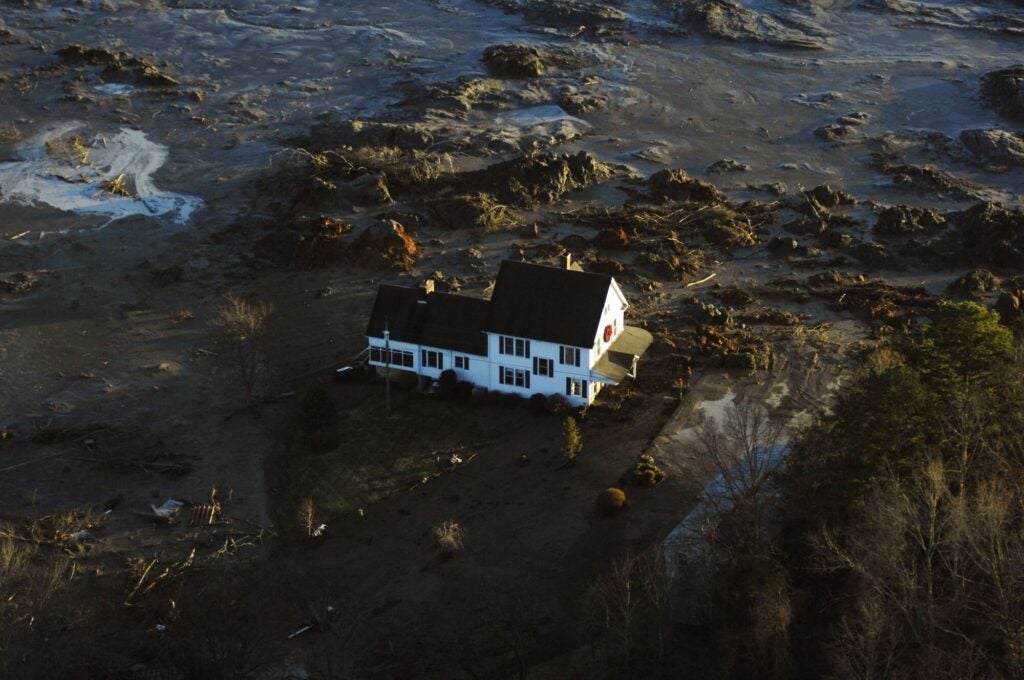
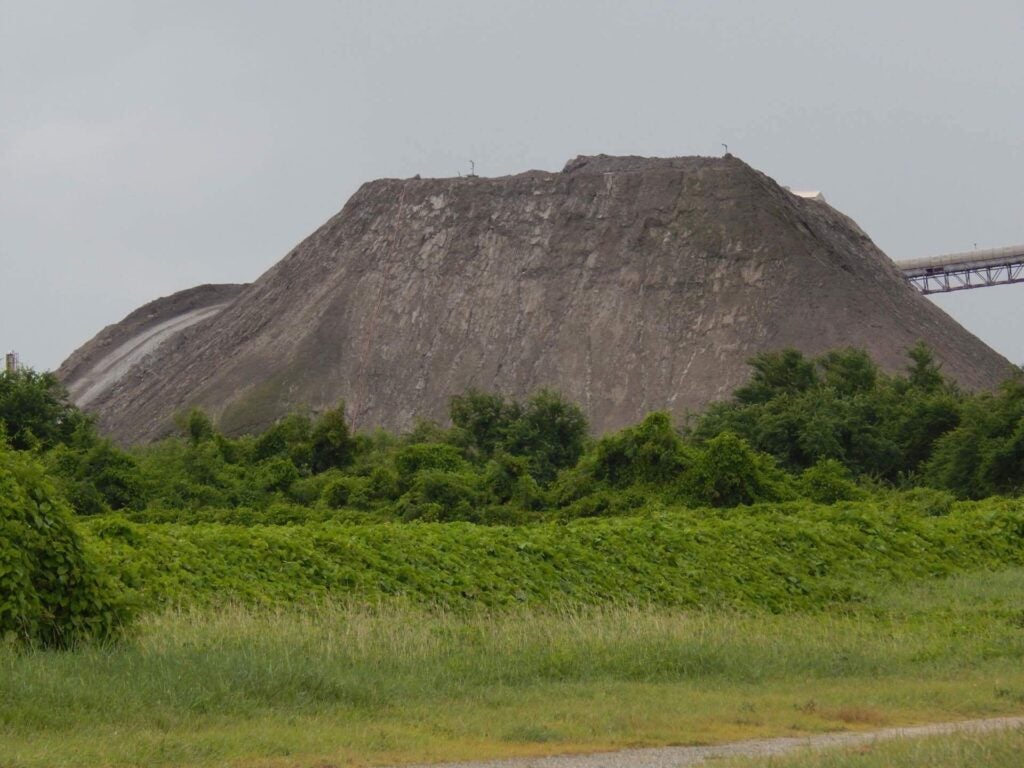
You'll recall that just three days before Christmas in 2008, a coal ash dump broke, spilling out 1 billion gallons of toxic-laden coal ash over 300 acres, finding its way into nearby streams and creeks, damaging over a dozen homes and putting an entire community at risk.

Well, April 1 is the 100th day since that spill. And while much has been accomplished and the important issue of coal ash disposal reached the front pages of many newspapers, there's still much left to be done to control and regulate this toxic waste.

View Terry Winckler's blog posts
24 March 2009, 3:55 PM
 

UPDATE: There was a lot of confusion and misinterpretation about Tuesday's announcement by the Environmental Protection Agency that it was reviewing mountaintop removal mining permits to assess their potential impact on the waterways and people of Appalachia. Only two permits have been questioned. Dozens are under review. And the EPA is signalling that many of those may not be held up for environmental reasons.

This is nonetheless a first step towards what we have been petitioning -- and suing -- to have the federal government do. Just this month, nearly 25,000 Earthjustice supporters, along with many others across the nation, sent messages to the White House asking for a halt to this most-devastating method of coal mining.

View Trip Van Noppen's blog posts
19 March 2009, 12:40 PM
 

One year ago in this column, I called on Environmental Protection Agency chief Stephen Johnson to resign for letting politics, not science, guide his agency's decisions. Nor was I alone—10,000 EPA employees were in open revolt for the same reason. Johnson was defying the Supreme Court's ruling that his agency should move forward on climate change and was refusing to approve California's forward-looking controls on climate-altering pollution.

Today, I am calling on all Earthjustice supporters to join with me in thanking his successor, Lisa Jackson, for steering the EPA back on course with a string of good decisions, especially her action last week aimed at regulating one of the most toxic side effects of burning coal for power: coal ash.

33 Comments   /   Read more >>
View David Guest's blog posts
18 March 2009, 11:18 AM
 

Apparently, the sight of toxic algae blooms spreading across South Florida's public waterways last year wasn't enough to convince the U.S. Environmental Protection Agency to do the right thing and toughen standards for nutrient pollution.

So on March 9, we filed suit in U.S. District Court to compel the EPA to set more protective pollution limits for Lake Okeechobee and its tributaries. Lake Okeechobee is the second-largest freshwater lake wholly within the continental United States, second only to Lake Michigan.

9 Comments   /   Read more >>
View David Guest's blog posts
06 March 2009, 5:09 PM
 

Down here in Florida, we are continuing our fight against the giant, destructive phosphate strip mines that trash our landscapes and pollute our water.

Our latest legal battle aims at some incredible strong-arm corporate tactics that Mosaic Phosphate is using to shut out local citizens and get its local land-use approvals to mine in the watersheds of the gorgeous Peace River in Southwest Florida. Read the full story.

View Kathleen Sutcliffe's blog posts
19 February 2009, 5:35 AM
 

Those oft-repeated words by Justice Louis Brandeis—referring to the importance of transparency and openness—took on a special meaning this week when Earthjustice sued Lysol-maker Reckitt-Benckiser and other household cleaners manufacturing giants for failing to disclose the chemical ingredients in their products and the health risks they pose.

The UK-based Reckitt-Benkiser is being targeted in the lawsuit (pdf) along with Proctor & Gamble (Mr. Clean and others), Colgate-Palmolive (Ajax and others), Church and Dwight (Brillo and others).

1 Comment   /   Read more >>
View Trip Van Noppen's blog posts
17 February 2009, 5:10 PM
 

The Clean Water Act, despite being one of our nation's most potent environmental protection laws for three decades, has an Achilles' heel—a one-word weakness that the U.S. Supreme Court has expanded into an enormous loophole.

In decisions handed down in 2001 and 2006, the Supreme Court seized on that word—"navigable"—to make rulings that neither friend nor foe of the Act could predict, and none of us can live with. Effectively, the Supreme Court broke the Clean Water Act by saying Congress meant that the Act's protections apply only to "navigable" waters when it passed the Act to eliminate water pollution back in 1972. Therefore, only an act of Congress can mend this potentially fatal injury.

35 Comments   /   Read more >>
View Raviya Ismail's blog posts
13 February 2009, 2:47 PM
 

In a devastating blow to the mountains, streams and people of Appalachia, today, federal judges ruled in favor of a mountaintop removal mining case.

As a result, mining companies can conduct mountaintop removal mining operations without minimizing stream destruction or conducting adequate environmental reviews. The Appalachian community will now—more than ever—be dependent on President Barack Obama to fulfill his campaign pledge to stop this terrible practice. Earthjustice remains on the front lines of this struggle and will continue fighting to preserve our mountains and waters.

View Terry Winckler's blog posts
06 February 2009, 4:53 PM
 

A bunch of utility operators are still trying to convince the U.S. Supreme Court to let them pour poisonous mercury into the air - but after today, they are standing alone. The Obama administration said it is withdrawing its support, and in fact, wants the court to drop the case.

Label this a victory for Earthjustice, its clients, and those thousands of citizens eating mercury-contaminated fish and forced to breathe in all the toxic fumes that the Bush administration would allow. Over eight years, that amounted to 700,000 pounds of mercury and other toxic stuff. We sued to stop this awful practice and won, but Bush's lawyers partnered up with the utilities and appealed to the Supreme Court so that it could continue.

Now, if the Court agrees, we can start breathing easier.