
Patti Goldman

Senior Attorney

Northwest Office

Patti Goldman, senior attorney in Earthjustice's Northwest Regional Office, is smiling looking directly at the camera.

Bar Admissions

DC, WA

Patti Goldman

Senior Attorney Northwest Office

Patti Goldman is a senior attorney in the Northwest regional office in Seattle, WA.

She is a widely respected leader in both Earthjustice and the larger environmental and public interest legal communities. From 2008–June 2014, she served as Earthjustice’s vice president for Litigation, overseeing all of the organization’s litigation, programs, and regional offices. During her tenure as vice president, the litigation department doubled the number of attorneys, created robust oceans, coal, health, and clean energy programs, expanded its representation of fenceline communities, and opened offices in New York, Philadelphia, and Los Angeles. She served as Northwest managing attorney for nearly 20 years before and after her tenure as vice president.

Her litigation experience is vast with notable successes in obtaining phase-outs and limiting exposure to hazardous pesticides, particularly those that harm farmworkers and their families, safeguarding the Pacific Northwest’s old-growth forests, restoring Pacific salmon, protecting the region’s beloved Southern Resident orca whales, and countering threats that international trade institutions pose to environmental and health protections. Since 2016, she has been representing the Yurok Tribe and commercial fishing groups trying to preserve Klamath River flows to sustain imperiled salmon.

In 2000, the Seattle Times identified her as an up-and-coming leader, in 2007, she was given the woman of the year award by the Seattle University Women’s Law Caucus, and Washington Law and Politics named her a SuperLawyer beginning in 2006.

For a decade prior to joining Earthjustice, Patti worked as a staff attorney for Public Citizen Litigation Group, where her practice included pesticide safety, governmental accountability, a wide range of health and constitutional issues, and Supreme Court litigation.

In 1983, she graduated from University of Wisconsin Law School magna cum laude and Order of the Coif, where she served as editor in chief of the Wisconsin Law Review. After graduating, she clerked for Federal District Court Judge Barbara Crabb and worked on women’s civil rights litigation at National Women’s Law Center through a Georgetown University Law School fellowship.


Expert Posts & Articles

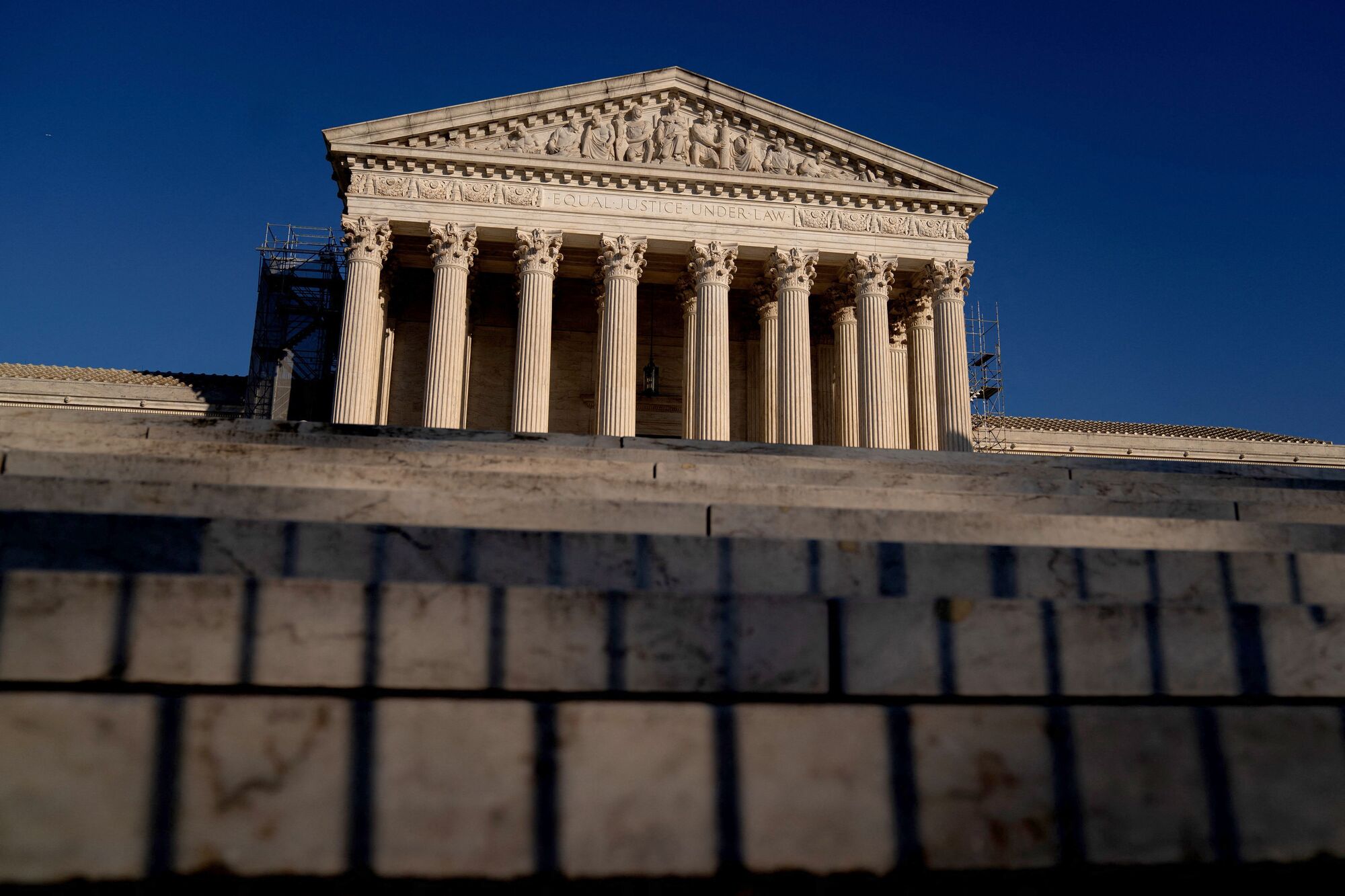
An upward view of the U.S. Supreme Court building near the top of the front steps.
April 23, 2026

What to Expect at Oral Argument in Monsanto Company v. Durnell

The case is one of thousands brought by people who got non-Hodgkin’s lymphoma after applying Monsanto’s Roundup. Two FIFRA regulations will likely loom large at argument.
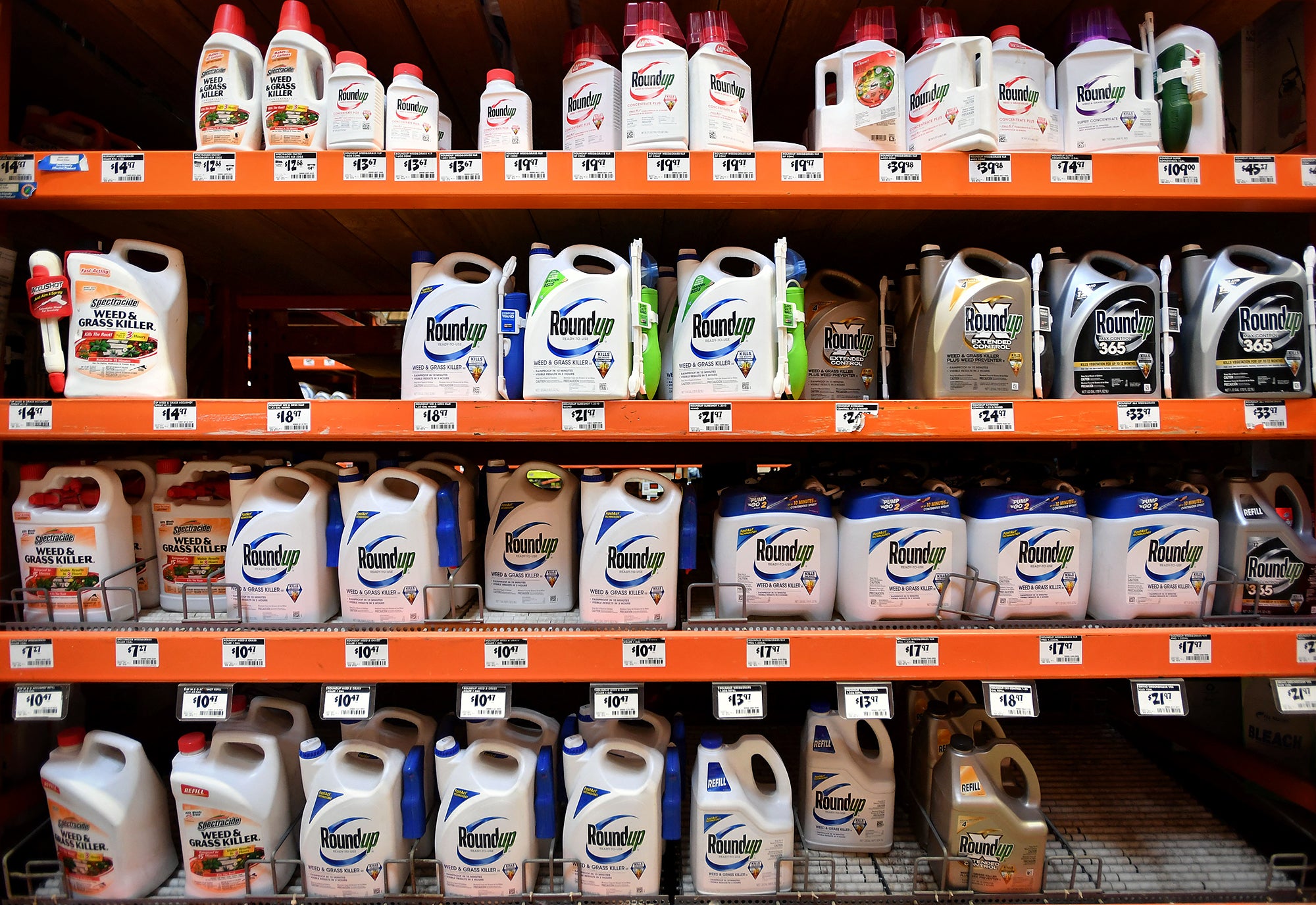
Bottles of Roundup and other brands of week killers fill up four rows of shelves in a hardware store.
January 16, 2026

The Supreme Court Case That Could Let Pesticide Companies Off the Hook — Even When Their Products Make People Sick

The Justices will soon decide whether families, workers, and communities still have a path to justice when toxic products make them sick.
FEMA housed Hurricane Katrina victim Martha Hentor, 82, in this trailer in Gulfport, Mississippi. Some of the trailers FEMA provided to hurricane refugees emitted toxic levels of formaldehyde, a cancer-causing chemical.
December 12, 2017

Judge to EPA: Stop Stalling on Regulating Chemical That Sickened Katrina Refugees

The EPA keeps delaying enforcement of its formaldehyde rule, so we're taking the agency to court.
It is time for nerve gas pesticides to go, starting with chlorpyrifos.
December 6, 2016

Tell the EPA to Ban a Toxic Pesticide Lurking in our Food

It is time for nerve gas pesticides to go, starting with chlorpyrifos.
Oil trains in a Oakland, CA, railyard.
May 14, 2015

7 Hidden Dangers Buried in the Federal Tank Car Rule

Amidst a spate of fiery accidents involving trains hauling crude oil, the Obama administration has released woefully weak standards that leave dangerous trains on the tracks for far too long.
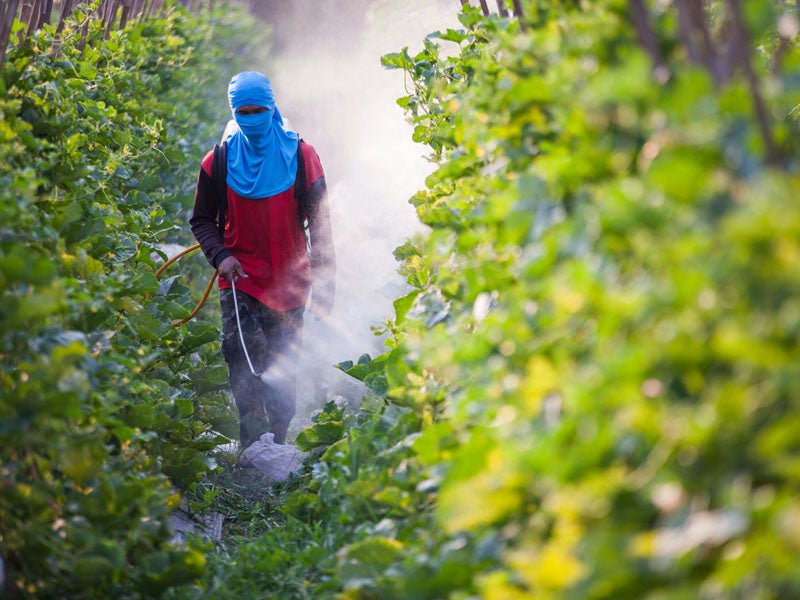
Farmworker using pesticides
March 30, 2015

EPA Fails Farmworkers, Again

As Farmworker Awareness Week draws to a close, the EPA has once again shuffled its papers and announced that it will do next to nothing to further protect farmworkers and their families from chlorpyrifos, a dangerous neurotoxic pesticide.

Elizabeth Manning
Public Affairs and Communications Strategist
emanning@earthjustice.org

Bar Admissions

DC, WA
Quoted in the News

February 17, 2026

Los Angeles Times

Supreme Court may block thousands of lawsuits over Roundup weed killer

“When people use pesticides in their fields or on their lawns, they don’t expect to get cancer. Yet this happens, and when it does, state court lawsuits provide the only real path to accountability.”
August 18, 2021

The New York Times

E.P.A. to Block Pesticide Tied to Neurological Harm in Children

“It took far too long, but children will no longer be eating food tainted with a pesticide that causes intellectual learning disabilities. Chlorpyrifos will finally be out of our fruits and vegetables.”

June 30, 2021

The Intercept

The Department of Yes: How Pesticide Companies Corrupted the EPA and Poisoned America

“If EPA finds risk, it will look at benefits to growers. ... You get to the end, and EPA says the company is willing to use a little less, or use it a little less often, or they’ll put a little bit of a buffer around schools, or require some protective clothing, and then they’ll just say we find the risk is less than the benefits. It’s unprincipled.”
February 1, 2021

Chemical & Engineering News

Are chlorpyrifos’s days numbered?

"I believe at some point we will start having these chemicals out of our food supply."

Latest Press Statements

June 25, 2026

Fallo a Favor de Monsanto en el Caso Roundup Blinda a Empresas de Pesticidas de Demandas por Falta de Advertencia

En una decisión de 7 votos a favor y 2 en contra, el supremo dictaminó que la Ley Federal sobre Pesticidas prevalece sobre las demandas estatales por falta de advertencia, limitando drásticamente la capacidad de las personas perjudicadas por pesticidas tóxicos para exigir responsabilidades a los fabricantes ante las cortes
Bottles of Roundup and other brands of week killers fill up four rows of shelves in a hardware store.
June 25, 2026

Supreme Court Sides with Monsanto in Roundup Case, Shielding Pesticide Companies from Failure-to-Warn Lawsuits

In a 7-2 decision, the U.S. Supreme Court ruled that federal pesticide law preempts state failure-to-warn claims, sharply limiting the ability of people harmed by toxic pesticides to hold manufacturers accountable in court
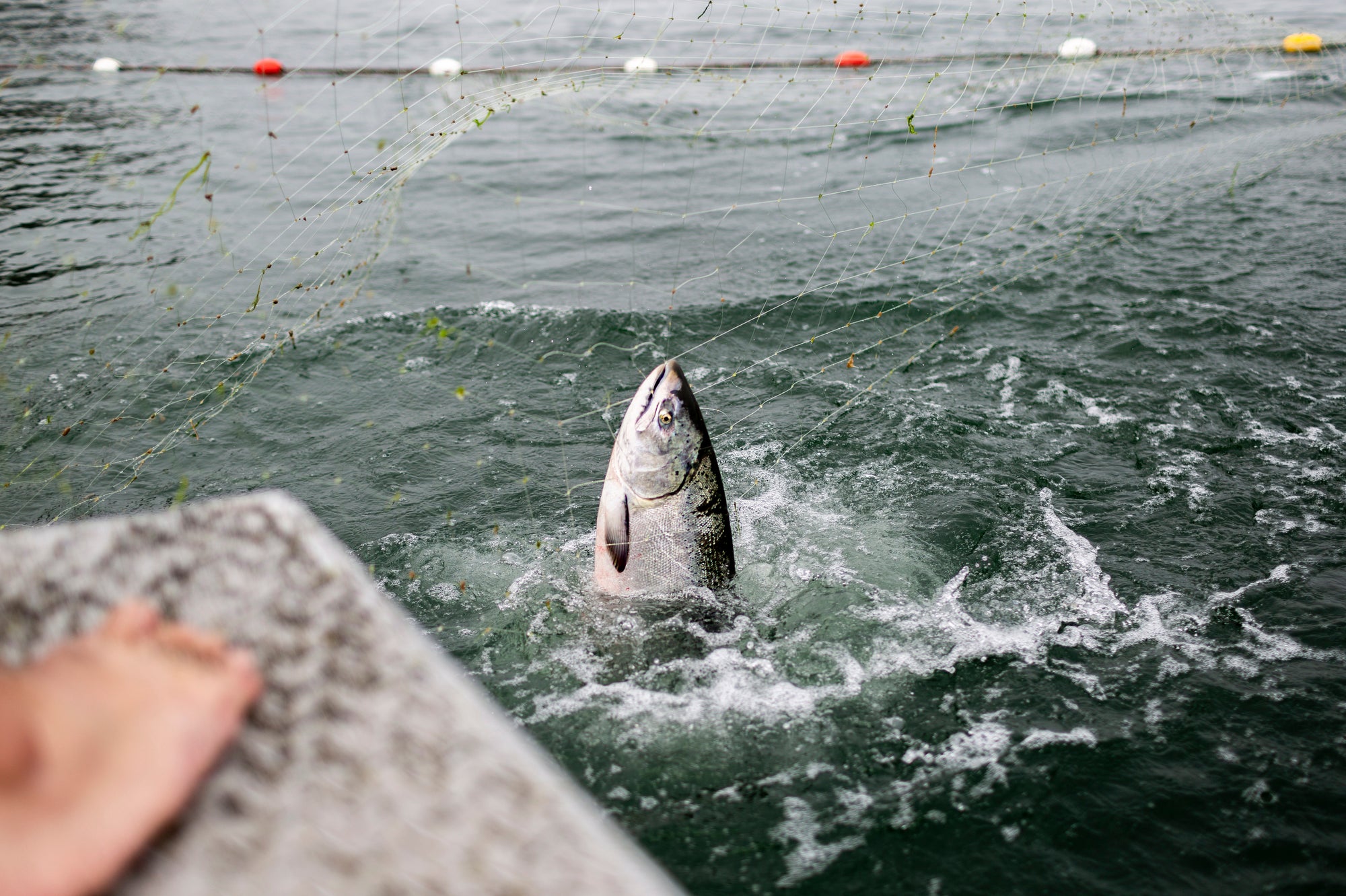
The head of a salmon in a net comes out of the water.
June 23, 2026

U.S. Appeals Court Rules in Favor of Endangered Species

Pivotal ruling protects Klamath River’s recovering salmon runs
April 27, 2026

Industria Química Solicita a la Corte Suprema que la Proteja de Demandas por Cáncer Vinculadas con Pesticidas

Si la Corte falla a favor de la industria química, pacientes con cáncer y trabajadores agrícolas podrían perder su único recurso para obtener una compensación cuando los pesticidas tóxicos les provoquen enfermedades
The U.S. Supreme Court building.
April 27, 2026

Chemical Industry Asks Supreme Court to Shield them from Cancer Lawsuits from Pesticides

If the Court sides with the chemical industry, cancer patients and farmworkers could lose their only path to compensation when toxic pesticides make them sick
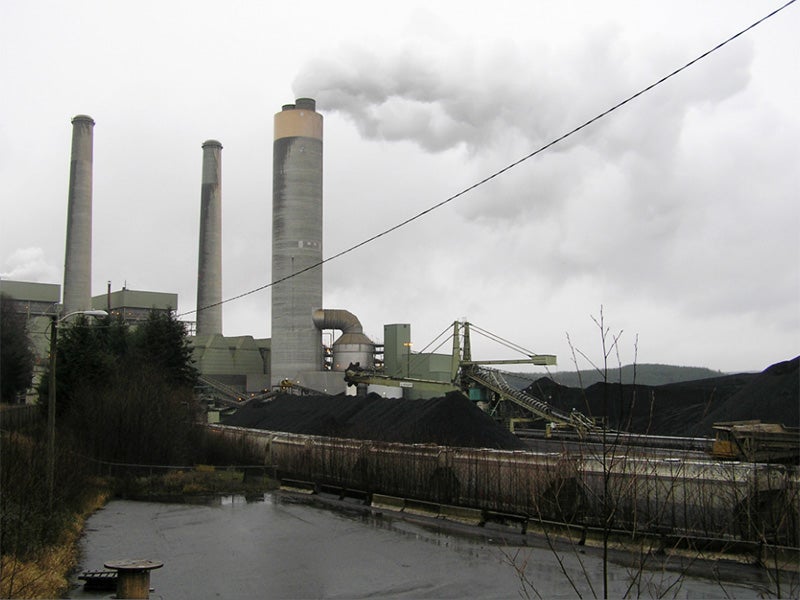
The TransAlta coal plant in Centralia, WA.
April 14, 2026

Public Interest Groups Challenge Trump Administration’s Renewal of an Order to Keep Washington’s Last Coal Plant Operating

The Department of Energy is claiming false emergencies to keep open dirty, inefficient coal plants across the country including a coal plant slated for shutdown in Centralia, Washington