Posts tagged: coal

unEARTHED. The Earthjustice Blog

coal


    SIGN-UP for our latest news and action alerts:
   Please leave this field empty

Facebook Fans

Featured Campaigns

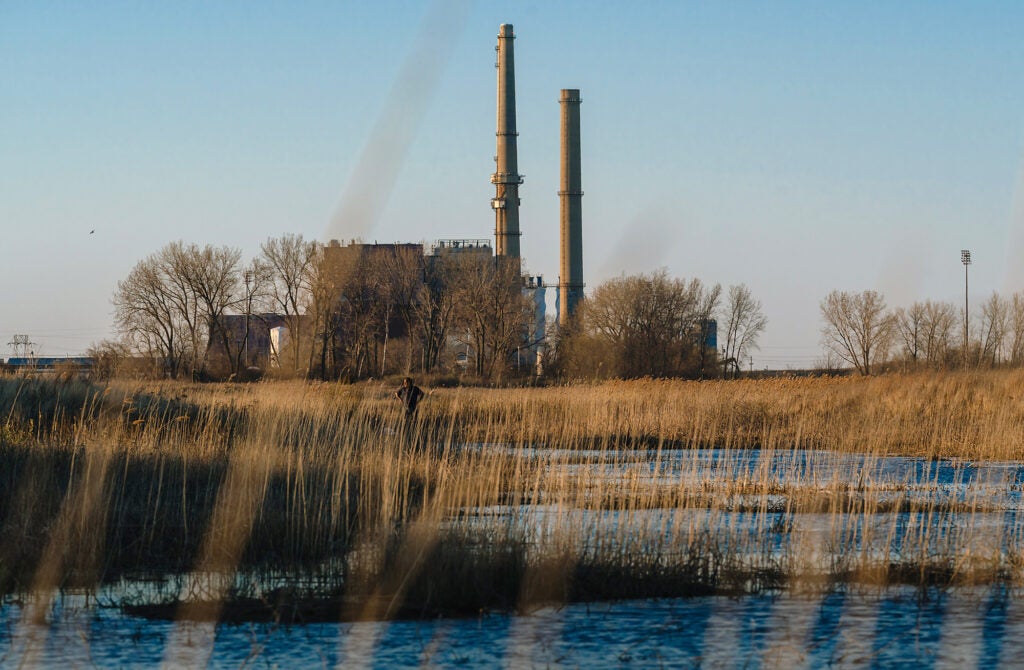
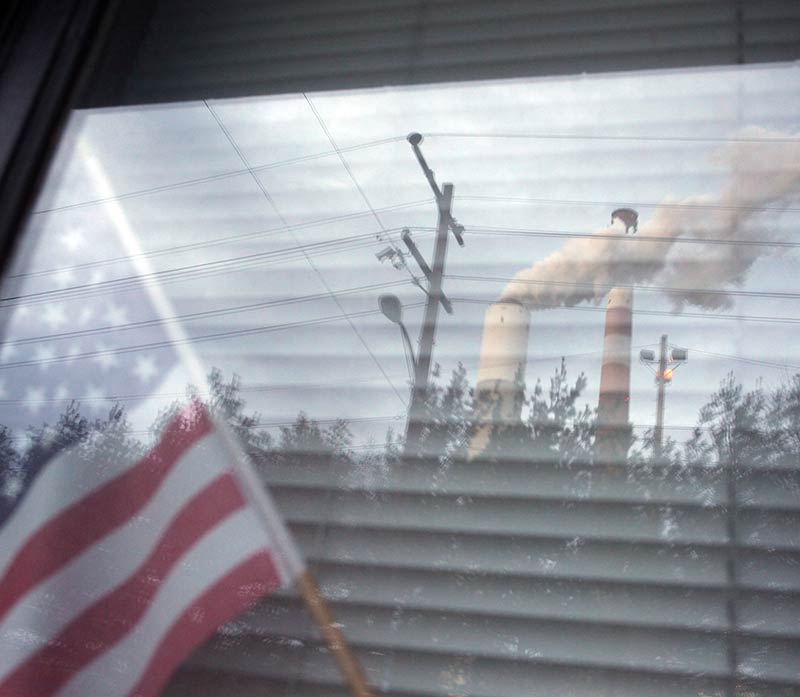
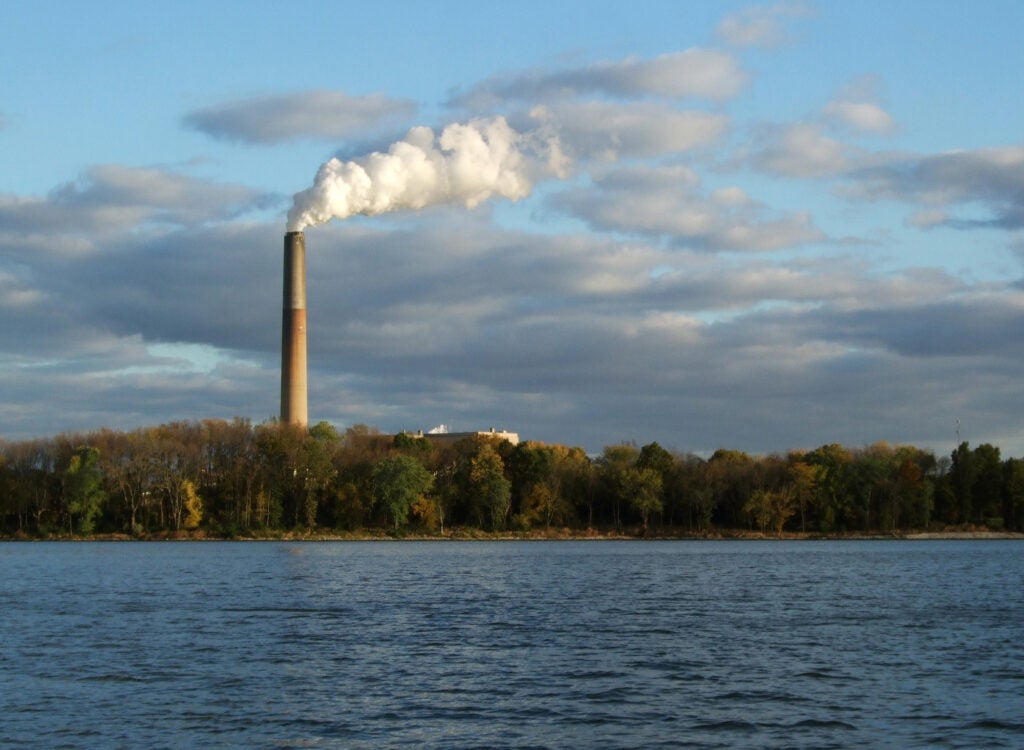
Everyone has The Right To Breathe clean air. Watch a video featuring Earthjustice Attorney Jim Pew and two Pennsylvanians—Marti Blake and Martin Garrigan—who know firsthand what it means to live in the shadow of a coal plant's smokestack, breathing in daily lungfuls of toxic air for more than two decades.

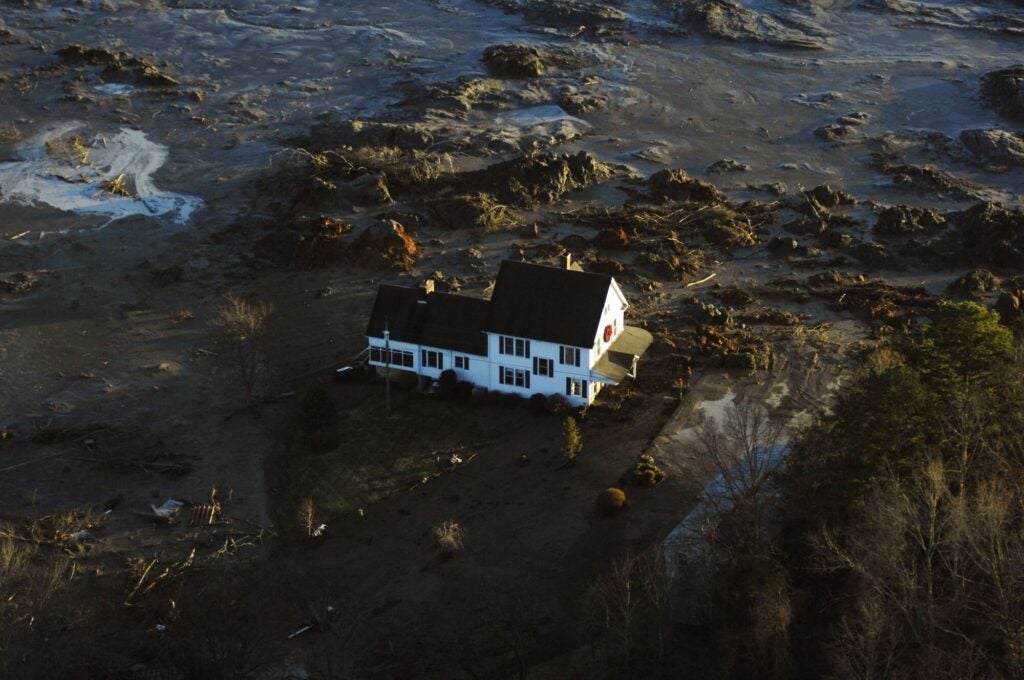
Coal Ash Contaminates Our Lives. Coal ash is the hazardous waste that remains after coal is burned. Dumped into unlined ponds or mines, the toxins readily leach into drinking water supplies. Watch the video above and take action to support federally enforceable safeguards for coal ash disposal.

ABOUT EARTHJUSTICE'S BLOG

unEARTHED is a forum for the voices and stories of the people behind Earthjustice's work. The views and opinions expressed in this blog do not necessarily represent the opinion or position of Earthjustice or its board, clients, or funders.

Learn more about Earthjustice.

View Brian Smith's blog posts
26 February 2013, 12:57 PM
U.S. excuses for climate inaction dwindling
A large majority of Americans now want action.  (Ray Wan)

Climate change deniers in the U.S. once claimed there was no proof that pumping tons of carbon into the atmosphere was changing our climate.

This worked for a while, but Midwest drought, western wildfires, and superstorm Sandy, which all hit during 2012, have changed public opinion dramatically.

A recent poll by Duke University found 50 percent of Americans are convinced the climate is changing and another 34 percent say it is probably changing—an increase from other recent polls. A large majority of Americans now want action. The Duke poll found 64 percent of Americans want strong regulations on power plants and factories and fuel-efficiency standards for cars.

So the climate change denial camp is now trying a different argument.

3 Comments   /   Read more >>
View Liz Judge's blog posts
26 February 2013, 10:23 AM
Not enough change since historic disaster
The Buffalo Creek disaster destroyed 4,000 homes in 16 towns.  (WV Div. of Culture & History)

Forty-one years ago, today, a dam holding 132 million gallons of toxic liquid coal waste ruptured high up in the mountains of West Virginia, loosing a tsunami-like death wave of coal waste and chemical sludge that destroyed 4,000 homes in 16 towns, injured more than 1,000 people, and killed 125. Seven bodies were never found. This remarkable Charleston Gazette series shares the stories of the people who were affected by this horrific tragedy.

The Buffalo Creek disaster was one of the deadliest floods in American history, but unlike natural floods, it was a man-made disaster caused by corporate negligence, regulatory agency corruption and failure, and an ill-begotten idea of industrial waste disposal. Today, many of the circumstances that led to that disaster still persist, but sludge dams are several times larger. 

View John McManus's blog posts
22 February 2013, 11:24 AM
Earthjustice urges California PUC to consider storage systems
Battery systems would store surplus renewable energy when it’s produced for use later.  (LBNL)

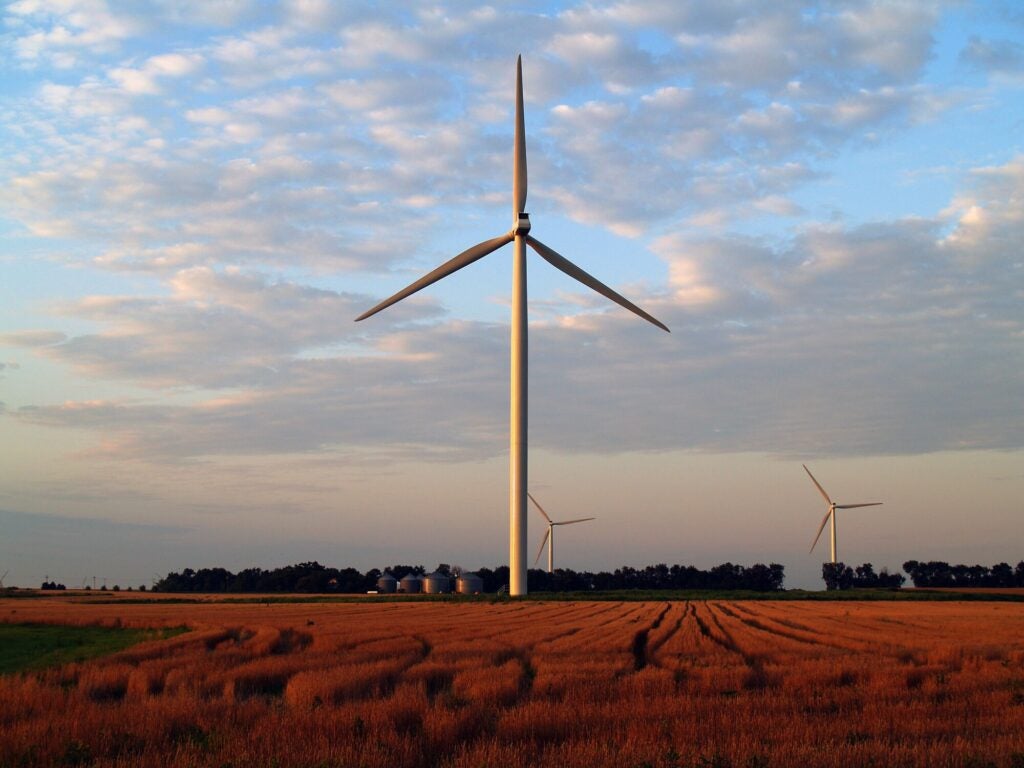
Most people know that solar and wind energy is only generated when the sun shines or the wind blows. This leaves potential power gaps at times of no sun or wind. One of the Holy Grails of renewable energy has been storage systems (think battery here) that can store surplus energy when it’s produced for use later.

Various technologies are being explored, and widespread use should not be far off. With the current move from fossil fuel to renewables, we need to push utilities now to acquire storage. If we don’t, their tendency is to stick to business as usual, which favors burning fossil fuels.

Earthjustice is currently before the California Public Utility Commission, arguing the need for such storage. We’re careful not to tell the PUC or utilities what type of storage they must have, only that they must have it.

View Trip Van Noppen's blog posts
15 February 2013, 12:34 PM
Americans can’t wait for Congress to address climate change
President Obama delivers the State of the Union address in the House Chamber on Feb. 12, 2013.  (Chuck Kennedy / White House)

Last week, President Obama demanded that Congress take action on climate change, or else he would.

But, after years of political gridlock on the climate issue, coupled with rising seas and worsening droughts, one thing is clear: the nation simply cannot afford to wait any longer to take action. Though Congress may eventually pull together and pass a climate bill, the president must not wait on that uncertain prospect. He must act now.

After all, today the U.S. is farther from enacting a nationwide plan to reduce carbon emissions than it was four years ago. Congress has failed miserably. And though America’s greenhouse gas emissions are beginning to decline, the rate at which they’re doing so is nowhere near what we need to avoid catastrophic climate change.

25 Comments   /   Read more >>
View Ted Zukoski's blog posts
13 February 2013, 3:57 PM
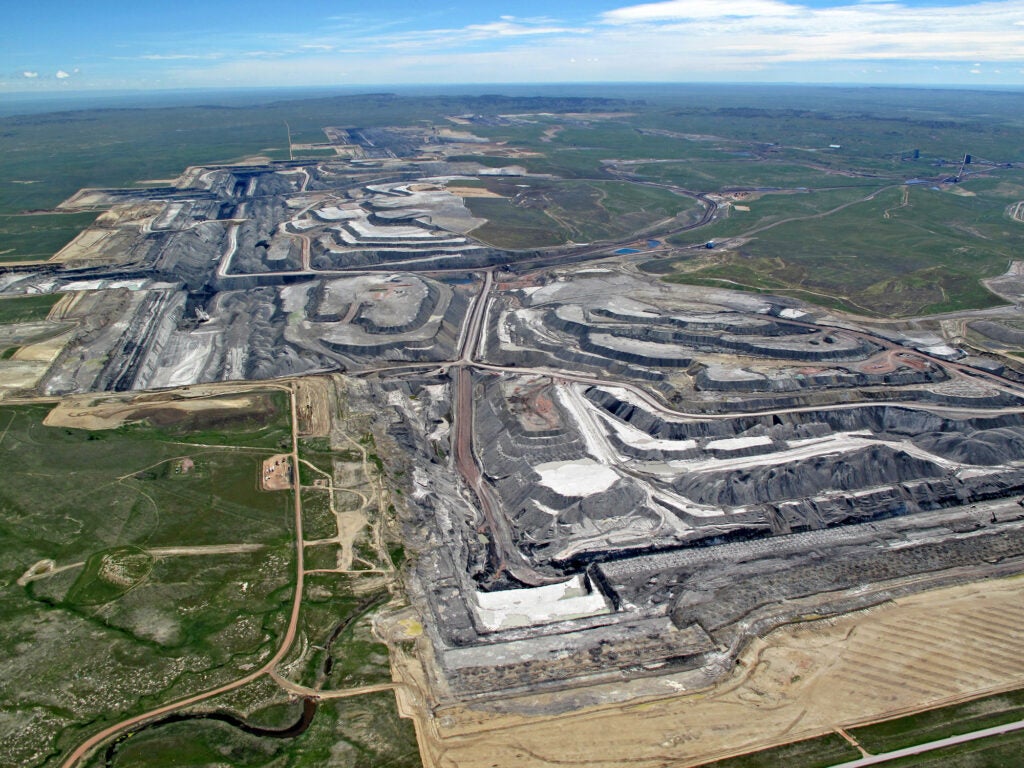
Obama can act on climate change by taking on a few western coal mines
Coal mining damage caused by West Elk Mine. (U.S. Forest Service)

In his State of the Union address, President Obama said some stirring things about climate change. Most dramatically, he urged Congress to take action and then said:

But if Congress won’t act soon to protect future generations, I will.

Well, if you want to act on climate change to protect future generations, Mr. President, I have a modest proposal: stop rubber-stamping coal mine expansions on federal lands in the western U.S.

5 Comments   /   Read more >>
View Angela Garrone's blog posts
12 February 2013, 12:30 PM
Equips communities on how to take on coal burning

Note from Lisa Evans: The National Association for the Advancement of Colored People (NAACP) last week released the "Coal Blooded Action Toolkit," which is a companion to its report, Coal Blooded: Putting Profits Before People, published jointly by the NAACP and Little Village Environmental Justice Organization and the Indigenous Environmental Network last November.

The 2012 report found low-income communities and communities of color are more likely to suffer the damaging effects caused by coal plant operations, including the disposal of toxic coal ash. Expressly designed for grassroots communities, the Coal Blooded Action Toolkit is a step-by-step guide on how to take action to address pollution from coal fired power plants, covering investigation, raising community awareness, litigation, direct action and much more. It is essential reading for those who care about protecting communities from toxic pollution and defending civil and human rights violated by the burning of coal.

The following Tr-Ash Talk guest post is written by Angela Garrone, Southeast Energy Research Attorney for the Southern Alliance for Clean Energy:

The National Association for the Advancement of Colored People (NAACP), in conjunction with Little Village Environmental Justice Organization and the Indigenous Environmental Network, released a report analyzing sulfur dioxide (SO2) and nitrogen oxide (NOx) emissions in conjunction with demographic factors, including race, income and population density. The report, entitled “Coal Blooded: Putting Profits Before People,” demonstrates the urgent need for community action focused on shutting down coal plants located in low-income communities and communities of color.

View Lisa Evans's blog posts
01 February 2013, 8:36 AM
Utility floats dangerous plan to barge toxic coal ash
Mississippi River at Vicksburg closed after barge hit railroad bridge and began leaking oil. (Photo: WLBT)

Utility giant FirstEnergy Corp unveiled plans last week to barge 3 million tons of coal ash annually nearly 100 miles on the Monongahela and Ohio rivers for disposal in an unlined pit in LaBelle, PA. The ash comes from its Bruce Mansfield Power Station—one of the largest coal burning power plants in the U.S.

There's not a thing right about this scheme, according to residents who take their drinking water from the river. Also unhappy are citizens of LaBelle, PA, whose water and air are already poisoned by nearly 15 years of coal ash dumping.

View Daniel Hubbell's blog posts
23 January 2013, 1:36 PM
Strikes EPA rule that allowed for more soot pollution
Soot blackens the walls of a Pennsylvania residence neighboring a coal-fired power plant.
(Chris Jordan-Bloch / Earthjustice)

The mention of soot conjures images of black clouds pouring out of unfiltered cars, or of cities lost in dark fog. At times in our history, soot pollution has helped stain entire ecosystems black, famously causing moths in Britain to change color from white to black to better hide in their environment. These images are well-deserved: soot is dangerous to both humans and the environment.

The Environmental Protection Agency blames soot for tens of thousands of premature deaths and hospitalizations every year in the United States; and according to a new study published in the Journal of Geophysical Research, a soot component—black carbon—is the second largest contributor to climate change, coming in just behind carbon dioxide.

Given how dangerous this soot pollution is, we are very pleased with a recent ruling by the U.S Court of Appeals for the District of Columbia.

View Lisa Evans's blog posts
22 January 2013, 9:07 AM
GOP sponsors press CRS to change its unfavorable report on coal ash bills
Sen. Chuck Schumer (D-NY)

The Congressional Research Service, the non-partisan research arm of the Library of Congress, drew anger from two legislators after it issued an unfavorable report on their coal ash bills (S. 3512 and H.R. 2273). Sen. John Hoeven (R-ND) and Rep. David McKinley (R-WV) have aggressively pursued the CRS since early December, after it gave both bills a failing grade, finding their weaknesses “unprecedented” in environmental law. The CRS concluded in no uncertain terms that the bills lack a clear purpose and cannot ensure state standards “necessary to protect human health and the environment.”

In light of CRS’ unfavorable legal analysis, the reasonable course for Hoeven and McKinley was to redraft their bills—but instead they demanded that the CRS redraft their report. This is not the first time in recent months that Republicans have played this game.

View Brian Smith's blog posts
08 January 2013, 12:15 PM
Australia swelters as coal industry industry brags
It's hot in Australia. (Stephen Mitchell)

This week, our friends down under are experiencing climate chaos up close and personal.

Australia is enduring a record heat wave that is causing massive forest fires and unprecedented public health issues.

The situation has become so bad that the weather service was forced to add to add additional colors to the heat map to capture temperatures up to 54 degrees Celsius (129°F).

Hobet mine.

A recent heat map of Australia, with the new colors.  (AUS Bureau of Meteorology)
3 Comments   /   Read more >>