Posts tagged: coal

unEARTHED. The Earthjustice Blog

coal


    SIGN-UP for our latest news and action alerts:
   Please leave this field empty

Facebook Fans

Featured Campaigns

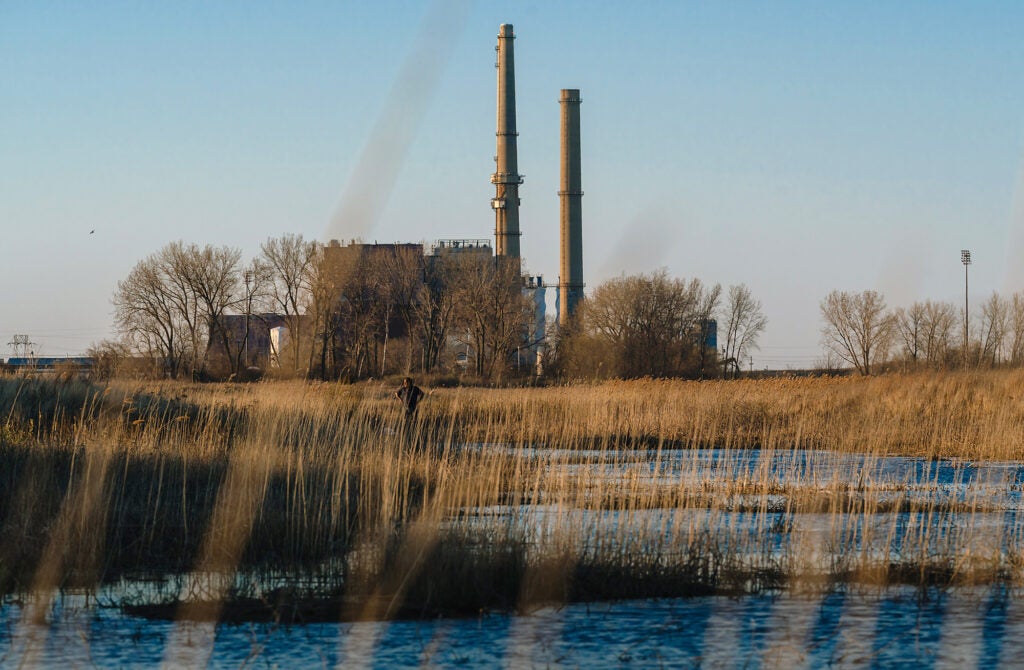
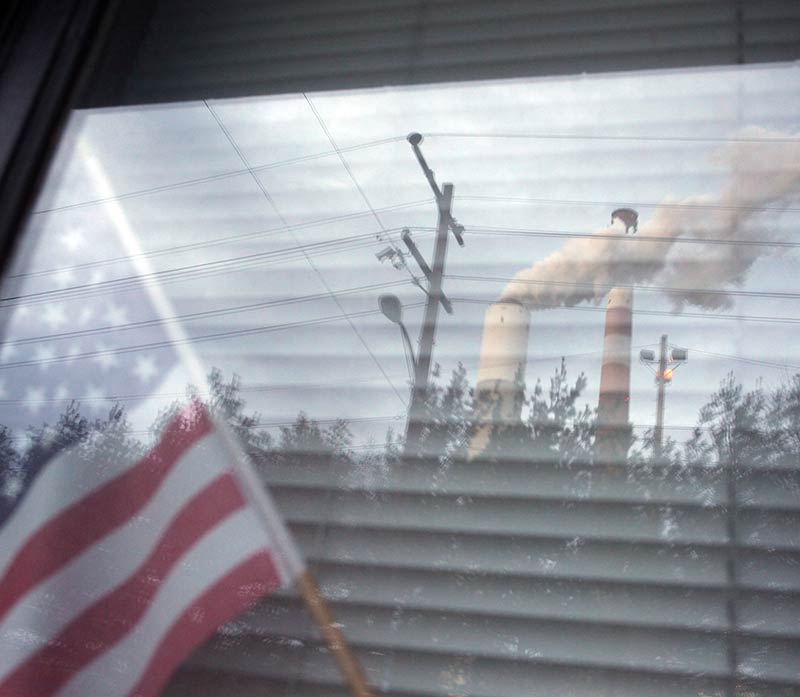
Everyone has The Right To Breathe clean air. Watch a video featuring Earthjustice Attorney Jim Pew and two Pennsylvanians—Marti Blake and Martin Garrigan—who know firsthand what it means to live in the shadow of a coal plant's smokestack, breathing in daily lungfuls of toxic air for more than two decades.

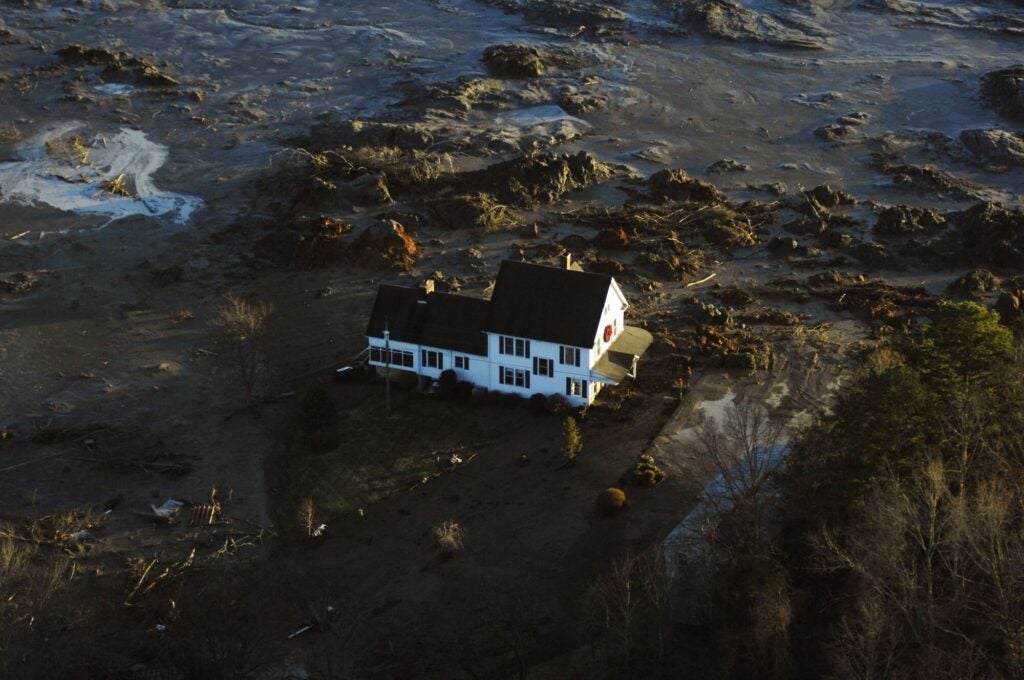
Coal Ash Contaminates Our Lives. Coal ash is the hazardous waste that remains after coal is burned. Dumped into unlined ponds or mines, the toxins readily leach into drinking water supplies. Watch the video above and take action to support federally enforceable safeguards for coal ash disposal.

ABOUT EARTHJUSTICE'S BLOG

unEARTHED is a forum for the voices and stories of the people behind Earthjustice's work. The views and opinions expressed in this blog do not necessarily represent the opinion or position of Earthjustice or its board, clients, or funders.

Learn more about Earthjustice.

View Sam Edmondson's blog posts
28 October 2009, 4:51 PM
Mountaintop removal mining begins at Coal River Mountain
Coal River Mountain as seen from nearby Kayford Mountain. Photo: Coal River Mountain Watch.

The halls of Congress are echoing this week with debate over proposed legislation to fight global warming—a fight that can't be won without addressing a primary cause of global warming: our dependence on coal. As the rumpus goes on there, a real-life battle between coal and the future of American energy has reached a pivotal moment in Appalachia.

In an effort to protect their familial homes and water resources, residents of West Virginia's Coal River Valley have long fought to prevent Coal River Mountain from being blown apart for the coal beneath it. Local groups like Coal River Mountain Watch, an Earthjustice client, have argued compellingly that the mountain is an ideal site for a wind power facility, which could make the region a model for sustainable, green economic growth.

1 Comment   /   Read more >>
View Terry Winckler's blog posts
27 October 2009, 11:16 AM
President hands out grants, hints at clean energy system
Photo: NASA/DSMP

President Barack Obama handed out a passel of money today for "smart grid" projects, much of it going towards house electrical meters that can be controlled by power companies. The meters allow companies to manipulate how much electricity each house uses at any given time -- useful in times of power shortages and for being able to shift power from where it's least needed to where it's most needed. The grants also went to  modernizing various components of the grid to make it "smarter."

The federal stimulus grants, while not directly funding clean energy alternatives, are aimed at improving how the nation uses our current electrical transmission set-up, so that such alternatives as solar and wind can be more easily integrated. To emphasize the smart grid connection to alternative energy sources, the president made the announcement while standing in a new, Florida solar energy "farm." Legal efforts by Earthjustice paved the way for the facility.

Clearly, this is just a start towards a highly sophisticated electrical distribution and consumption system. To that end, a Wall Street Journal graphic illustrates a "smart grid city" experiment being conducted in Boulder, Co. In the experiment, smart metering in connection with solar powered battery storage allows total manipulation of a house's electrical input and appliances, even to the extent that the house could be feeding the power grid.

1 Comment   /   Read more >>
View Terry Winckler's blog posts
26 October 2009, 4:06 PM
President tours nation's largest solar energy plant

Two years after Earthjustice successfully fought Florida Power and Light's plan to build the nation's largest coal plant near Everglades National Park, the state is taking a giant leap forward toward clean energy.

Today, President Barack Obama is touring FPL's new DeSoto Next Generation Solar Energy Center in Arcadia —the largest photovoltaic facility in the U.S.

"Instead of having a dirty coal plant to provide power, we have clean solar energy," said David Guest, managing attorney for Earthjustice in Florida. "It is gratifying to know that Earthjustice helped change public policy and moved our state to more common-sense technology. We are finally putting the sunshine back in the Sunshine State."

In June 2007, Earthjustice gathered evidence and experts which helped convince the Florida Public Service Commission to consider the full costs associated with polluting coal plants. It was the first time that global warming played a role in a PSC decision, and the first time in 15 years that state regulators rejected a new power plant.

At 25 megawatts, it will generate nearly twice as much energy as the second-largest photovoltaic facility in the U.S.—Nevada's Nellis Solar Power Plant.
 

View Brian Smith's blog posts
13 October 2009, 4:32 PM
Earthjustice action in New York Times today

Despite the insistence of multi-billion dollar ad campaigns from the coal industry, “clean coal” simply does not exist.

Even when scrubbers are installed to filter air pollution from coal-fired power plants, the mercury, selenium, and other toxic heavy metals released by coal combustion have to go somewhere. Sadly, too much pollution is ending up in America’s rivers and groundwater.

This week, the New York Times’ excellent series "Toxic Waters" takes a look at the dangers of shifting coal pollution from air to water.

1 Comment   /   Read more >>
View Jared Saylor's blog posts
02 October 2009, 1:50 PM
Tune in this Sunday, October 4th

When venerable television news show 60 Minutes takes notice of a story, it's got to be an important issue. On this Sunday, October 4, 60 Minutes is going to look at one of the biggest waste problems in our country: coal ash. From the preview on their website:

1 Comment   /   Read more >>
View Terry Winckler's blog posts
30 September 2009, 2:59 PM
Decision triggers environmental scrutiny of 79 mining permits

The Environmental Protection Agency has taken another positive step towards reining in the destructive practice of mountaintop removal mining.

Today, the EPA declared that all of the 79 permits it was reviewing would violate the Clean Water Act and must undergo more in-depth environmental assessment by both the EPA and Army Corps of Engineers. This is a welcome action that Earthjustice called for two weeks ago.

Now, the two agencies have 60 days to review each permit. We can't imagine that they can reach any other conclusion than that these mines will cause irreparable harm to the waterways, land and communities of Appalachia. The permits must be denied, and beyond that, the Obama administration should follow up by reinstating and enforcing clean water rules gutted by the Bush administration.

View Trip Van Noppen's blog posts
17 September 2009, 5:46 PM
Agency puts hold on dozens of mining permits for environmental review

On most environmental matters, the Obama administration scores high marks from us, especially for revitalizing the role of science and respect for the law in the agency's decisions. The shift in ethos from eight years of ruinous Bush policies occurred almost immediately after Obama took office. We have seen dramatic positive changes in how some federal agencies deal with the key issues of climate change and clean energy, roadless protections, clean air, and hazardous waste regulations.

But, until last week, Obama's actions on mountaintop removal mining largely tracked the course set by Bush. As we previously noted  in April we hoped that the EPA was going to put the brakes on 48 mountaintop removal permits. We were taken aback in May when the agency instead let 42 of the permits go ahead without further scrutiny. This was a disheartening setback.

9 Comments   /   Read more >>
View Sam Edmondson's blog posts
16 September 2009, 1:19 PM
Development plans may boost carbon dioxide emissions of the glaciated island
Greenland's Sondrestrom Glacier. Photo: NASA/Roger Chao

As I noted in a previous post, the alarming pace of glacial retreats across the globe is an eye-opening indication that climate change is rapidly altering our planet. Look no further than the ironically named Greenland for evidence.

Because Greenland is an epicenter of climate change, some are decrying plans made by the country's new prime minister, Kuupik Kleist, to attract industry. It seems inconceivable that a country ravaged by climate change would fuel the scourge.

2 Comments   /   Read more >>
View Jared Saylor's blog posts
11 September 2009, 2:30 PM
EPA plans more scientific and legal scrutiny on 79 new mining permits
Photo: OVEC

The last year has been a roller coaster ride for mountaintop removal. Despite a loss in the 4th Circuit Court of Appeals in February (which we're now appealing to the U.S. Supreme Court), the U.S. Senate was taking up the fight with some public hearings back in March. In April, we thought the EPA was going to put the brakes on some mountaintop removal mining permits, but then in May, it was a sad day for Appalachia when the EPA approved more mining permits.

Well today, we've got some reason to cheer. The EPA announced today plans to hold 79 pending mountaintop removal mining permits for further environmental review, offering a reprieve for the coalfield residents in Appalachia living near these sites. The news comes as part of a "Memorandum of Understanding" the EPA and the Army Corps of Engineers signed earlier this year. The two agencies agreed to work together to review pending permits, and today's announcement sets the EPA and the Corps on a path towards closer scrutiny of these permits that is based on science and the law.

View Bill Karpowicz's blog posts
27 August 2009, 9:18 AM
Toxin found in every fish tested in 291 streams

More than two-thirds of fish tested by the federal government between 1998 and 2005 are contaminated by mercury at levels exceeding EPA standards according to a recent report.

Contamination is widespread, the report said, coming from various sources depending on geography. Coal-fired power plants are the largest source of mercury, although 59 of the 291 streams studied may have been affected by gold and mercury mining. The highest mercury levels were found in the south and southeast-North and South Carolina, Georgia, Florida and Louisiana, while elevated levels were found in mining areas of the West and watersheds in the Northeast and Upper Midwest.

In 2008, Earthjustice successfully appealed an EPA rule favorable to industry which would have allowed dangerous levels of mercury to persist. We’re waiting for the Obama administration to make good on its promise to introduce new power plant emission regulations.