Posts tagged: coal

unEARTHED. The Earthjustice Blog

coal


    SIGN-UP for our latest news and action alerts:
   Please leave this field empty

Facebook Fans

Featured Campaigns

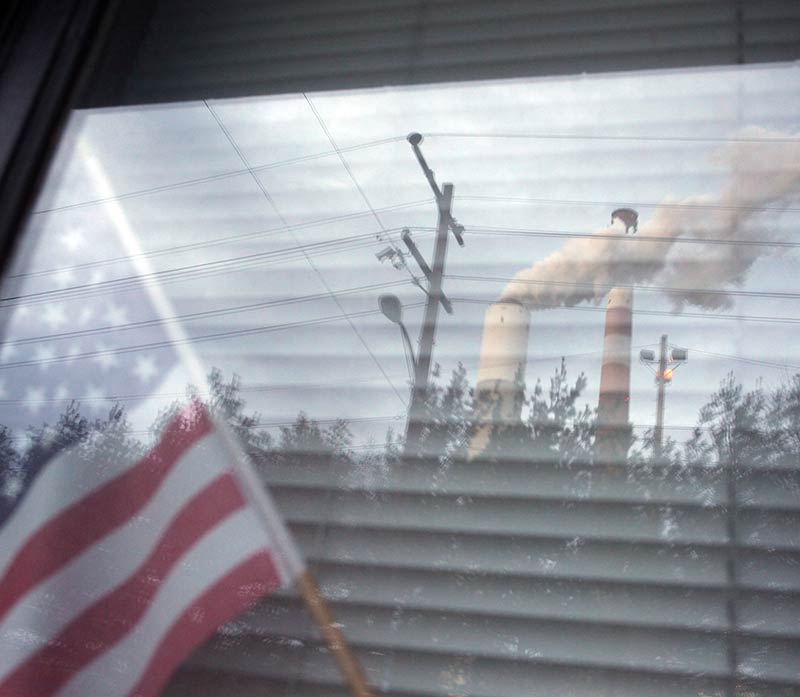
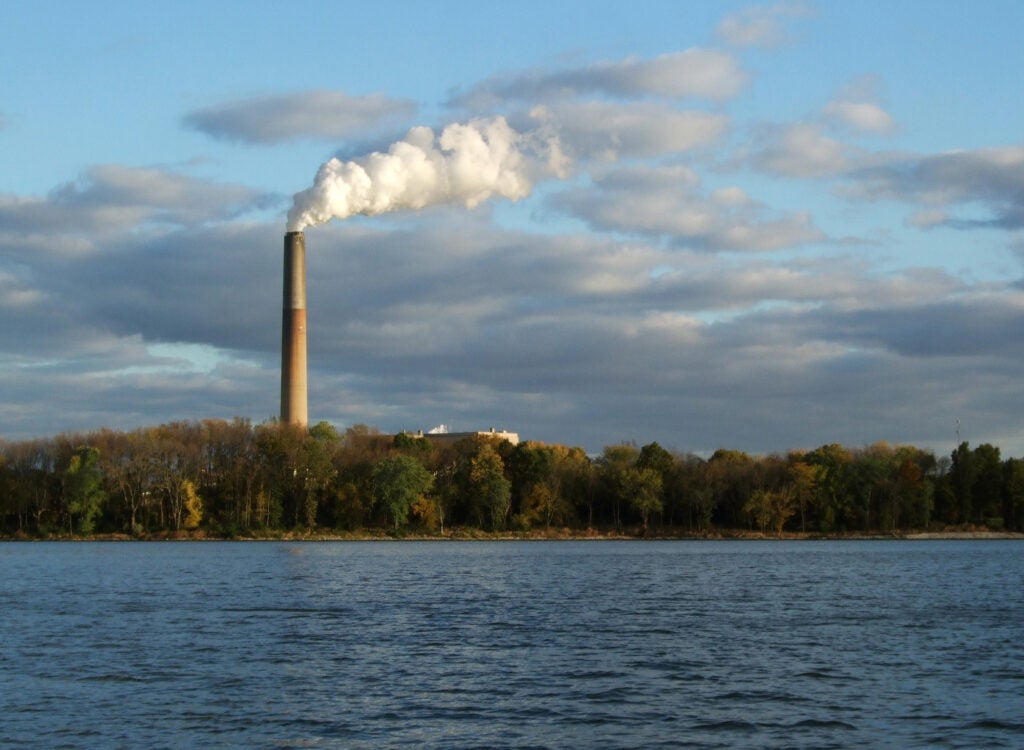
Everyone has The Right To Breathe clean air. Watch a video featuring Earthjustice Attorney Jim Pew and two Pennsylvanians—Marti Blake and Martin Garrigan—who know firsthand what it means to live in the shadow of a coal plant's smokestack, breathing in daily lungfuls of toxic air for more than two decades.

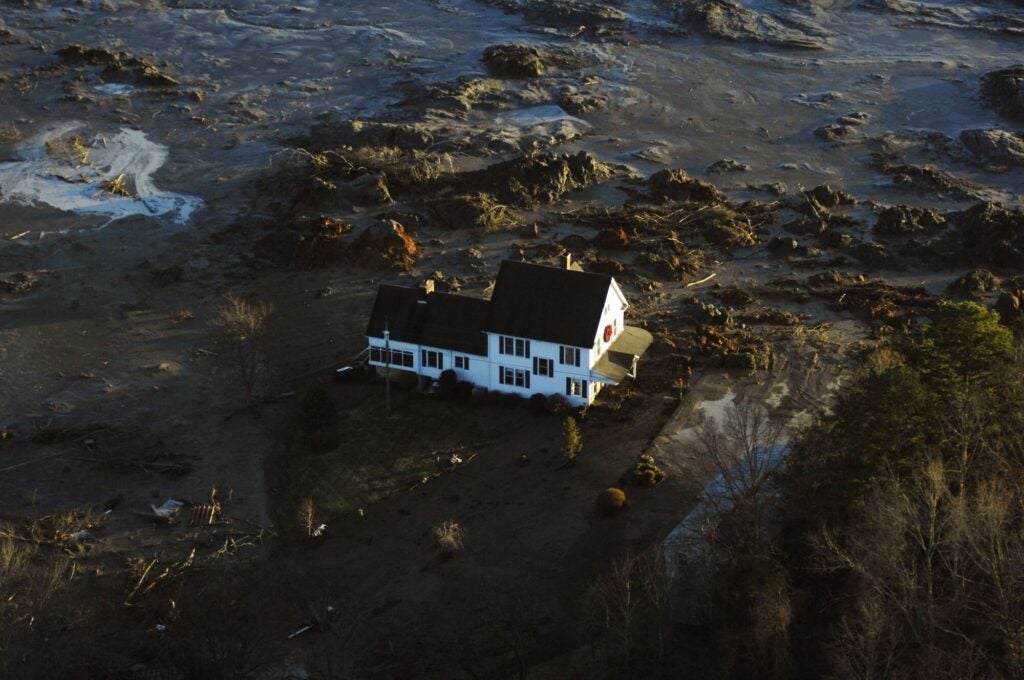
Coal Ash Contaminates Our Lives. Coal ash is the hazardous waste that remains after coal is burned. Dumped into unlined ponds or mines, the toxins readily leach into drinking water supplies. Watch the video above and take action to support federally enforceable safeguards for coal ash disposal.

ABOUT EARTHJUSTICE'S BLOG

unEARTHED is a forum for the voices and stories of the people behind Earthjustice's work. The views and opinions expressed in this blog do not necessarily represent the opinion or position of Earthjustice or its board, clients, or funders.

Learn more about Earthjustice.

View Terry Winckler's blog posts
02 July 2009, 3:07 PM
Sunflower Electric must apply for new air permit

The federal Environmental Protection Agency has thrown a wrench into the expansion of Sunflower coal-fired power plant in Kansas. It's the first hopeful sign out of that state since its new governor cooked up a deal allowing the expansion in May.

In a letter this week, the EPA told the state and Sunflower Electric that it must apply for a new air permit before building a massive, dirty 895MW coal-fired power plant. Agreeing with a position taken by Earthjustice, the EPA said Sunflower must submit new environmental analyses addressing hazardous pollutants, dirty particulates and the possibility of cleaner technology than may exist today.

1 Comment   /   Read more >>
View Jared Saylor's blog posts
25 June 2009, 4:29 PM
 

Dr. Margaret Palmer is a world renowned water biologist who works at the university of Maryland, but has a home in West Virginia and family from the Appalachia region. "Headwater streams are exponentially more important than their size would suggest," said Dr. Palmer in testimony before the Senate. She compared headwater streams to the small capillaries in our lungs that distribute the oxygen necessary for life to our bodies. Without those capillaries (and similarly, without the headwaters) we (and the surrounding environment) would not be able to live.

View Jared Saylor's blog posts
25 June 2009, 4:27 PM
 

The first witness, an EPA official, was questioned extensively about the impacts both locally and globally of destroying entire forests, flattening mountains, and increasing flooding as a result of mountaintop removal mining.

In the second witness panel are: Paul Sloan, Deputy Commissioner of the Tennessee Department of Environment and Conservation; Randy Huffman, Cabinet Secretary of the West Virginia Department of Environmental Protection; Dr. Margaret Palmer, Laboratory Director of the Chesapeake Biological Laboratory at the University of Maryland; and Maria Gunnoe, coalfield activist and winner of the prestigious 2009 Goldman Environmental Prize.

View Jared Saylor's blog posts
25 June 2009, 4:16 PM
 

The hearing started promptly at 3:30 pm with Sen. Ben Cardin (D-MD), a cosponsor of the Appalachia Restoration Act, stating that mountaintop removal mining "adversely effects the economies of the region."

Sen. Lamar Alexander (R-TN), also a cosponsor of the Appalachia Restoration Act, offered opening remarks including, "it's not necessary to destroy our mountaintops in order to have enough coal...saving our mountaintops is important to me."

View Jared Saylor's blog posts
17 June 2009, 1:25 PM
 

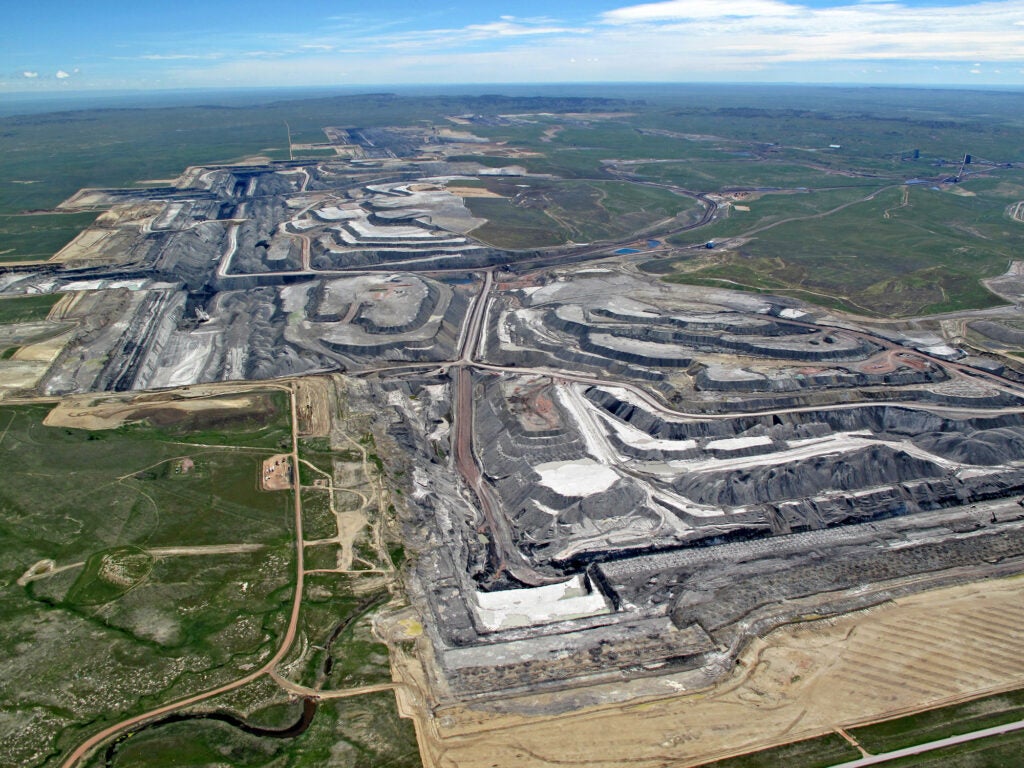
The saga of mountaintop removal continues, and this time it's headed to Congress. Two proposed bills—one in the Senate and one in the House of Representatives—could curtail mountaintop removal mining by banning certain activities related to this destructive mining practice.

The Appalachia Restoration Act, a bill in the U.S. Senate, would prohibit dumping "excess spoil" resulting from mountaintop removal into streams and headwaters. A similar bill in the House of Representatives—the Clean Water Protection Act—would put even tighter restrictions on dumping this pollution into Appalachian streams.

View Jared Saylor's blog posts
21 May 2009, 11:09 AM
 

Appalachia's mountains never seem to get a break. First, back in 2007, a district court judge ruled in favor of a lawsuit we brought on behalf of some West Virginia groups that stopped five mountaintop removal mining permits from going forward because of the permanent destruction they would have done to Appalachian streams and headwaters. It was a short-lived victory: the 4th Circuit Court of Appeals overturned the decision and the permits were moving forward again.

But then, the Obama EPA said it was going to review a slew of pending mountaintop removal mining permits that were awaiting the outcome of the court decision, and all were optimistic that the agency would put a halt on them and help prevent further stream and mountaintop destruction from happening. Appalachian groups hailed this decision, but again, victory was short-lived: just this month, the EPA said that despite having reviewed the permits (and despite mountaintop removal mining completely flattening entire mountain ranges and completely burying streams and headwaters) it was going to let 42 mountaintop removal mining permits proceed.

12 Comments   /   Read more >>
View Terry Winckler's blog posts
05 May 2009, 11:47 AM
Sunflower coal-fired power plant approved

Spinning faster than a Kansas twister, the state's new governor has done what he led us to believe he wouldn't: approved massive expansion of the Sunflower coal-fired power plant.

This is a totally unexpected setback for those who took Gov. Mark Parkinson at his earlier word, believing that he would support the clean-energy policies of former-governor Kathleen Sebelius. Sebelius vetoed legislation that would have allowed the Sunflower expansion, then left the state to join President Obama's cabinet—with Parkinson vowing to stand by the veto.

View Sam Edmondson's blog posts
01 May 2009, 4:35 PM
 

A few weeks ago, I wrote about a must-read LA Times articlethat explores the dramatic effects of climate disruption on Australia. In response to these worsening conditions, seven Australian climate scientists sent a letter to the owners of every coal-fired power plant in Australia. The letter carries a blunt message: no new coal-fired power plants, unless they are zero-emissions…and operated by unicorns (ok, I added the unicorn part).

But an outright ban on new coal-fired power plants isn't enough, as the authors of the letter indicate:

Genuine action on climate change will mean that coal-fired power stations cease to operate in the near future. [Read the whole letter]

As noted in both the letter and the aforementioned LA Times article, coal-fired power plants supply more than 80% of Australia’s electricity (compared to around 50% in the United States). Replacing coal-fired power in Australia and here at home with clean and safe energy sources will require a massive, coordinated (and very necessary) effort. But abandoning the dirty fuels of the past will help us ensure that our future is filled with opportunities.

View Terry Winckler's blog posts
29 April 2009, 12:37 PM
Sebelius moves on to Sec. of Health and Human Services

Now that Big Coal has stumbled in New Mexico, the industry is targeting Kansas in hopes of re-igniting the expansion of coal-fired power in America.

Although their chances are slim, they are counting on a shift in state leadership to help them out. Yesterday, Kathleen Sebelius—who has four times vetoed power plant expansion legislation—relinquished her role as governor to become President Obama's Secretary of Health and Human Services. Her successor is the lieutenant governor, and born-again Republican, Mark Parkinson.

View Terry Winckler's blog posts
28 April 2009, 4:11 PM
 

(Update: check out the excellent editorial in the Durango Herald)

A significant number of Navajos were thrilled this week at the EPA’s decision to take back the permit it issued last year—under the Bush administration--for the massive coal-fired Desert Rock power plant.

The EPA said sufficient analysis had not been done to ensure protection of health and the environment.

Proposed to be built on Navajo nation lands in New Mexico, the plant would impose a massive industrial complex on the landscape, douse the region with air pollutants, and strain critical water resources.

Nation leaders have endorsed the plant for the jobs it would bring, but a dissident group of Navajo citizens, including the group DineCare, represented by Earthjustice, see things differently: